Start with the toys you already own. Choose a small selection for supervised play, put the others away, and bring a different toy into a later session. Keep a brief note of what you offered, how you took part and what your cat actually did. Use those notes to choose the next game rather than buying another similar toy immediately.
Cats Protection recommends rotating toys to keep them interesting. The plan below turns that guidance into a simple household routine. It doesn’t establish that boredom explains your cat’s behavior or promise that rotation will restore interest.
Make an inventory by activity
Write down what each toy lets you offer during play. Useful working labels include “lure I move,” “ball to bat,” and “object to chase.” You can put the same toy under more than one label if that matches how you use it.
This makes it easier to see whether your next choice changes the activity or mainly changes the toy’s appearance. You don’t need a full range of toy types before starting.
For two concrete catalog examples:
| Example | What JoyPetPlay’s description establishes | How to label it in your own inventory |
|---|---|---|
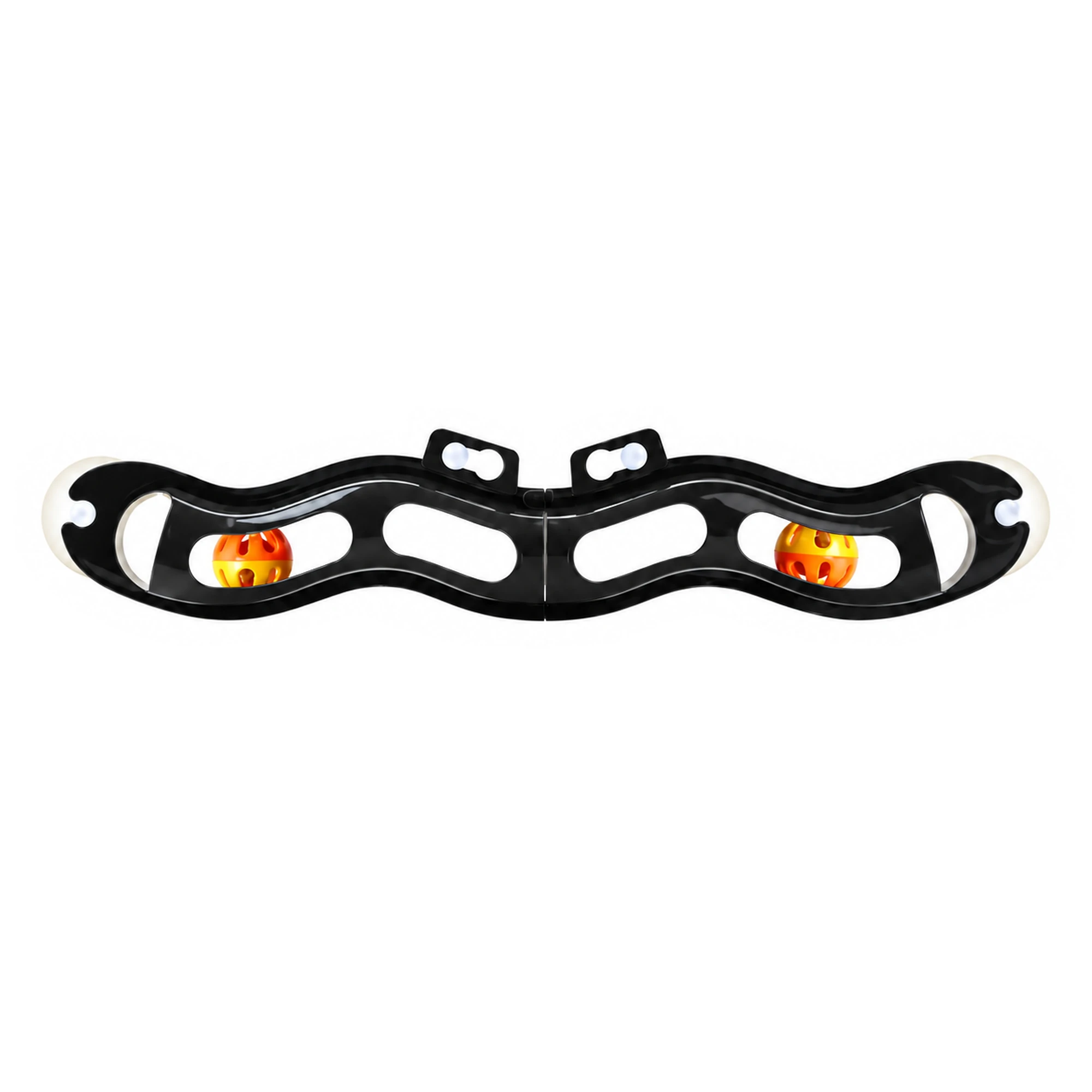
| Black Wavy Track Cat Toy | Two wave-shaped sections and two orange-yellow balls, described for supervised paw play. | Track-and-ball play. |
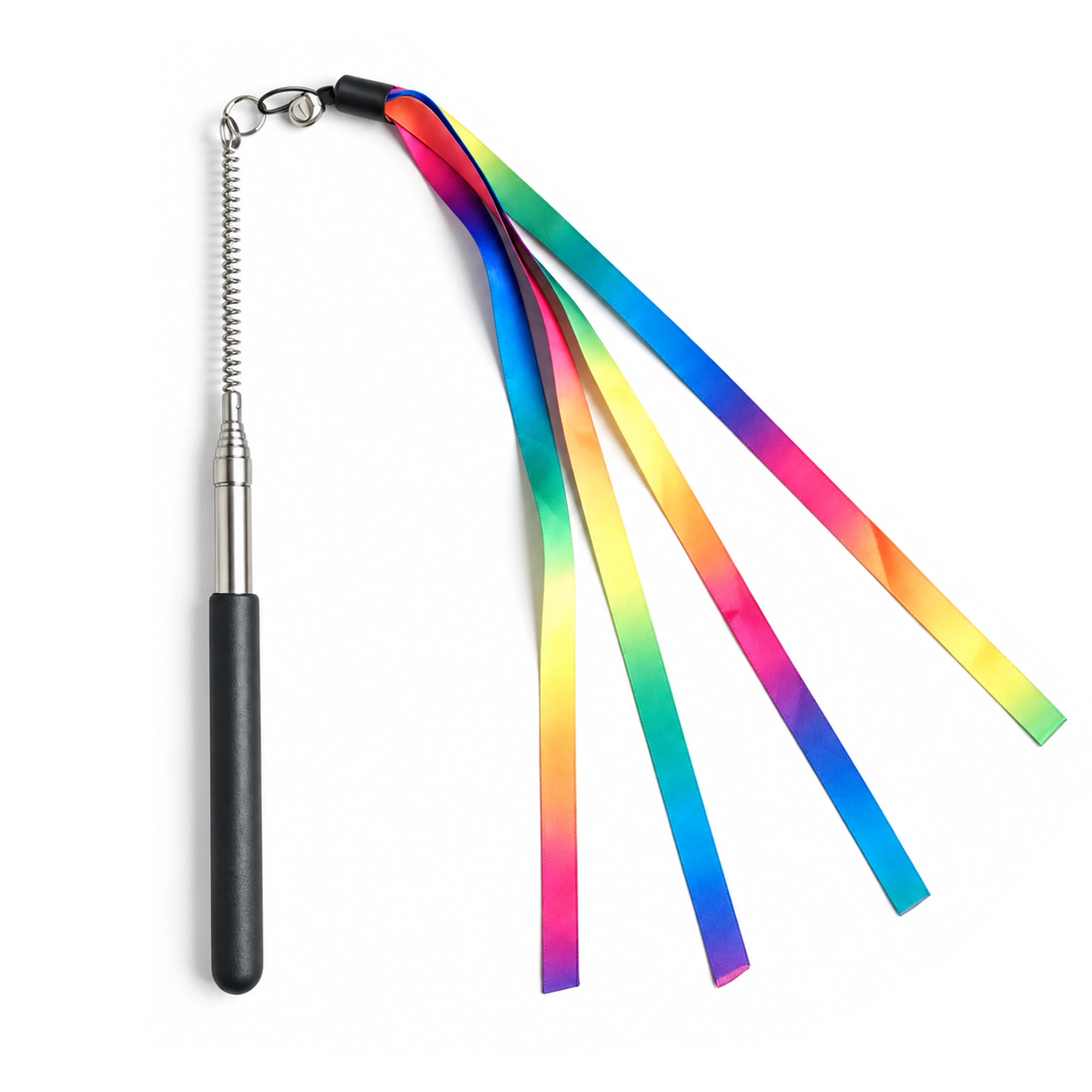
| Rainbow Ribbon Cat Wand | A telescopic silver-colored rod, spring connector, small bell and rainbow ribbons. | A ribbon wand for shared play. |
The labels organize activities; they don’t rank the toys or predict which one your cat will prefer. If your existing collection already includes a similar activity, start there.
Sort for the next session, then put the rest away
Choose one toy to offer first and keep the rest in storage. “In the current rotation” should mean available for you to bring out, not automatically left within reach all day.
Cats Protection advises checking toys for wear and replacing them when needed. It also advises against leaving cats alone with toys they could shred and eat or become tangled in. Include a condition check when a stored toy comes back into use, and follow that toy’s own instructions during play.
For your storage notes, three simple labels are enough:
- Offer next: a toy you plan to bring into a supervised session.
- Rest: a toy you’re setting aside to offer on another occasion.
- Check or replace: a toy that needs attention before it can return to play.
Don’t place a damaged toy in the rest group as if time in storage resolves its condition.
Change one thing you can name
On a later occasion, offer a different activity from your inventory. If you switch from a track to a wand, note that you’ve changed both the toy and your involvement in the game. That comparison doesn’t isolate a preference for ribbons over balls.
If you want a clearer comparison, try keeping the setting and your involvement similar while changing the offered toy. This is a practical way to organize your observations, not a controlled experiment or a behavioral score.
There is no need to replace the whole selection at once. Start with a change you can describe and decide what to offer next after seeing the response.
Use this blank observation log
Copy a row for each session you want to remember. Leave it blank until you have an observation; there are no example results to match.
| Date or session | Toy offered | How I took part | What my cat did | Next choice |
|---|---|---|---|---|
| __________ | __________ | __________ | __________ | __________ |
| __________ | __________ | __________ | __________ | __________ |
| __________ | __________ | __________ | __________ | __________ |
Record visible actions: looked toward it, approached, touched, chased, caught or walked away. Add context if it seems relevant, such as a different room or another person leading the game. Keep “what happened” separate from your explanation of why it happened.
The next-choice column can be modest: offer the same toy again, try another activity, or return a rested toy. A single ignored session doesn’t establish a permanent dislike, so avoid turning one row into a final ranking.
Let the notes guide the rotation
Review your recent rows before choosing another toy. If you offered several versions of the same activity, try something already in your collection that changes the game. If you only offered a toy once, you can choose another opportunity to observe it before deciding whether to rest it.
Keep shared play within the time you can supervise. The useful outcome of this plan is a record you can use: what came out of storage, what you did with it and what response you saw. Choose the next session from that record, without needing to declare a winning toy.