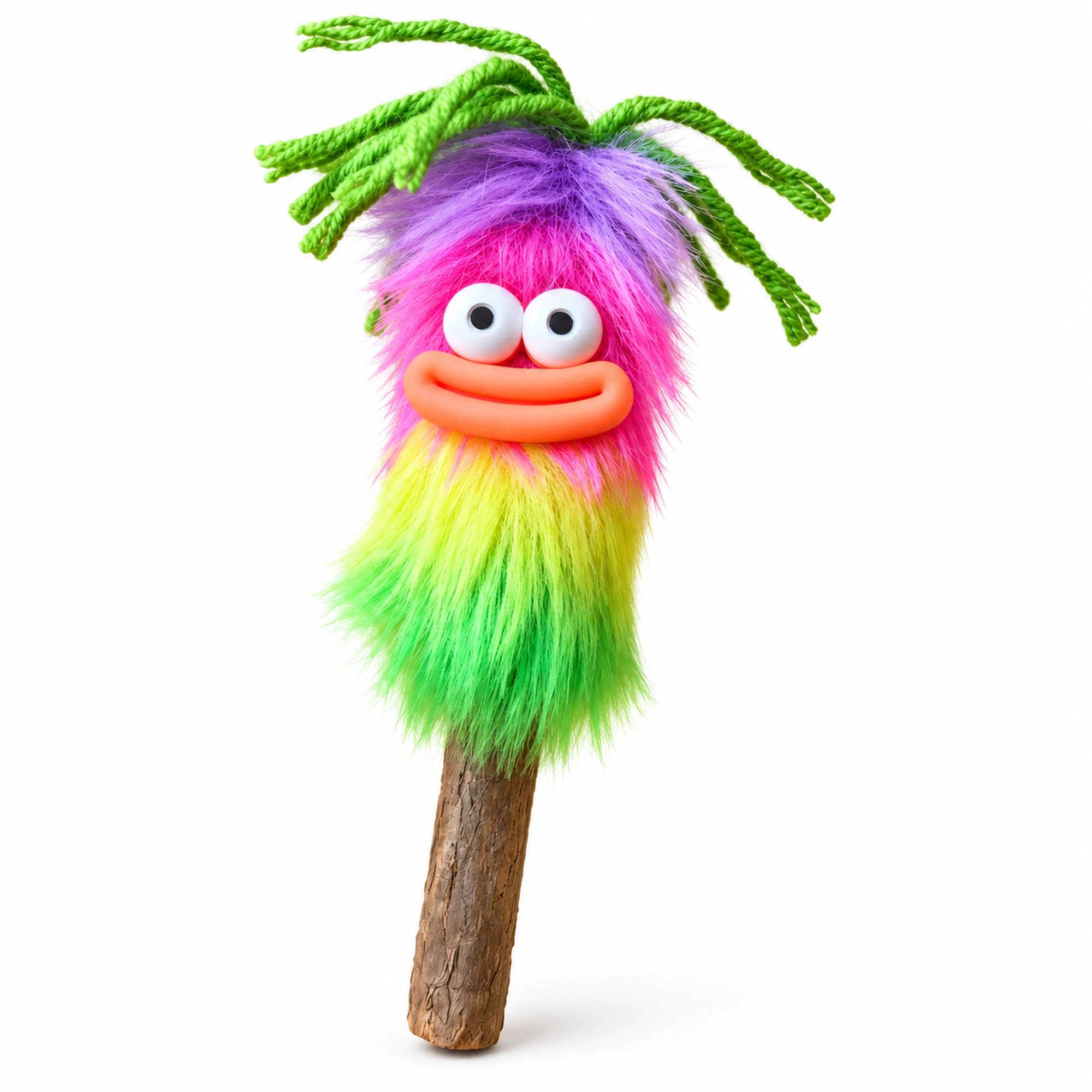
Cat Toys for Kittens vs Adult Cats: Choosing the Right Play Mechanics
Compare feline developmental milestones and play mechanics for kittens versus adult cats. Learn how to choose safe, age-appropriate toys that stimulate predatory instincts.

GUIDES
Practical answers about dog and cat play — how puzzle feeders, snuffle mats, wand toys, and chew games fit into everyday routines, grounded in veterinary and training sources.
125 guides
Compare feline developmental milestones and play mechanics for kittens versus adult cats. Learn how to choose safe, age-appropriate toys that stimulate predatory instincts.
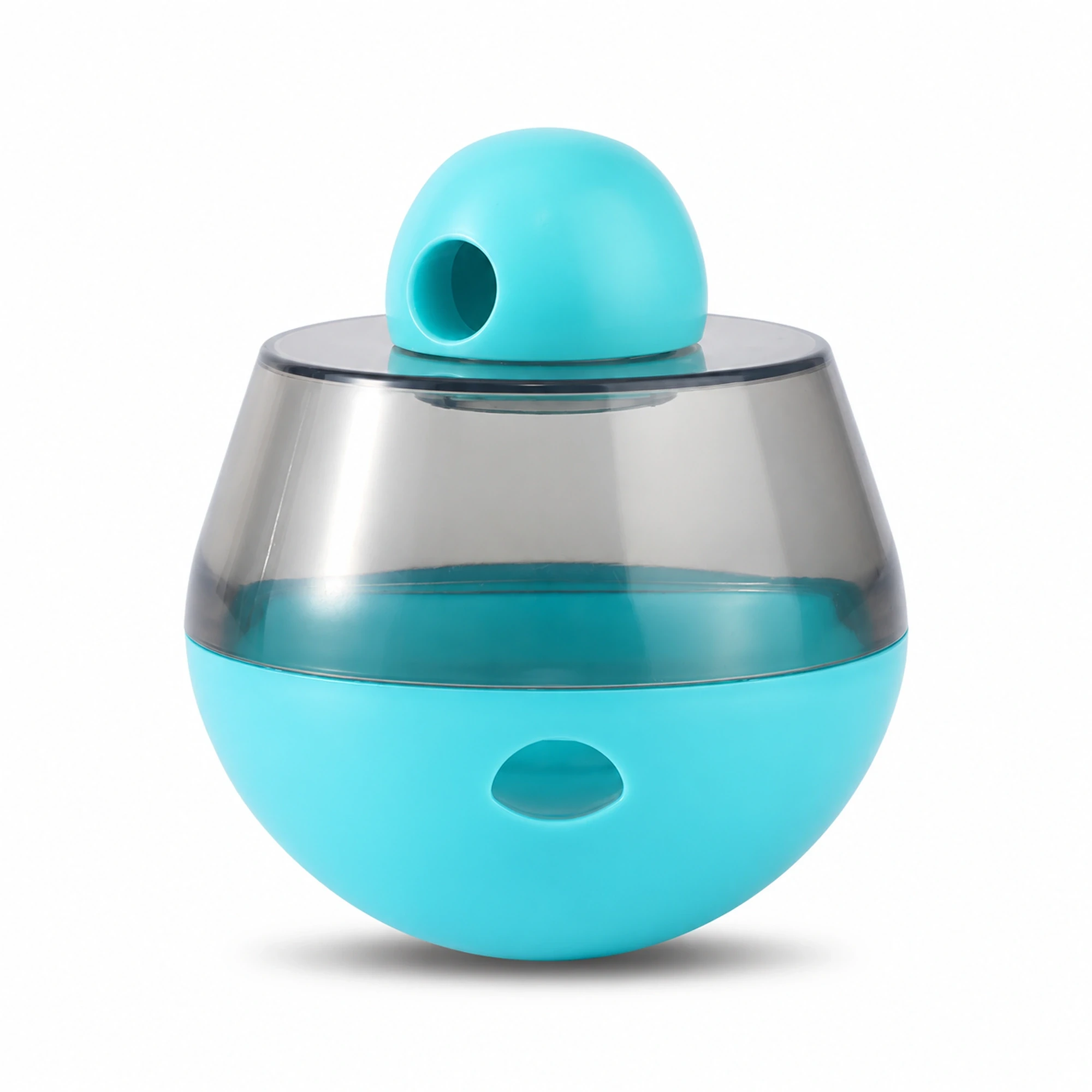
Learn how to match kibble and treat dimensions to dog treat dispensing toys. Compare flexible TPR cutouts, wobble tumblers, and adjustable slider mechanisms.
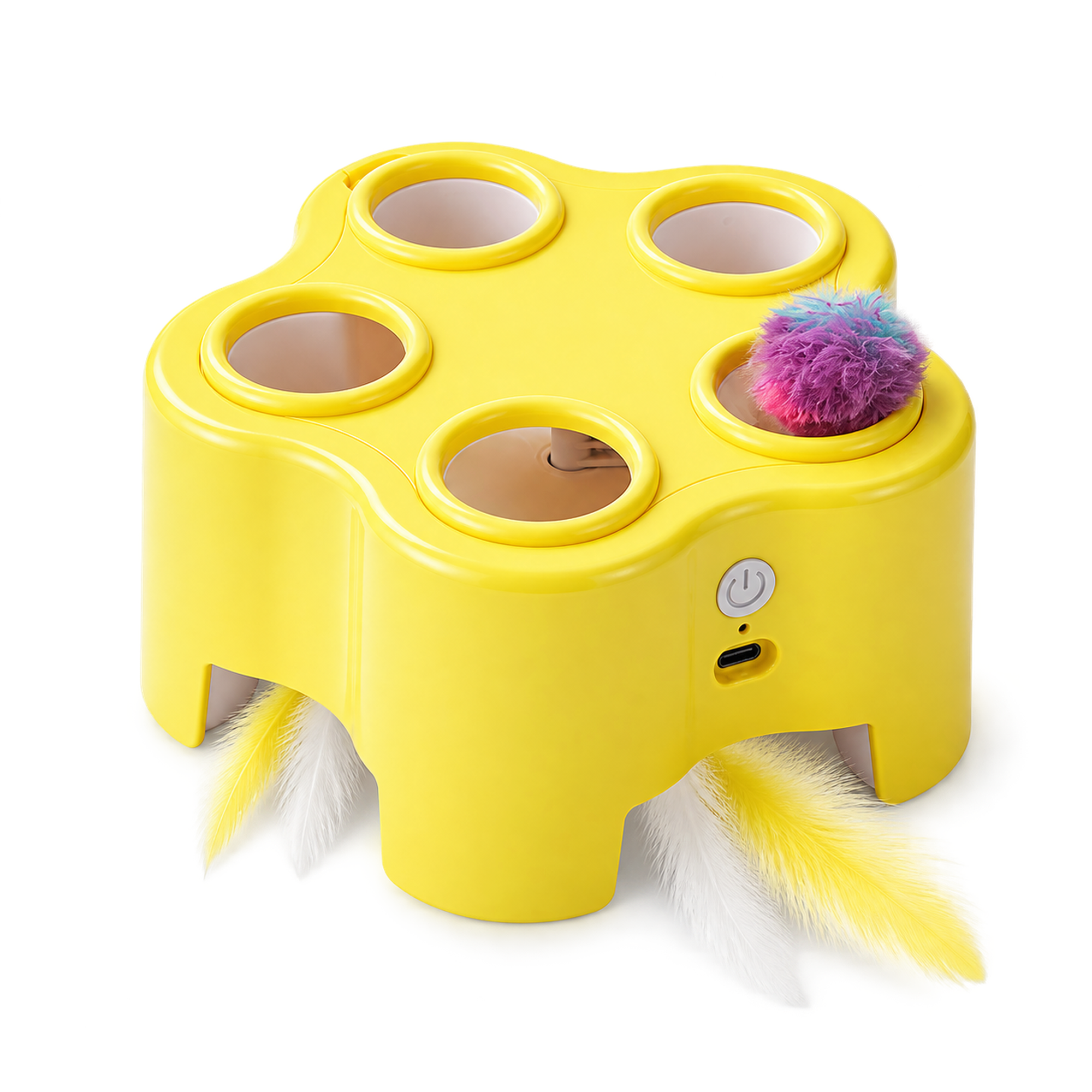
Discover why cats ignore stationary toys, how toy fatigue and sensory habituation occur, and how interactive pop-up and hanging teasers revive hunting drive.
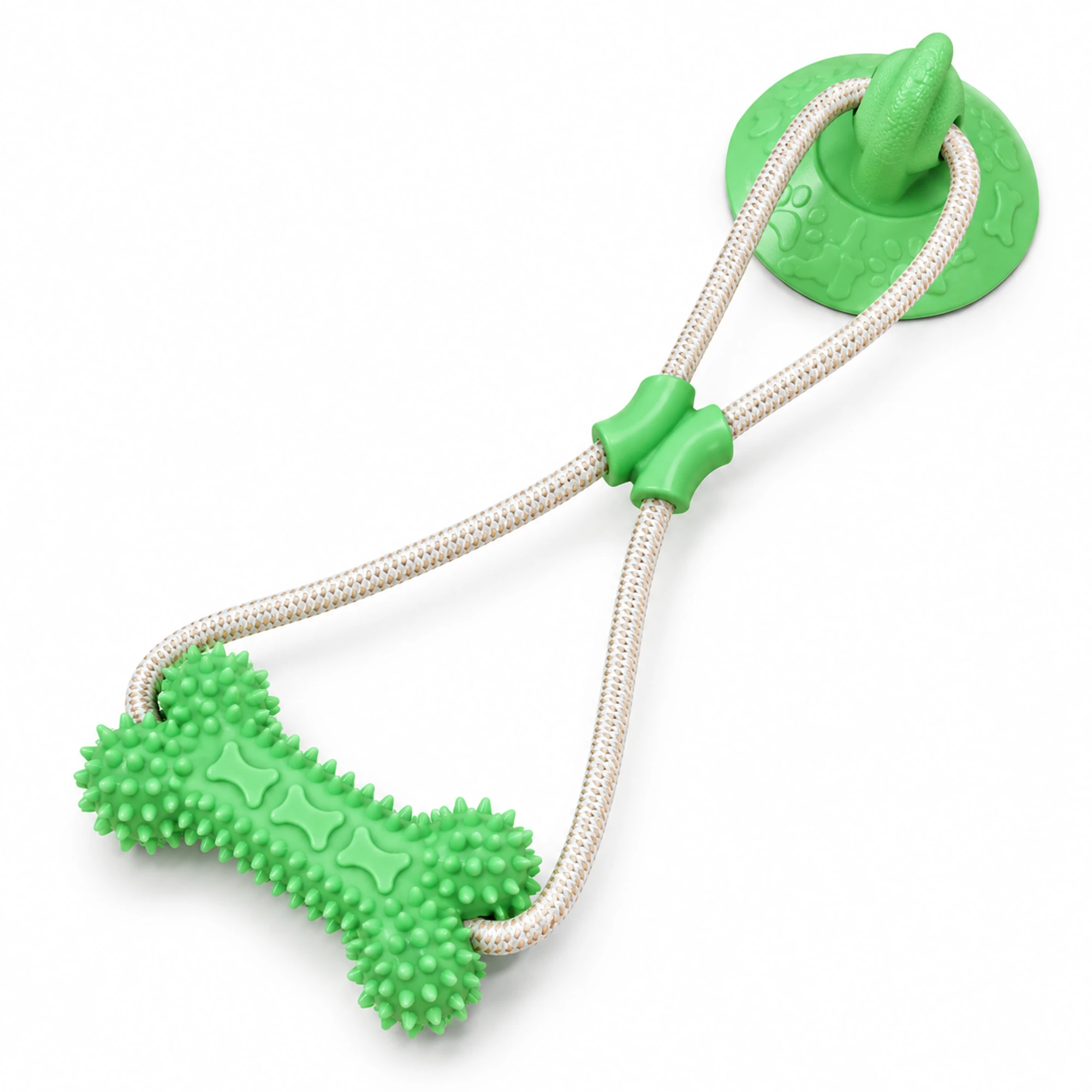
Establish safe shared household rules for children and family pets around toys, preventing resource guarding, toy mix-ups, and accidental injuries.
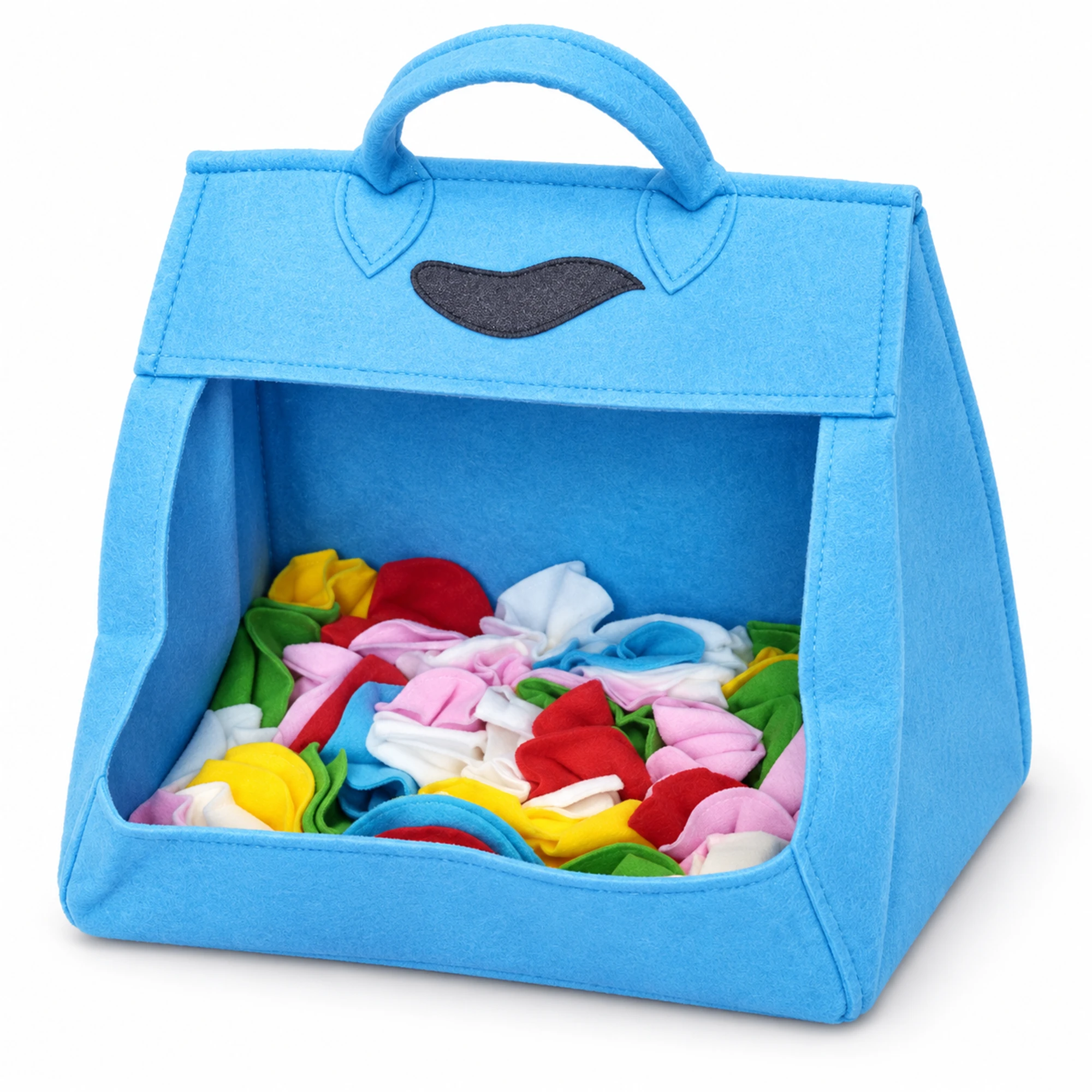
Master clutter-free pet toy storage with structured weekly rotation baskets, hygienic cleaning routines, and smart bins that keep dogs and cats excited.
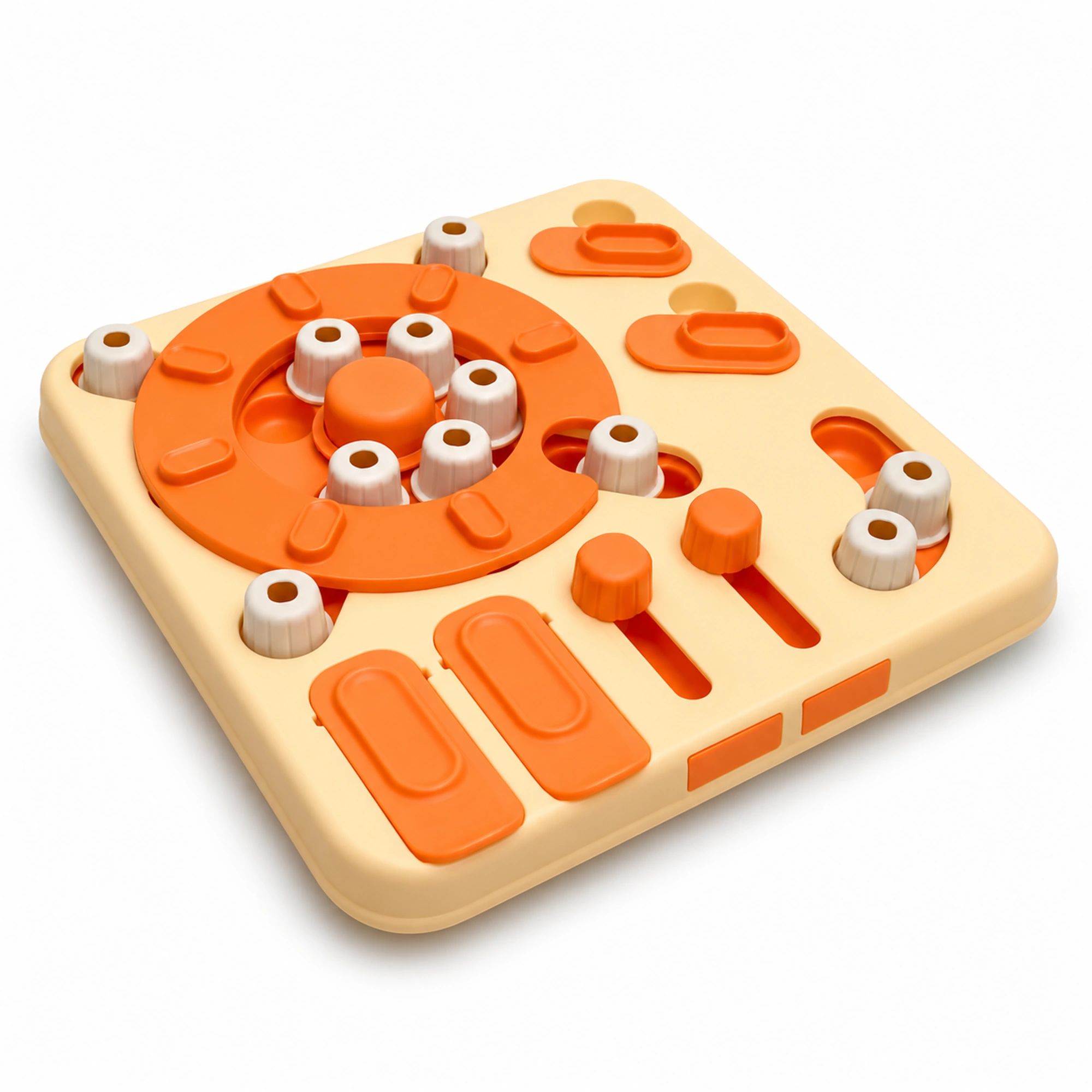
Discover the best pet toy gifts for first-time dog and cat owners, featuring durable chews, mental enrichment puzzles, and interactive play gear.
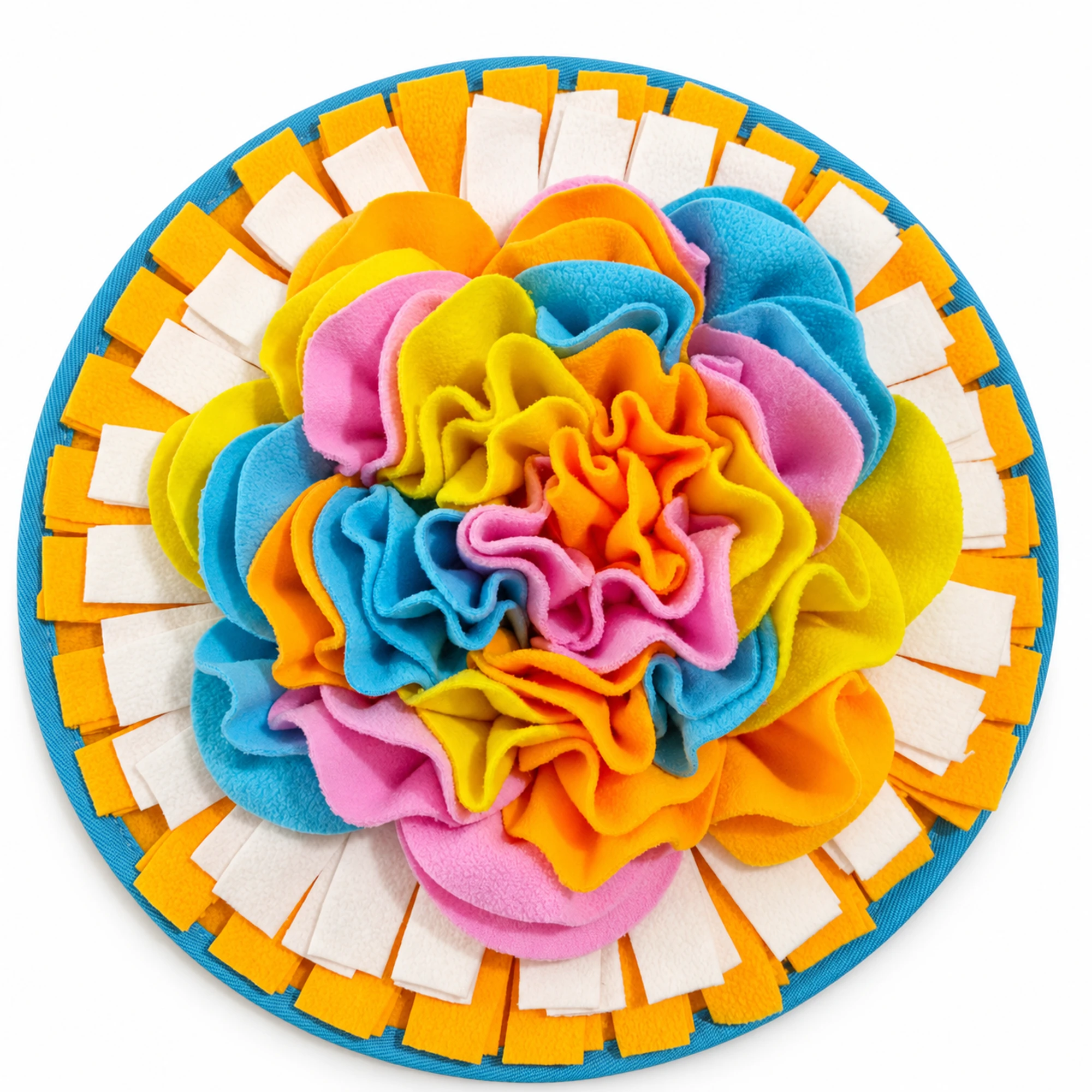
Help anxious dogs and fearful cats overcome toy neophobia with gradual desensitization, low-pressure scent introduction, and rewarding play routines.
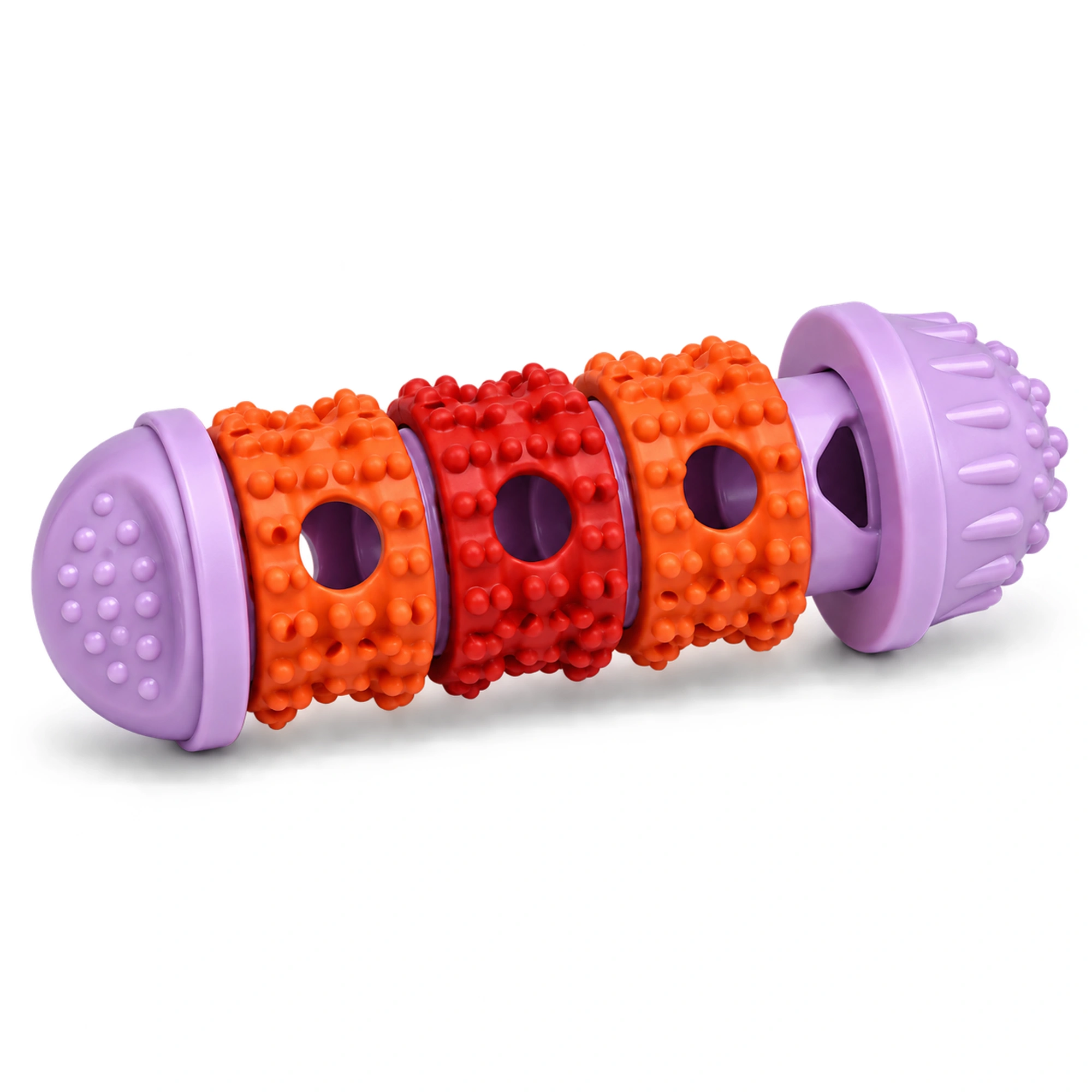
Discover quiet, non-rolling travel pet toys, calming chew rings, and compact foraging mats designed to keep pets relaxed and secure during road trips.

An objective behavioral and mechanical evaluation of motorized cat toys, examining self-rolling spheres, pop-out feather boxes, and automated clamp wands.
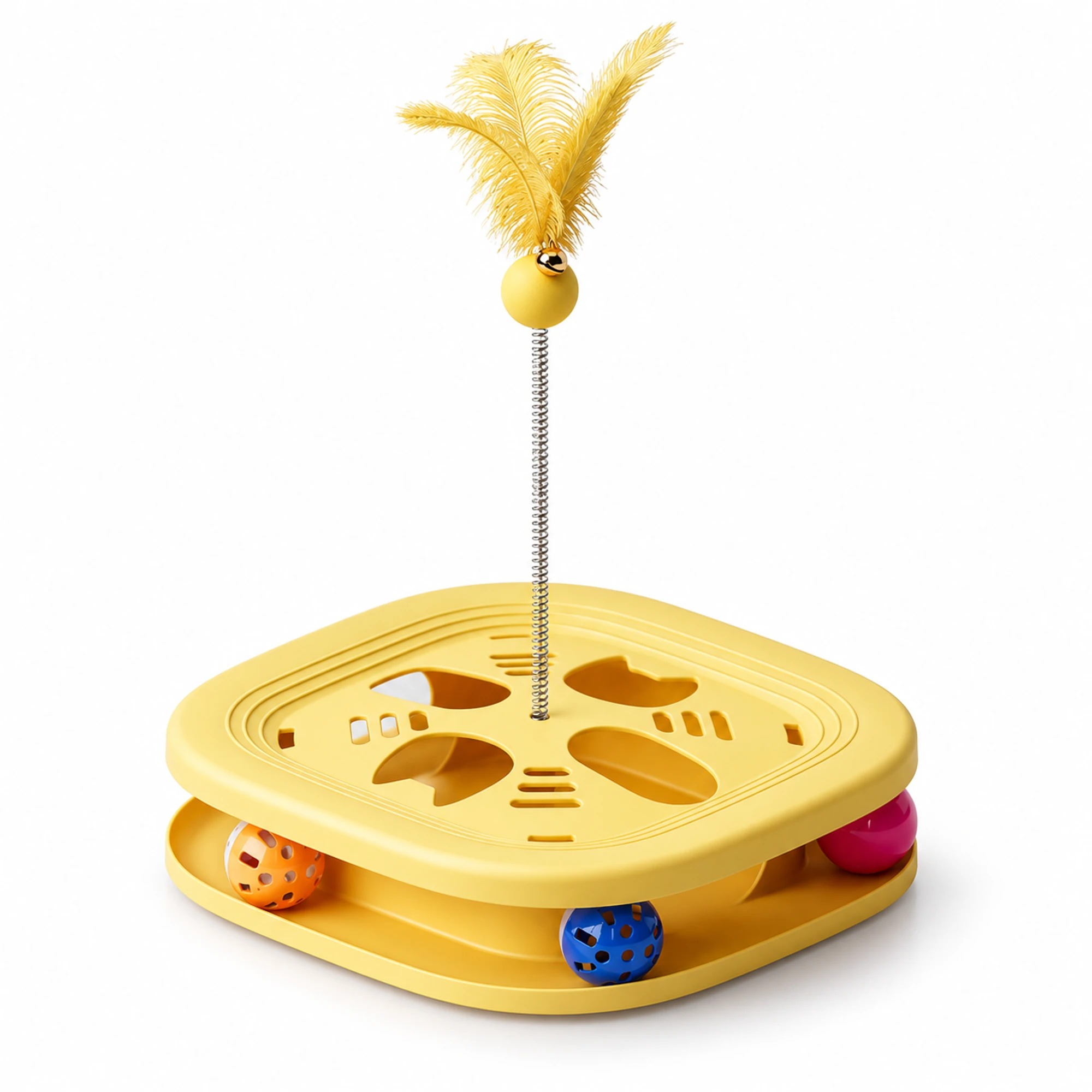
Understand the vital safety differences between avian and canine toys, including metal toxicities, bite mechanics, and why cross-species toy sharing is dangerous.
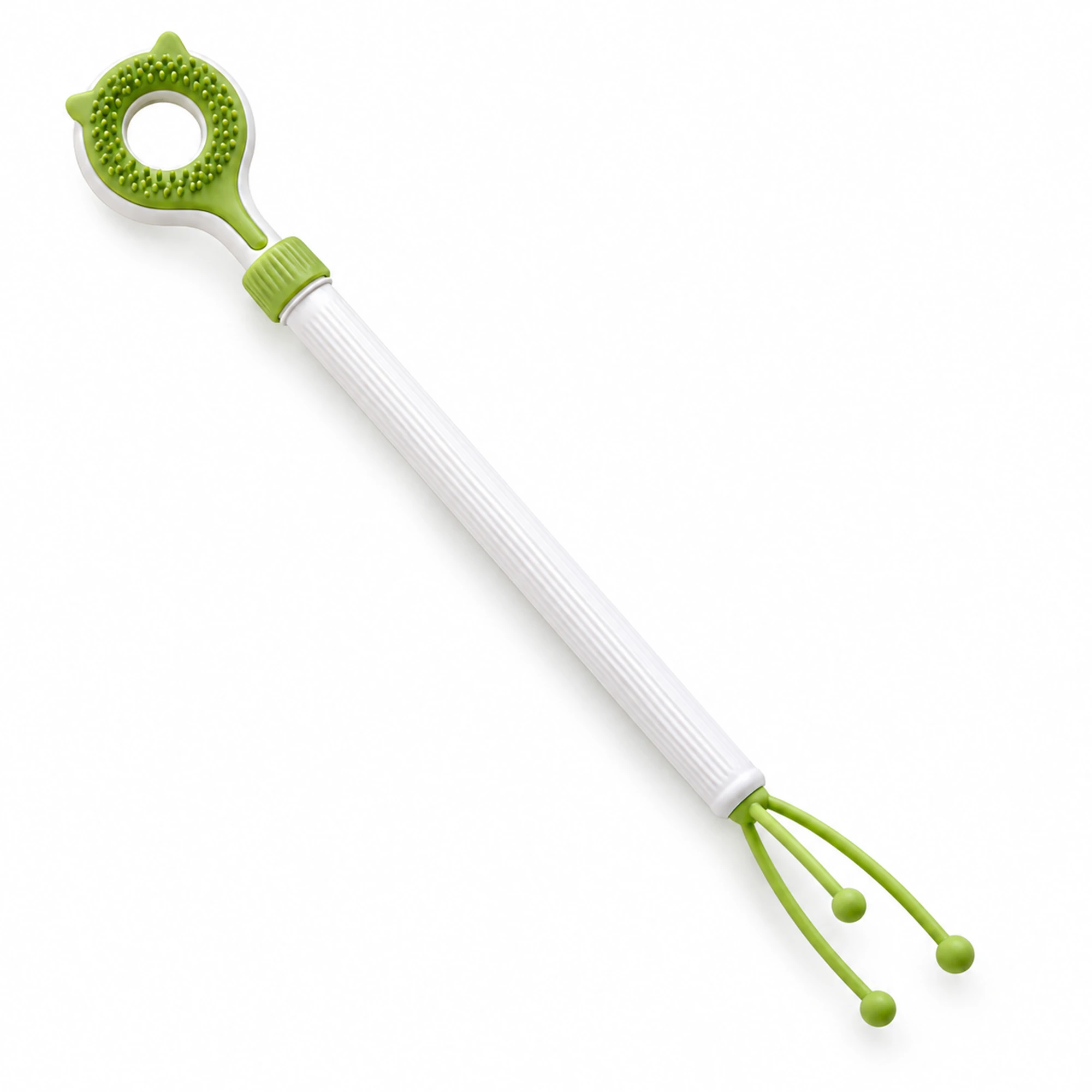
Learn why active supervision during cat string toy play is essential to prevent dangerous linear foreign body ingestion, cord entanglement, and injuries.
Build a structured daily pet play schedule with morning sprints, midday puzzle foraging, and soothing evening interactive sessions to curb boredom and reduce anxiety.
Learn how to decode pet toy material claims, evaluate rubber, plastics, textiles, and wood, and identify hidden safety factors beyond marketing copy.
Establish a healthy cat toy storage and cleaning routine to sanitize plush, wood, and electronic toys safely while preserving catnip potency.
Discover how auditory cat toys featuring bells, crinkle layers, and gentle rattles activate feline predatory drives while keeping sensitive ears calm.
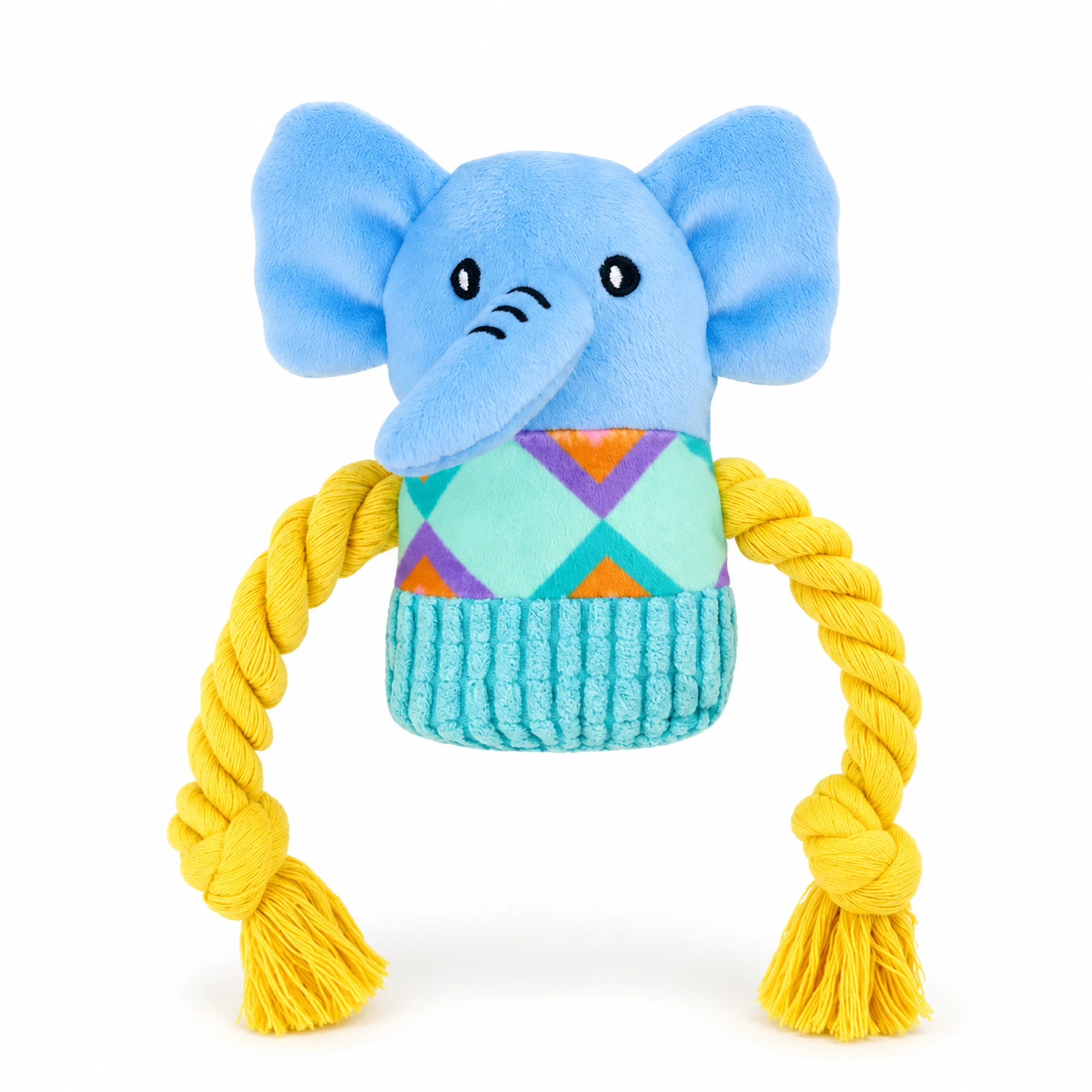
A comprehensive veterinary and behavioral evaluation of plush toys for small pets, detailing stuffing risks, digestive hazards, and safe fabric alternatives.
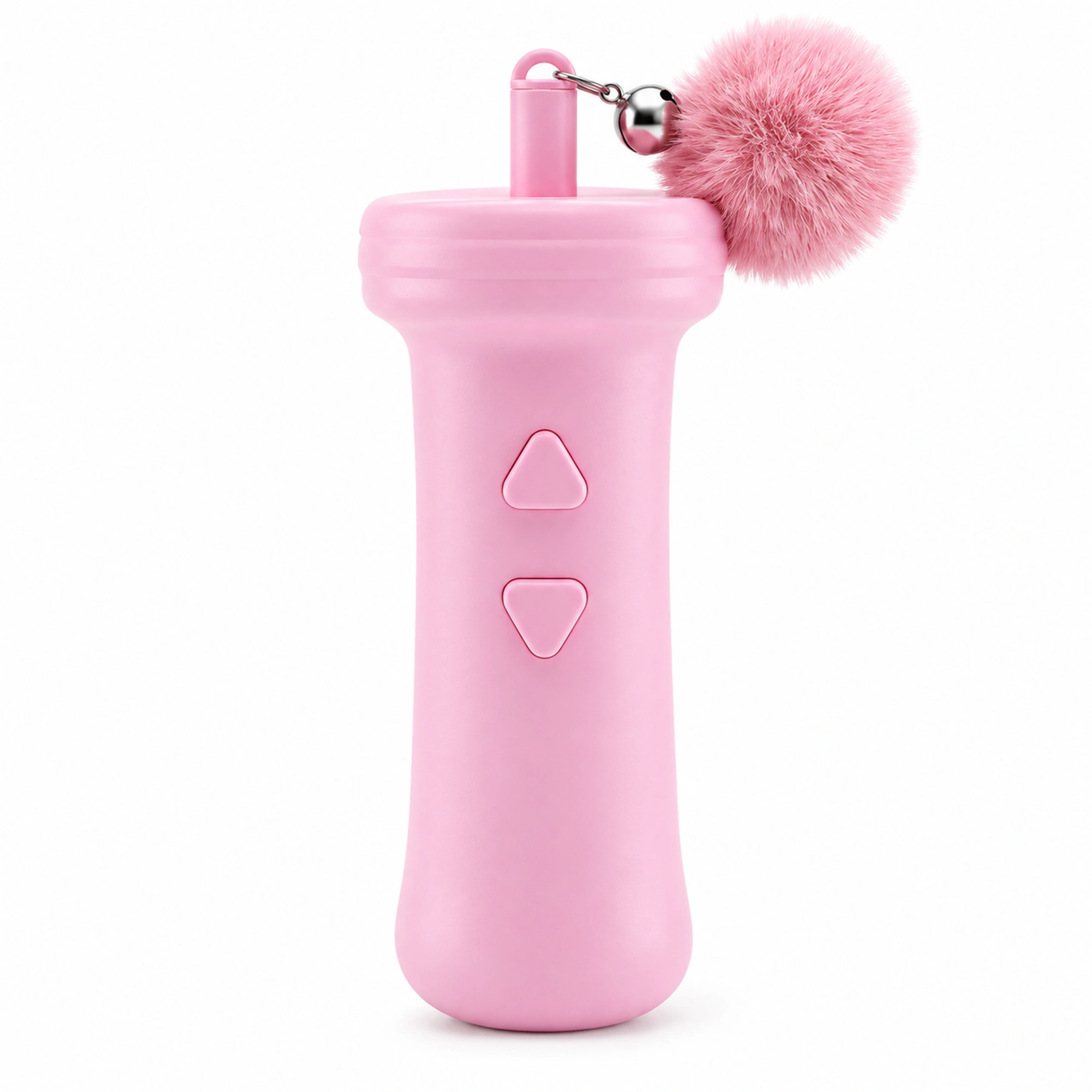
Discover durable, high-impact cat wand toys designed for energetic felines, featuring heavy-duty wire cores, long-range launch reels, and high-speed retrieval gear.
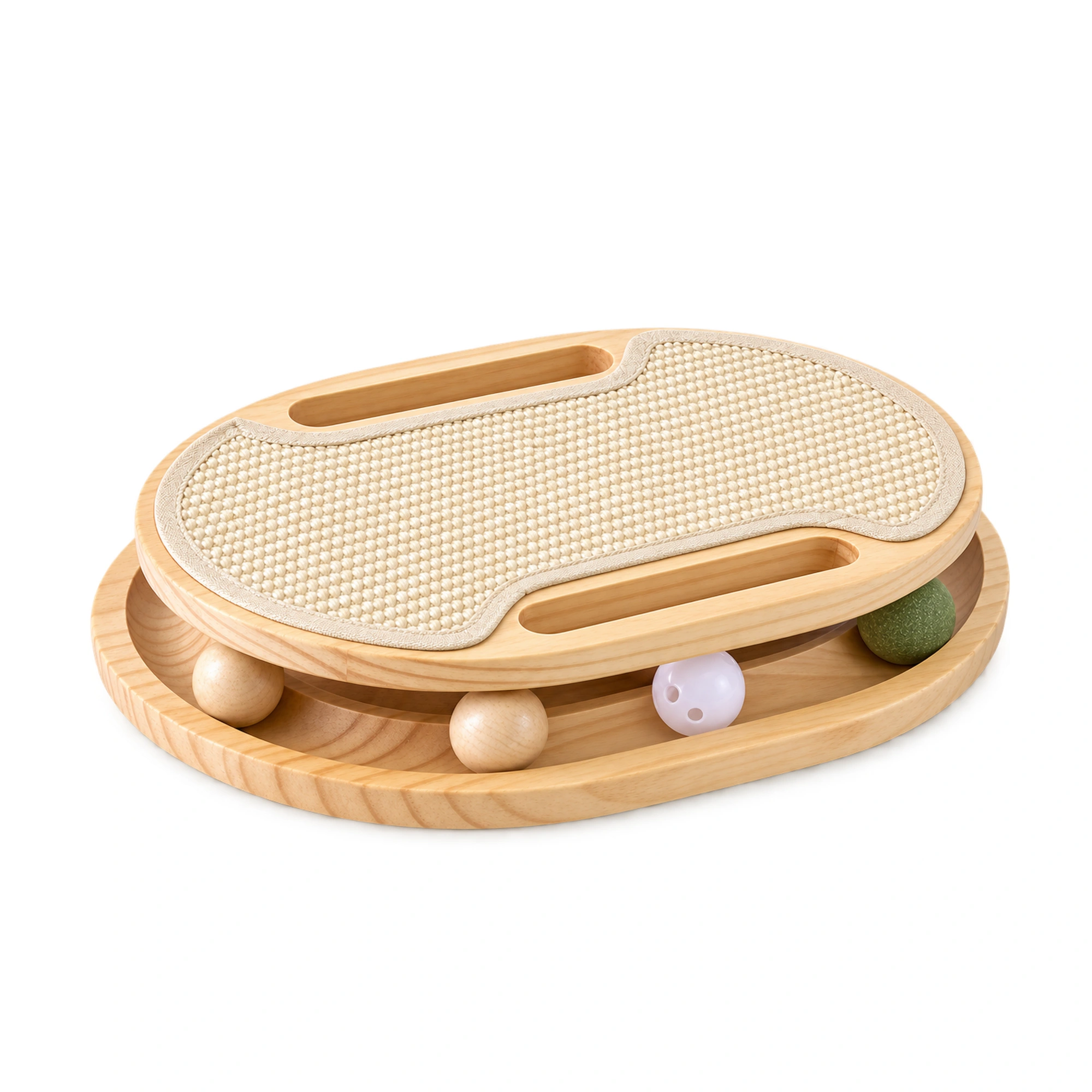
Discover the best quiet cat toys for apartment living that keep energetic indoor cats engaged during late hours without disturbing downstairs neighbors.
Satisfy your cat instinctual urge to stalk, chase, pounce, and bite with targeted enrichment toys designed around authentic feline predatory behaviors.
End 2 AM sprinting episodes and restore peaceful household sleep through structured pre-bedtime hunting routines, motorized chase balls, and post-play meals.
Discover quiet, non-threatening cat toys designed for shy, fearful, or newly adopted cats. Learn how predictable tracks, soft textures, and gentle treat puzzles nurture confidence.
Identify behavioral indicators of feline boredom and revitalize your cat with motorized toys, foraging puzzles, and structured rotation schedules.
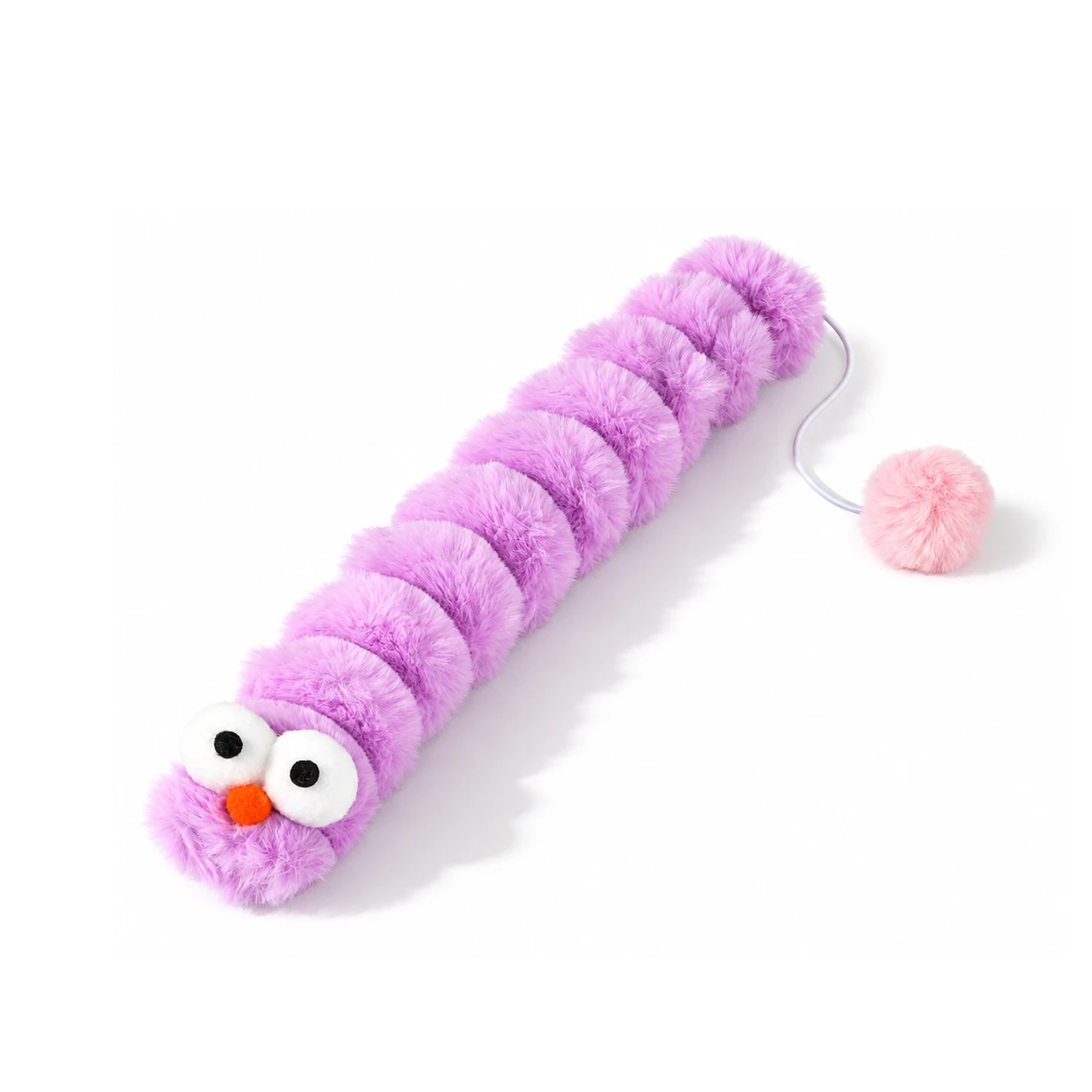
Discover the biological drive behind feline bunny kicking, why elongated cat kicker toys channel predatory energy, and how to select safe plush designs for your pet.
Learn why kittens chew during the teething phase, how textured cat teething toys provide gum relief, and how to protect furniture from destructive biting.
Discover how specialized cat toys for overweight cats spark low impact movement, prevent joint strain, and turn daily feeding into playful physical exercise.
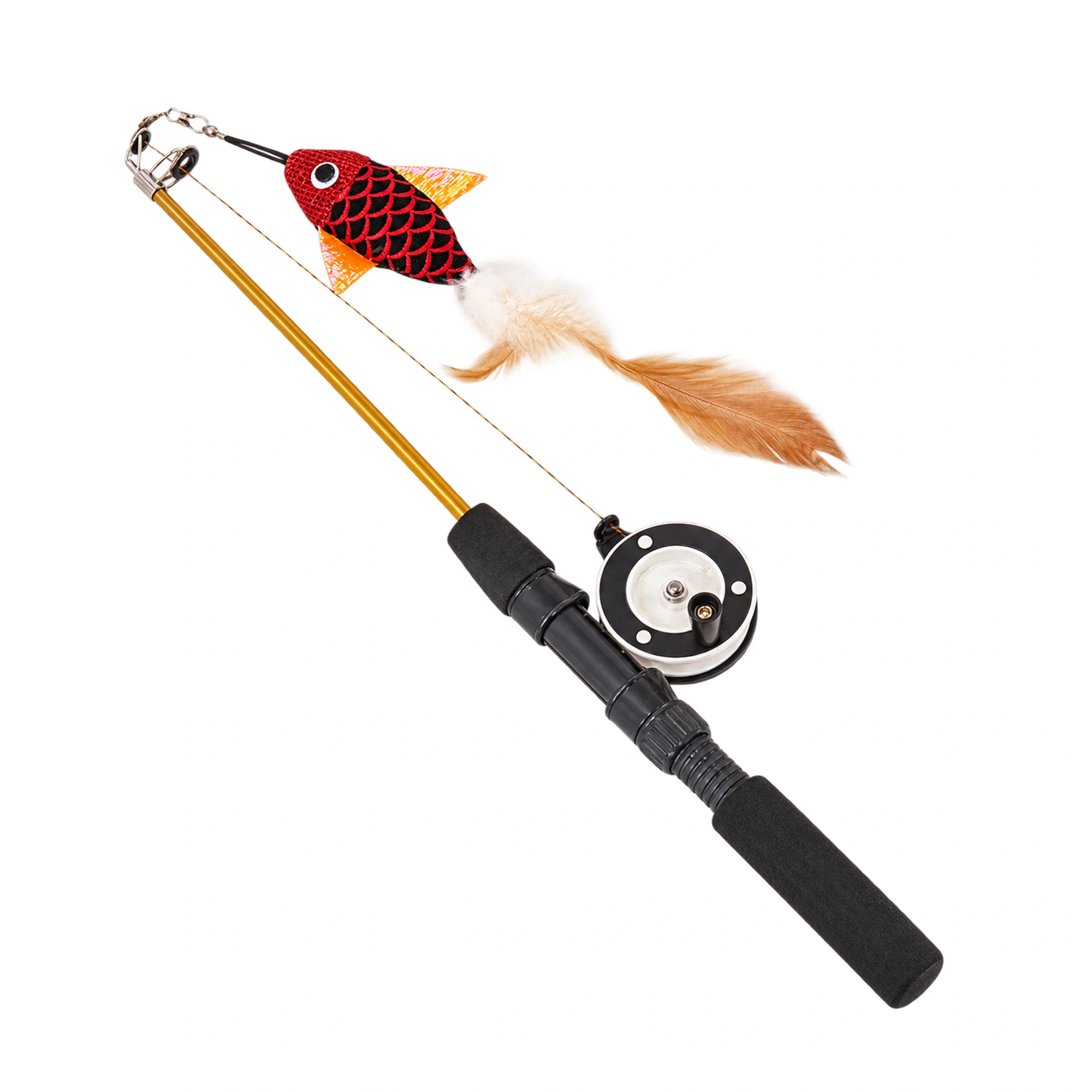
Compare rigid acrylic rods, long wire fliers, spooling fishing reel wands, and motorized clamp teasers to match your feline hunting style and living space.
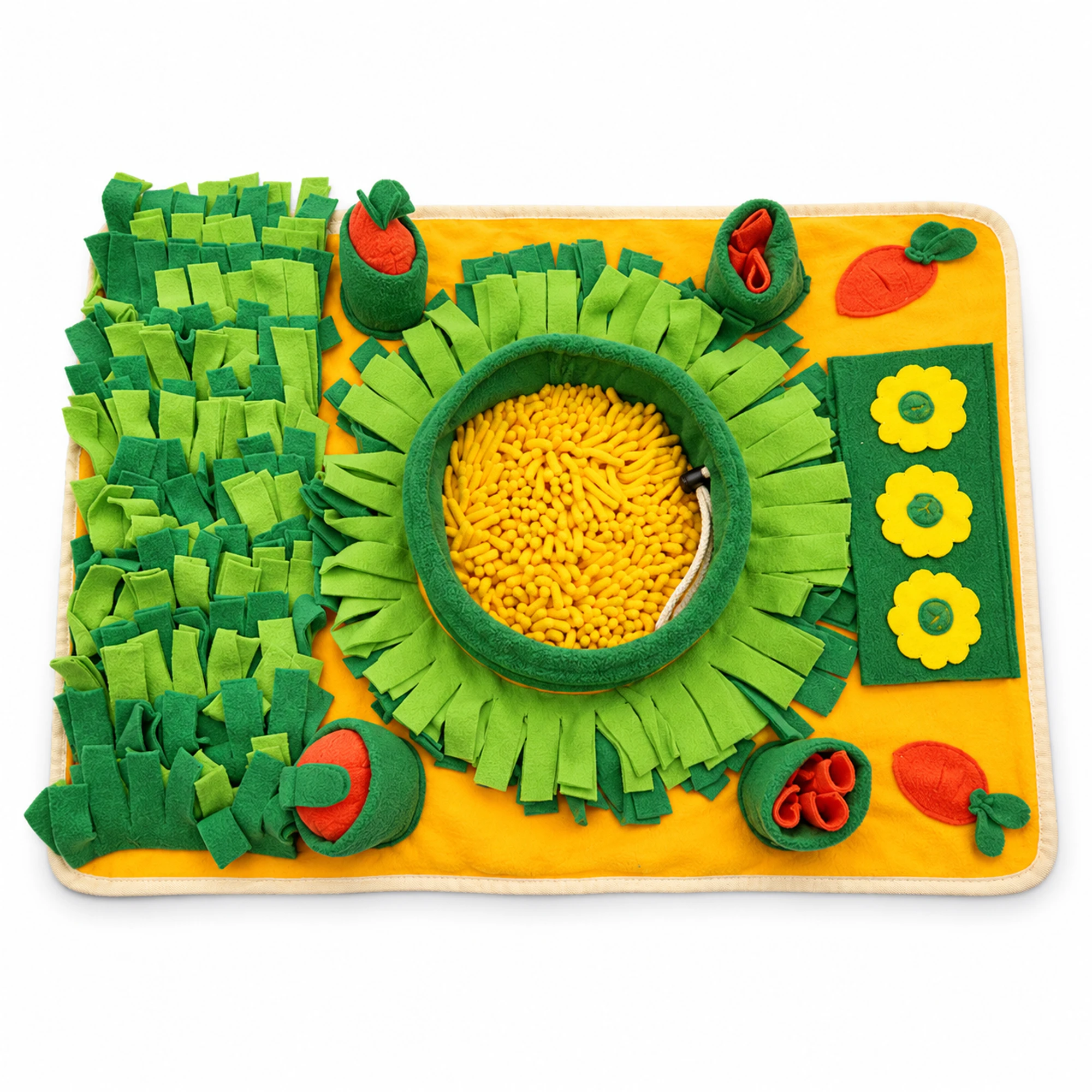
Explore evidence-based enrichment toys for rabbits and guinea pigs, from foraging snuffle mats to safe chew stations that support natural dental and mental health.
Redirect feline climbing energy and protect holiday ornaments using structured play routines, track towers, and interactive alternatives.
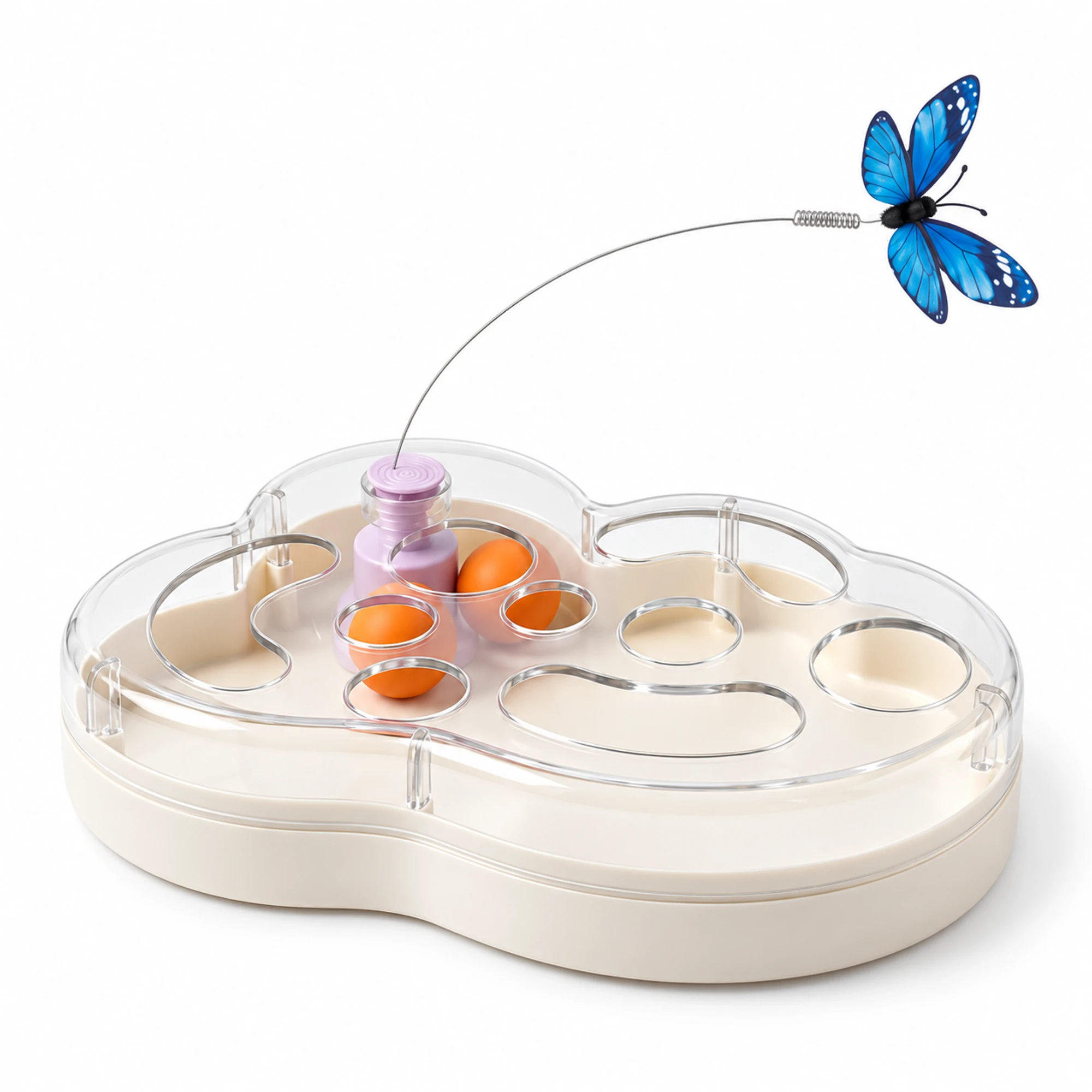
Discover the best self-entertaining cat toys for independent daytime play, including track towers, motion balls, and puzzle boards that prevent boredom while you are away.
Discover the best self-entertaining cat toys for independent daytime play, including track towers, motion balls, and puzzle boards that prevent boredom while you are away.
Learn gentle techniques to help shy or curious cats explore tunnel toys safely with playful rewards and patience.
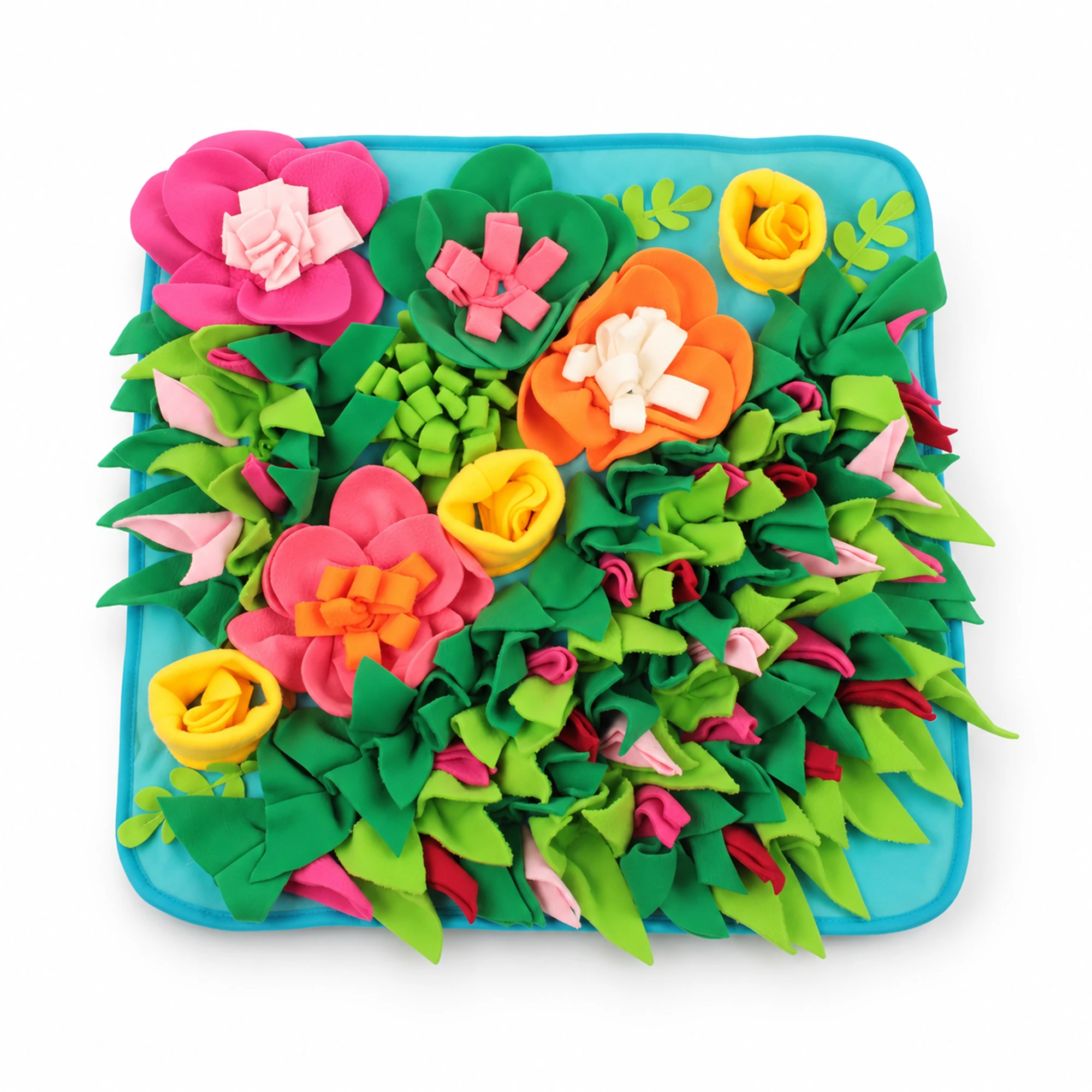
Compare cat slow feeder bowls vs foraging mats. Discover how ridge bowls and flat mats address rapid eating, vomiting after meals, and whisker fatigue.
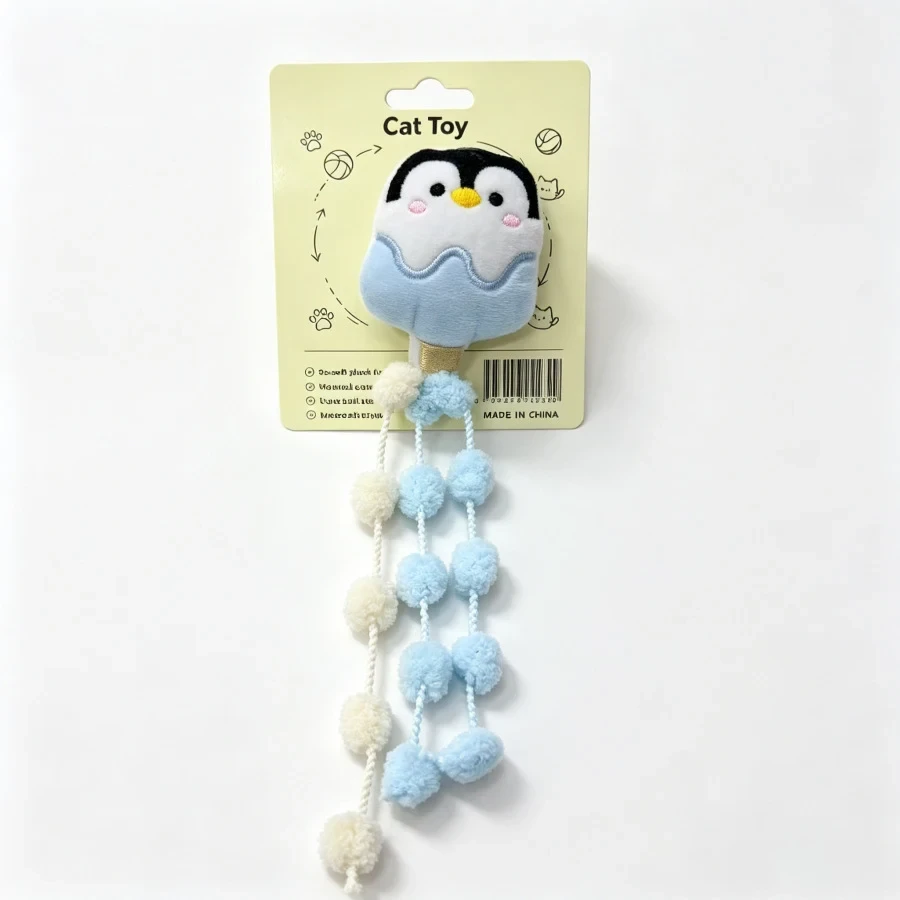
Discover whether catnip toys are safe for cats and kittens. Learn about nepetalactone, physical toy hazards, kicker seam risks, and safe play alternatives.
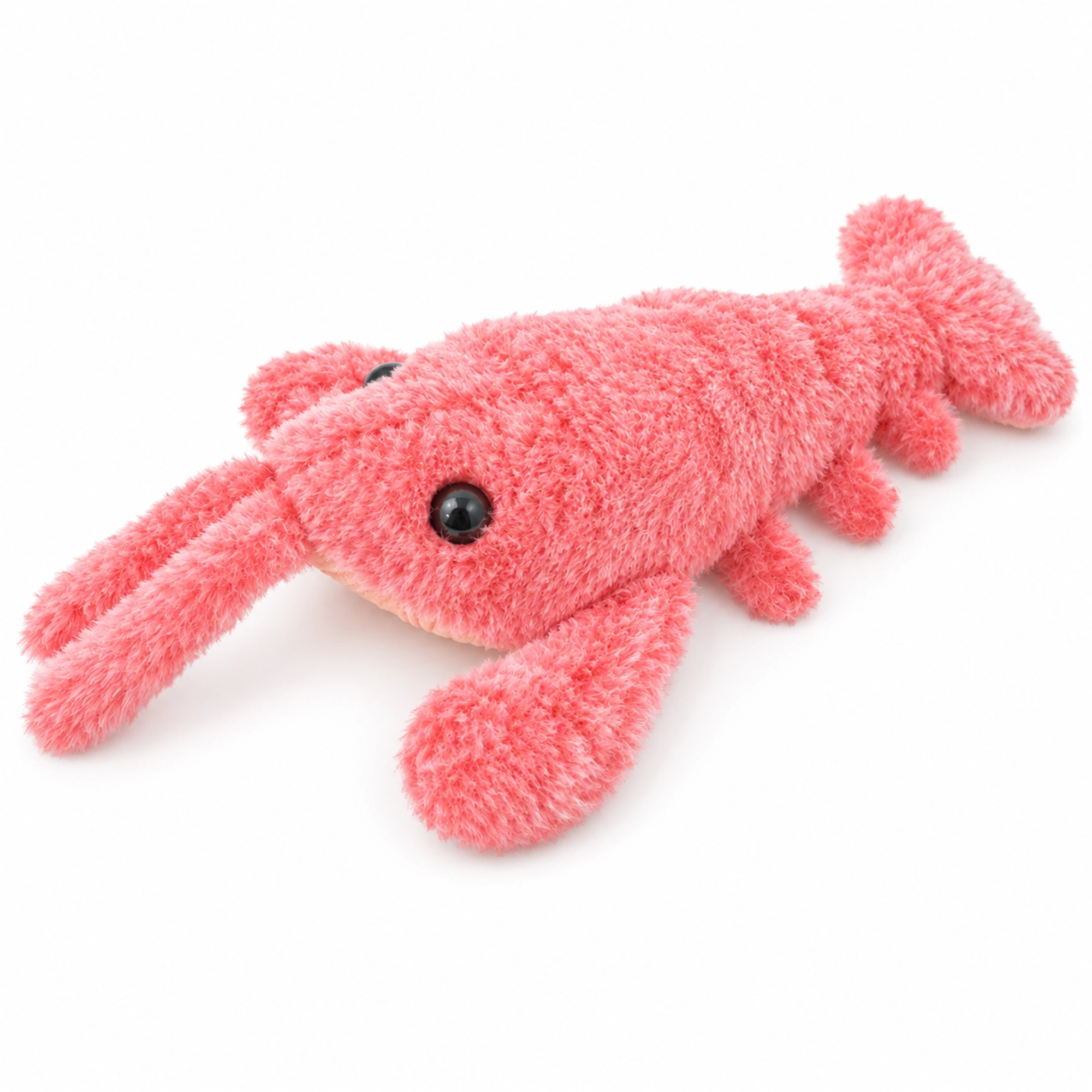
Learn why uncatchable laser dots frustrate cats and follow a practical routine to finish laser play sessions with tangible catch toys and food rewards.
Discover gentle cat toys for senior cats. Learn how low-profile floor tracks and captive ball towers accommodate arthritis while keeping aging felines engaged.
Learn how long to play with your cat each day. Discover why two 10 to 15 minute sessions beat marathon play, and how to balance interactive wands with solo enrichment tracks.
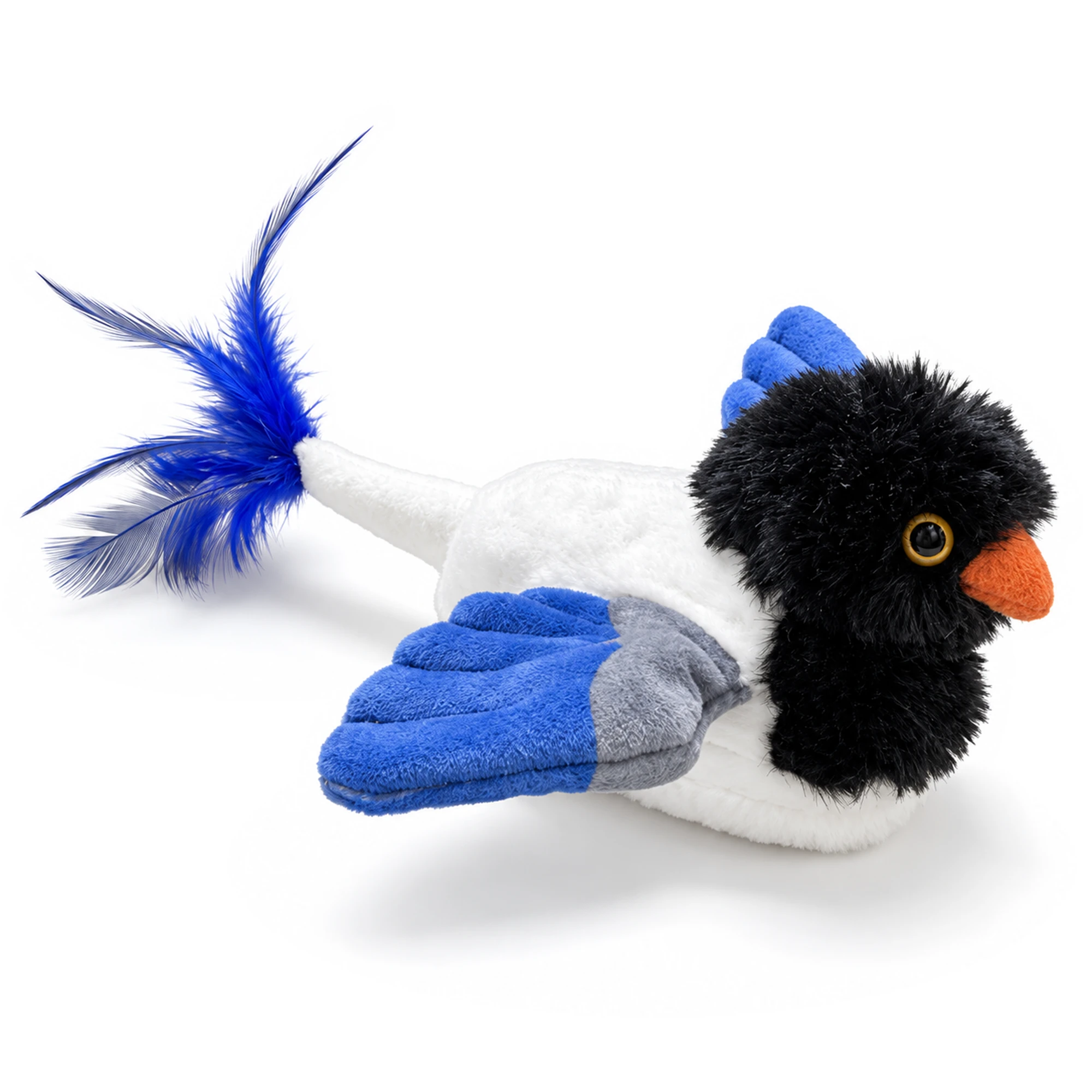
Understand why cats bite during play, recognize subtle overstimulation warning cues, and use practical toy redirection to protect your hands.
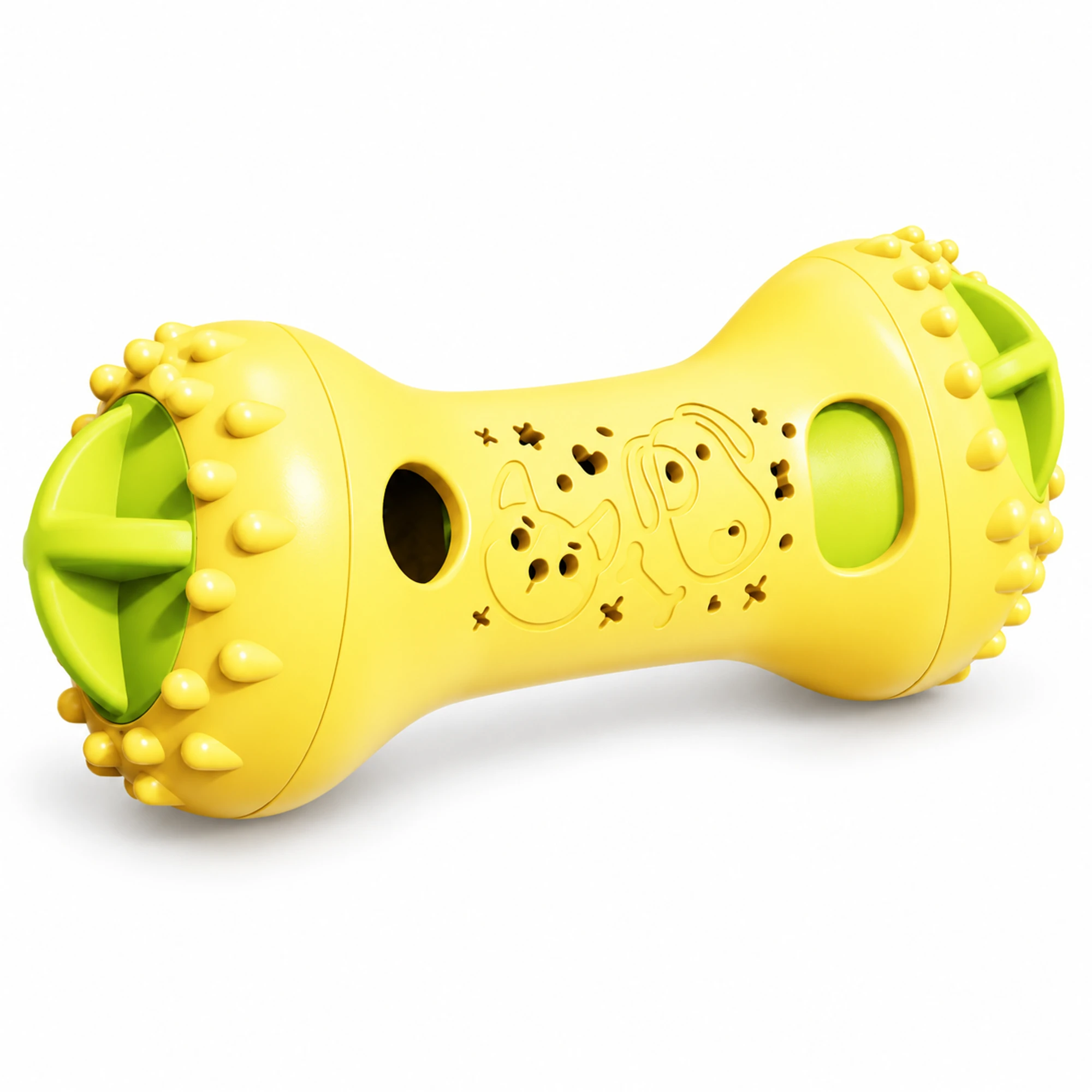
Learn how to stop a dog from swallowing toy pieces. Discover predatory chew instincts, the trade-up protocol, early wear signals, and safe treat dispensers.
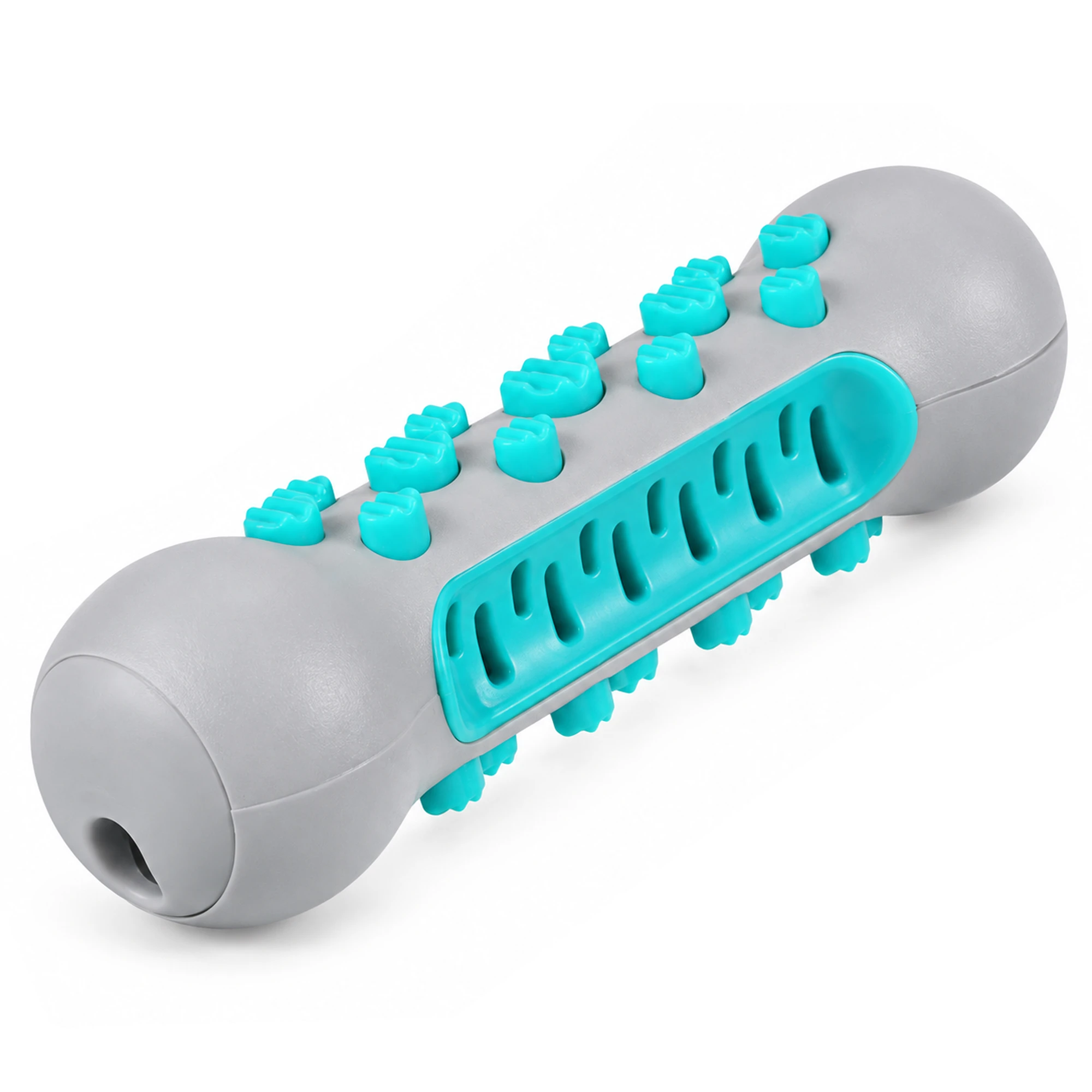
Essential pre-purchase dog toy safety checklist. Discover how to inspect material non-toxicity, evaluate airway sizing, and choose safe mechanical toys.
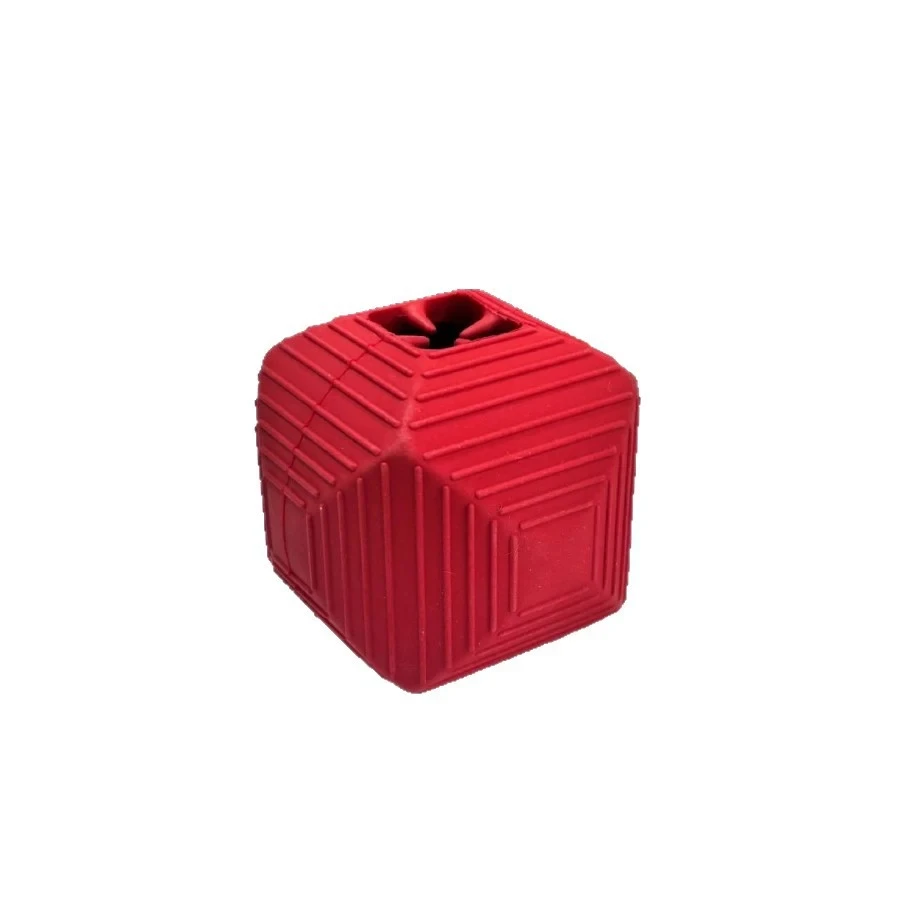
Learn how to choose safe chew toys for heavy chewers. Discover why rock-hard chews fracture teeth, the thumbnail test, and durable rubber alternatives.
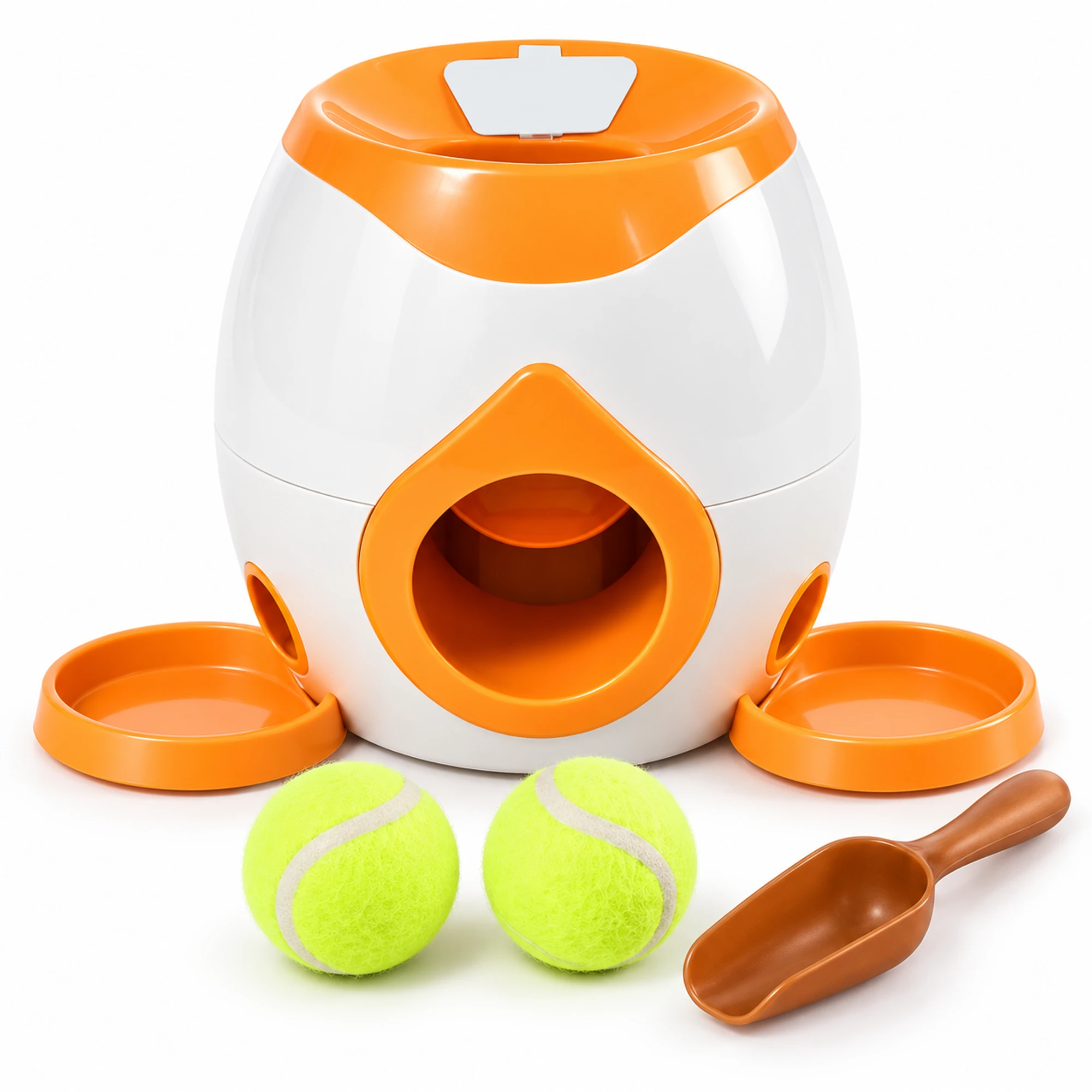
Keep dogs engaged while alone with self play dog toys. Explore manual ball return stations, rechargeable rolling balls, suction tugs, and solo enrichment.
Learn exact wear signs, material structural failure points, and safety rules for when to retire and throw away damaged dog toys.
Discover why dogs love squeaky toys through canine predatory instincts, acoustic dopamine loops, and safe plush squeaker toys and burrow puzzles.
Discover why veterinary dentists warn against tennis balls for dogs, how abrasive felt causes blunting, and explore safer rubber fetch alternatives.
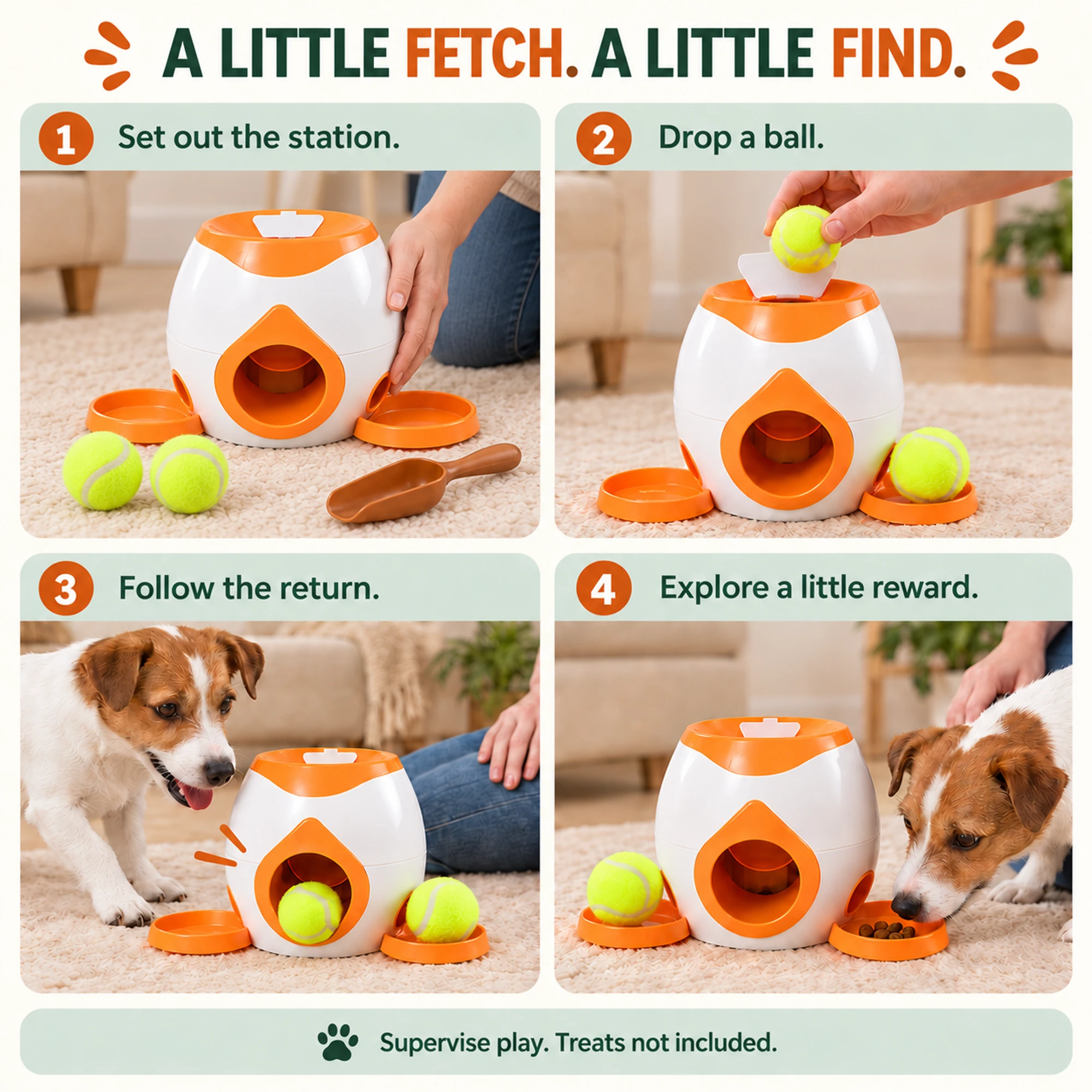
Learn how to tire out a dog indoors without running. Combine manual ball return with calming fleece snuffle mat foraging for full canine enrichment.
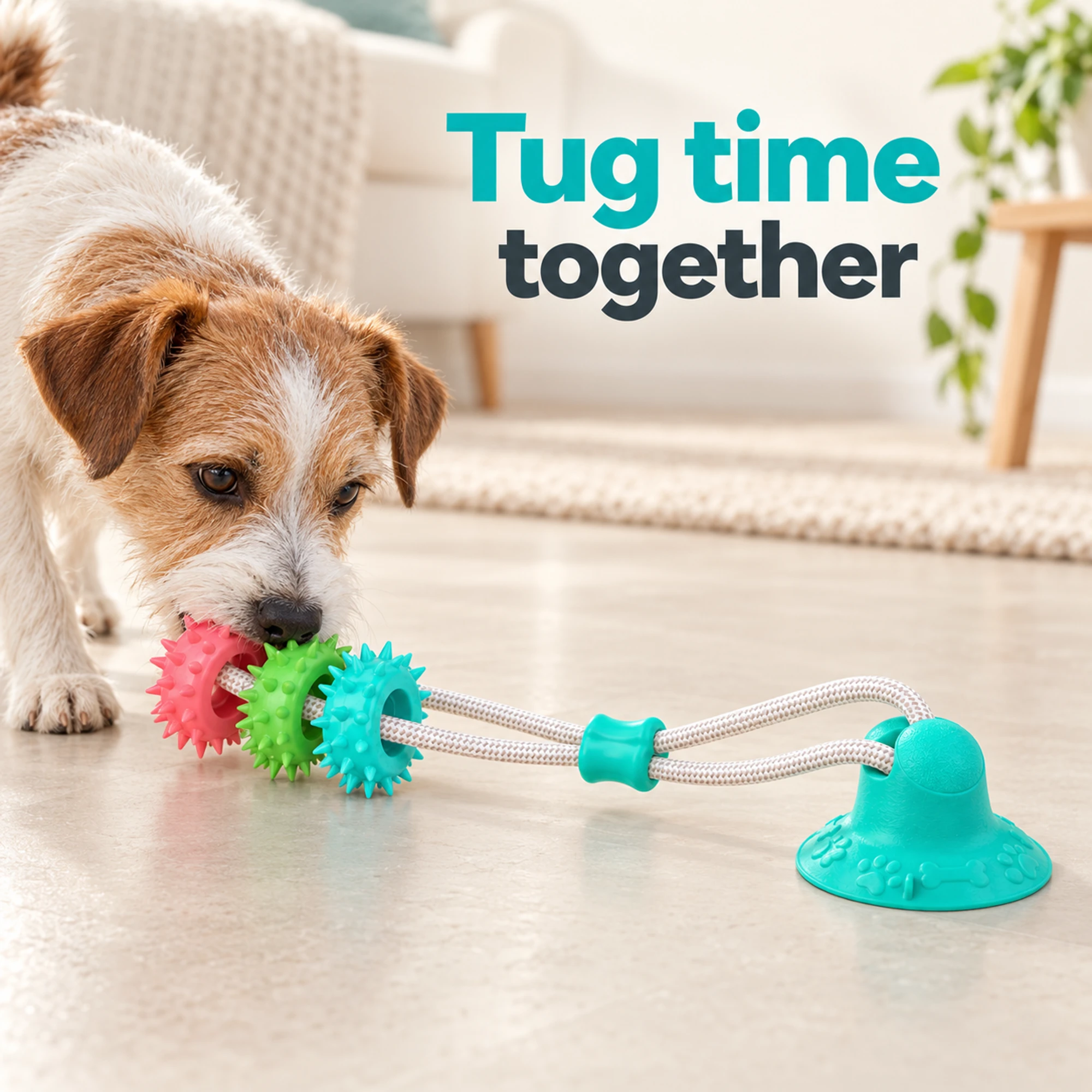
Keep energetic dogs calm during storms with indoor games for dogs on rainy days using high grip suction tug and multi layer fabric scent work.
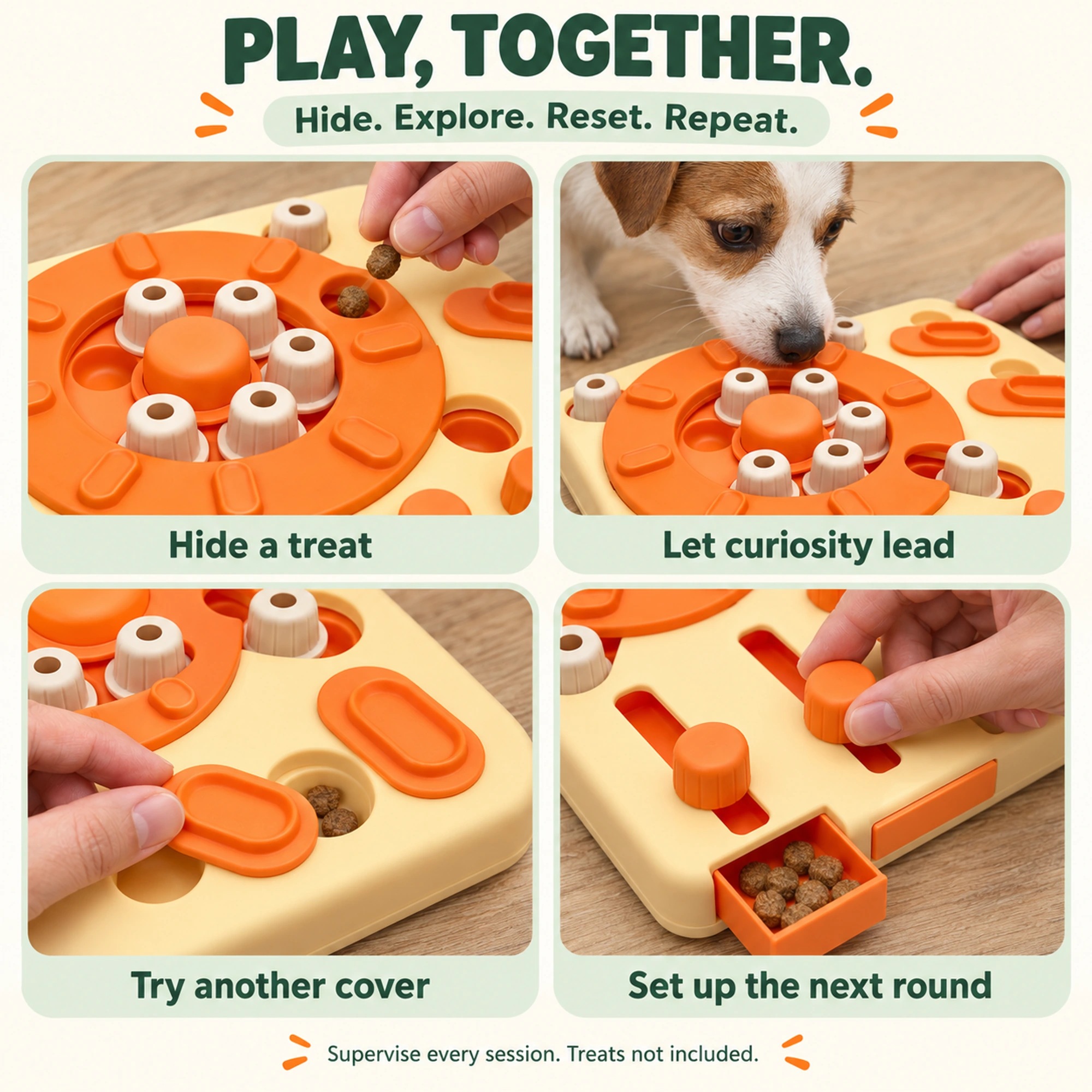
Discover how to match mental stimulation toys to your dog energy level, from soothing snuffle mats to multi-action puzzle boards and rolling treat dispensers.
Explore what interactive toys can and cannot do for canine separation anxiety, from pre-departure scent foraging to safe textured chew rings.
Are dog puzzle toys worth $15 to $30? Compare canine enrichment costs, DIY alternatives, slow feeder benefits, and high-ROI breeds before buying.
Does your dog inhale meals in seconds? Discover why static maze bowls fail against fast eaters, and how mechanical sliders and snuffle bowls slow eating safely.
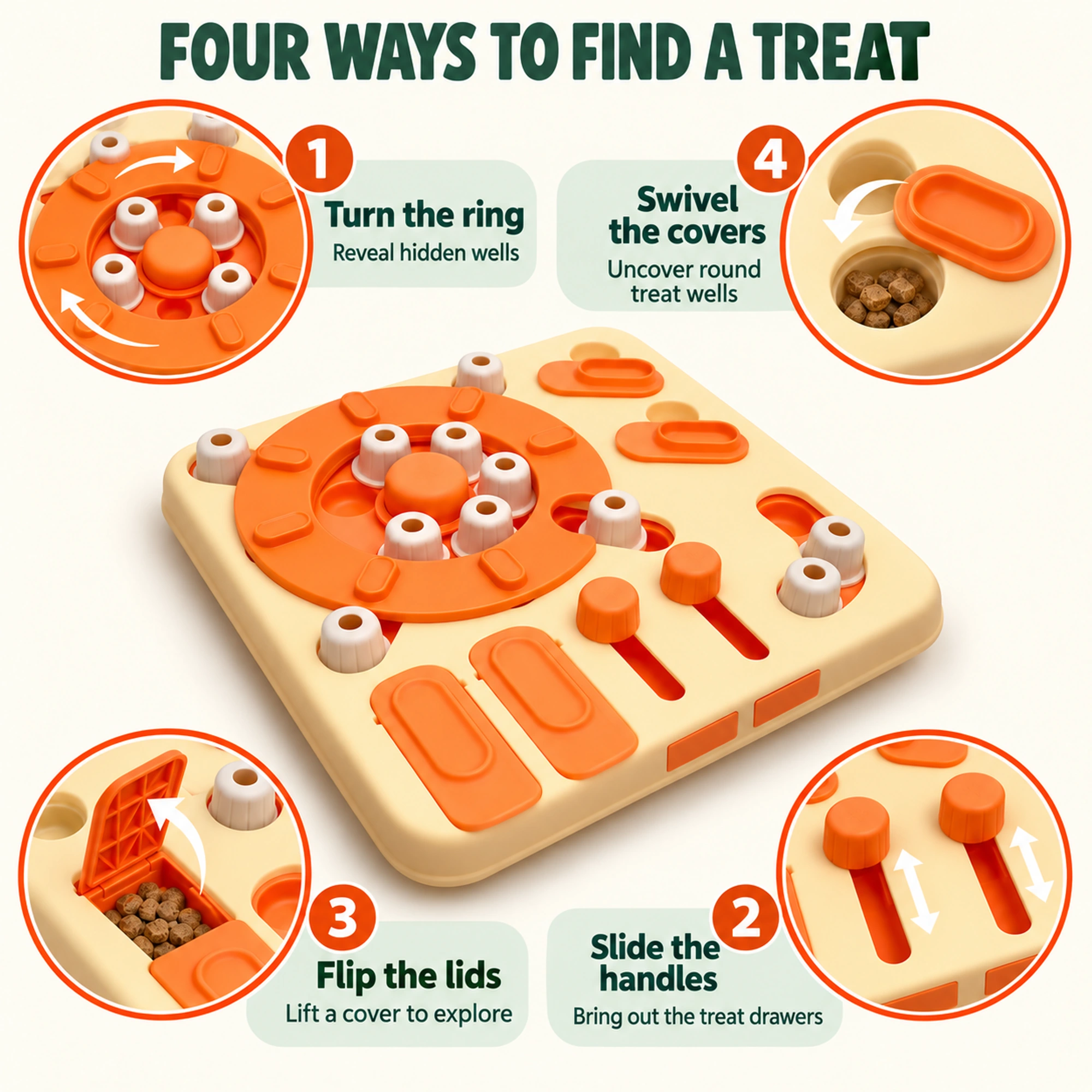
Confused by dog puzzle levels? Learn the mechanical differences between Level 1 to Level 4 toys, diagnose your dog's cognitive style, and use easy scaffolding tips.
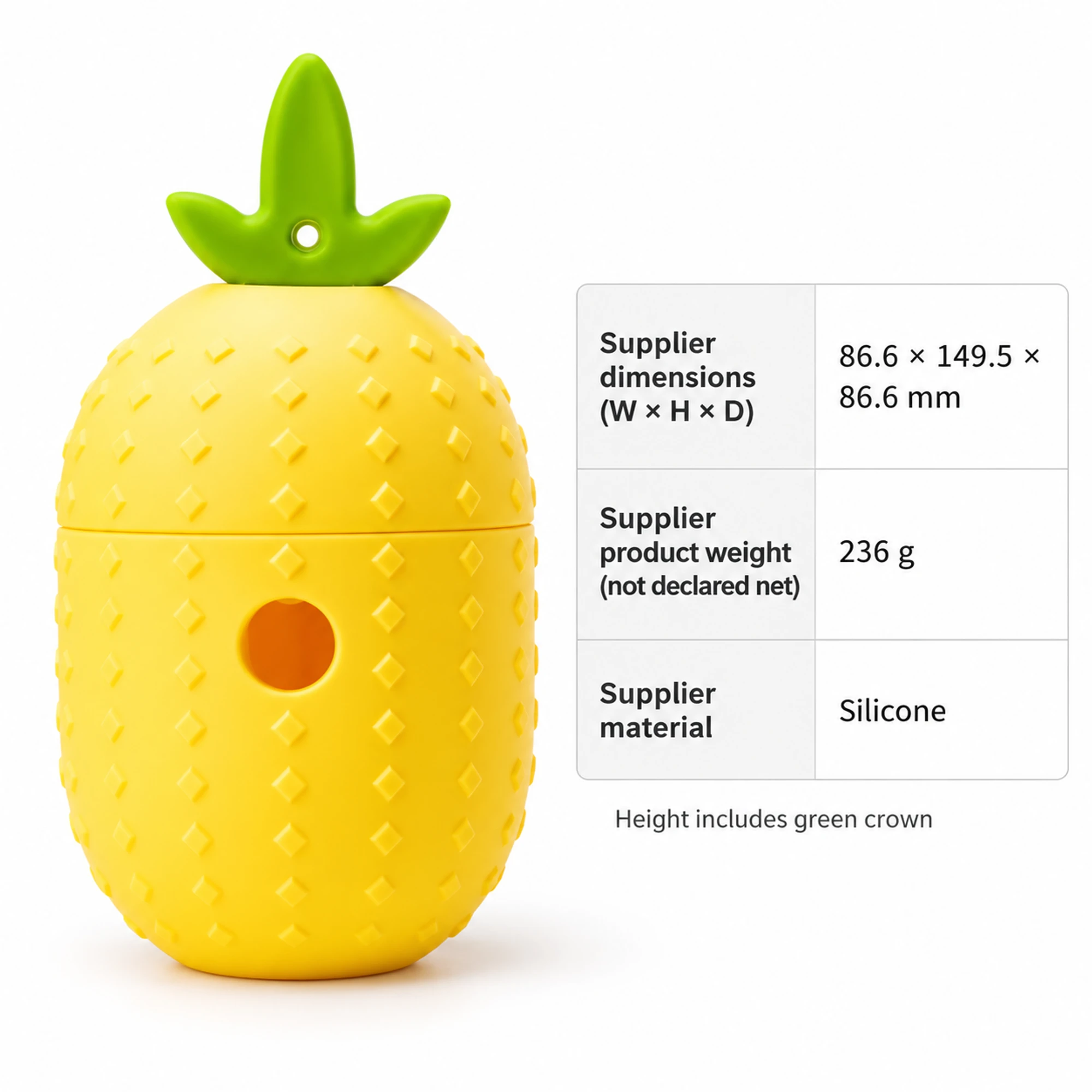
Learn how to freeze a dog lick mat cleanly and safely. Discover mess-free tray setups, tiered freezing methods, temperature safety rules, and recipes.
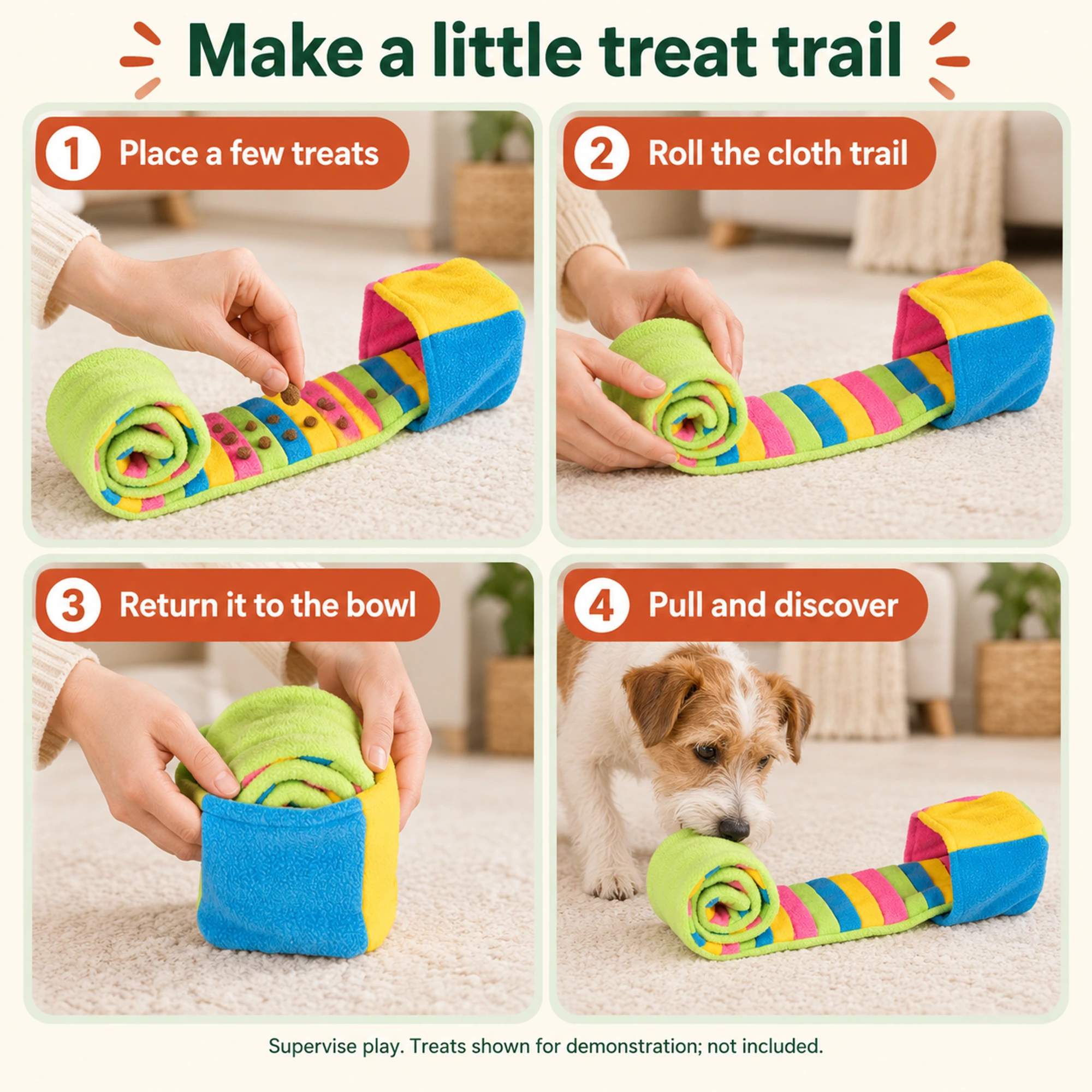
Does your dog sniff a puzzle feeder and walk away? Learn how to introduce a puzzle toy to a dog that gives up using silent fabric foraging and 80% open sliders.
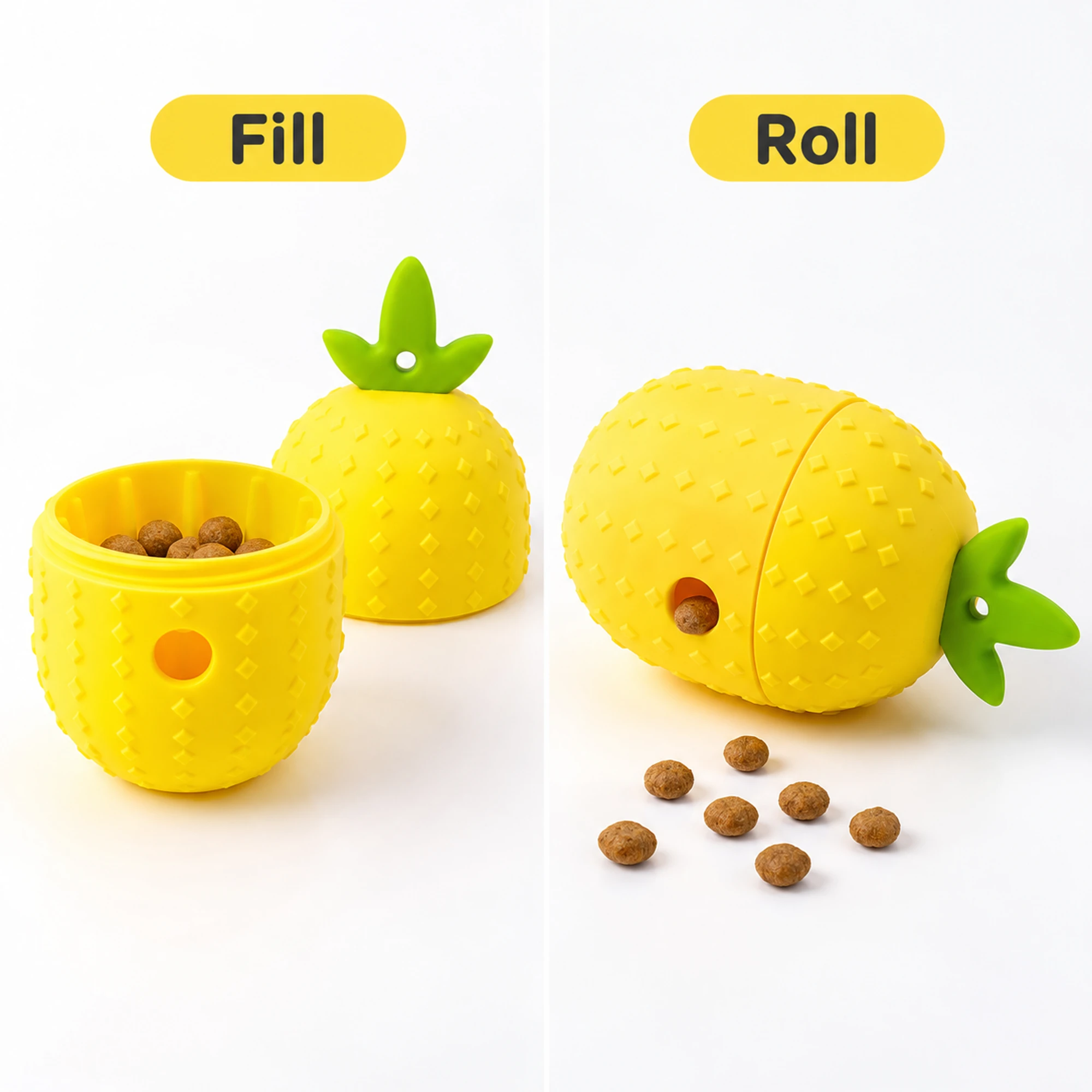
Learn how to use a dog lick mat safely and effectively: step-by-step introduction to prevent chewing, healthy spreadable recipes, freezing techniques to extend session time, and how to use 3D textured dispensers and chew bones.
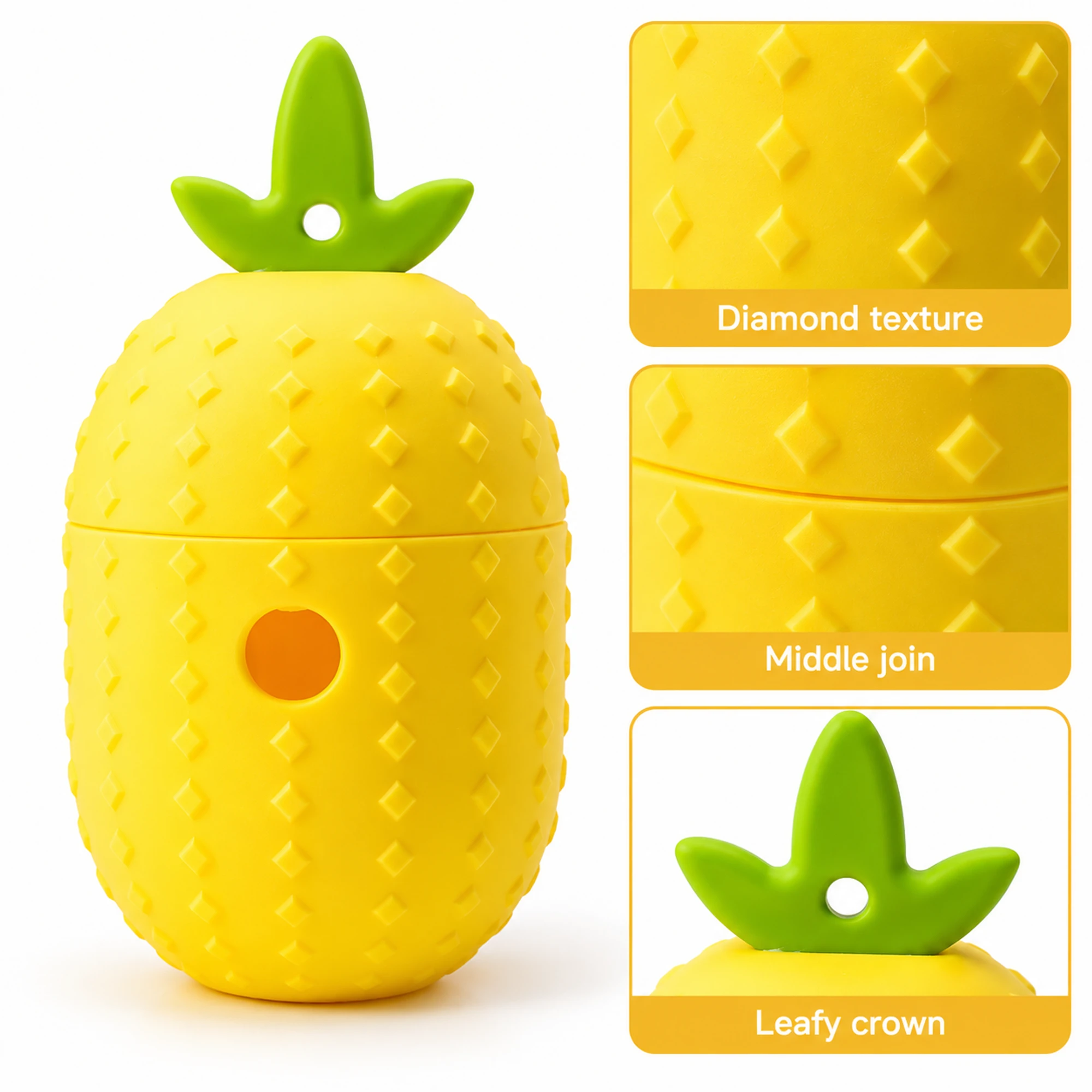
Learn how to wash a dog lick mat and clean textured silicone feeders safely. Step-by-step warm water soaking, soft-bristle crevice scrubbing, and dishwasher guidelines.
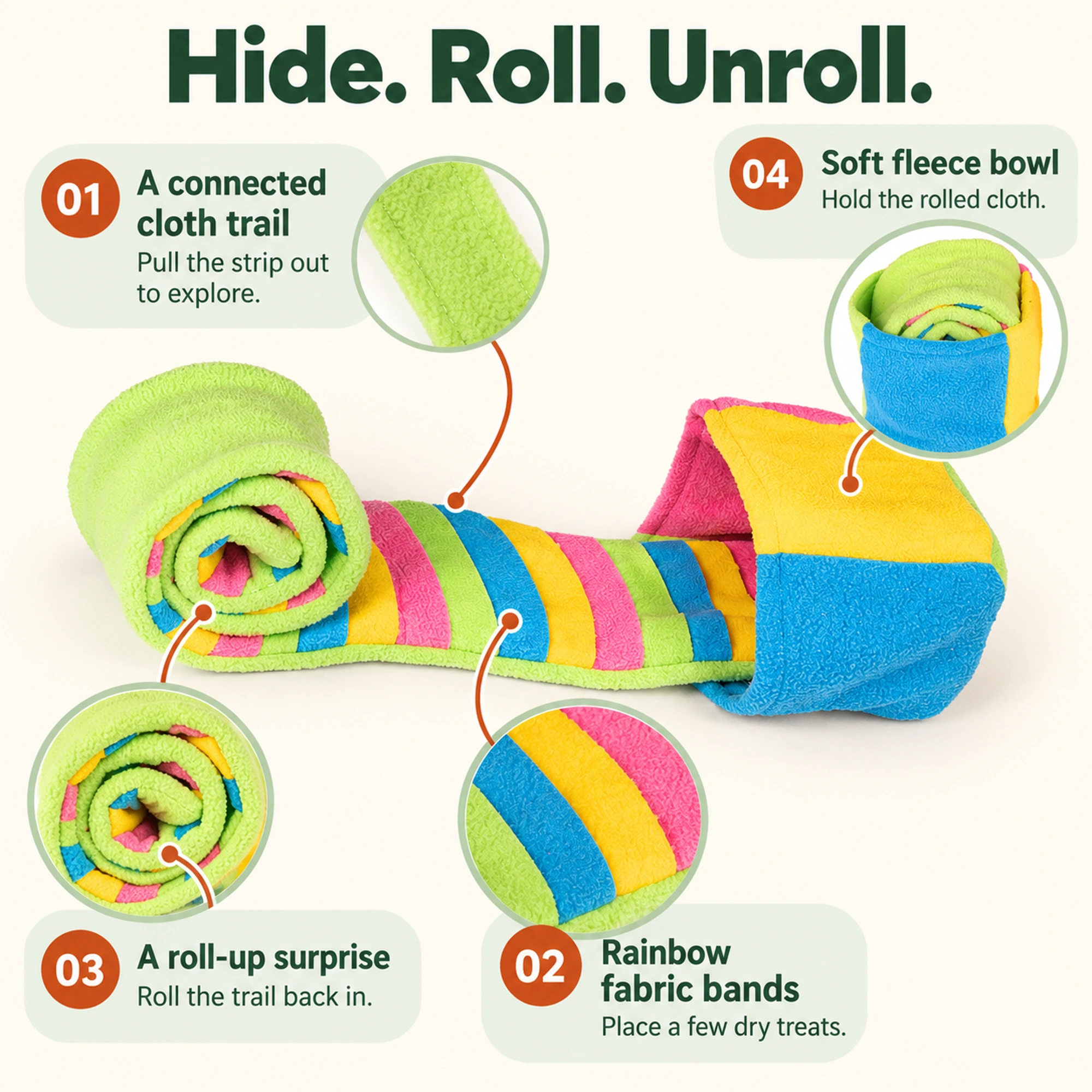
Discover key differences between snuffle mats for small vs large dogs. Learn how muzzle depth, jaw strength, kibble size, and mat stability impact nose work.
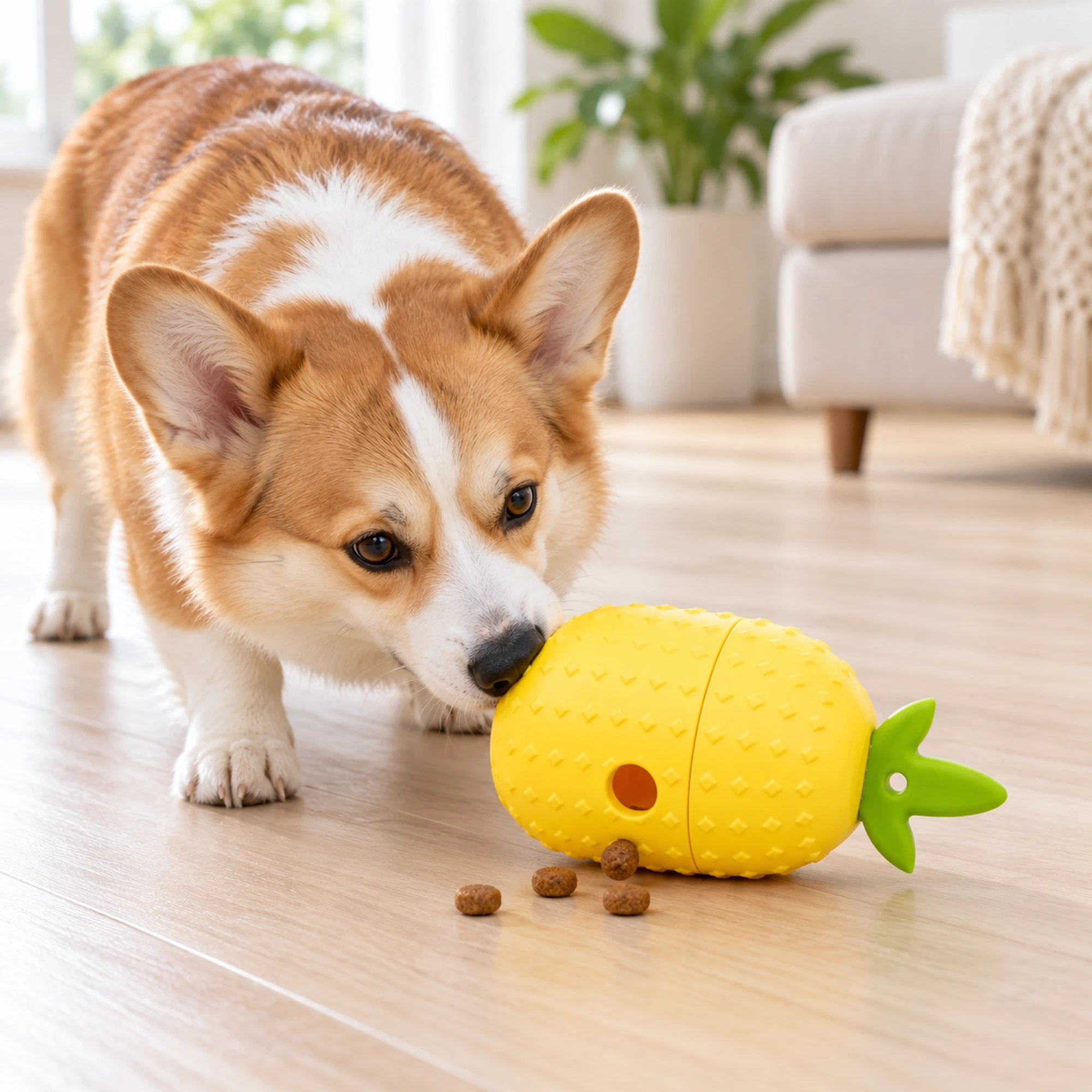
Discover safe, healthy, and enticing food toppings to put on a dog lick mat: digestive purees, calming bedtime blends, protein rewards, and toxic foods to avoid.
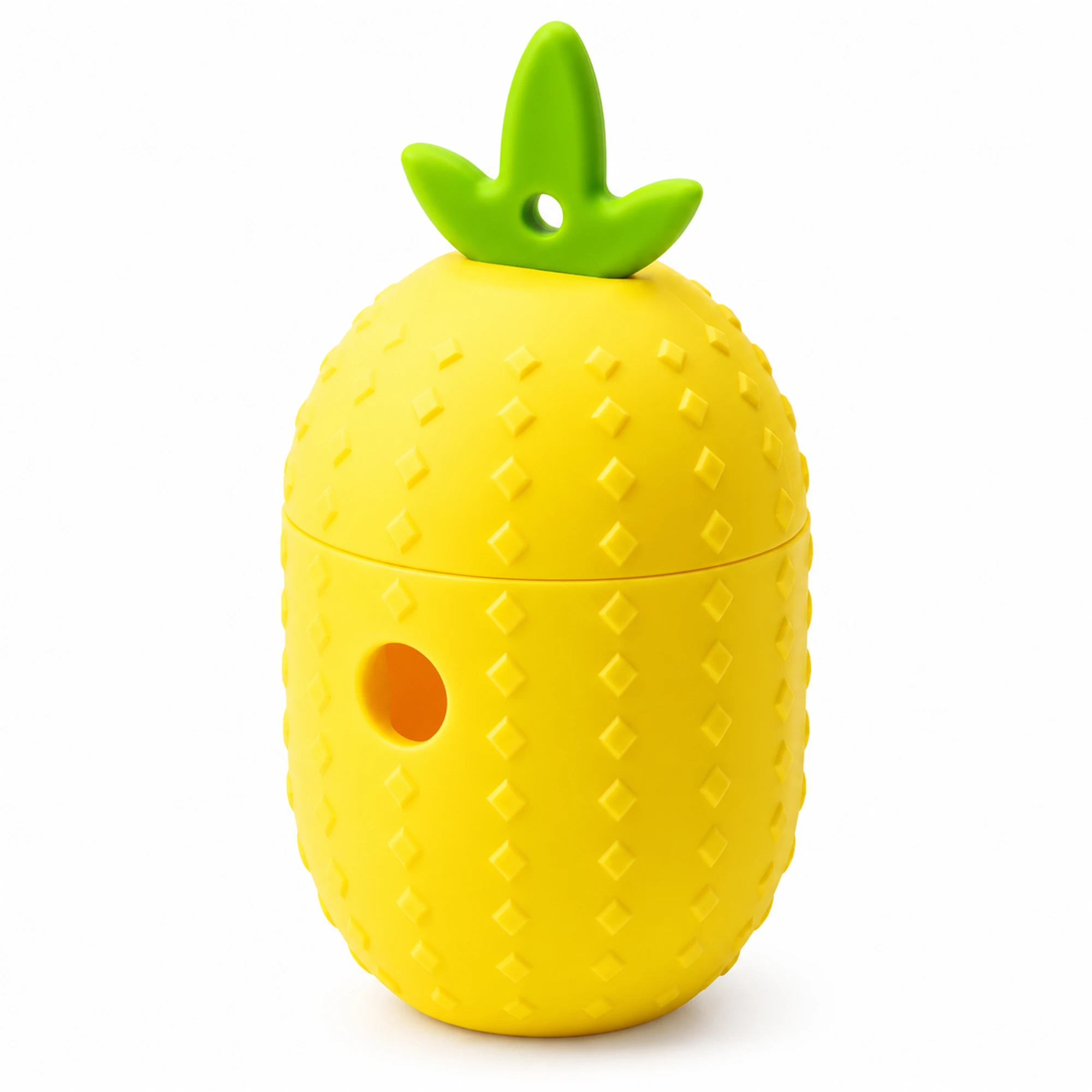
Are rubber dog toys safe? Discover the critical differences between natural and synthetic rubber, key safety hazards, and top non-toxic chew toy recommendations.
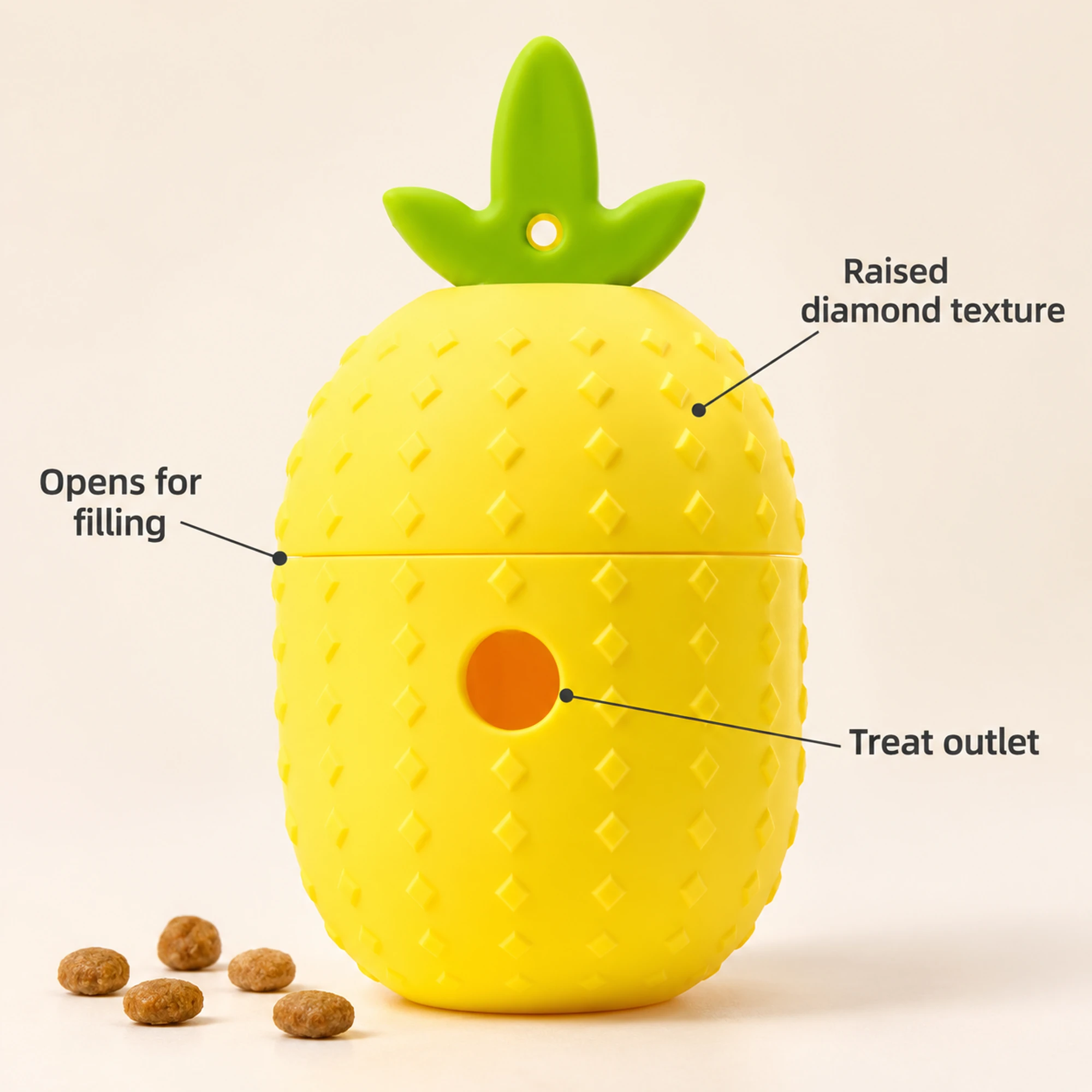
Compare edible dog treats and non-edible chew toys across calories, dental health, durability, and mental focus, plus how treat-dispensing toys bridge the gap.
Does your dog refuse to fetch tennis balls? Discover why dogs ignore balls, how treat-dispensing bones and prey plushies help, and simple return training steps.
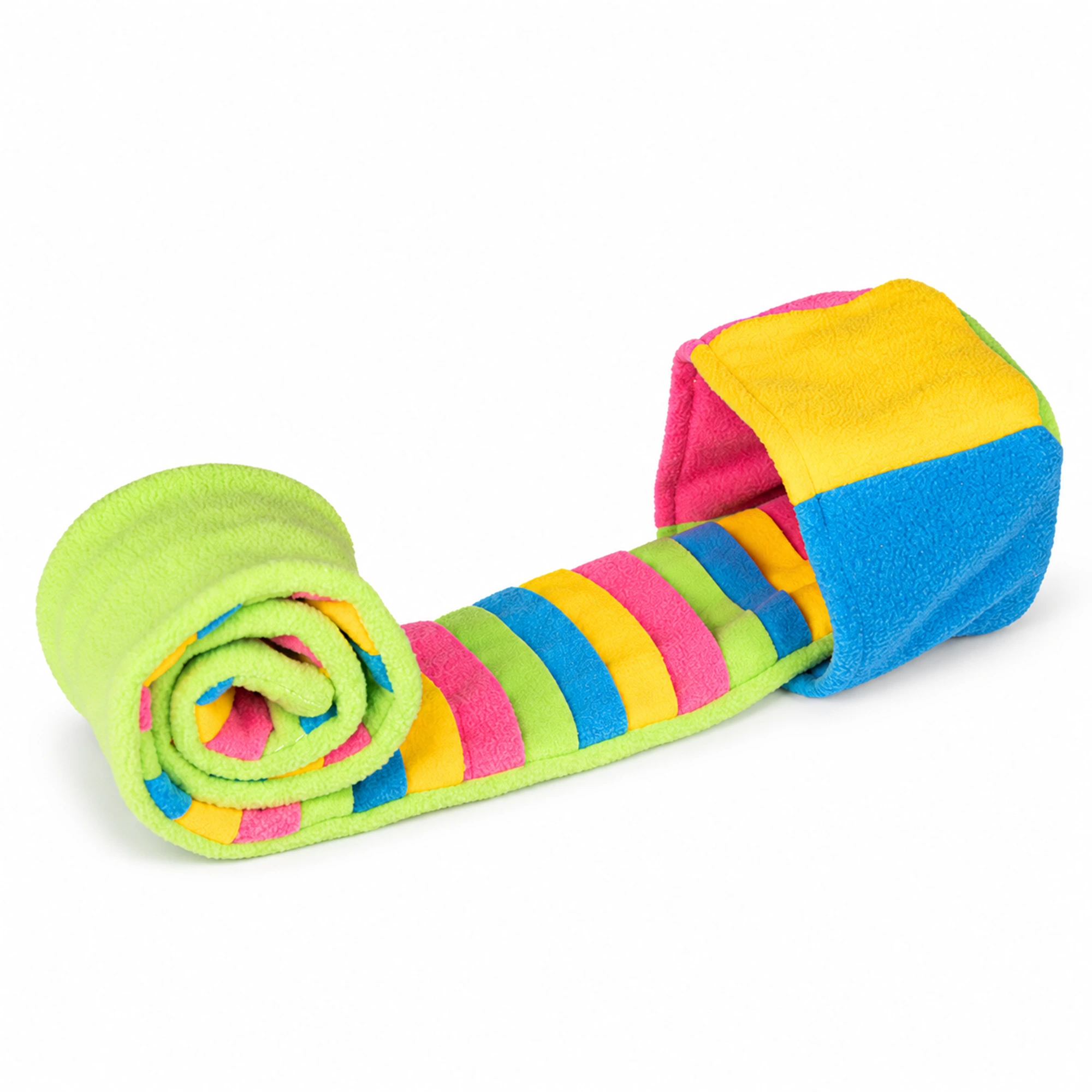
Learn why dogs pull stuffing out of toys, immediate steps if stuffing is swallowed, health risks, and safe stuffing-free enrichment alternatives.
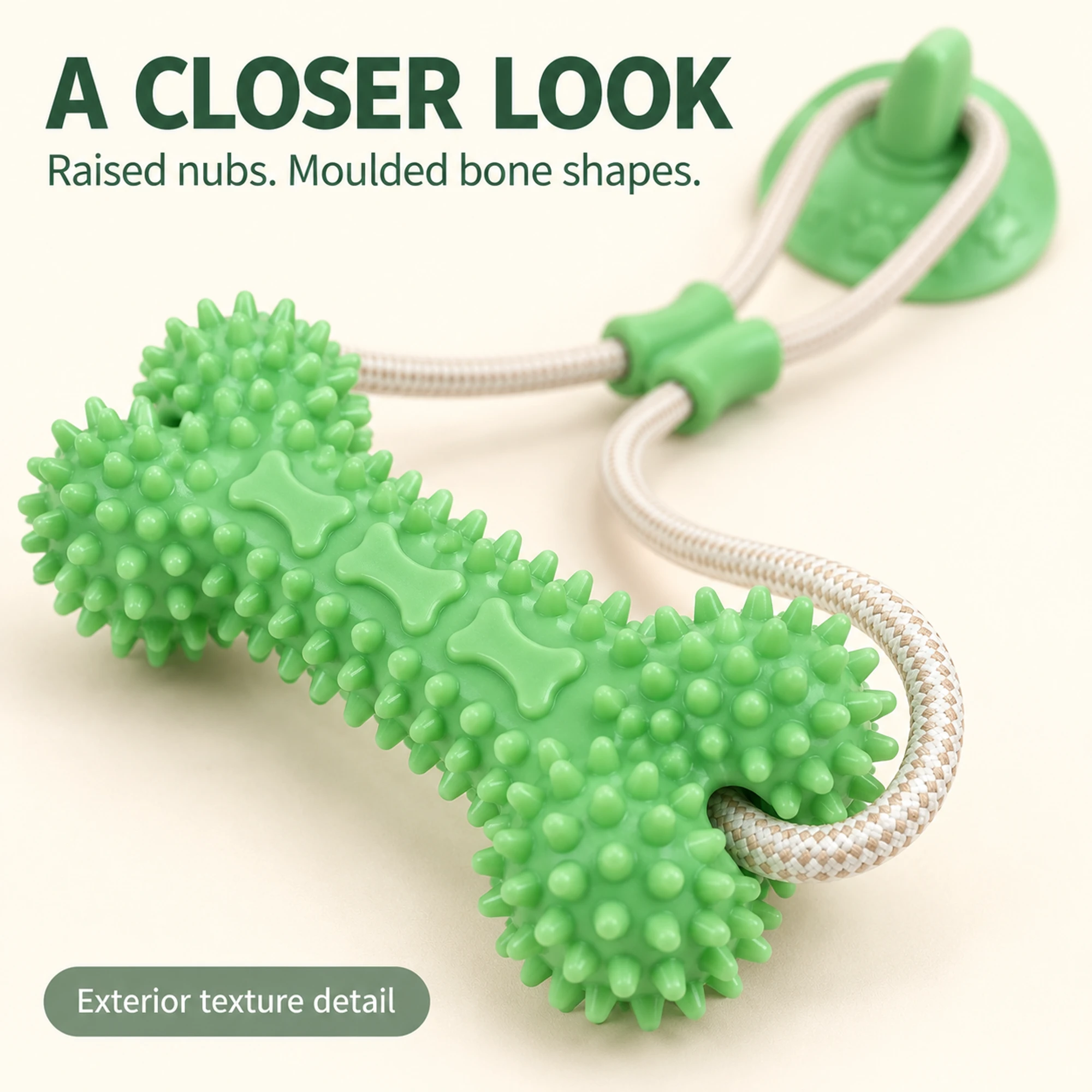
Learn safe, effective sanitation methods for rubber chew bones, cotton rope toys, and suction mounts to remove slobber, bacteria, and mold without harsh residues.
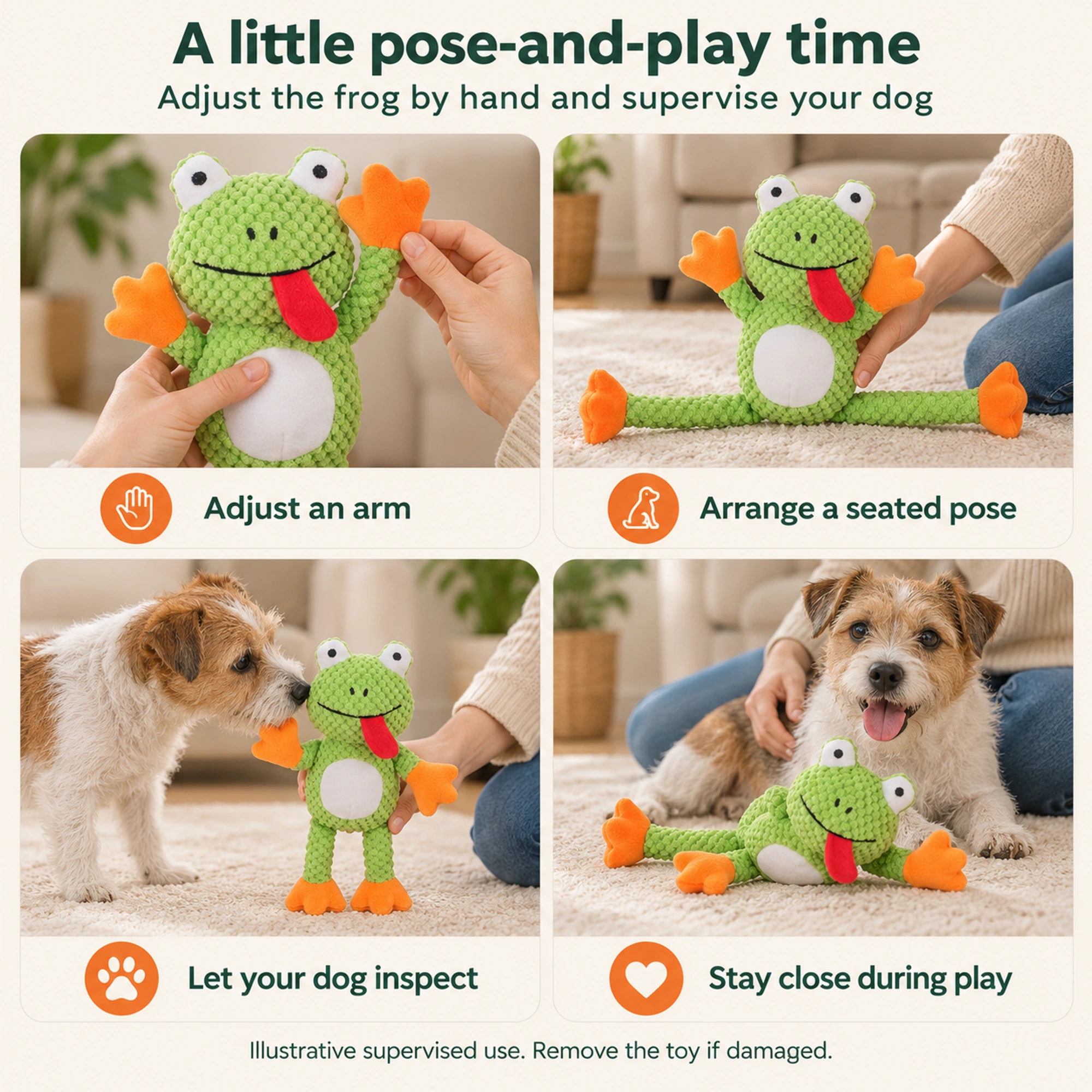
Learn how to rotate dog toys using a 3-bin schedule. Prevent boredom, reset novelty, inspect wear, and keep play engaging without buying new toys.
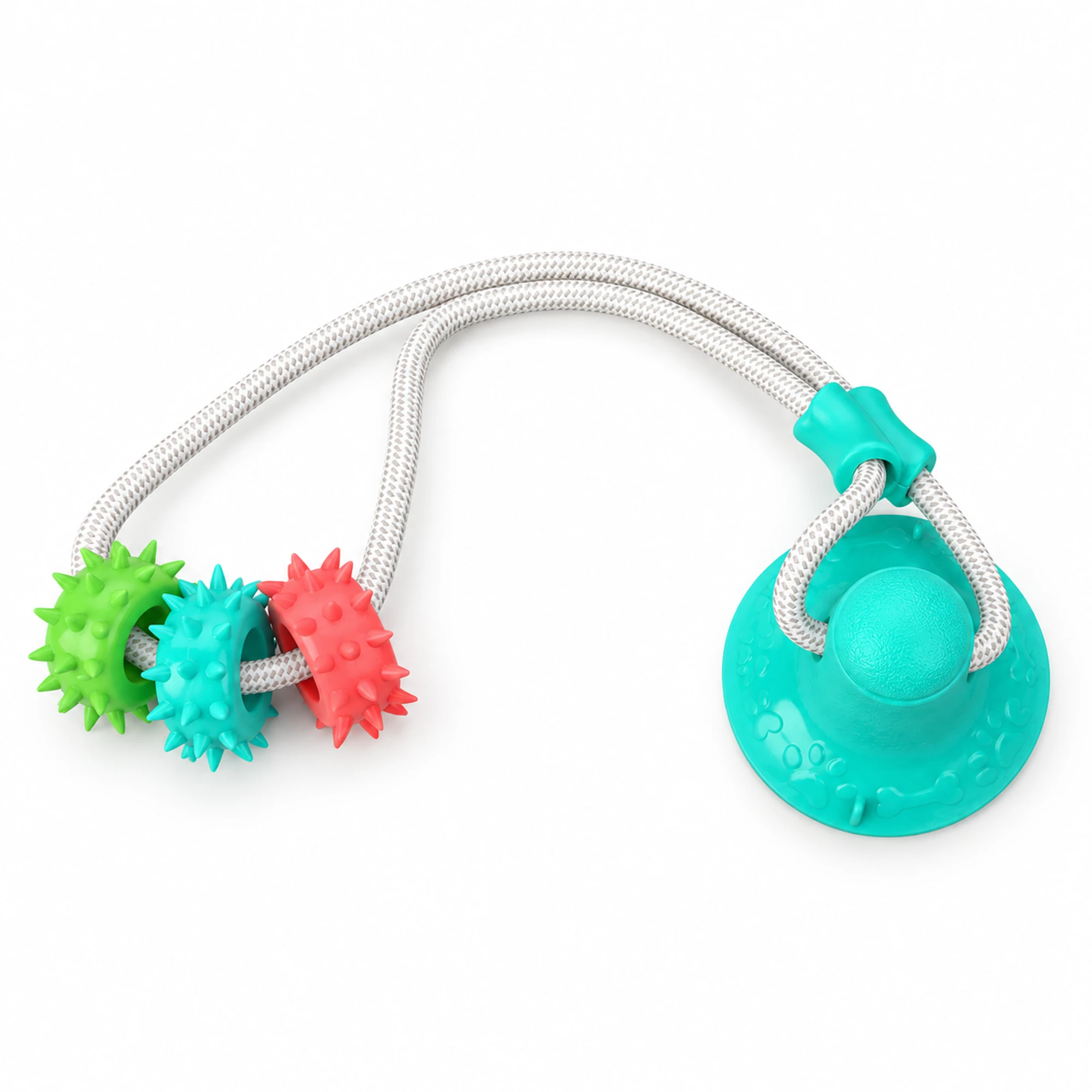
Learn how to stop a dog from destroying toys. Understand predatory chewing drives, establish chew zones, and redirect destructive chewing with durable toys.
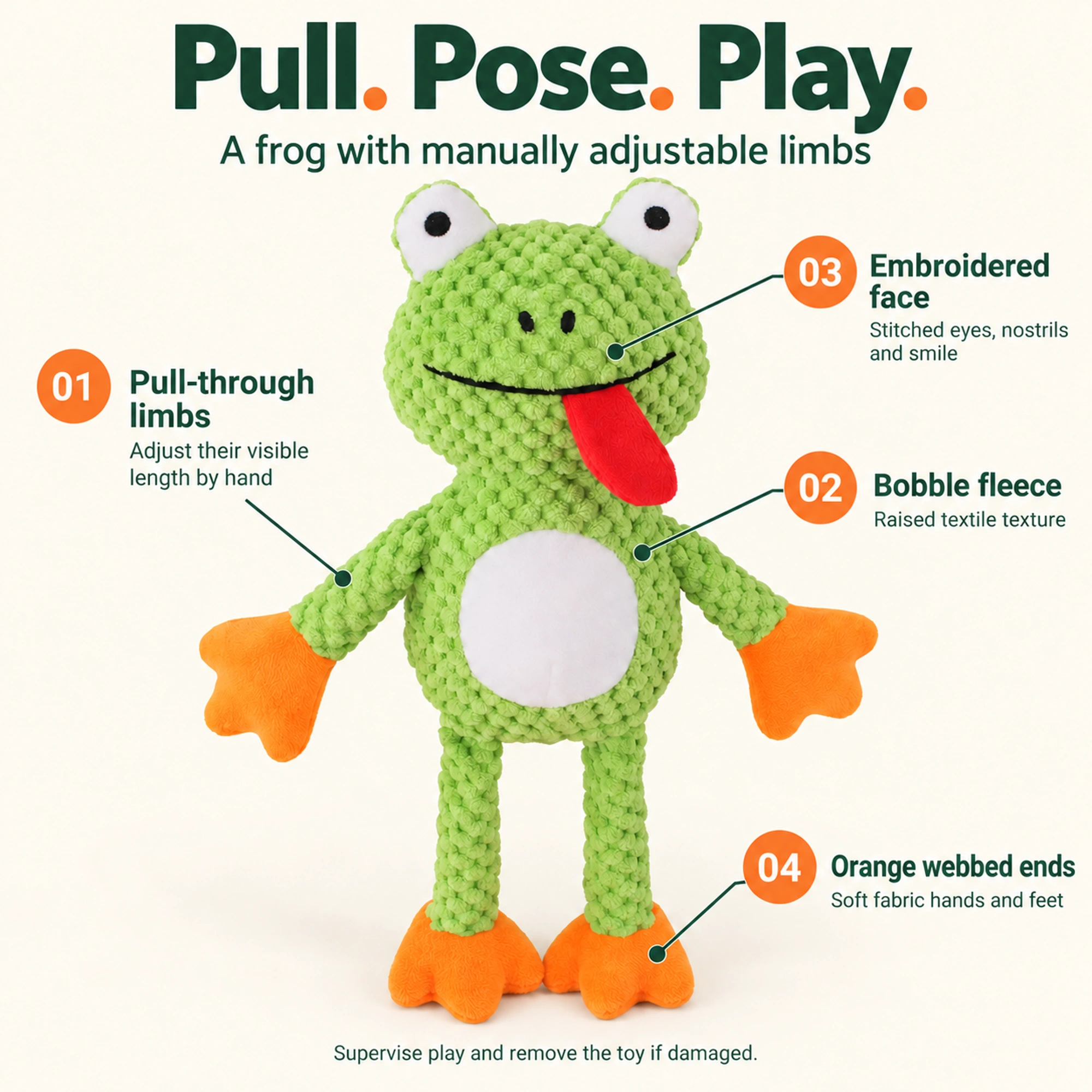
Teach your dog to fetch with this clear step by step guide. Learn reverse chaining, soft-mouth toy selection, and the two-toy trade method.
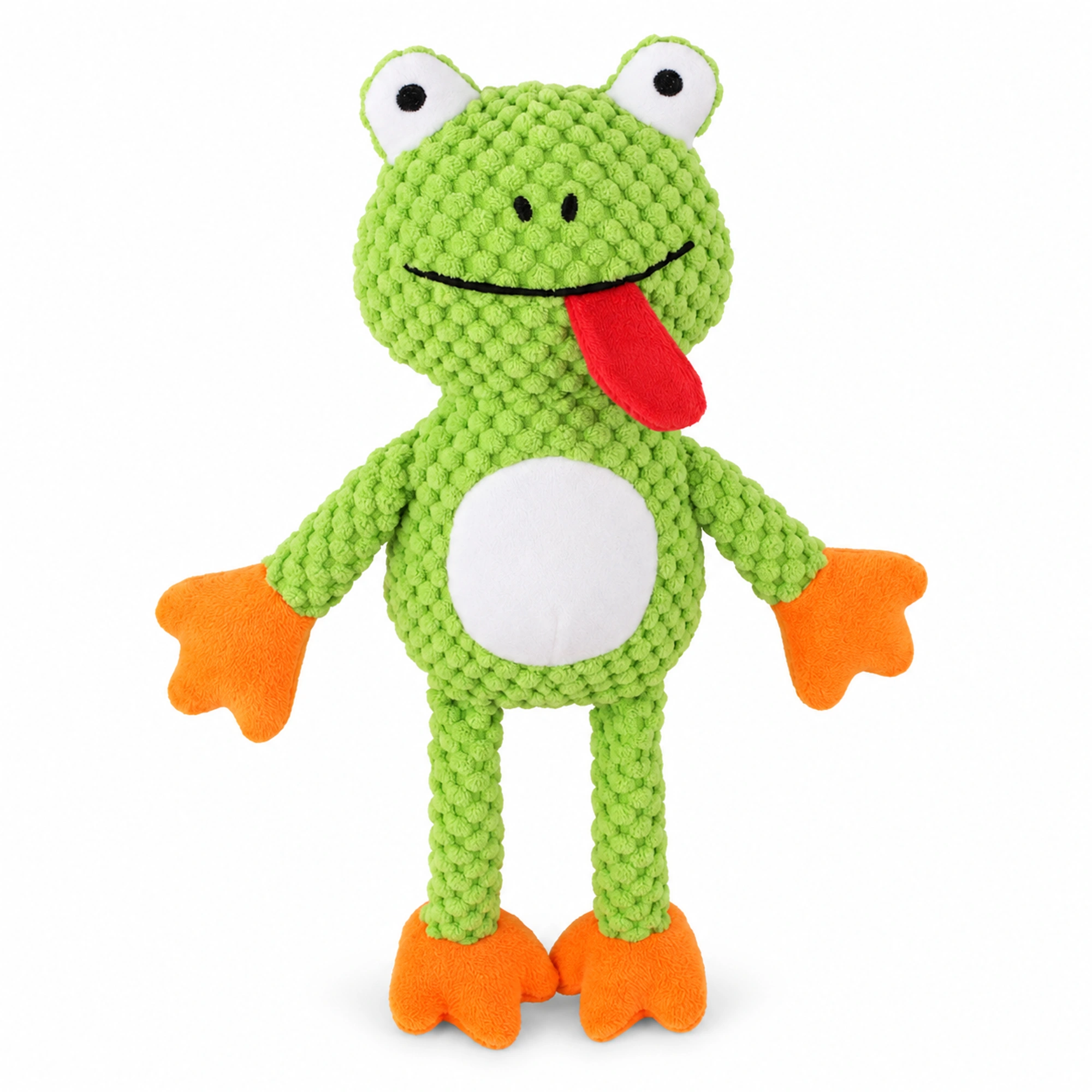
Discover why dogs carry toys around the house. From greeting excitement and oral soothing to natural holding instincts, learn what your dog is communicating.
Understand why your dog cries, whines, or paces while carrying a toy, from predatory excitement and nesting instincts to burying urges and calm enrichment solutions.
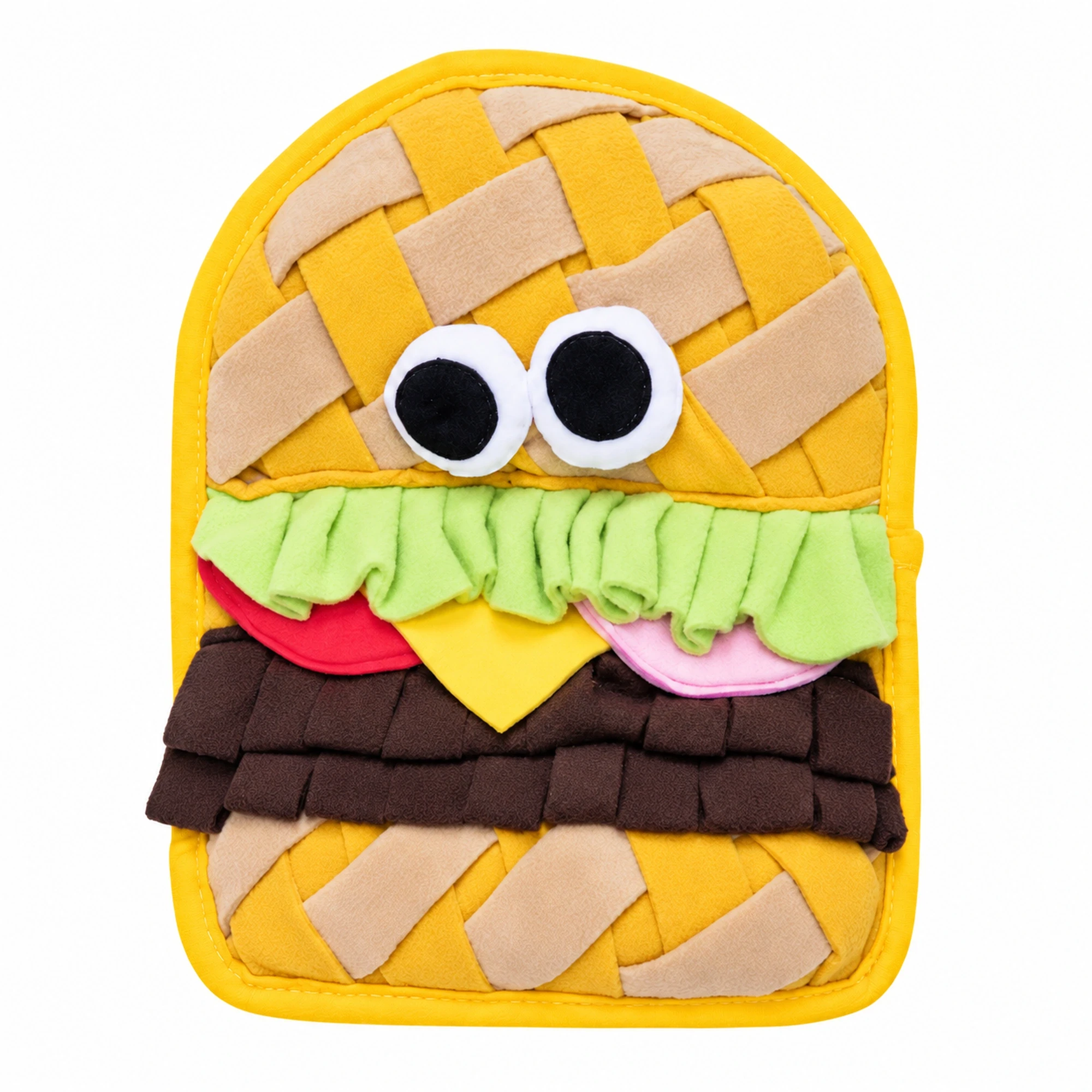
Learn why dogs hide and cache toys under beds and couches, how to tell playful stashing from anxiety or guarding, and how foraging puzzles help.
Understand why dogs shake toys violently with their heads, how predatory ragging instincts work, and how safe suction tug toys provide healthy outlets.
Are plush dog toys safe? Learn how Humane World and the AKC match soft toys to your dog's play style, what parts to inspect, and how two JoyPetPlay toys compare.
Learn how to pick the best dog toys for teething puppies using Humane Society sizing rules, 12-week chew stage guidance, and textured ring or tug options.
Learn how to read product descriptions for aggressive chewer dog toys critically. Decode rubber and TPR materials, spot design flaws, and select safe toys.
Looking for dog toys for bored dogs left home alone? Learn how to run supervised pre-departure foraging with snuffle mats and wobble puzzles, plus safe weekly rotation.
Wondering how often to replace dog toys? Discover essential safety warning signs, wear patterns across materials, and how toy rotation keeps dogs safe.
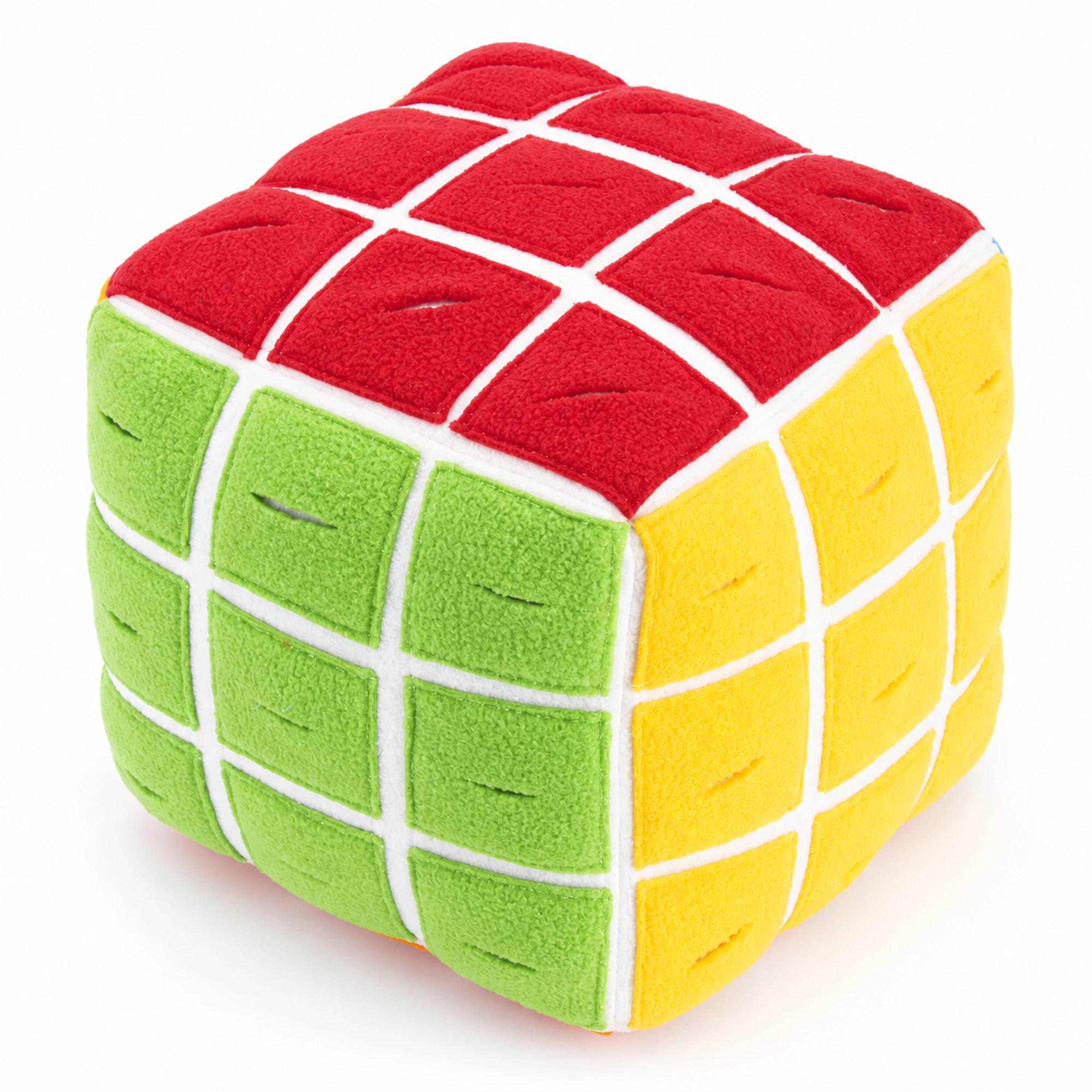
Learn how to choose the right size dog toy for a large dog. Discover jaw width safety criteria, choking prevention rules, and interactive mental enrichment toys.
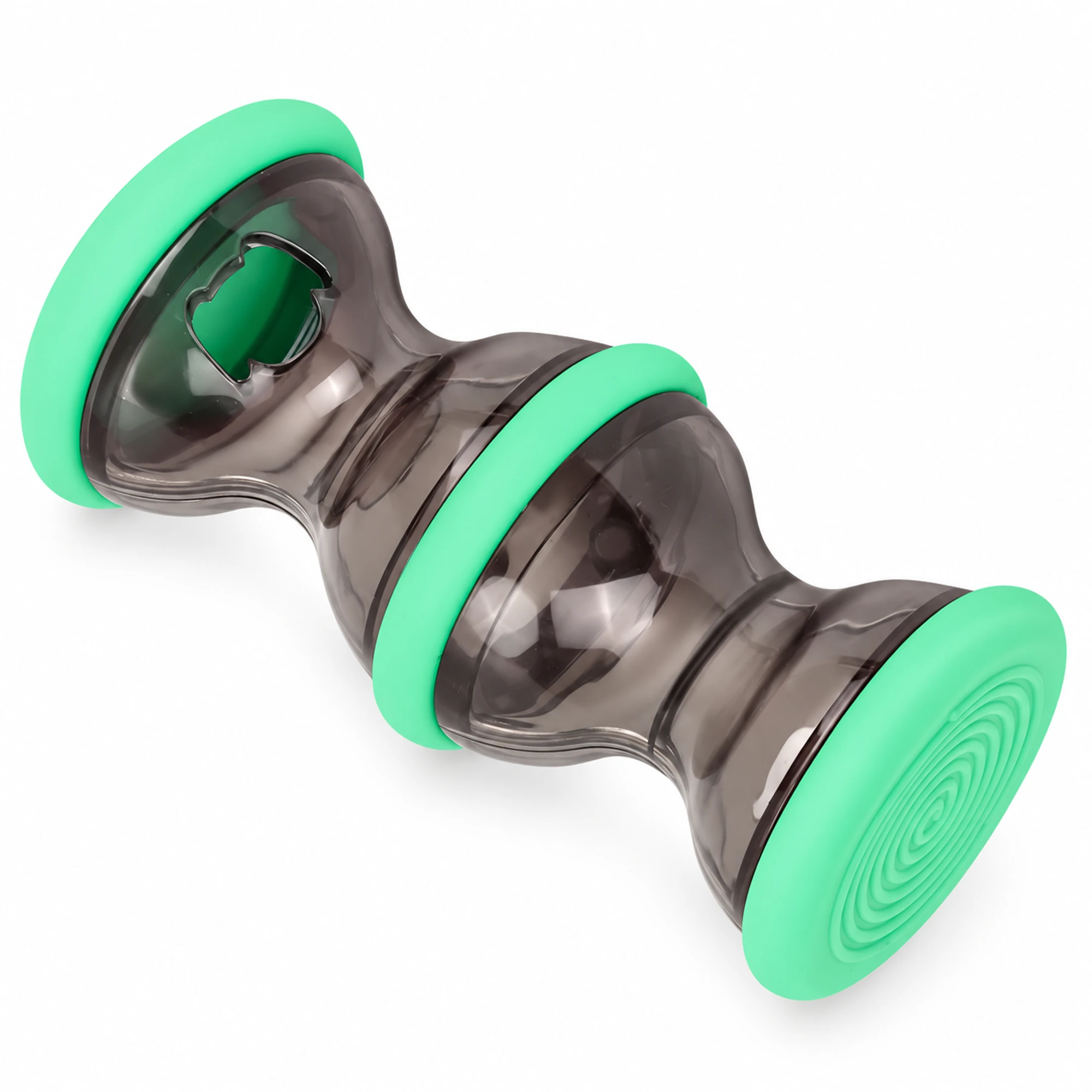
Learn how to choose the right size dog toy for a small dog. Discover veterinary sizing thresholds, avoid choking hazards, and find comfortable interactive toys.
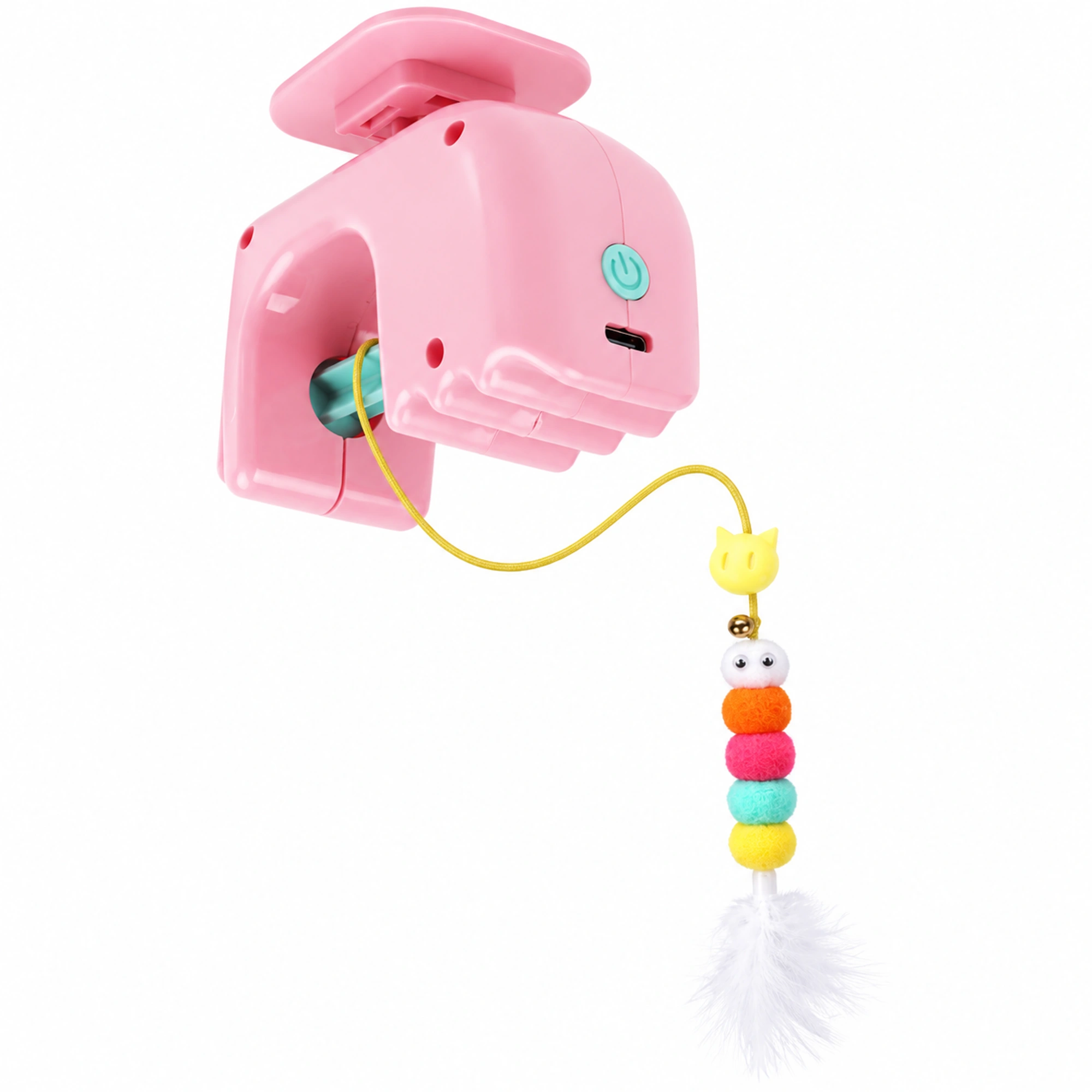
Explore why dogs should not play with cat toys, the foreign body and choking risks involved, and safe multi-pet puzzle alternatives for mixed households.
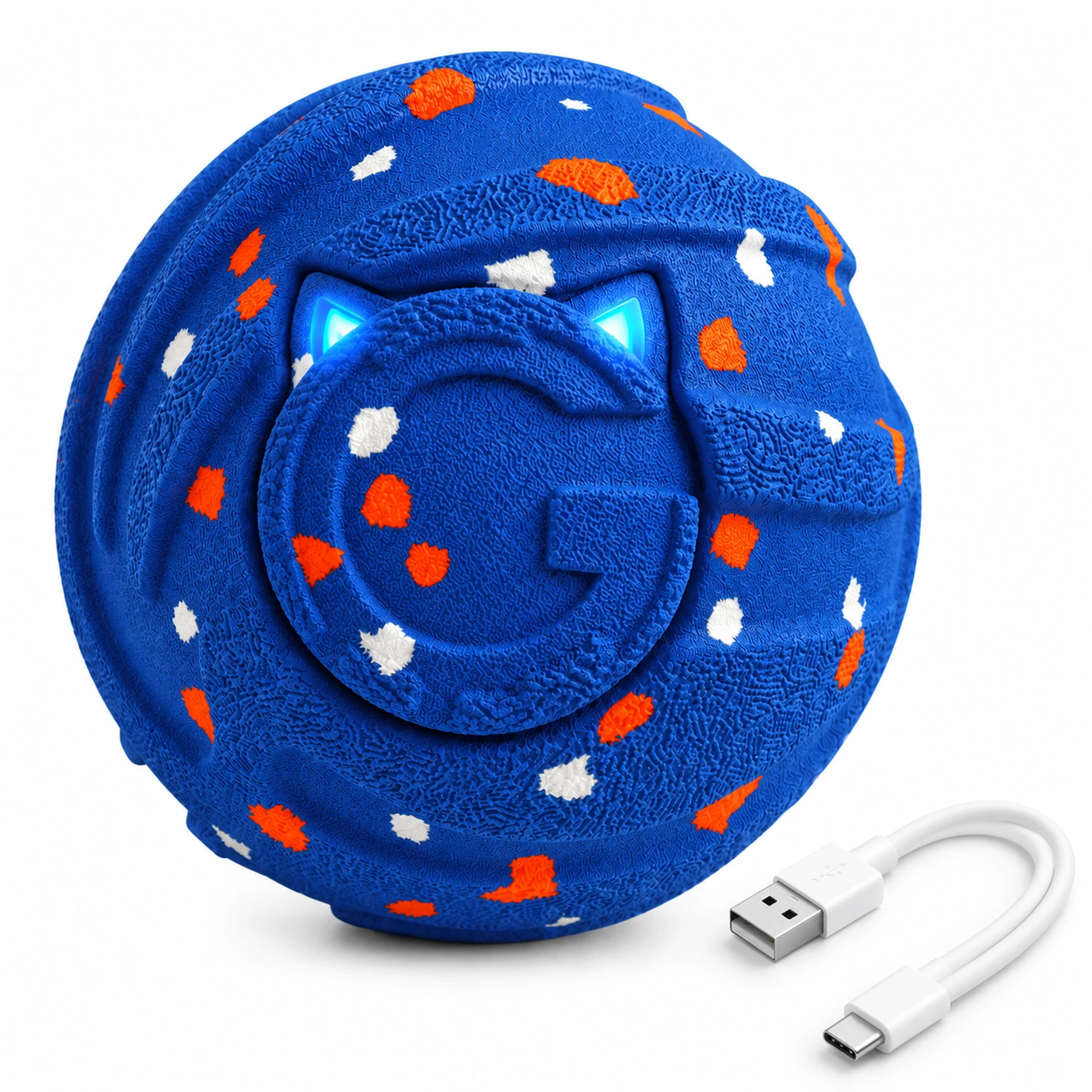
Discover which cat ball toys match your cat's hunting instincts. Compare plush, rattle, high bounce rubber, and motorized rolling balls for indoor play.
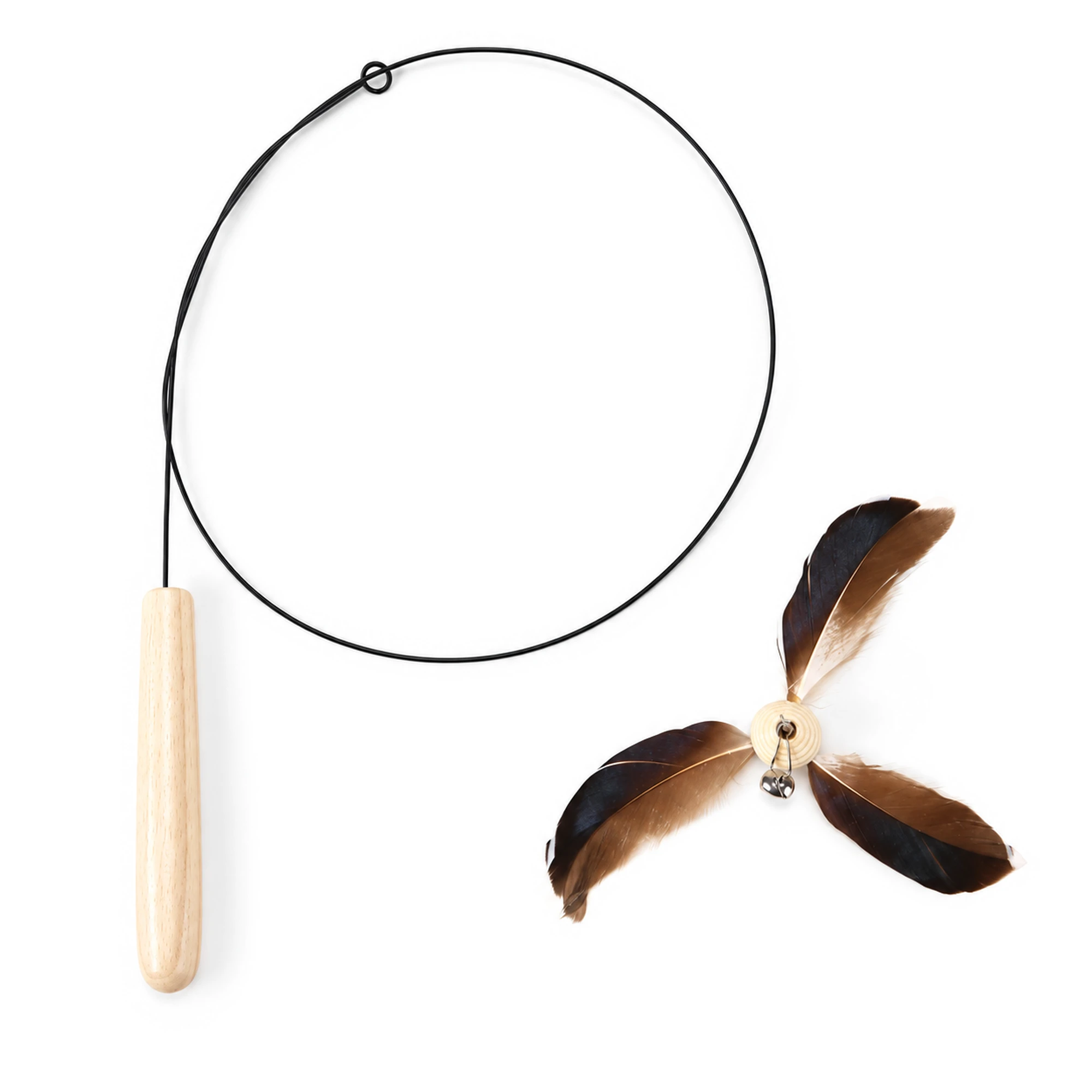
Discover when cat feather toys are safe to use, real ingestion risks, wand mechanics, and essential rules for supervised interactive feline play.
Discover how puzzle feeders satisfy indoor cats' predatory drive, prevent gorging, and curb boredom. Compare rolling balls and multi-tier rotating spinners.
Discover the best cat toys for multi-cat homes. Learn how 360-degree track towers and distributed play zones prevent resource guarding and keep cats happy.
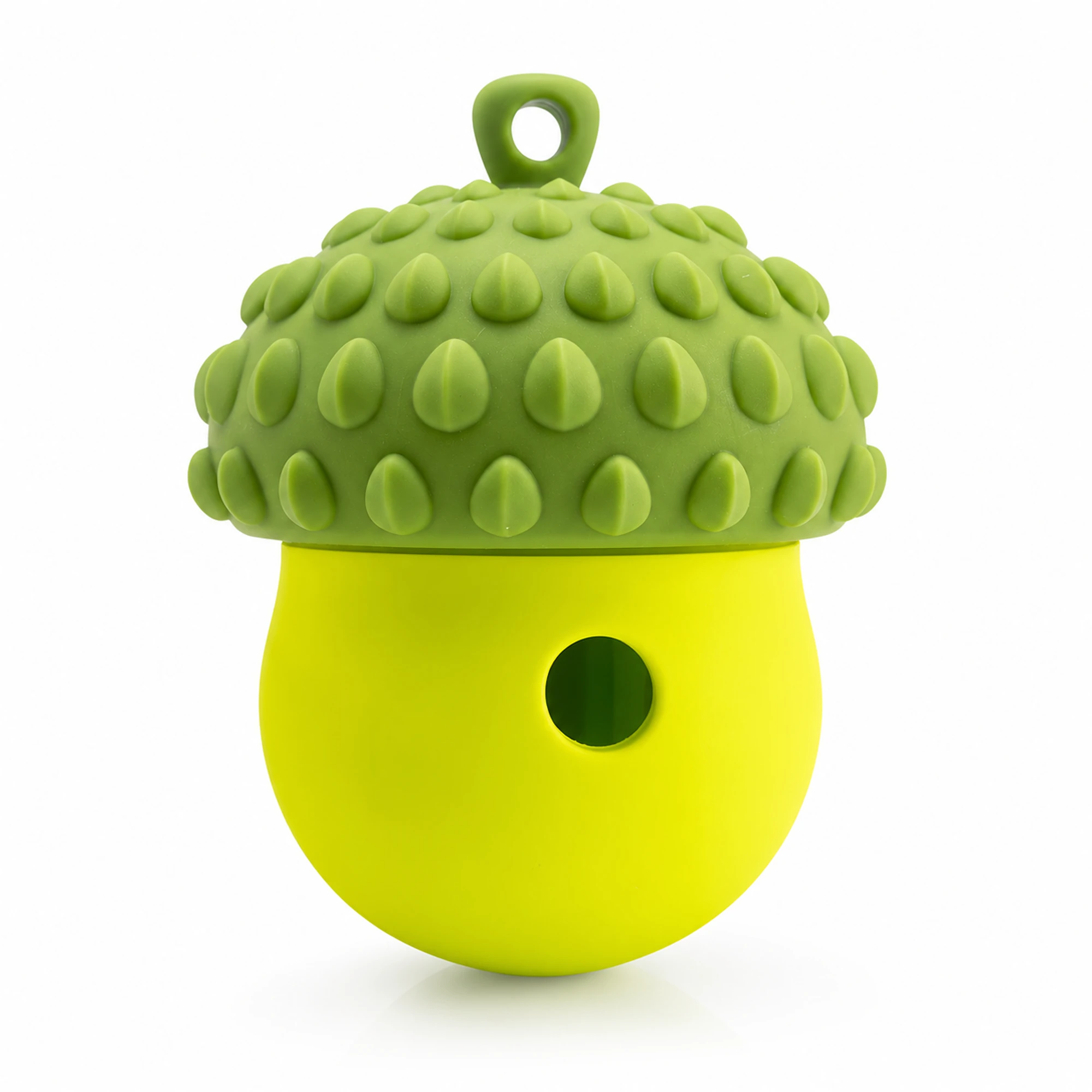
Discover which crate toys are safe to leave with your dog, what hazards to avoid, and how to choose durable rubber treat toys for crate enrichment.
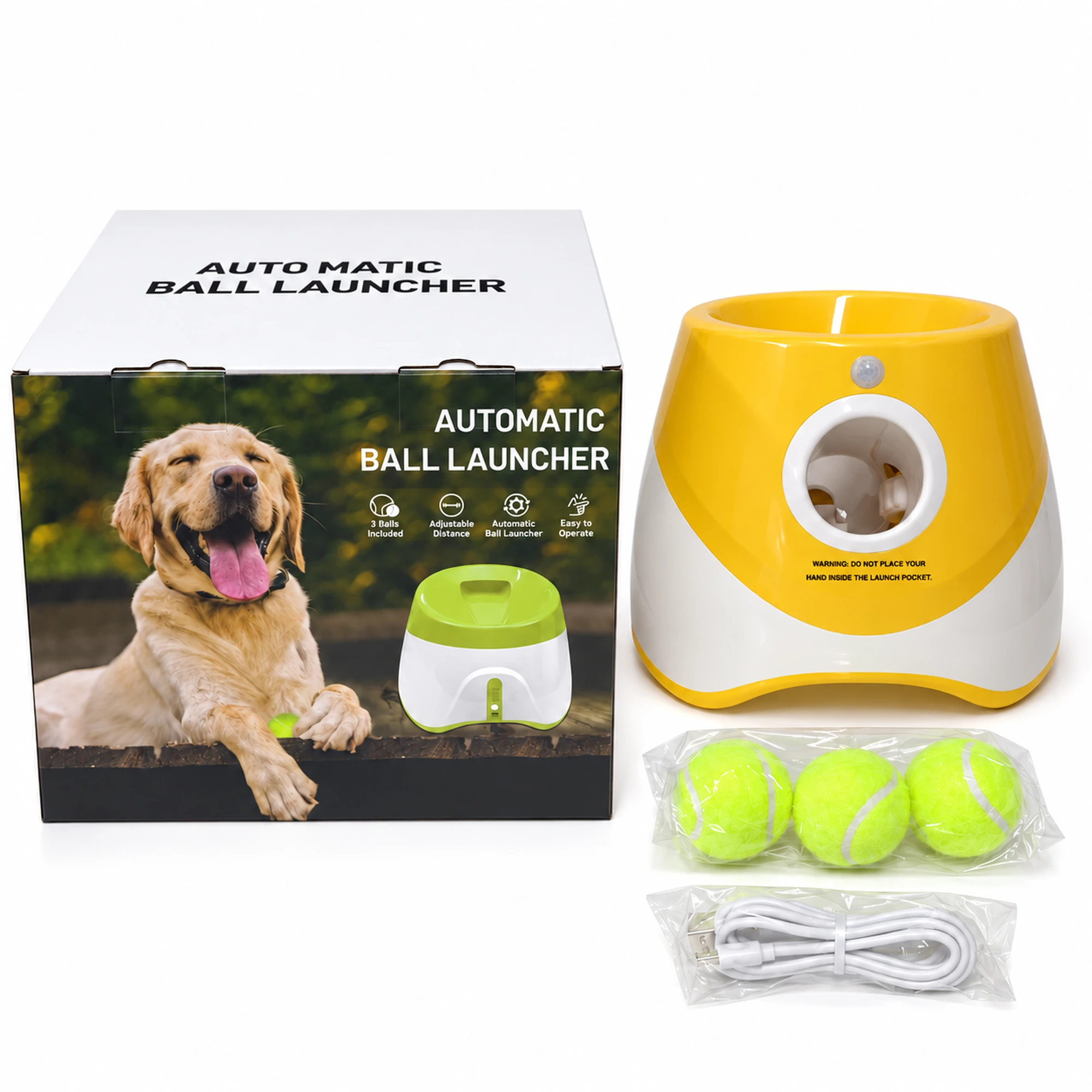
Learn how to choose the right dog ball size to prevent fatal airway choking hazards. Sizing charts, diameter rules, and safe interactive toy alternatives.
Discover the best quiet dog toys for apartment living. Learn how soft fabric snuffle mats and silent puzzle feeders tire dogs mentally without noise.
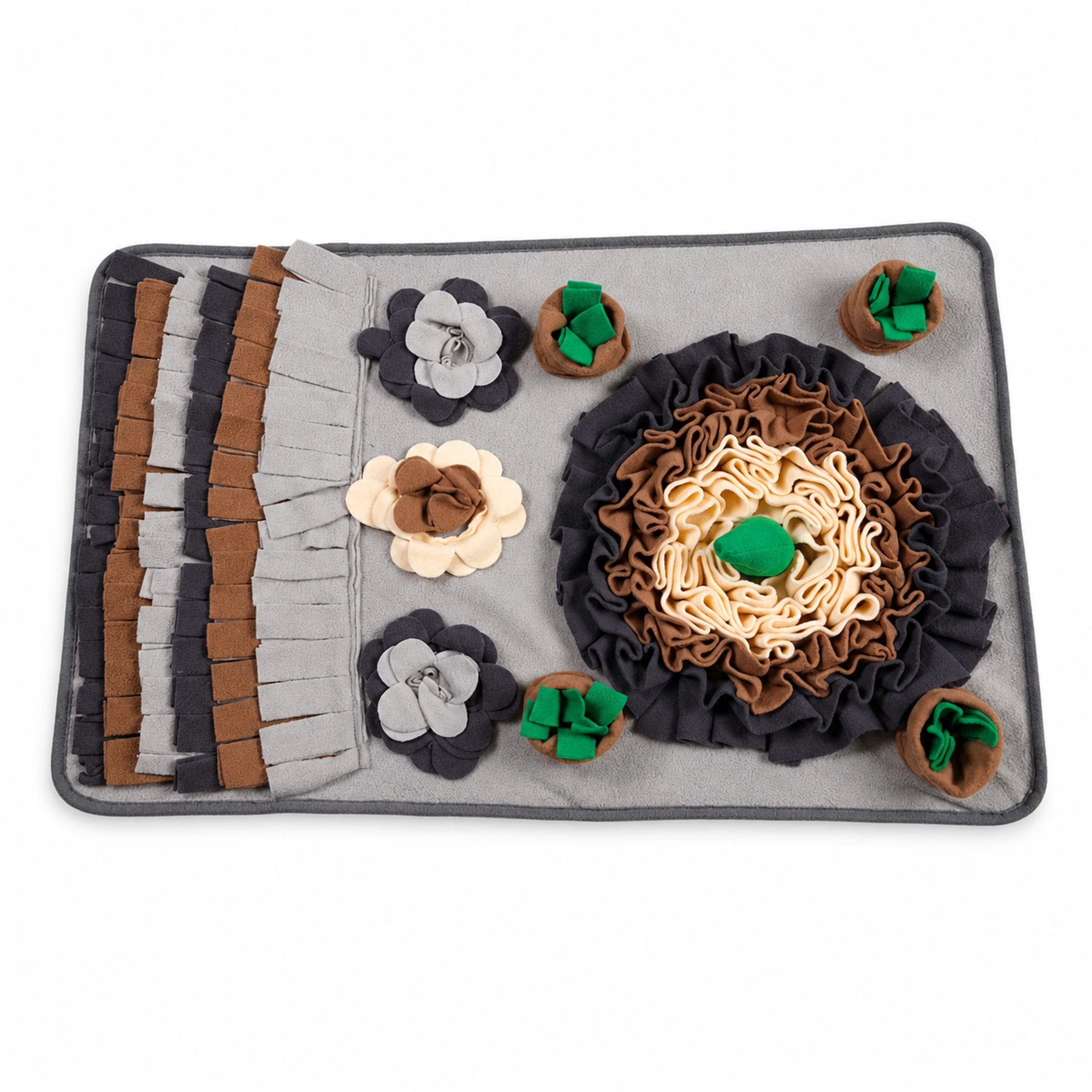
Discover the best dog toys for senior dogs. Learn how soft fabric foraging mats and low-resistance puzzle toys keep older dogs mentally sharp without joint pain.
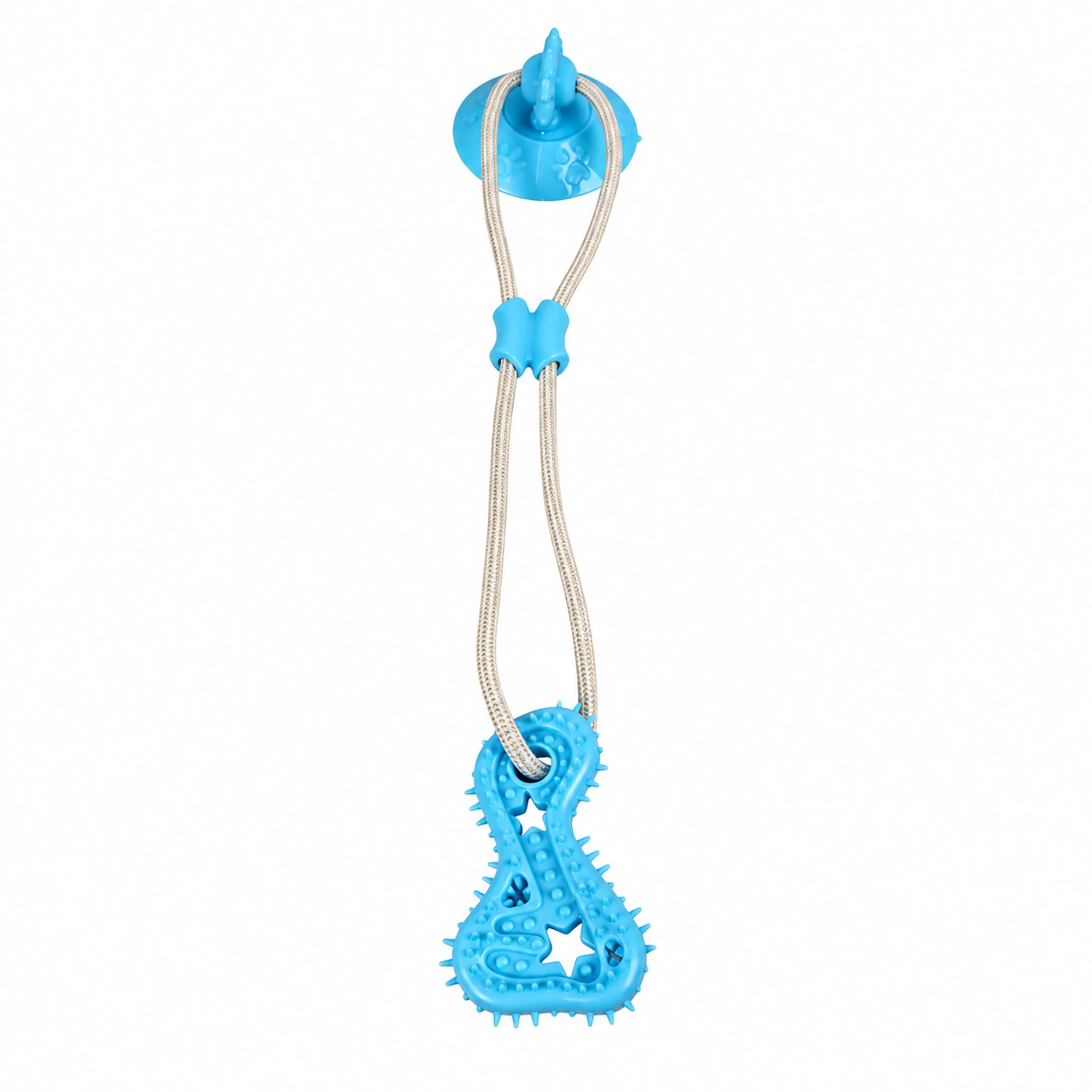
Master safe dog tug toy rules, establish clear release cues and bite boundaries, and learn how floor-anchored suction tug toys provide healthy exercise.
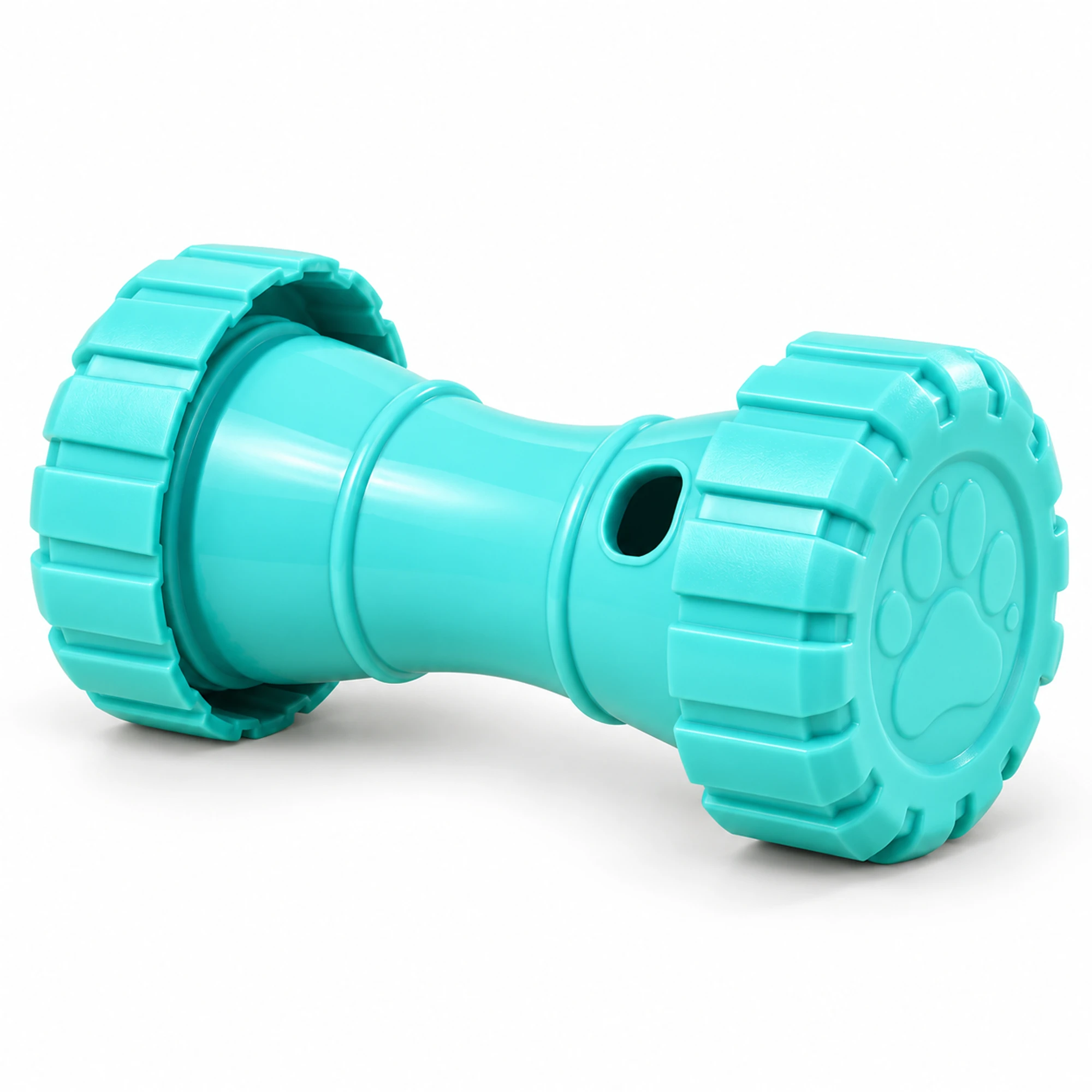
Discover the science of floating dog toys. Material density, hollow rubber air pockets, and why heavy toys sink to the bottom of the pool.
Match pet toys to your dog or cat play style. Learn how tuggers, chewers, chasers, and foragers engage with specific toy designs to prevent destructive boredom.
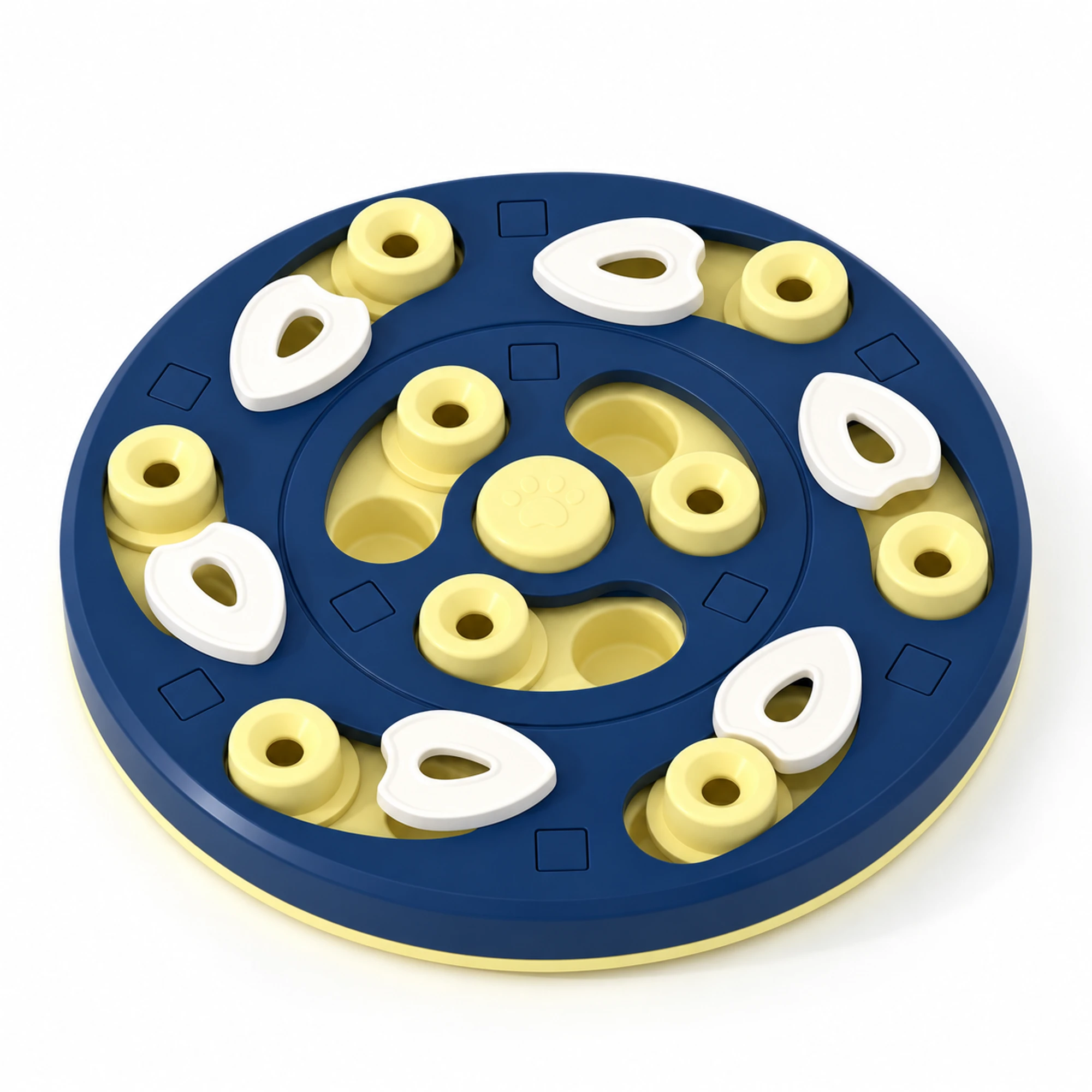
Learn how to clean cat toys safely by material type. Practical sanitization rules for plastic tracks, plush kickers, sisal scratchers, and grooming arches.
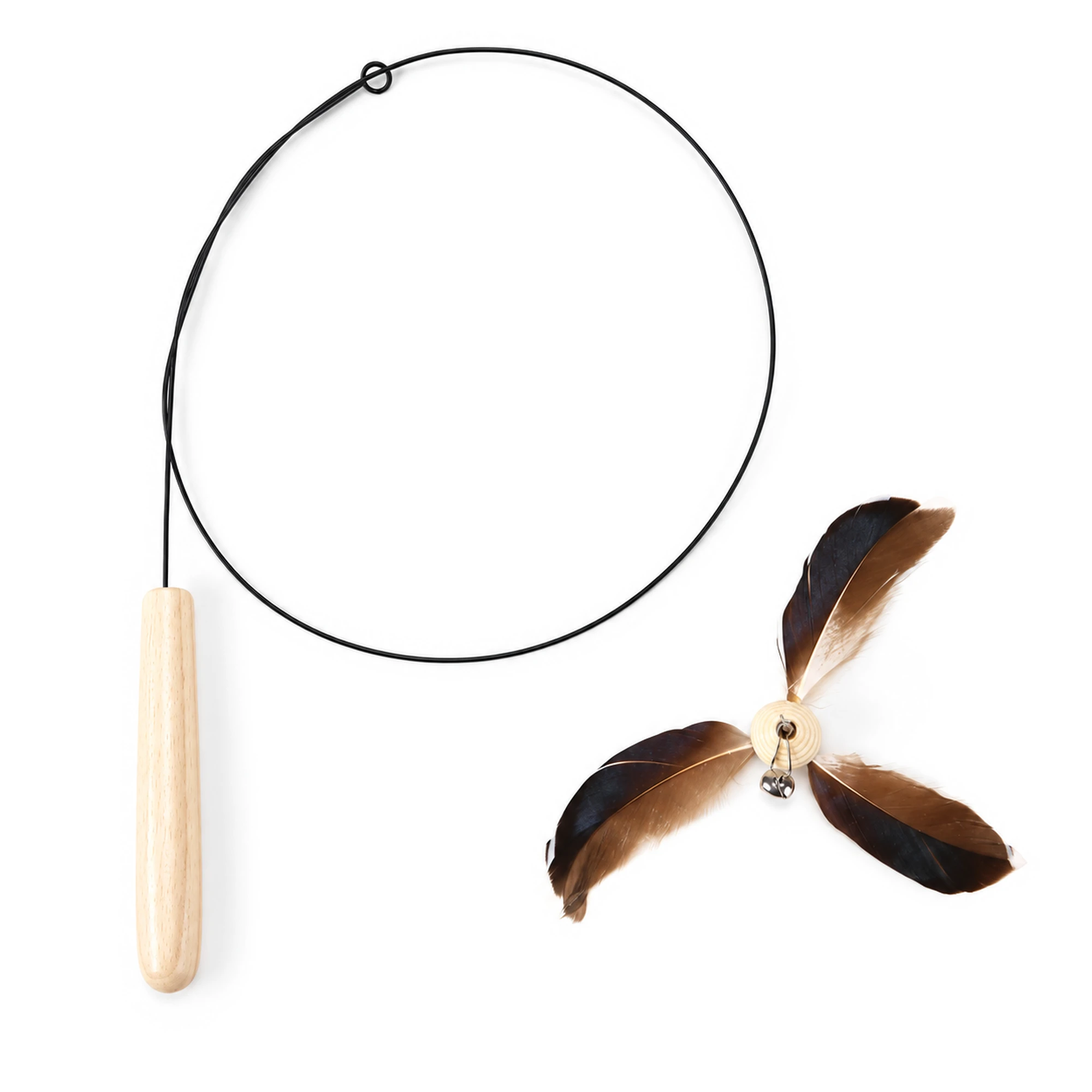
Discover how to play with a cat that doesn't like toys using covered ambush tunnels, floor-level feather wand twitches, and self-regulated suction toys.
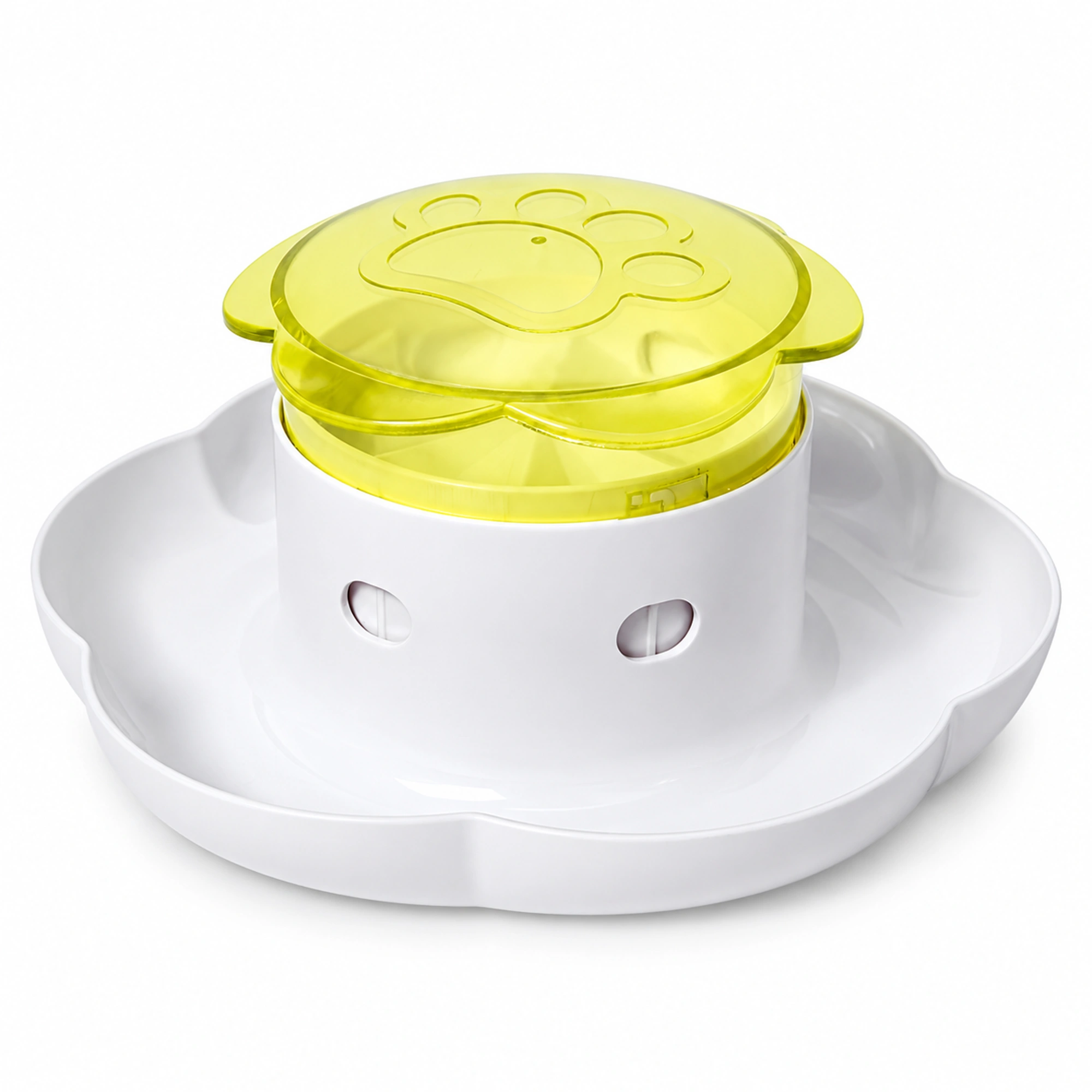
Learn how to read pet toy product descriptions like a professional trainer. Decode materials, sizing charts, chemical labels, and mechanical safety ratings.
Learn how to rotate cat toys with an easy 3-bin schedule. Prevent feline boredom, revive forgotten toys, and create lasting indoor enrichment.
Learn how to stop a cat attacking feet and ankles. Discover why moving feet trigger ambush instincts and how to redirect predatory energy with wands and kickers.
Learn how to teach a cat to fetch with this 4 step positive reinforcement guide. Discover why cats retrieve, the best lightweight toys, and troubleshooting tips.
Discover how to teach an adult or rescue dog to play with toys using food motivation, scent-loaded chew bones, and low-pressure stationary suction tug games.
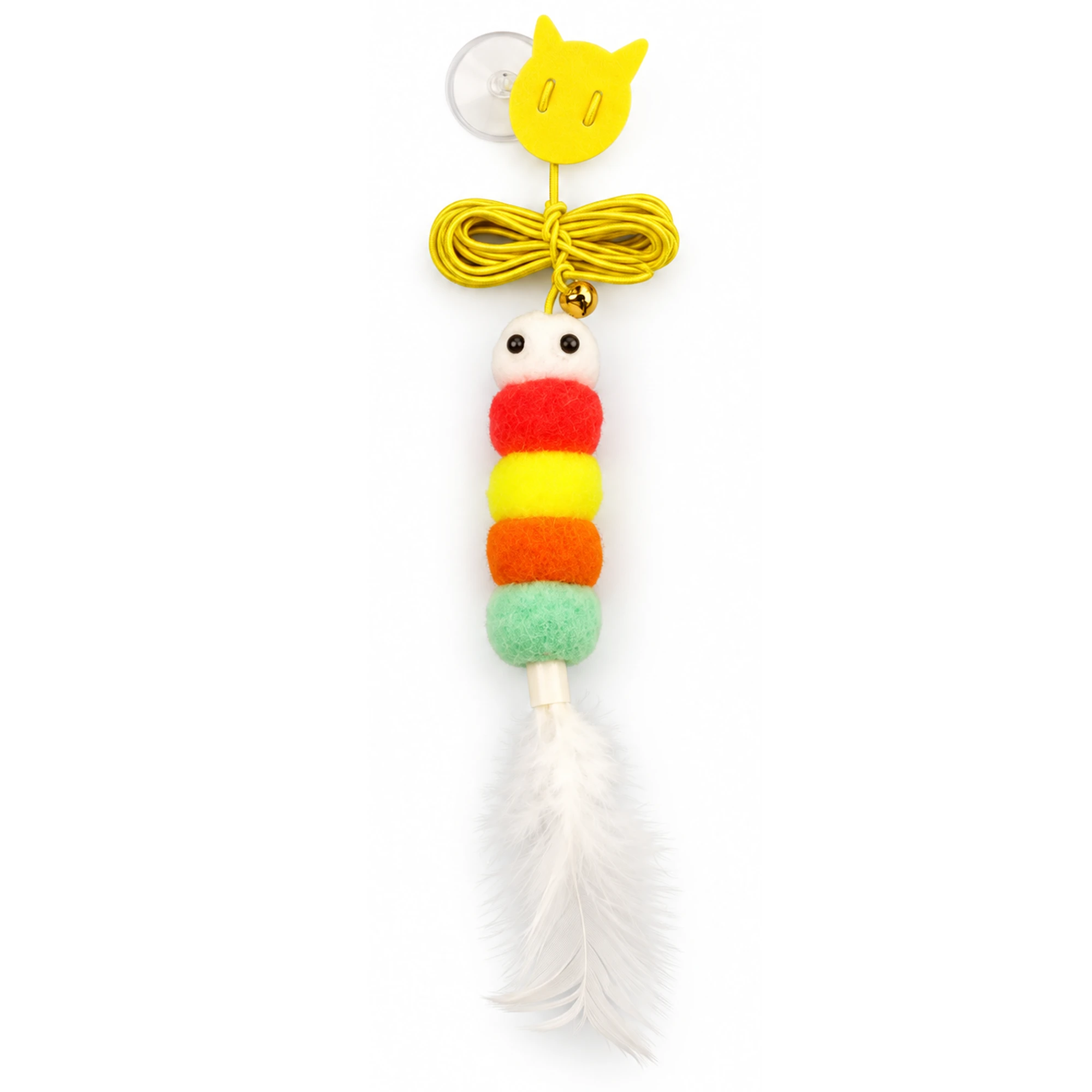
Discover practical indoor cat enrichment ideas for small apartments. Learn how vertical bungee toys, captive ball tracks, and silent puzzle boxes maximize feline stimulation.
A complete pet toy buying guide for first-time owners. Learn how to select safe starter toys, prevent ingestion hazards, and build balanced enrichment routines.
Compare dog toys for puppies vs adult dogs. Understand the developmental timeline from milk teeth to adult jaw strength, safe teething toys, and durable play gear.
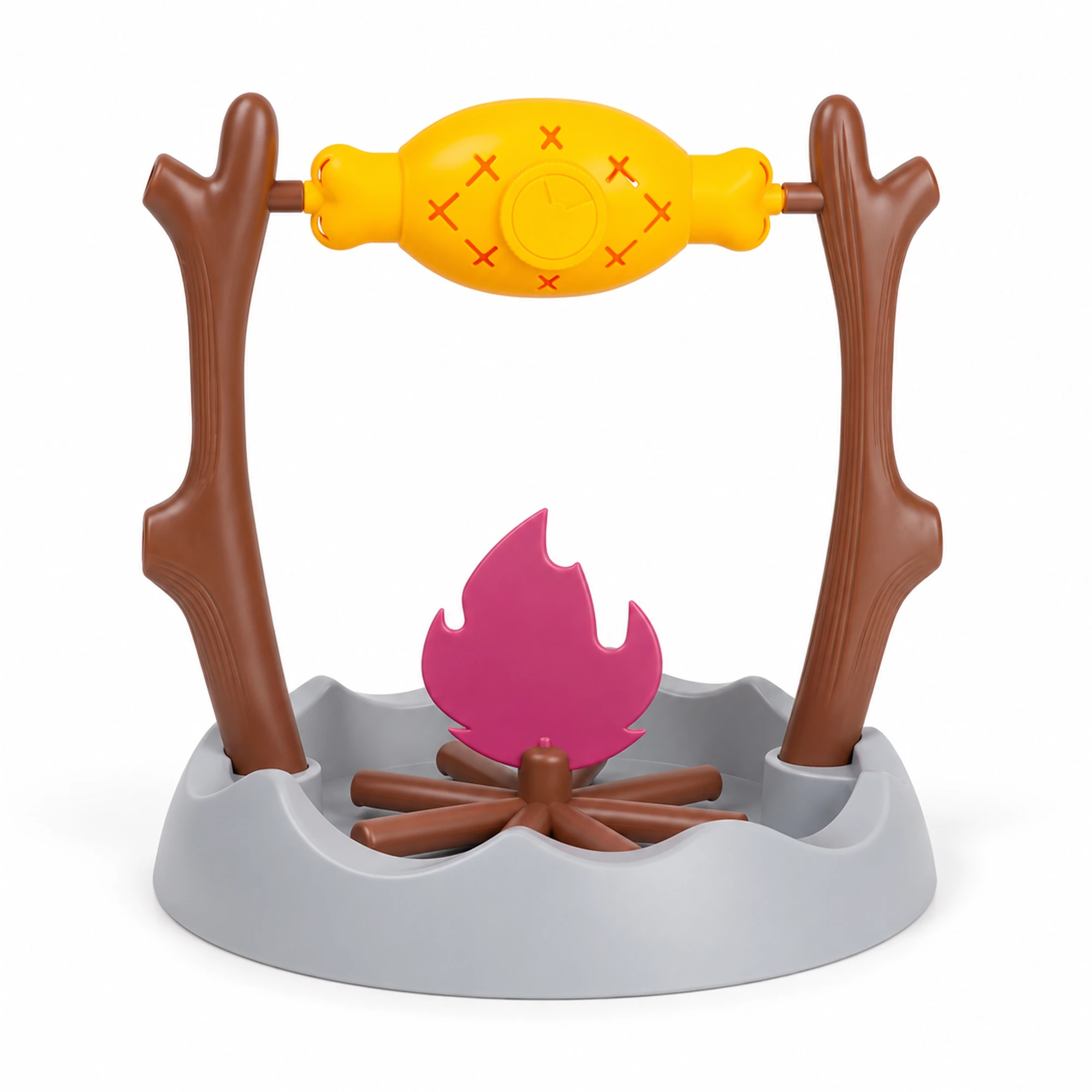
Eliminate feline regurgitation with veterinarian-backed meal pacing. Learn how slow puzzle feeders regulate eating speed and stimulate indoor cats.
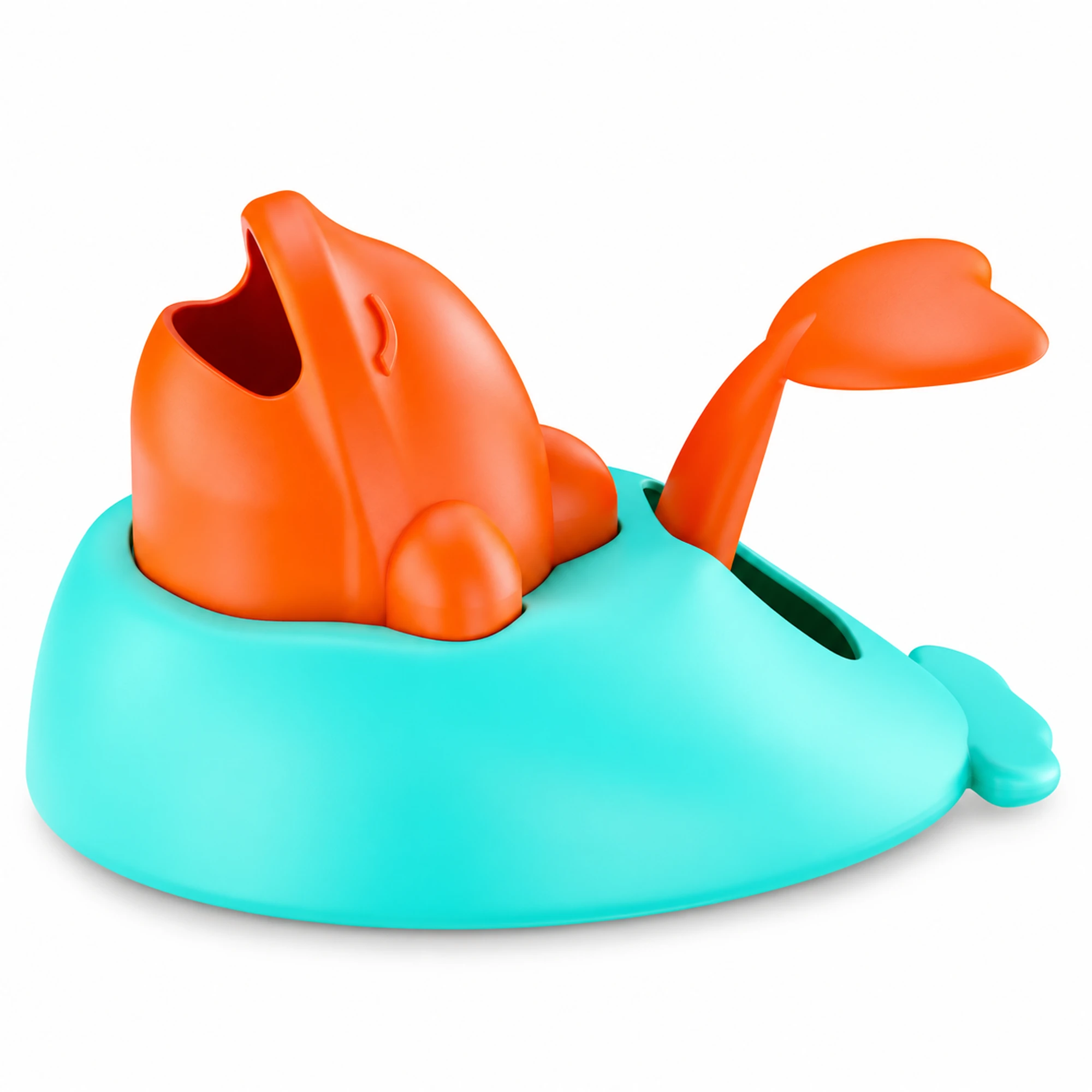
Discover the best water toys for dogs across pools, calm lakes, and ocean surf. Buoyancy checks, visibility tips, and salt water safety protocols.
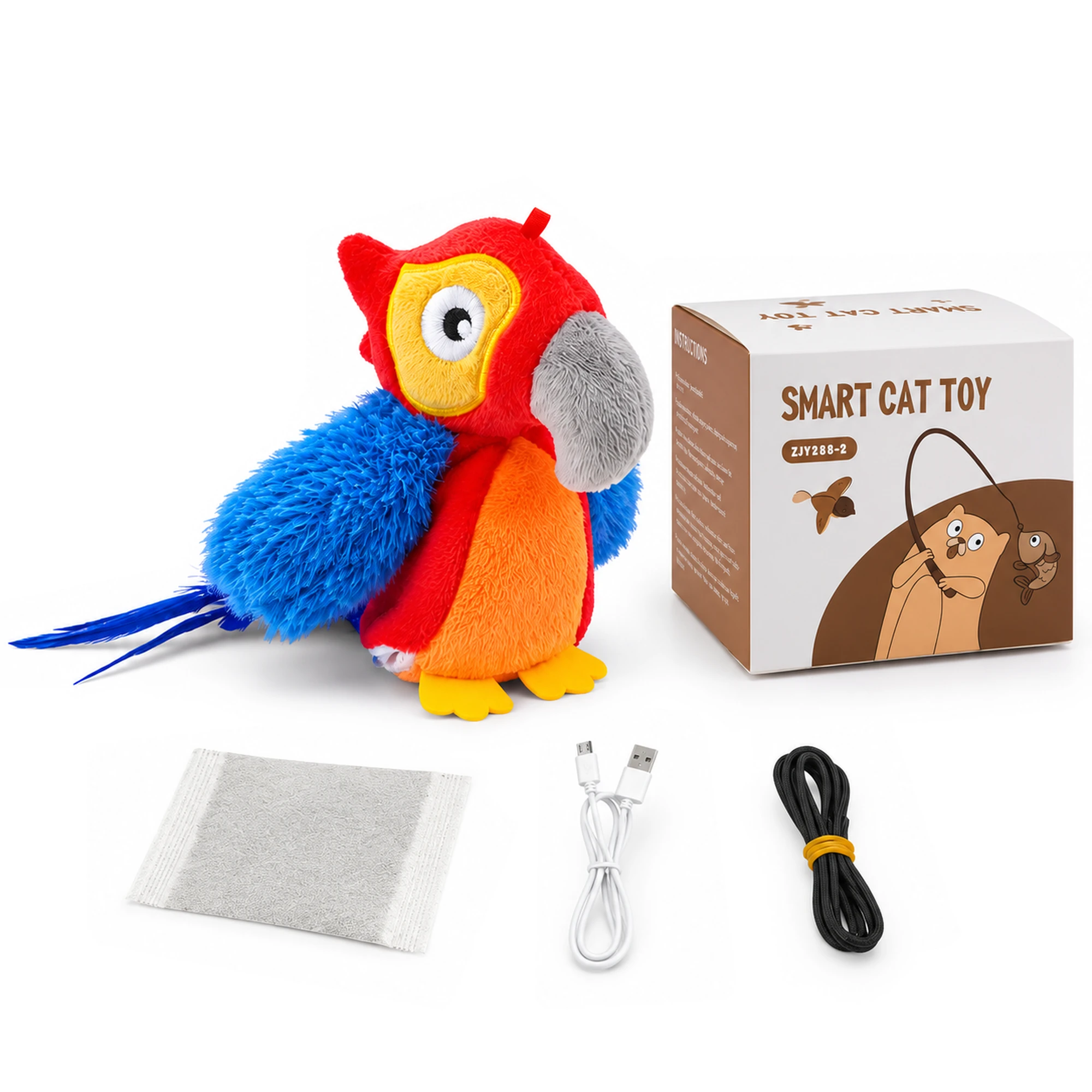
Discover what catnip does to cats, how nepetalactone triggers olfactory euphoria, why genetics govern reactions, and how to introduce safe sensory play.

Distinguish a motor-driven floor ball from a separate-ball launcher. Check the activity, operating instructions and exact set before choosing.
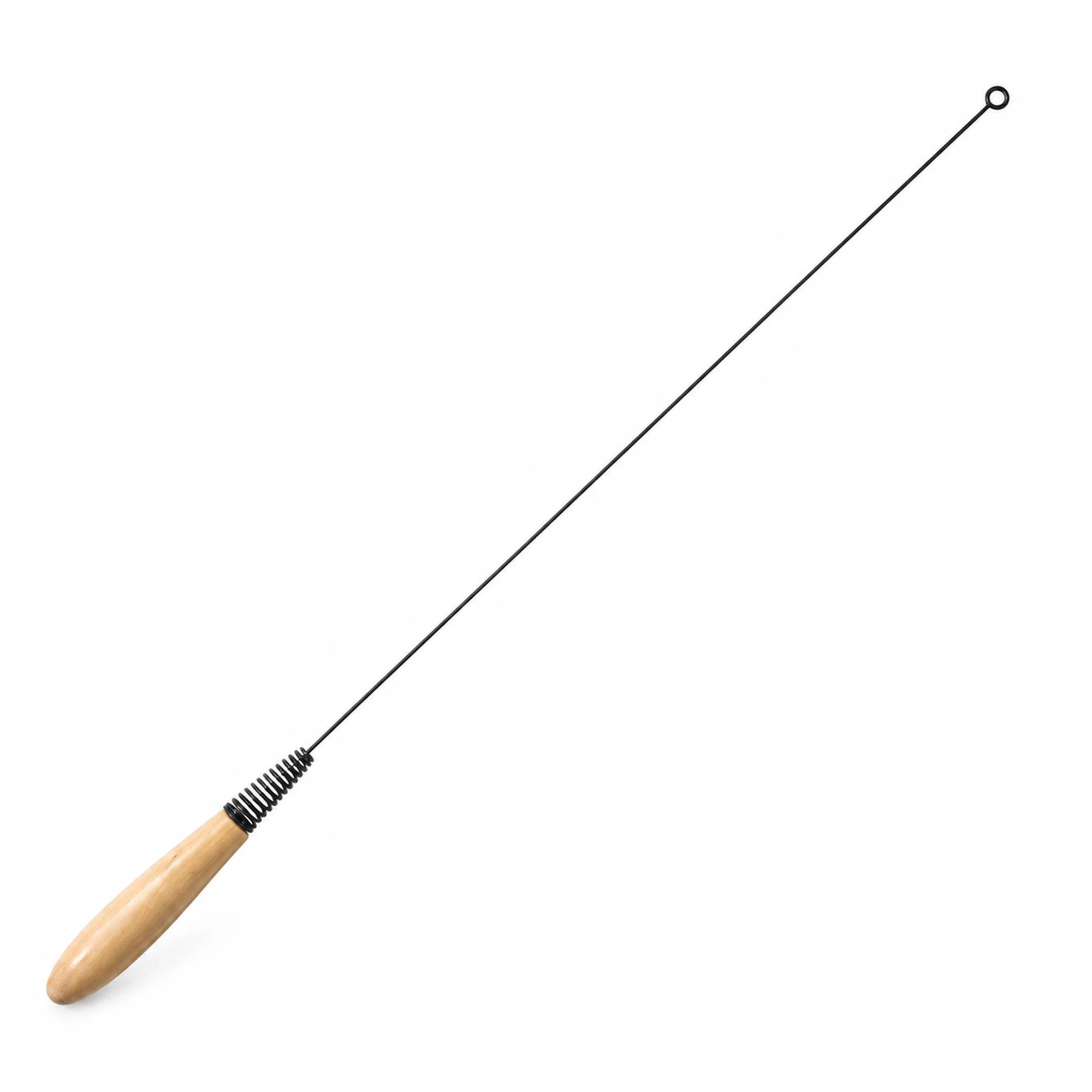
Identify the lure, connector or rod you need. Match the named wand system and version, and confirm exact replacement parts before ordering.
Check food format, loading and outlet controls before changing a treat toy. Use documented adjustments and record what your setup actually releases.

Separate holding, pickup and carrying back when fetch stalls. Choose the next practice step from what your dog does, then build distance gradually.
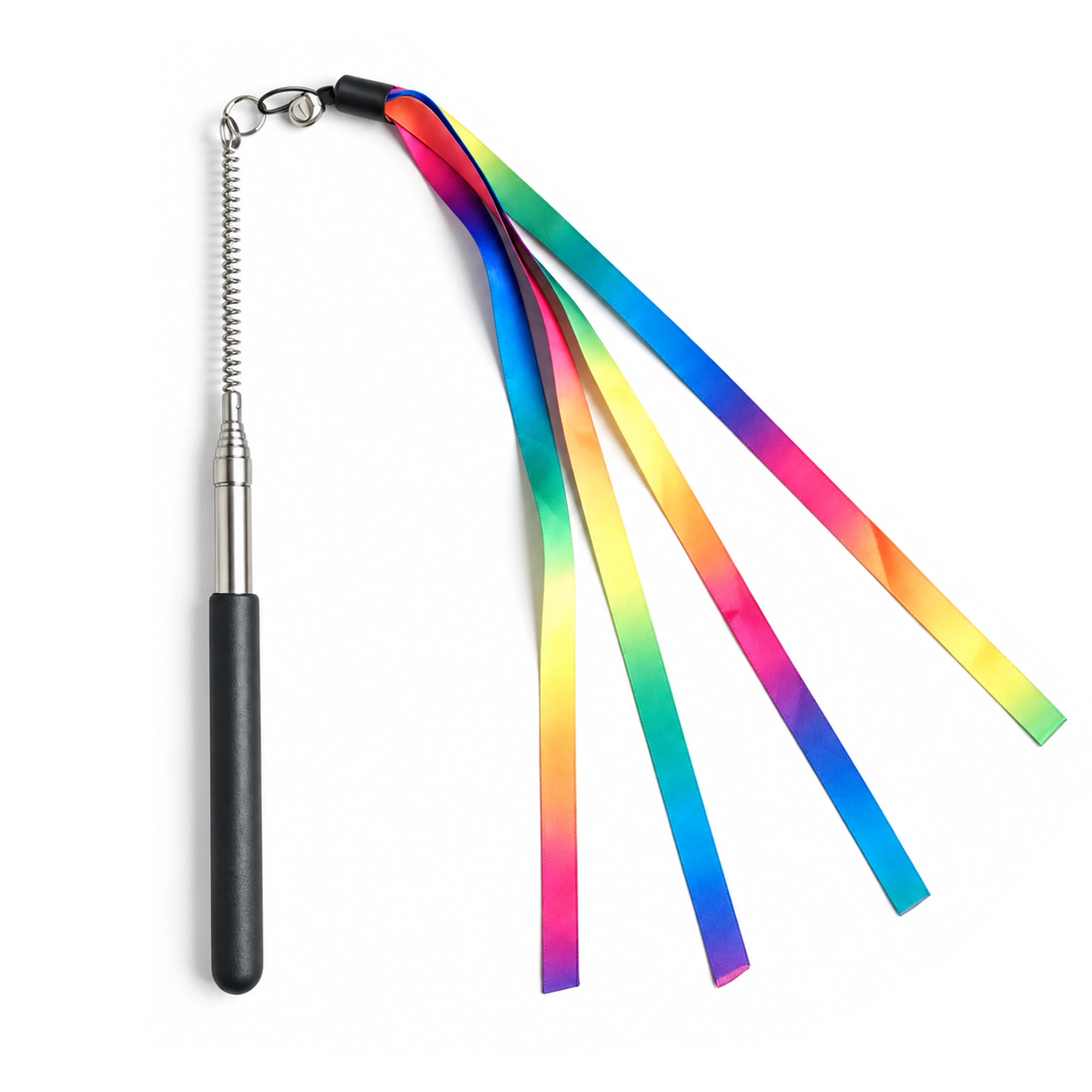
Plan separate play opportunities when one cat takes over. Arrange space, owner attention and toy storage, and address interruptions without forcing group play.
Teach a voluntary toy exchange before adding a drop cue. Compare food and toy rewards, and know when ordinary practice needs professional help.
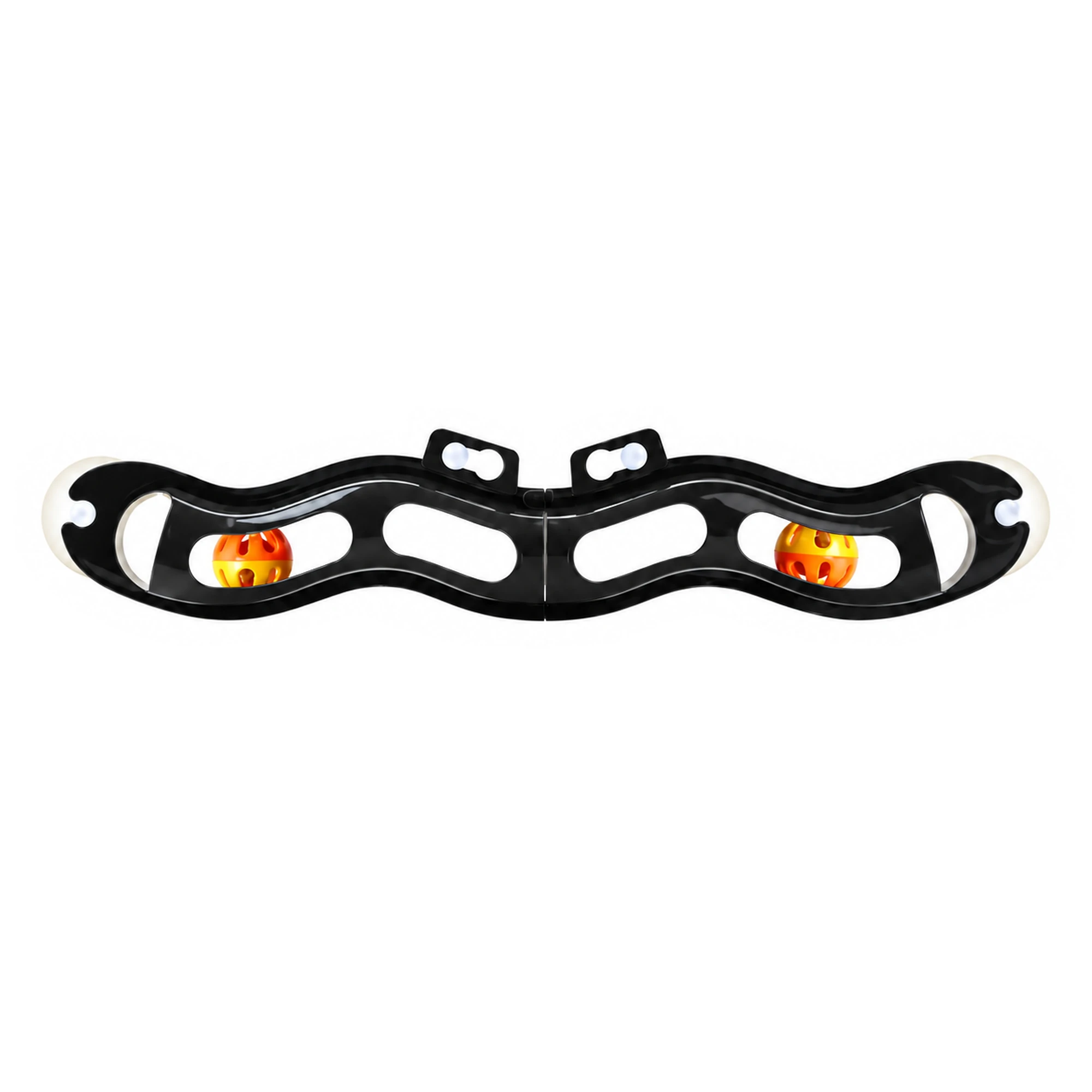
Rotate the cat toys you already own. Sort them by activity and use a blank log to record what you offer, how you play and your cat’s response.
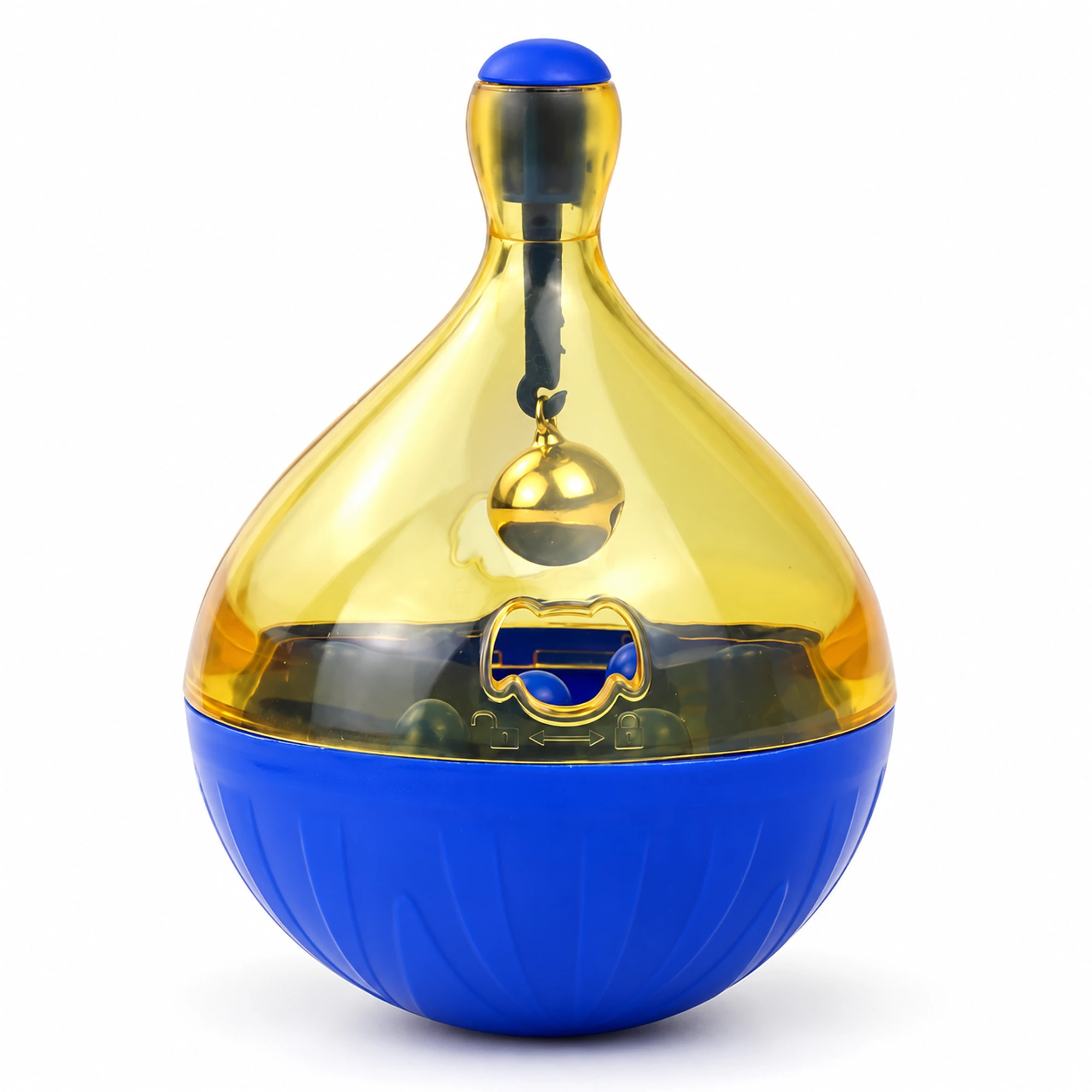
Help your dog try a treat-dispensing toy: check the loading and movement, demonstrate a release, and record what your dog does next.
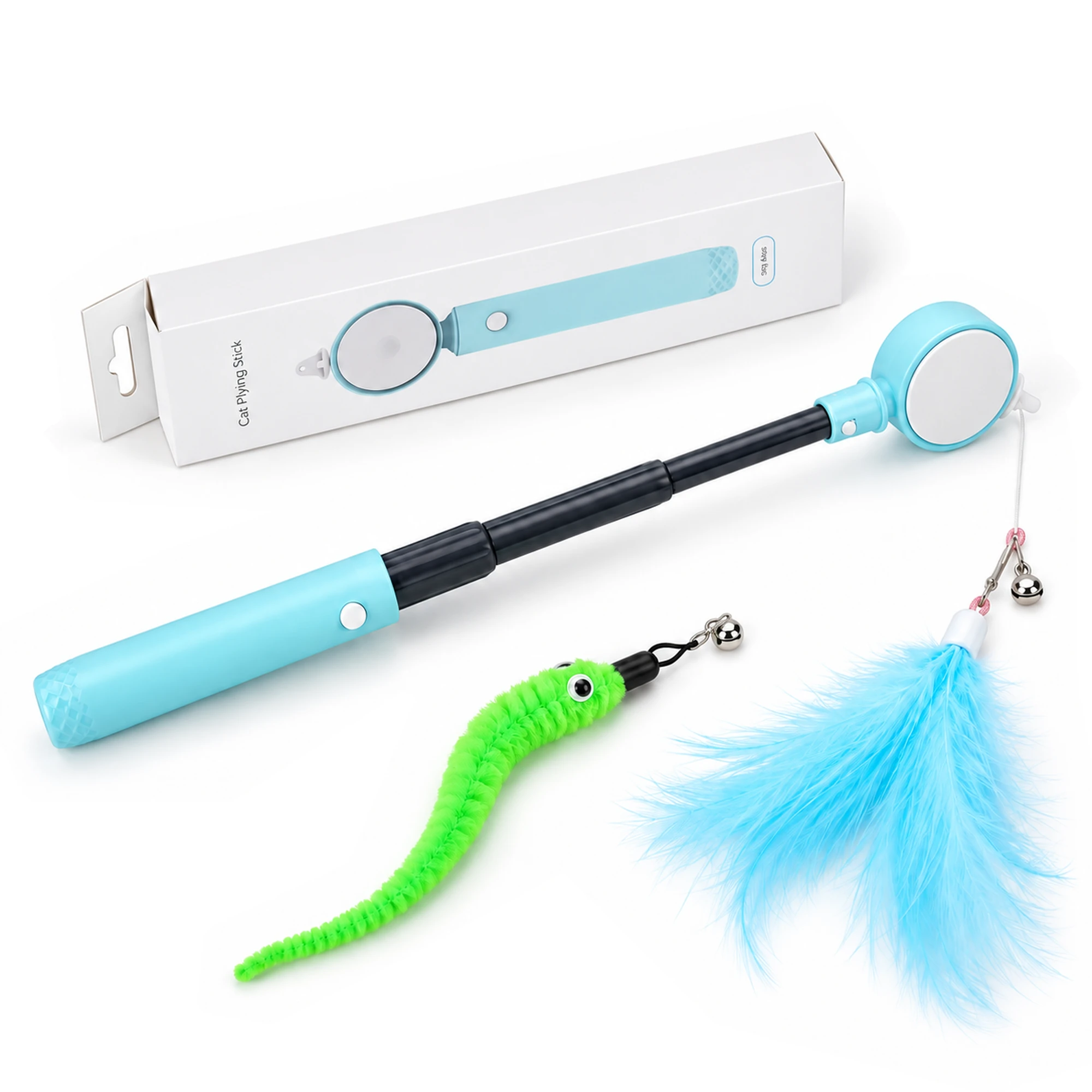
Plan a shared cat-wand session with low movements, pauses and chances to catch. Use your cat’s response to choose the next move.
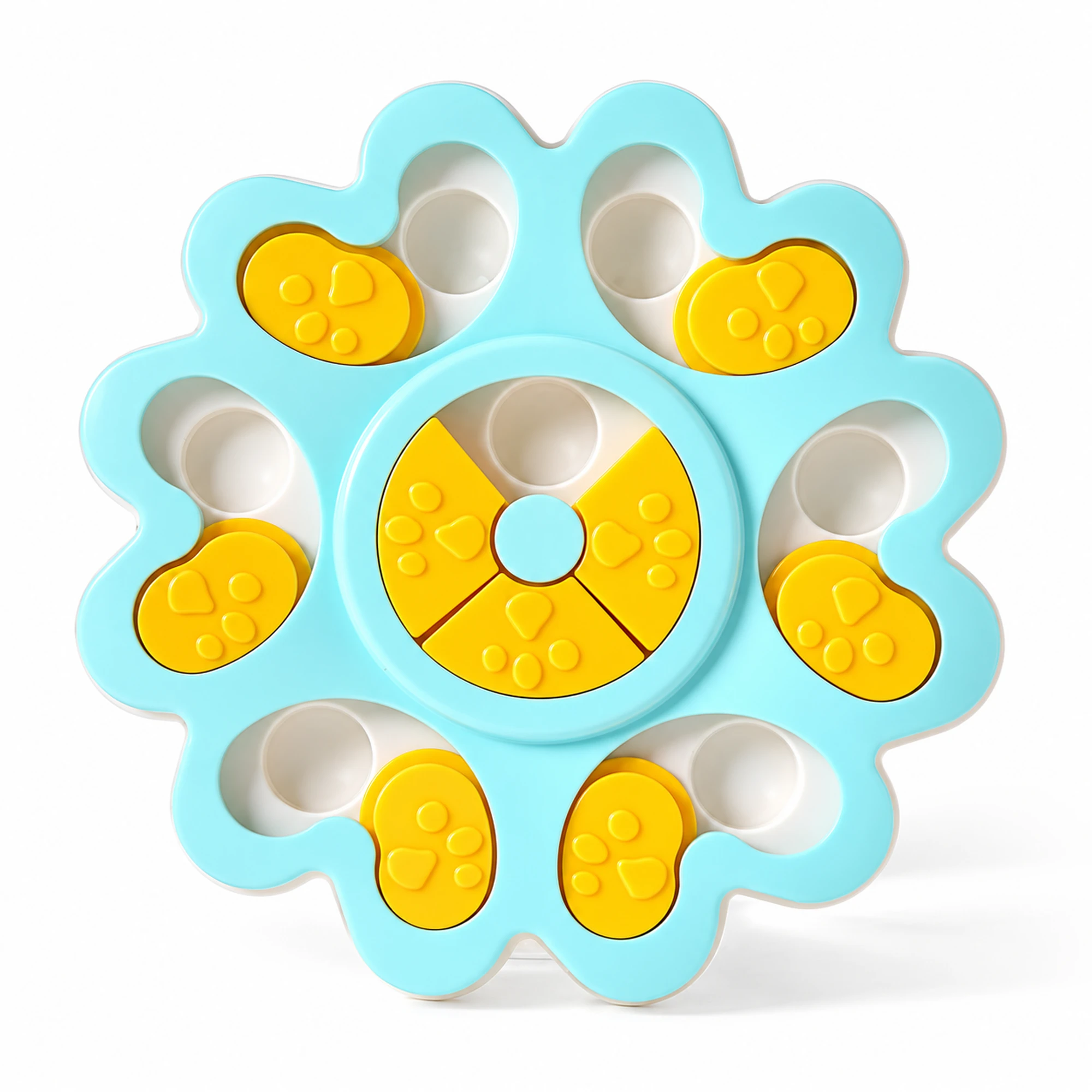
Dog bored with a puzzle toy? Explore owner suggestions for rotation and variety, compare toy layouts, and learn how to read brand-specific difficulty labels.
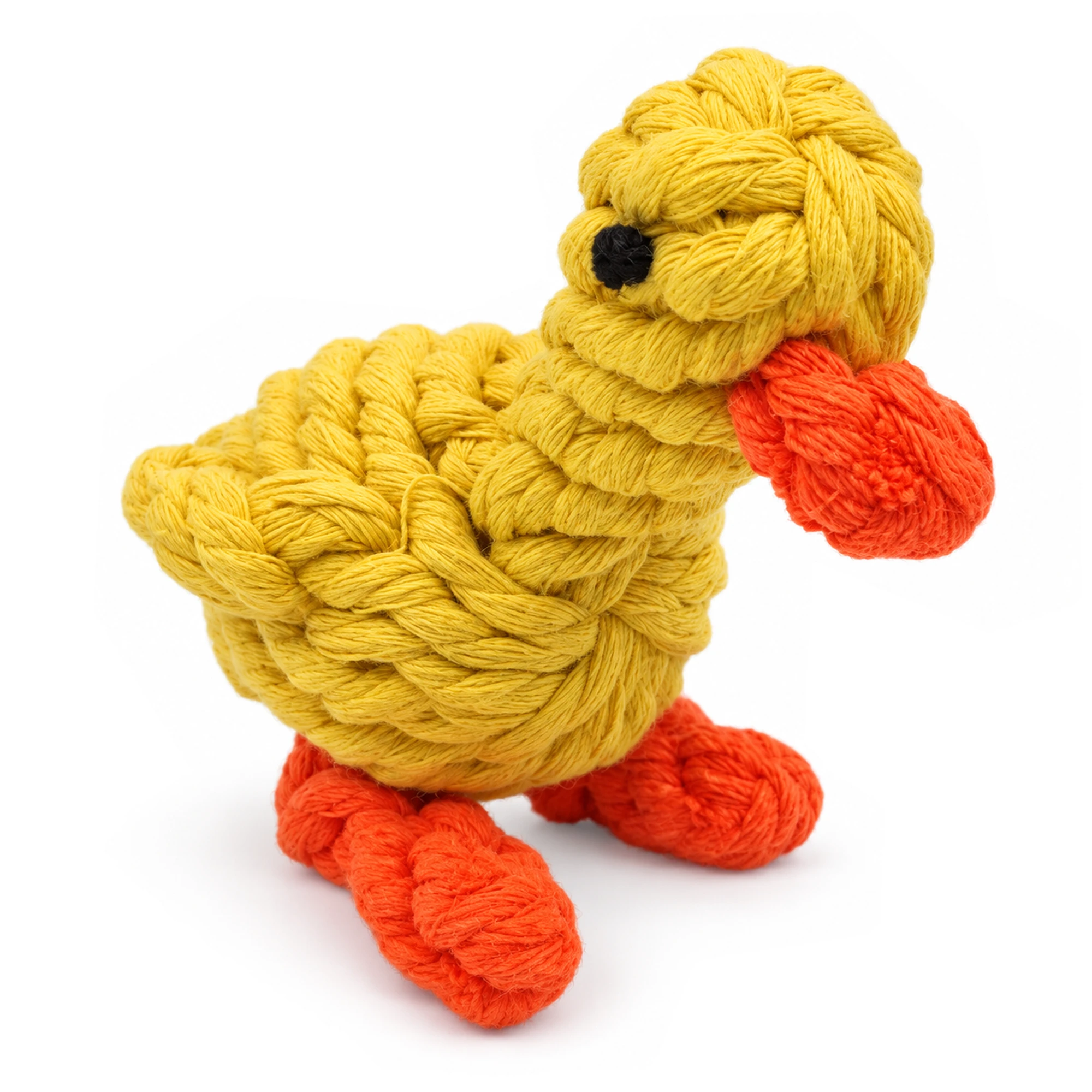
Are rope toys safe for dogs that shred and swallow pieces? Read veterinary guidance on swallowed objects and the limits of product descriptions.
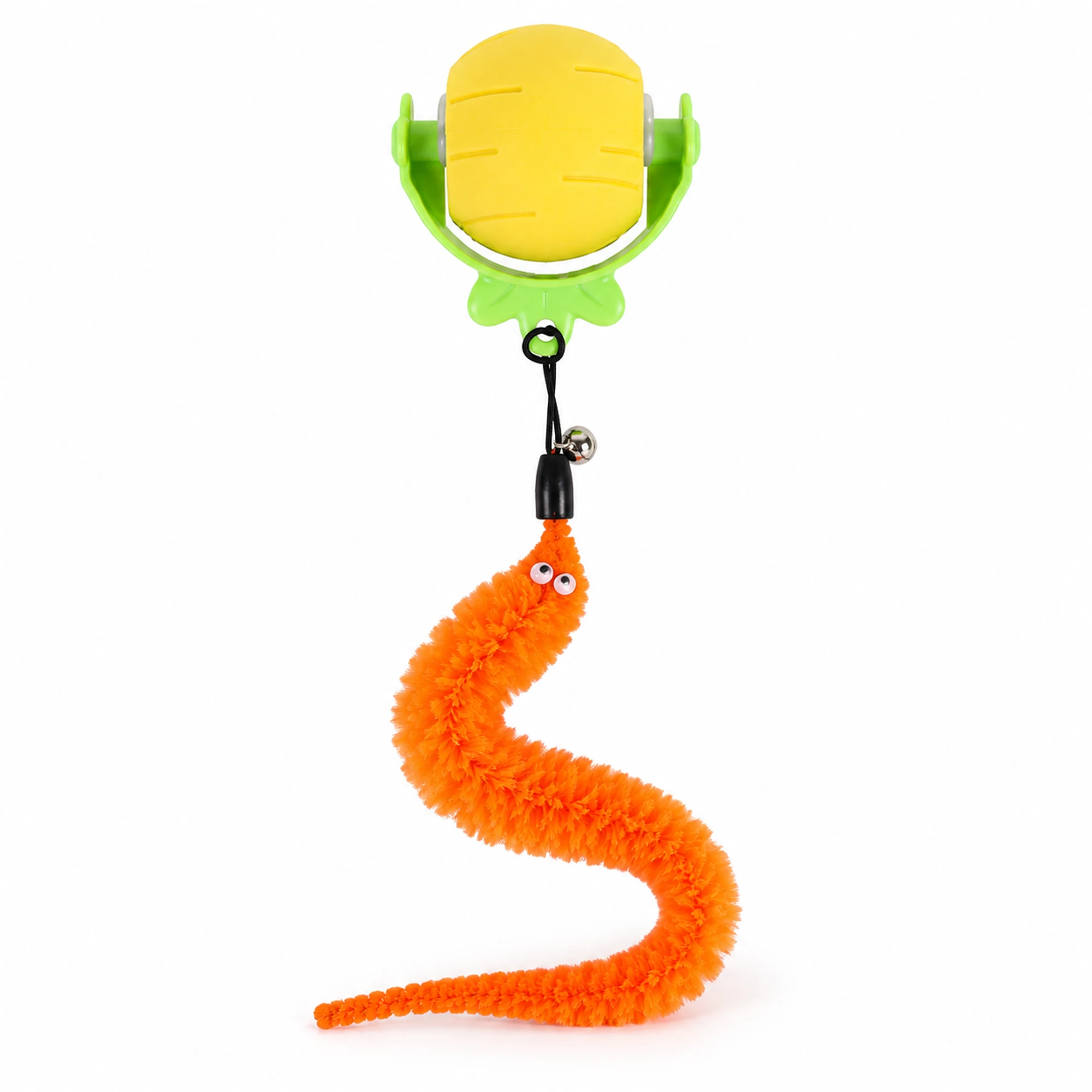
Compare power, charging and accessory details in three cat toy listings, and use owner battery stories to identify questions for the exact model.
Build an end-of-play routine for cat string toys: put the wand away, check its parts before reuse, and read the instructions for your exact toy.
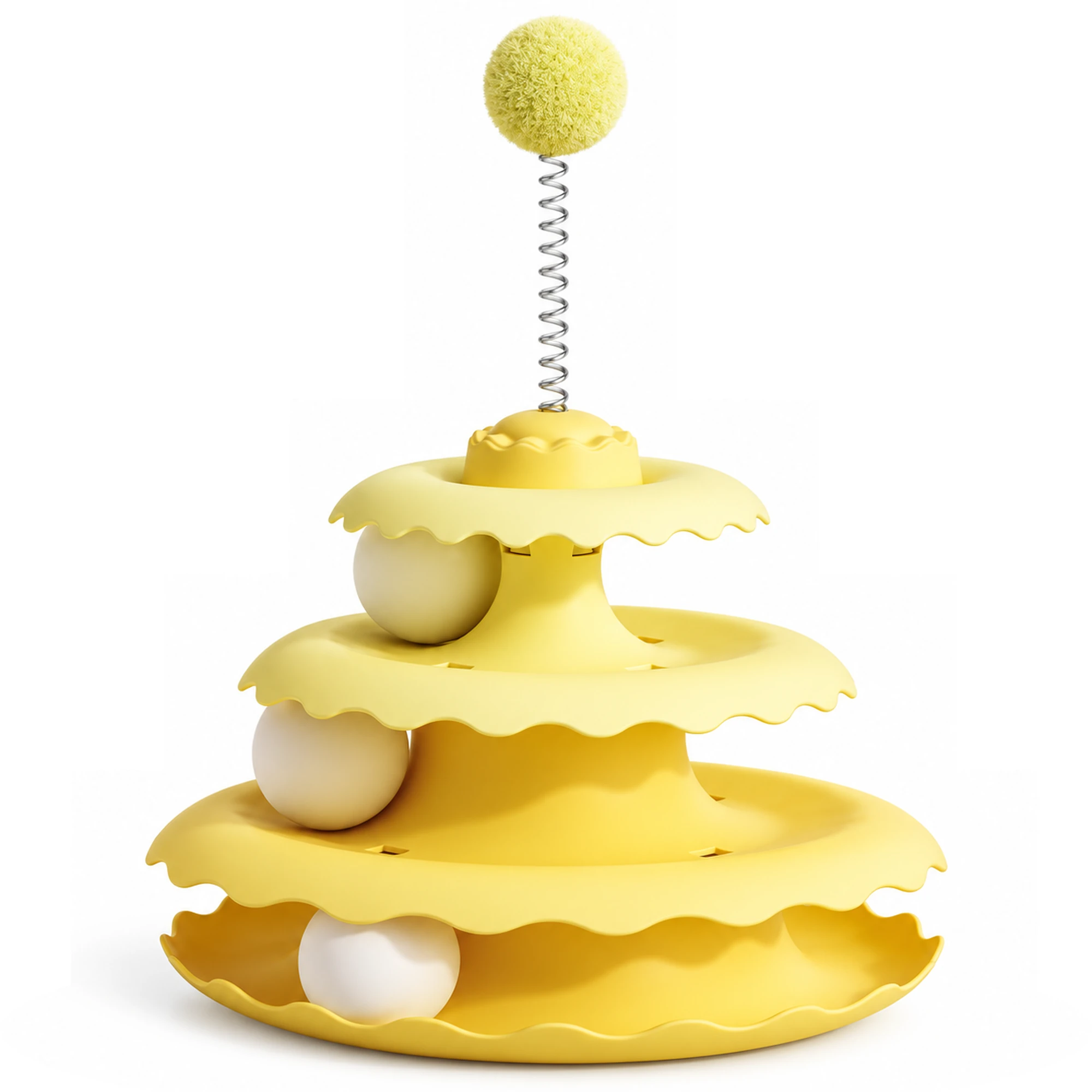
Compare two three-ball cat track toys by body shape and upper attachment, with their own supervision instructions and clear cleaning limits.
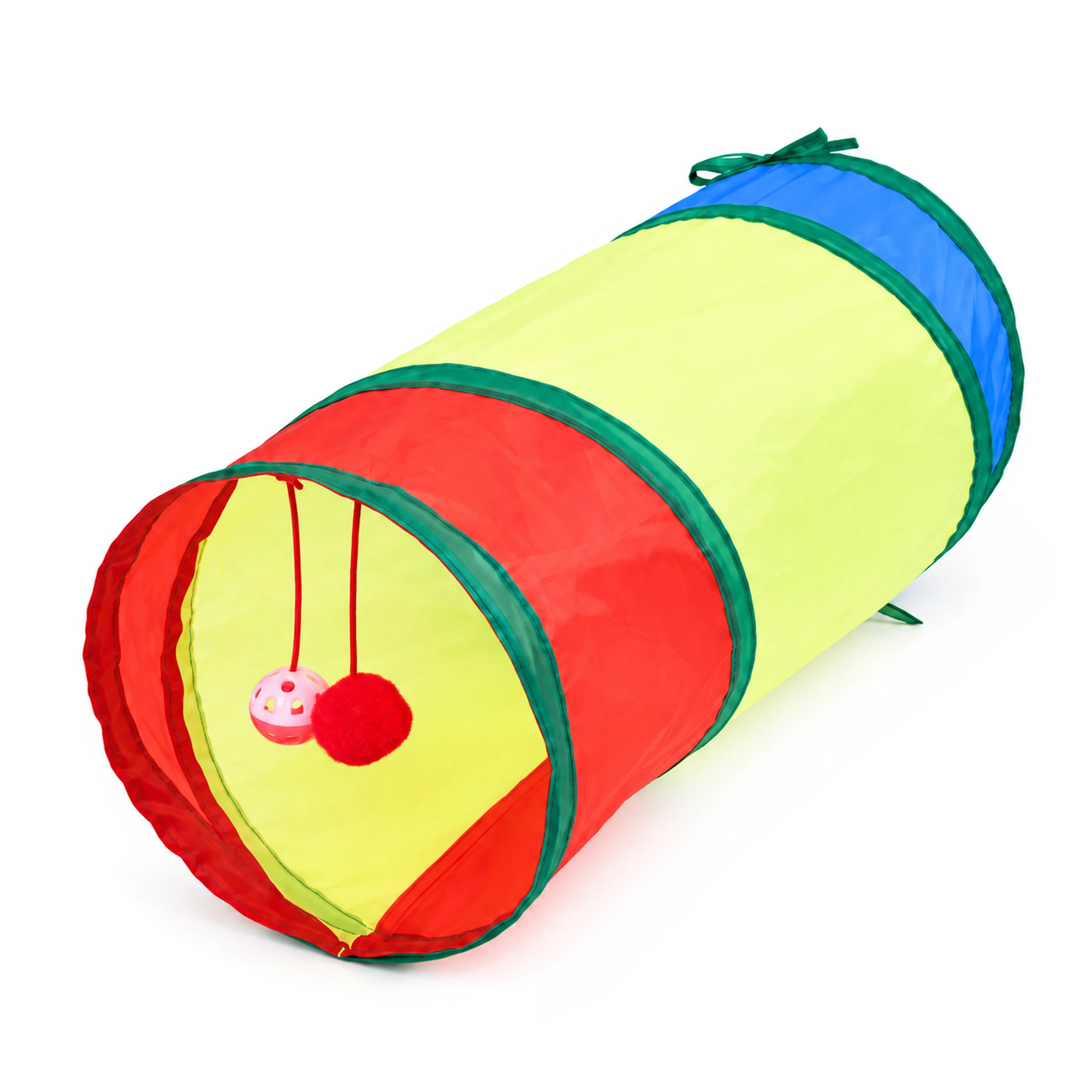
Check a cat tunnel’s hanging ball and pompom, plan a supervised session, and inspect and store the whole toy afterward.
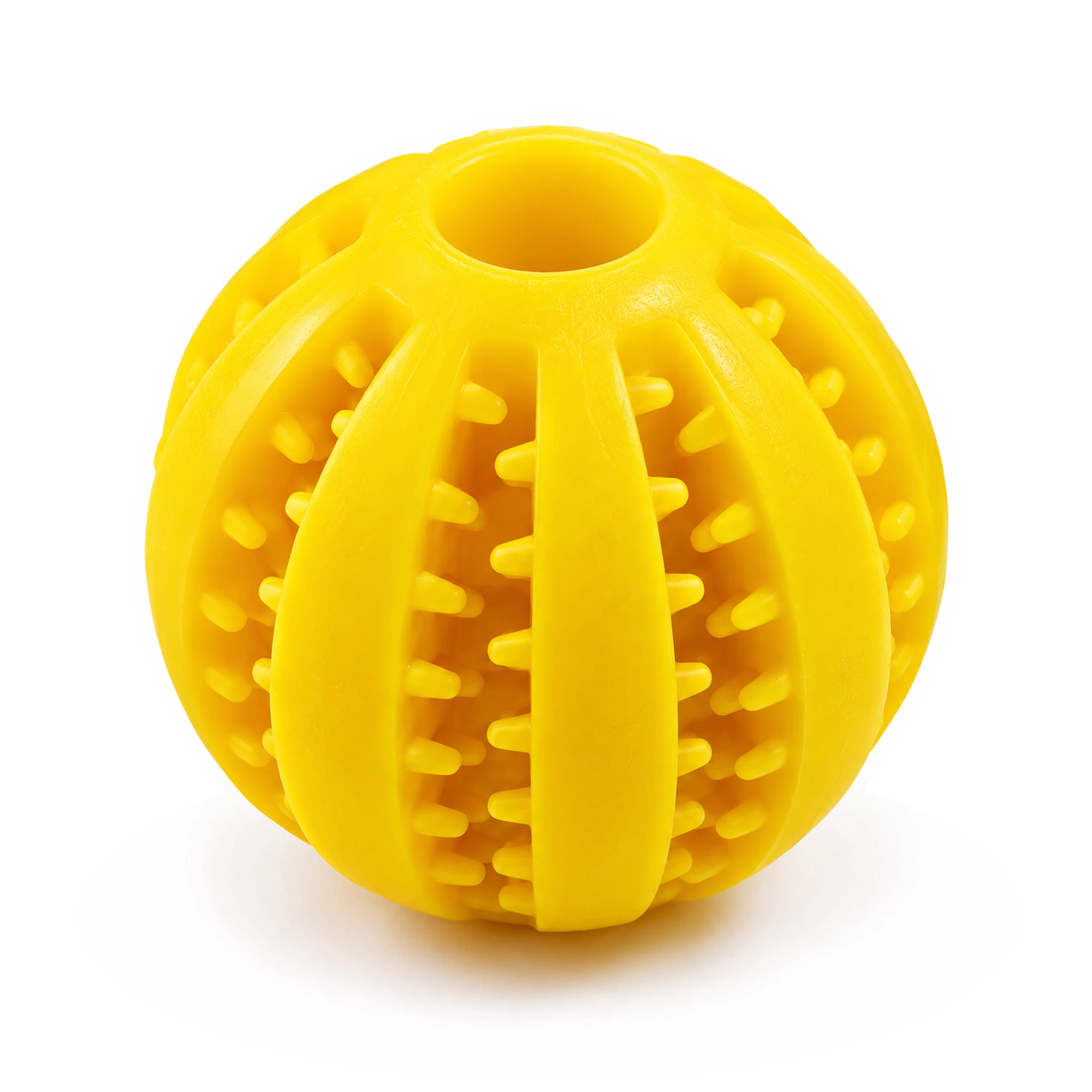
Understand dog toy size labels, supplier dimensions and missing measurements, with three listing examples and questions to resolve before choosing.
Find the cleaning instructions for your exact treat toy, compare PetSafe and KONG examples, and see why another owner's washing method may not apply.
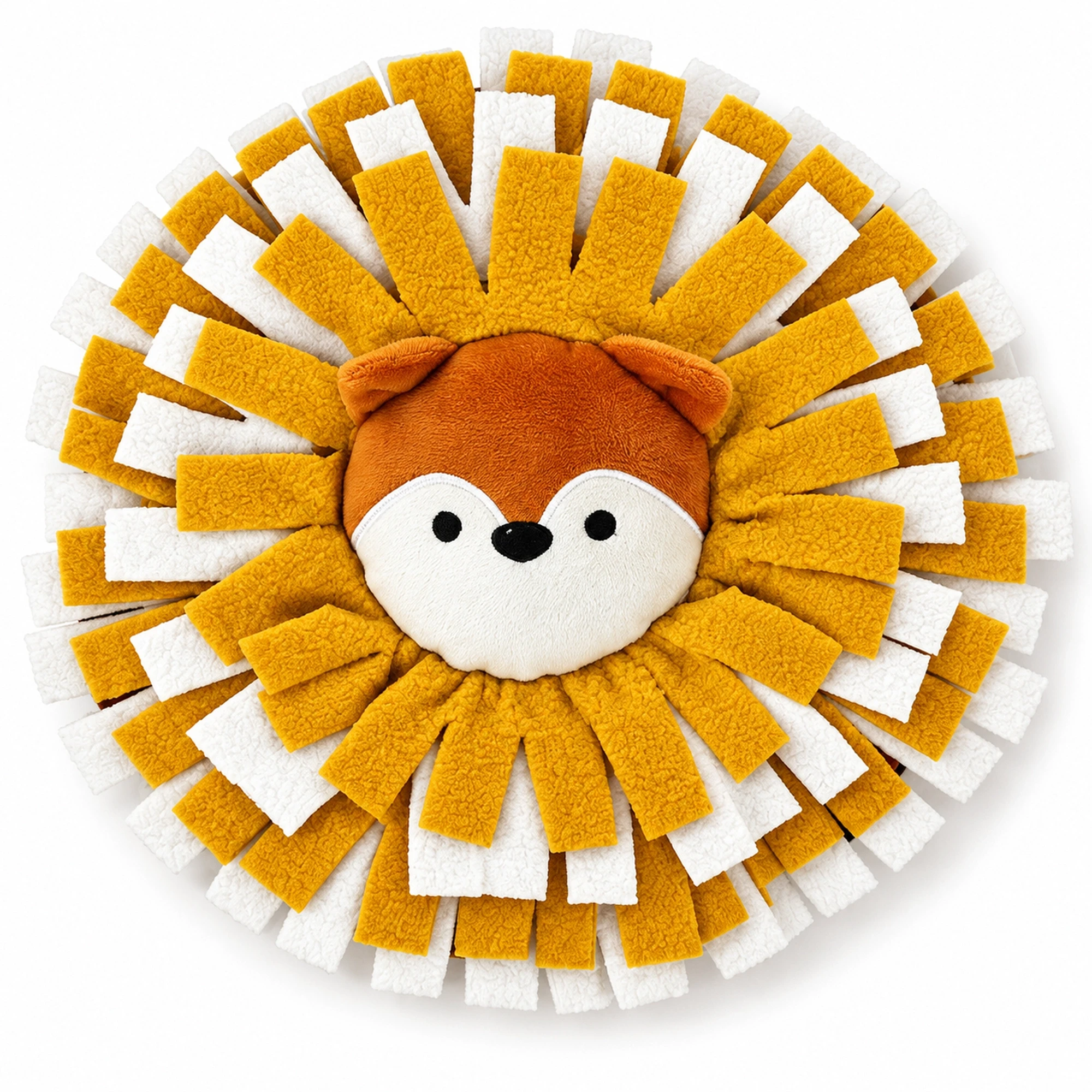
How to use a snuffle mat: understand the food-search activity, compare three listing descriptions, and read a brand-specific introduction routine.
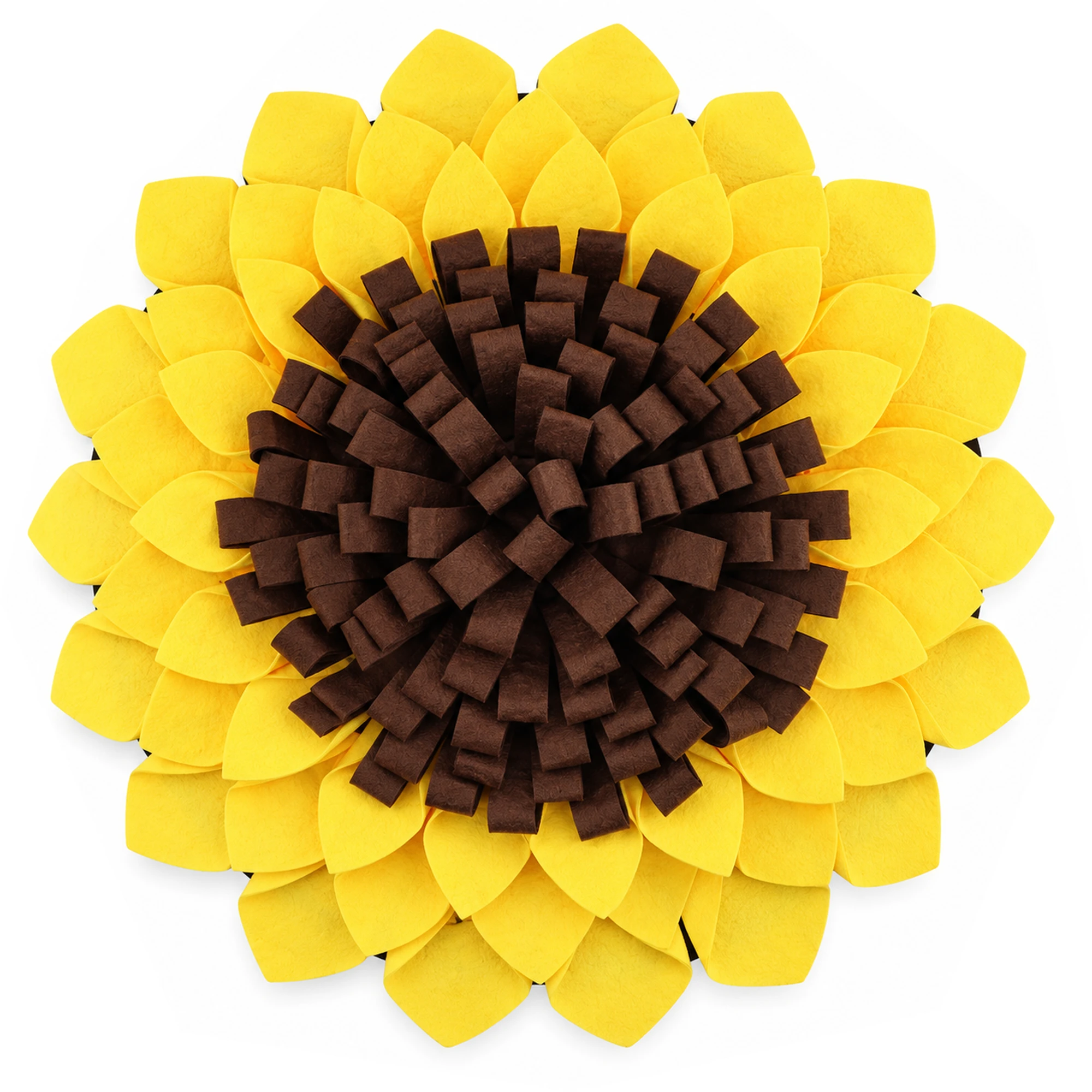
Learn how to check snuffle mat care instructions, compare brand-specific washing examples, and ask the right questions when your mat has no wash label.
Follow a plush toy's washing and drying instructions, with KONG and West Paw examples and care questions for two JoyPetPlay toys.
Compare a wand rod, powered roller and paw-play track by their operating details, included parts and preparation before choosing a cat toy.
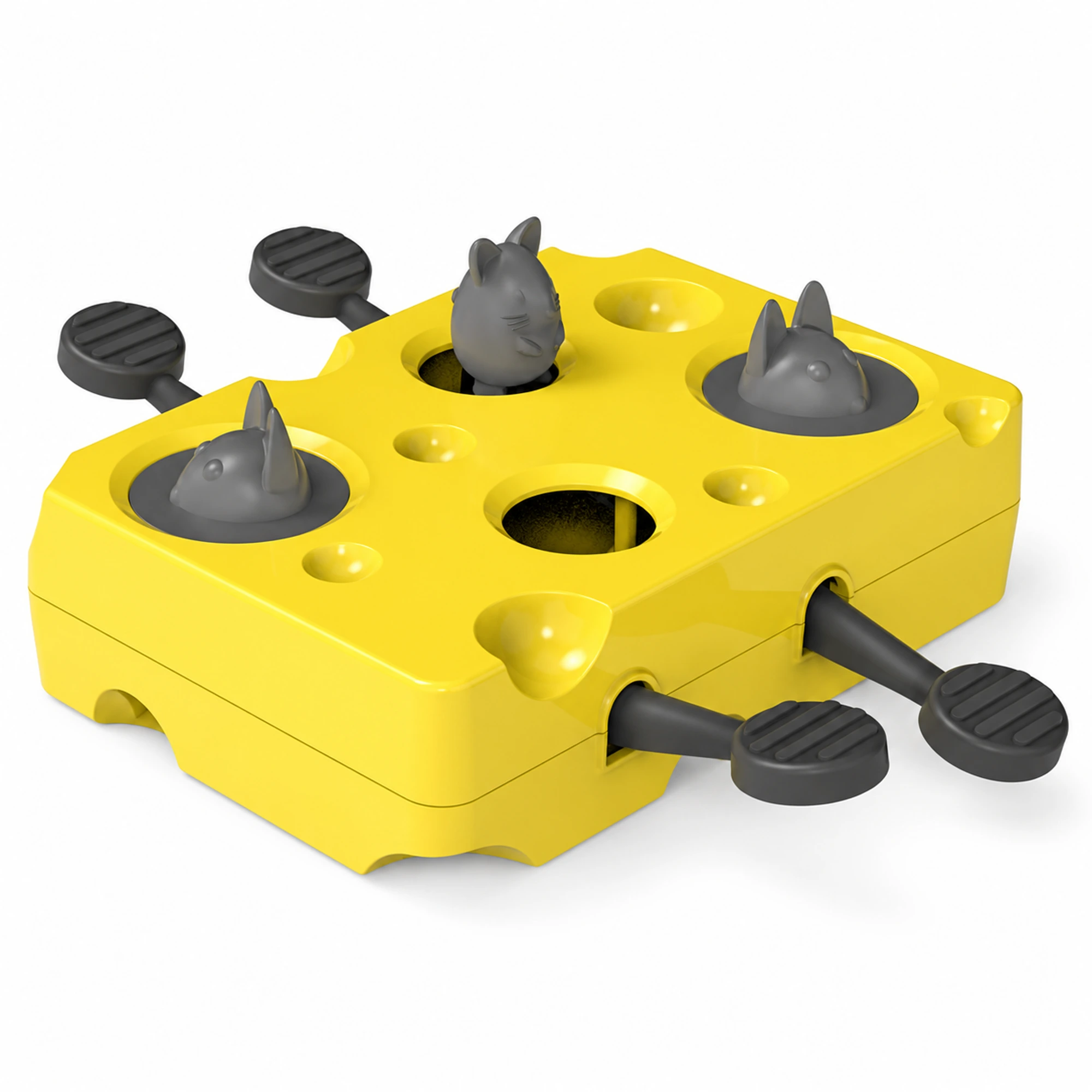
Compare the cheese toy’s manual paddle-to-mouse action with the wooden toy’s paw-shaped side levers, and separate pressing a paddle from supervised treat placement.
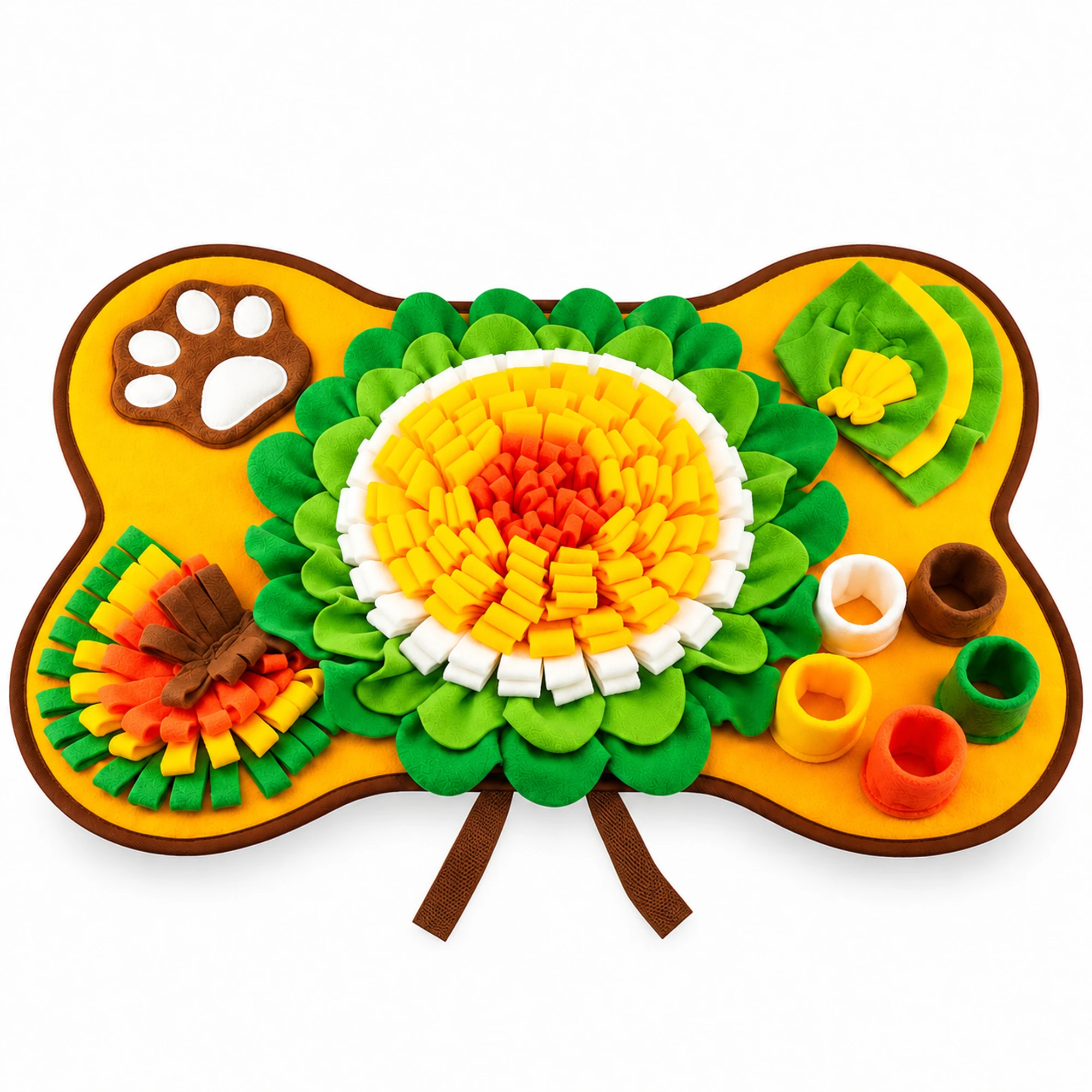
Understand supervision advice for squeaky dog toys and find the stated squeaker locations in two foraging toys before planning play.
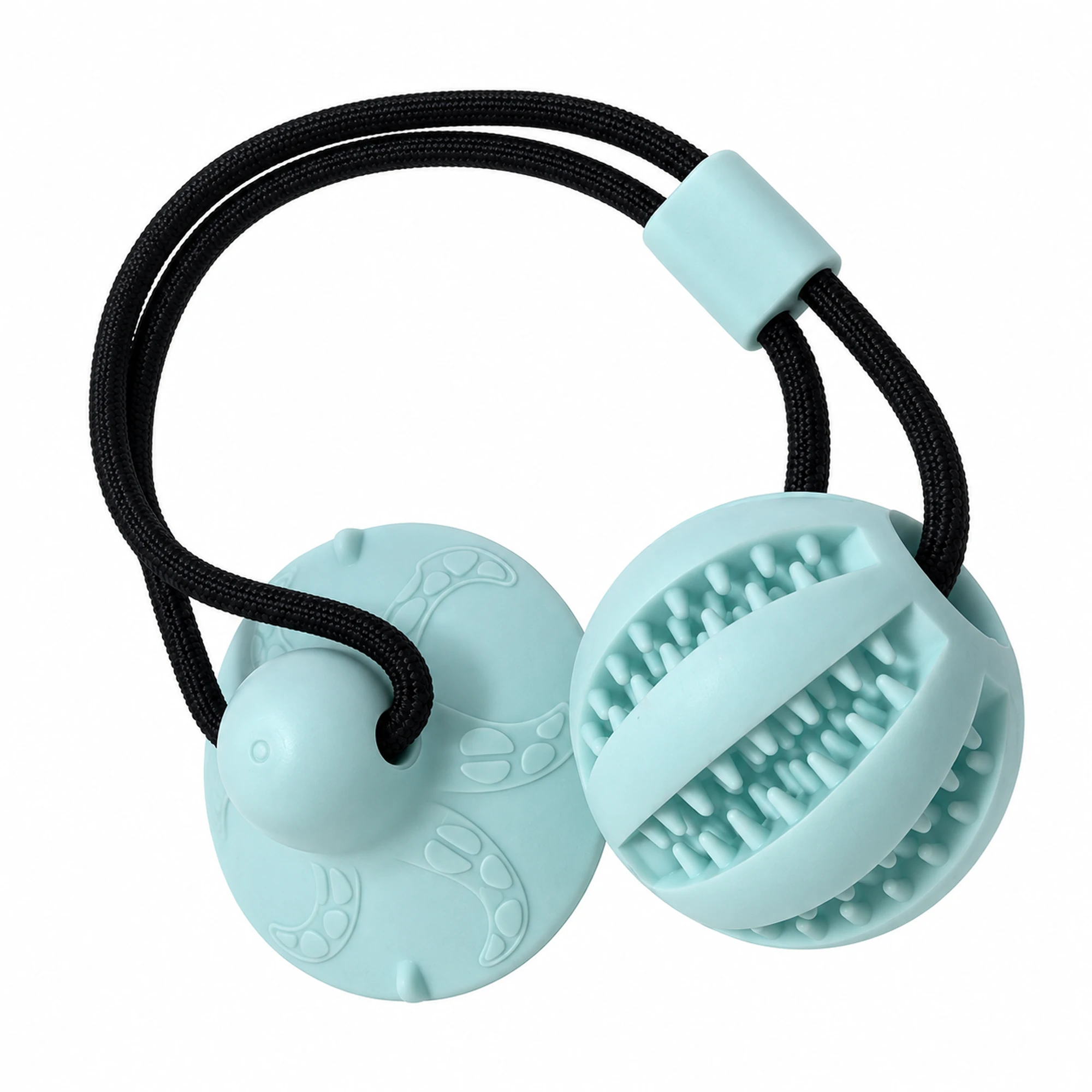
Compare documented floor guidance, mounting and release instructions before choosing a suction-cup dog toy for your home.