Recognizing the Hidden Signals of Feline Chronic Boredom
Pet parents often equate quiet behavior with deep feline satisfaction. Since adult cats rest between twelve and sixteen hours each day, prolonged stillness gets confused with healthy relaxation. In small homes, persistent silence frequently signals quiet sensory deprivation. Domestic felines carry keen hearing, sensitive whiskers, and muscular reflexes built for tracking moving animals. When an apartment offers zero unpredictable motion, lack of stimulation transforms into lasting stress.
Feline restlessness looks very different from human fidgeting. While humans wander into kitchens or browse screens, a bored cat retreats inward or develops repetitive physical habits. Excessive licking ranks among the most frequent signs. With nothing else to investigate, an anxious pet grooms the same patch of fur across their abdomen, inner thighs, or wrists until hair snaps and raw skin appears. This rhythmic licking triggers soothing neurochemicals, acting as an instinctive coping mechanism for an unstimulating living area.
Other felines show frustration through quiet mischief around the house. They push pens off writing desks, unravel bathroom paper rolls across tiles, nibble dangling wires, or meow at cabinet doors whenever their guardian stands up. Some cats walk steady laps along apartment walls or stare intently at bare plaster corners. These actions reflect genuine boredom rather than deliberate defiance. The animal has simply exhausted every stimulating puzzle in their territory.
Eating patterns can also reveal emotional distress. Cats grazing continuously from dry food bowls often crunch kibble simply because chewing provides the only sensory input in an empty room. In contrast, other under-stimulated cats snooze twenty hours daily, ignoring meal calls completely. Spotting these small warnings allows guardians to improve daily enrichment before physical health declines.
The Lethargy Trap: Why Inactive Cats Seem Lazy Rather Than Under-Stimulated
Frustrated guardians often assume their pet is naturally sluggish and indifferent to movement. A person purchases a small bag of foam mice, flicks one across the rug, and watches the cat stare blankly before returning to sleep. The owner sighs, assumes the cat not interested in toys, and abandons interactive play entirely.
Veterinary professionals call this cycle the lethargy trap. Lack of movement produces stiff joints, slow metabolism, and behavioral indifference. When a predator goes months without stalking anything, neurological arousal drops sharply. The animal stops expecting interesting events. Tossing a dead plastic mouse across a static carpet fails to ignite hunting instincts because motionless plastic carries none of the acoustic or tactile traits of real prey.
Mastering how to get a lazy cat to play involves studying natural hunting triggers. Wild rodents and small birds never rush straight toward a watching feline. Real prey darts away into tight crevices, pauses beneath wood cabinets, and makes faint rustling sounds against baseboards. To stir an inactive pet out of lethargy, you must offer gear that reproduces authentic prey movement.
Body conditioning directly influences daily activity. An overweight pet uses substantial energy just getting up from rugs or climbing onto chairs. Heavy joints ache under added strain, discouraging energetic pursuits. Encouraging a heavy, sedentary feline requires gentle, low-impact games that offer immediate mental rewards without demanding high-speed running on the first day.
Reviving Prey Instincts with Moving Tactile Toys
Waking a sedentary cat requires dynamic play objects that react immediately to physical touch. Items that produce independent motion or tactile resistance awaken chasing reflexes far more effectively than static foam balls.
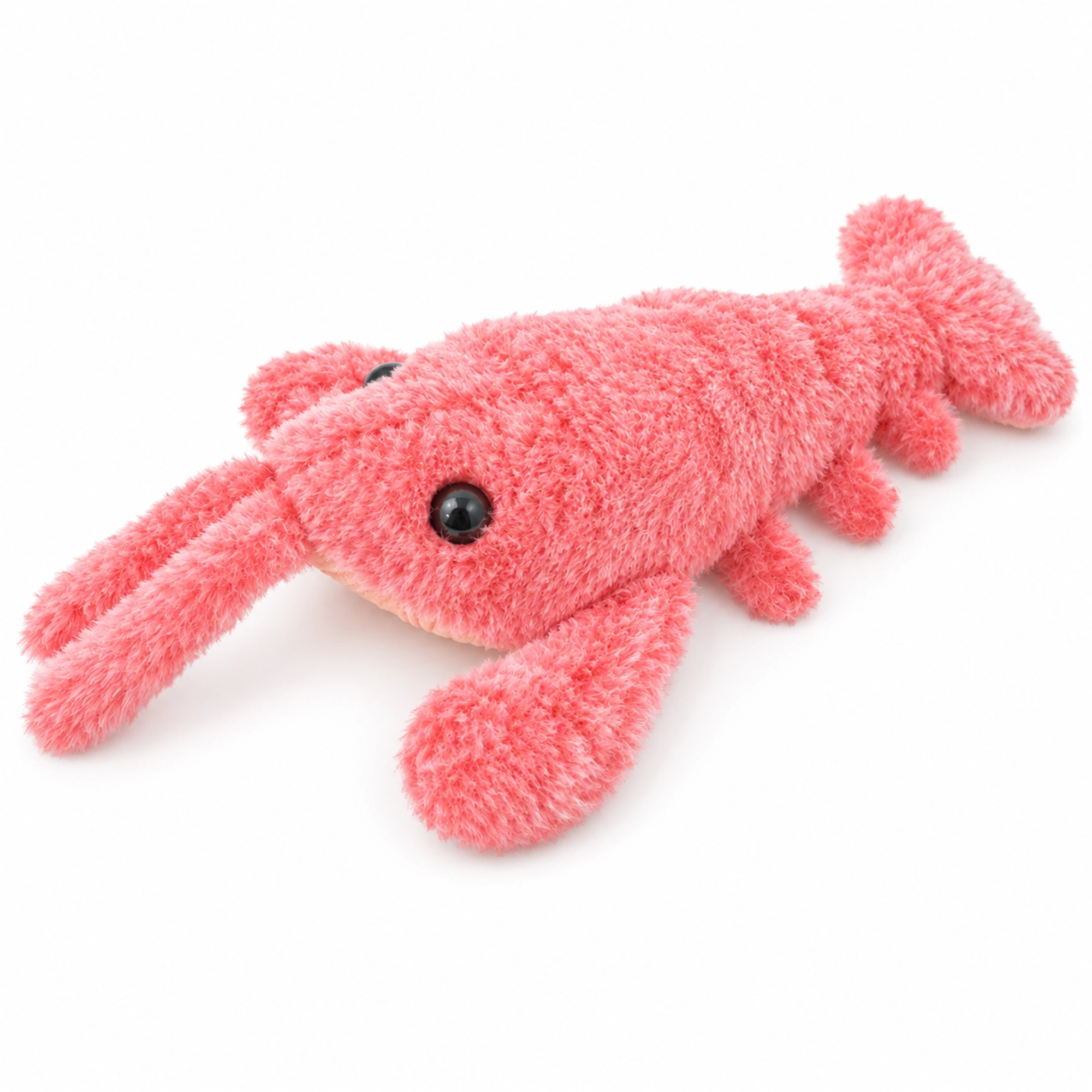
The Pink Wiggle Plush Lobster Toy with USB Rechargeable Moving Tail excels at breaking persistent apathy. Priced at 12.50 dollars, this soft kicker contains internal motion sensors paired with a motorized tail mechanism. When an indifferent cat brushes against the toy on the carpet, the sudden tail movement grabs acute predatory interest. The rhythmic twitching copies a flapping fish or fluttering grasshopper. Cats clasp the soft plush torso with front paws while kicking the tail with rear claws. This full-body motion exercises rear leg joints and releases pent-up predatory drive.
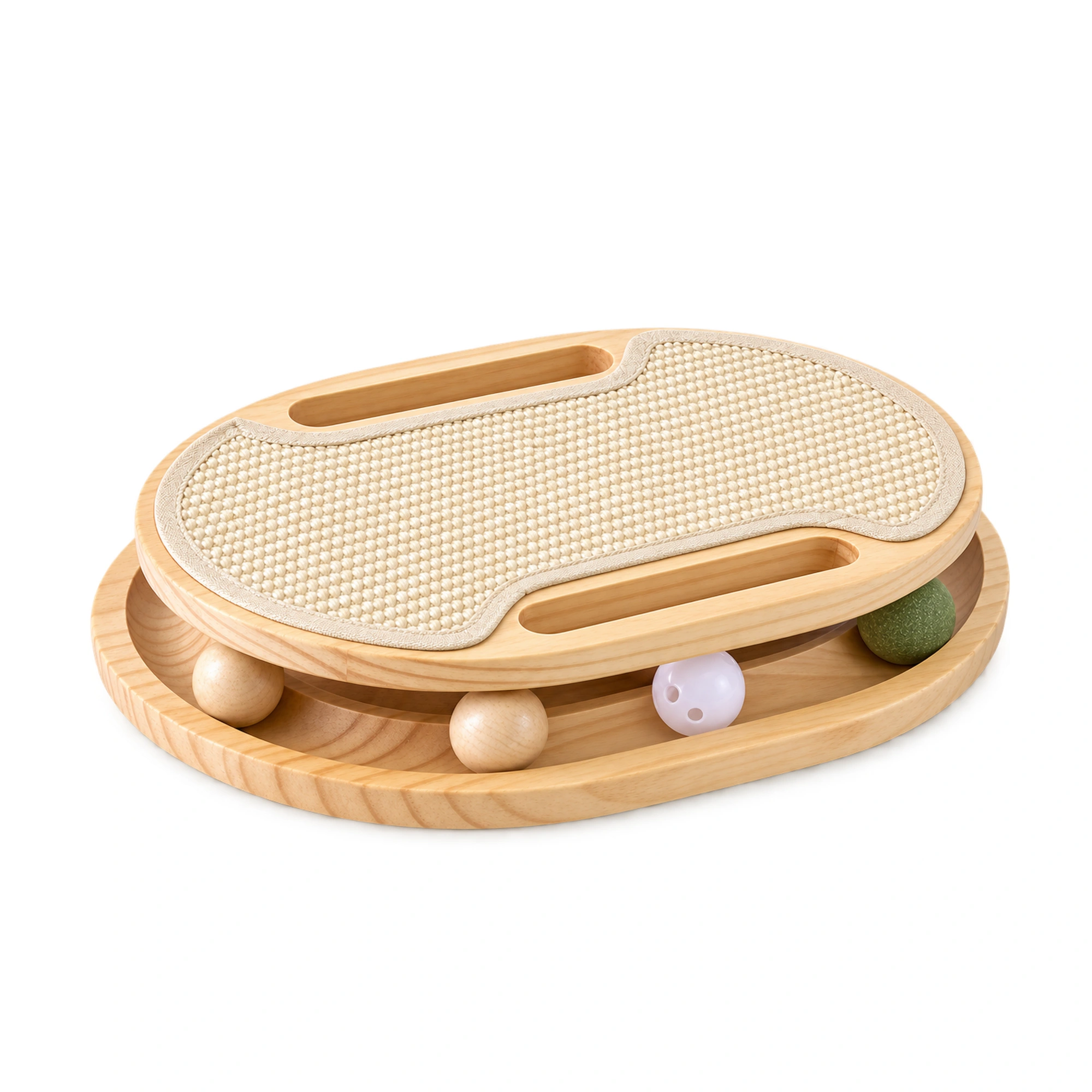
For continuous independent play while owners are away, combination activity stations like the Sisal Island Wooden Cat Track Toy with Dual Ball Channels and Scratch Mat provide hours of quiet focus. Selling for 28.69 dollars, this solid wood base pairs two concentric rolling tracks with a central woven sisal scratch pad. A cautious cat can sit beside the station without rising, batting the captive wooden spheres through smooth grooves. The pleasant acoustic clicking of timber beads interests keen ears, while the rough plant fiber invites stretching and scent marking.
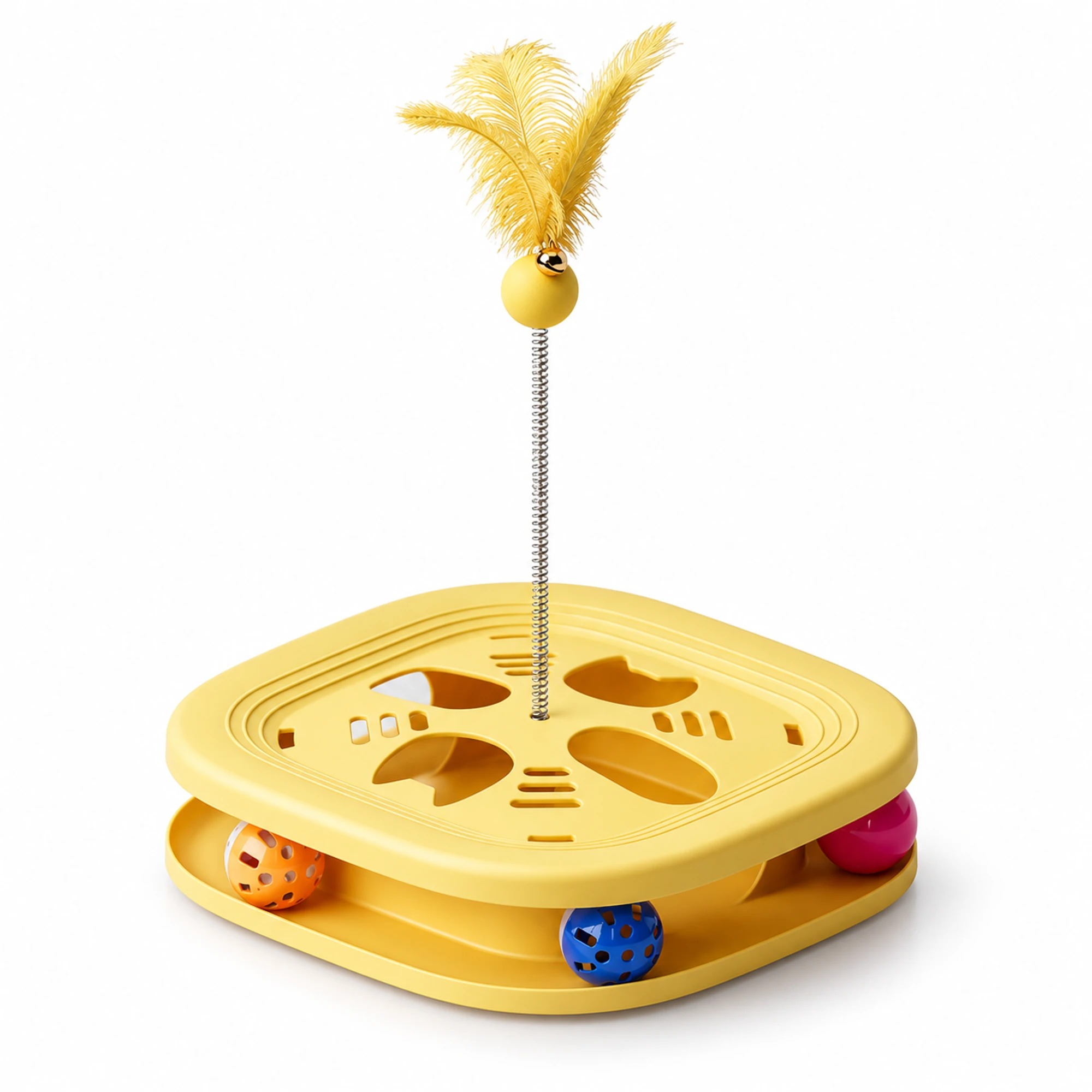
For vertical batting exercises, the Yellow Feather Spring Cat Toy with Ball Track and Cat Head Openings serves as an accessible 8.00 dollar addition. Its flexible spring feather bobbles with every light swat. Because the interior balls stay enclosed within the molded track, cats enjoy uninterrupted batting without losing play pieces beneath heavy sofas.
Food Foraging Stations and Cognitive Puzzle Solvers
In outdoor territories, cats spend half their waking hours locating, tracking, and capturing food. Feeding crunchy kibble from open porcelain bowls removes all mental problem-solving. Plain food dishes transform clever hunters into bored grazers who clean bowls in thirty seconds.
Turning routine meals into mental puzzles turns a sluggish pet into an eager investigator. The Blue Cat-Face Rolling Cat Treat Dispensing Toy provides an affordable 4.00 dollar path to bring foraging back into the household. Designed with playful cat contours, this rolling sphere releases dry treats across floorboards only when pushed by an intentional paw strike. The pet must calculate angle, force, and roll distance to receive food.
Foraging games bring valuable behavioral benefits:
- Controlled feeding speed: Cats cannot swallow large portions at once, preventing common post-eating vomiting.
- Mental stamina: Figuring out how to tip rolling objects exercises feline reasoning abilities.
- Natural chemical reward: Extracting treats mirrors capturing wild prey, providing deep neurological calm.
- Gentle mobility: The pet must navigate rooms, crouch, reach, and swat, burning energy through slow daily movement.
Start by adjusting dispenser windows to the widest setting so kibble drops out easily. Place the sphere beside your cat during regular breakfast hours. As your pet understands that pushing the toy yields food, narrow the opening to increase puzzle difficulty. This gradual adjustment avoids frustration while keeping feline minds sharp.
Designing an Effective Cat Toy Rotation Plan for Lasting Novelty
Even responsive electronic gear loses charm if it stays parked in the same corner for two weeks. Domestic cats habituate to static items swiftly. When an item rests on the same floor rug daily, cats categorize it as part of the stationary room, like a bookshelf or a door frame.
Setting up a structured cat toy rotation plan preserves novelty and keeps motivation high through every season. You do not need to buy brand new apartment cat toys every month. You simply need to alter which objects are reachable on a specific day.
Adopt this practical rotation framework:
- Sort your full toy collection into three distinct groups kept inside sealed plastic containers.
- Sprinkle dried catnip or silvervine twigs inside storage tubs to infuse resting items with fresh herbal scents.
- Keep only one collection available on living room rugs at a time. Leave these objects accessible for three or four days, then replace them with the next bin.
- Shift physical zones during each swap. If a ball track sat near the television earlier in the week, shift it to an entryway or beneath a bedroom window for the next round.
- Place valuable wand teasers inside wardrobes between guided play rounds. Wand lures should signify exclusive shared play with you rather than passive carpet litter.
Recognizing initial signs of boredom, selecting responsive tactile toys, turning meals into cognitive foraging games, and sticking to an active rotation schedule creates an environment where your indoor cat stays curious, healthy, and happy.