The Biology of Kitten Teething and Oral Discomfort
Bringing a young kitten home fills every room with laughter, energy, and curious exploration. Around ten to twelve weeks of age, many families encounter a surprising shift in behavior. A once peaceful ball of fur suddenly starts chewing phone charging cords, nibbling through cardboard boxes, gnawing table legs, and nipping fingers during cuddle time. While this persistent chewing can test your patience, it represents a natural stage of growth called feline teething.
Kittens enter the world without teeth showing in their mouths. Between two and four weeks of age, primary deciduous teeth break through the gums. These temporary milk teeth number twenty six and are remarkably sharp, helping mother cats wean their young onto solid foods. Between the third and sixth month, adult teeth begin pressing through the jawline. As thirty permanent teeth emerge, they dissolve the small roots of the deciduous teeth, loosening the temporary crowns until they tumble out.
This eruption process sparks localized gum swelling, inflammation, and dull throbbing discomfort. Biting against firm, springy surfaces delivers counter pressure directly to tender gum beds. This physical pressure acts like a natural pain buffer, temporarily muffling ache signals traveling along facial nerves. If you do not give your pet dedicated cat teething toys for kittens, the young animal will instinctively soothe this bodily ache on whatever household objects lie within reach.
Common Signs Your Kitten Is Teething
Spotting the signs of teething helps you step in with relief before destructive habits form. Heavy chewing stands out clearly, but several subtle clues point to sore gums:
Excessive drooling often shows up because oral tissues produce extra fluid to bathe irritated mouth tissue. You might find damp rings on sleeping blankets or wet spots beneath the kitten chin.
Hesitation around hard kibble frequently occurs when crunching dry biscuits causes pain. Teething kittens often approach the food bowl looking hungry, smell the food, try one piece, and pull back while giving soft meows.
Pink or red gum margins become visible along the gumline where pointed new teeth emerge. While slight pink redness is typical during eruption, dark bleeding or foul odor requires a prompt visit to the veterinarian.
Mouth pawing happens when kittens try to pry away wobbly baby teeth. Most kittens swallow their shed milk teeth harmlessly while eating meals, though you might sometimes spot a tiny white tooth crown stuck in a sisal scratching pole.
Restless energy and cranky moods also appear when lingering gum tenderness interrupts sound sleep. Calm handling and supportive chewing toys help take the edge off this temporary discomfort.
What Makes an Effective Kitten Teething Toy
Finding safe chewing toys for a young feline requires evaluating material resilience, texture design, and overall size. Young cats have narrow jaws and delicate swallow reflexes, making haphazard toy choices risky.
Material choice comes first. Soft food grade silicone and natural thermal rubber deliver the right combination of strength and gentle flex. These pliable compounds yield under sharp teeth, massaging sore gums without risk of cracking young enamel. Rigid brittle plastic is hazardous because hard edges can chip developing teeth.
Surface textures boost soothing comfort. Raised bumps, soft ribs, and crisscross grooves provide interesting tactile stimulation. When the kitten chews and rolls the toy between its jaws, these ridges encourage blood flow through the gums, speeding natural healing.
Toy sizing must prevent choking while staying manageable for small paws. Circular rings, contoured balls, and soft batons allow kittens to hold the base with both forepaws while chewing the textured rims with their back teeth.
Fabric teethers should feature heavy duty weaves like cotton canvas or tight micro plush. Loose threads, dangling strings, and glued on plastic parts should be avoided completely, as sharp kitten claws quickly shred them into dangerous swallow hazards.
Top Teething and Chewing Toys for Kittens
Our pet collection offers carefully selected options made to soothe kitten chewing needs while encouraging healthy play.
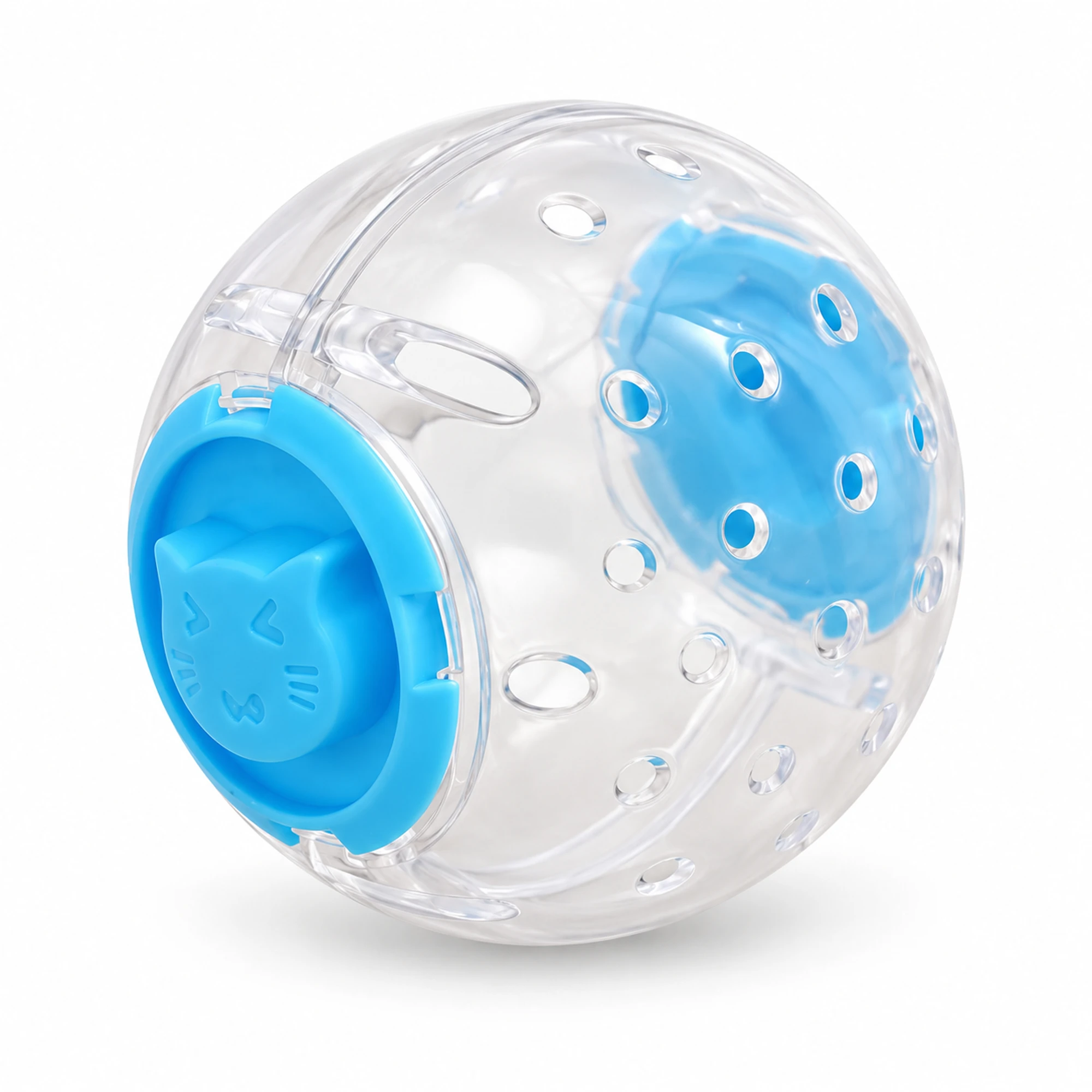
The Blue Cat-Face Roll and Treat Ball priced at $4.00 is a wonderful choice for lively young cats. Made from durable, pet safe material, this round ball features cat ear corners and textured ridges across its outer skin. Kittens can roll the ball across kitchen tiles, chase it through rooms, and bite the ear ridges to relieve rear molar pain. The hollow center can hold a few pieces of dry kitten food, making every roll and chew a fun foraging exercise. At just $4.00, it serves as a budget friendly, multipurpose teether.
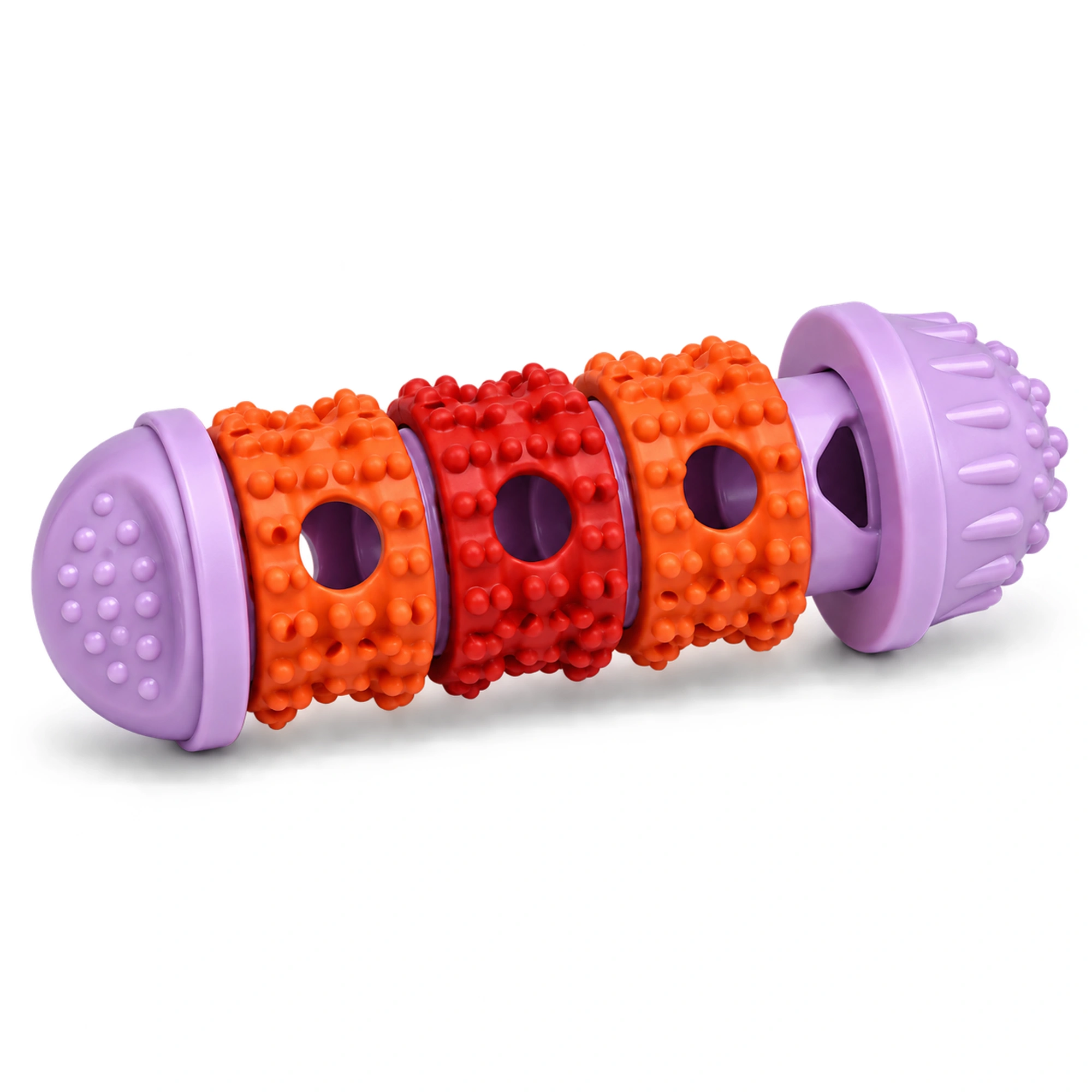
For young cats needing targeted relief across rear teeth, the Lavender Twist & Treat Ring Toy priced at $19.00 provides an open ring layout with deep spiral channels. The twisting grooves let small jaws bite from several angles, reaching back molars where the largest adult teeth break through. Its resilient build withstands daily biting without shredding, while the open loop lets paws grasp and carry the toy easily. Priced at $19.00, this quality ring offers lasting value that continues into adult cat toys as your pet matures.
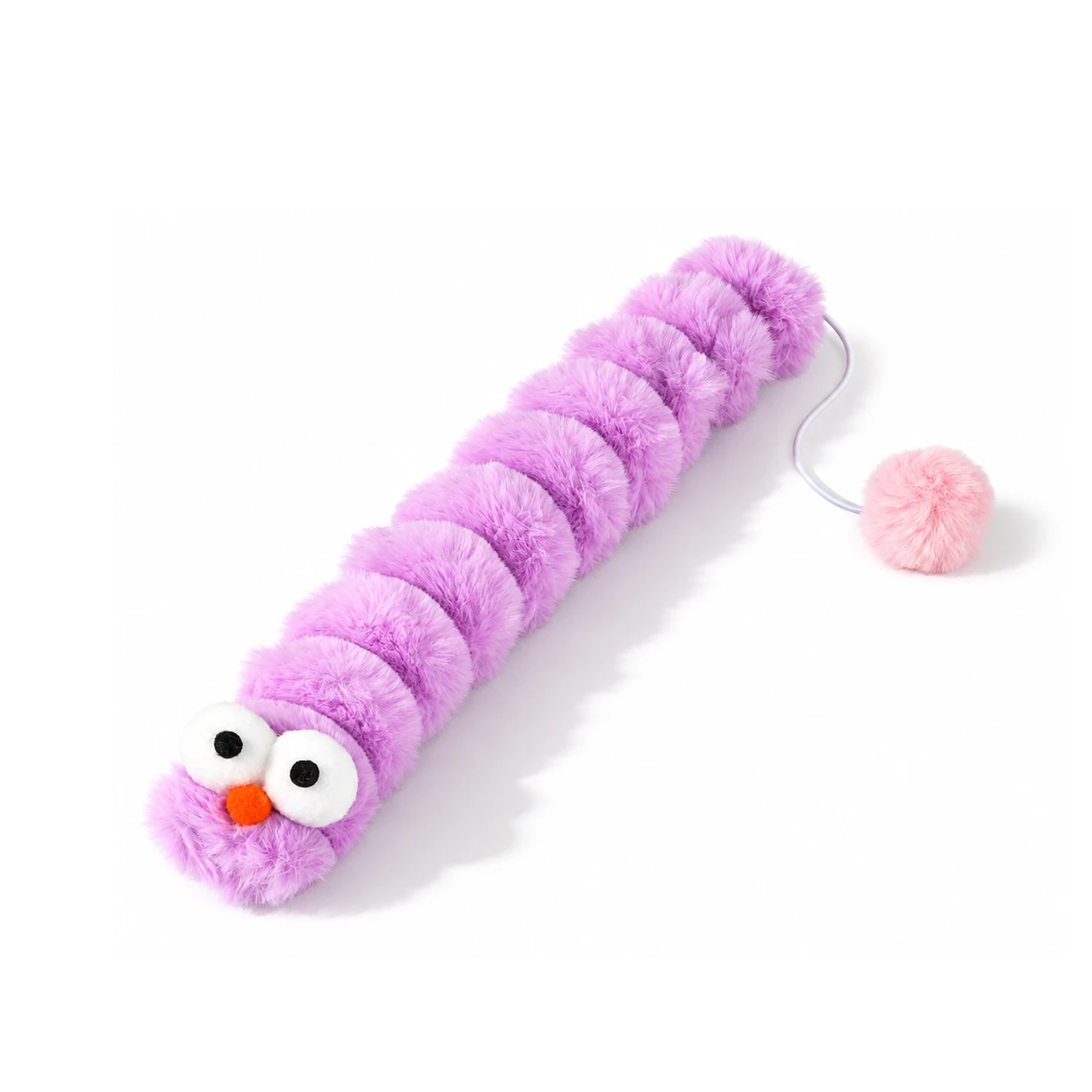
For soft fabric chewing and whole body wrestling, the Purple Plush Caterpillar Cat Toy priced at $5.80 offers a segmented shape. The soft rounded body sections grant gentle resistance, letting kittens sink their teeth into plush cloth without bruising sensitive gums. Sized generously for hugging with front paws and kicking with rear feet, this $5.80 toy helps guide rough biting away from fingers and table corners.
Protecting Cables and Furniture During the Teething Surge
While giving your pet dedicated cat teething toys forms your main strategy, simple kitten proofing around the house prevents unexpected vet visits.
Cables and cords pose serious dangers. Thin telephone wires, television leads, and power cables resemble tempting vines to curious kittens. Biting into live wiring can cause severe mouth burns or life threatening shocks. Encase loose cables inside heavy plastic wire channels or ribbed split tubing. Anchor cords tightly against walls with adhesive clips so swinging cords do not trigger pouncing.
Wooden table legs, baseboard trim, and sofa borders also invite teething nibbles. Coat vulnerable wooden surfaces with pet safe bitter apple spray. The harmless bitter taste provides an immediate deterrent, showing young cats that furniture tastes unpleasant.
Never shout at a kitten for chewing. Teething is a physical reflex driven by gum pain. When you see your pet biting an off limits object, gently pick up the kitten without scolding and hand over a proper teether. Praise your companion the moment its teeth grip the toy, shaping reliable chewing habits through patient redirection.
Hygiene, Chilling Techniques, and Long Term Care
Keeping chew toys clean and inviting guarantees steady daily use throughout the teething months.
Try chilling silicone teething toys in the refrigerator for twenty minutes before playtime. Cold surfaces gently numb inflamed gums upon contact, offering immediate relief similar to a cool washcloth on a baby swollen mouth. Avoid freezing toys hard in the deep freezer, as stiff ice can be harsh on delicate young teeth.
Rinse rubber and silicone toys daily using warm water and mild dish soap. Feline saliva picks up rug fibers, dust, and crumbs that gather germs on toy surfaces. Rinse thoroughly and let dry before placing them back in the kitten pen.
Check kitten toys every few days for cracks or loose parts. If a rubber ring shows signs of splitting or a plush seam begins to part, mend or replace the toy right away. With patience, attentive care, and soothing cat teething toys, you can help your companion pass through the teething months comfortably, fostering good dental habits and a happy, relaxed pet.