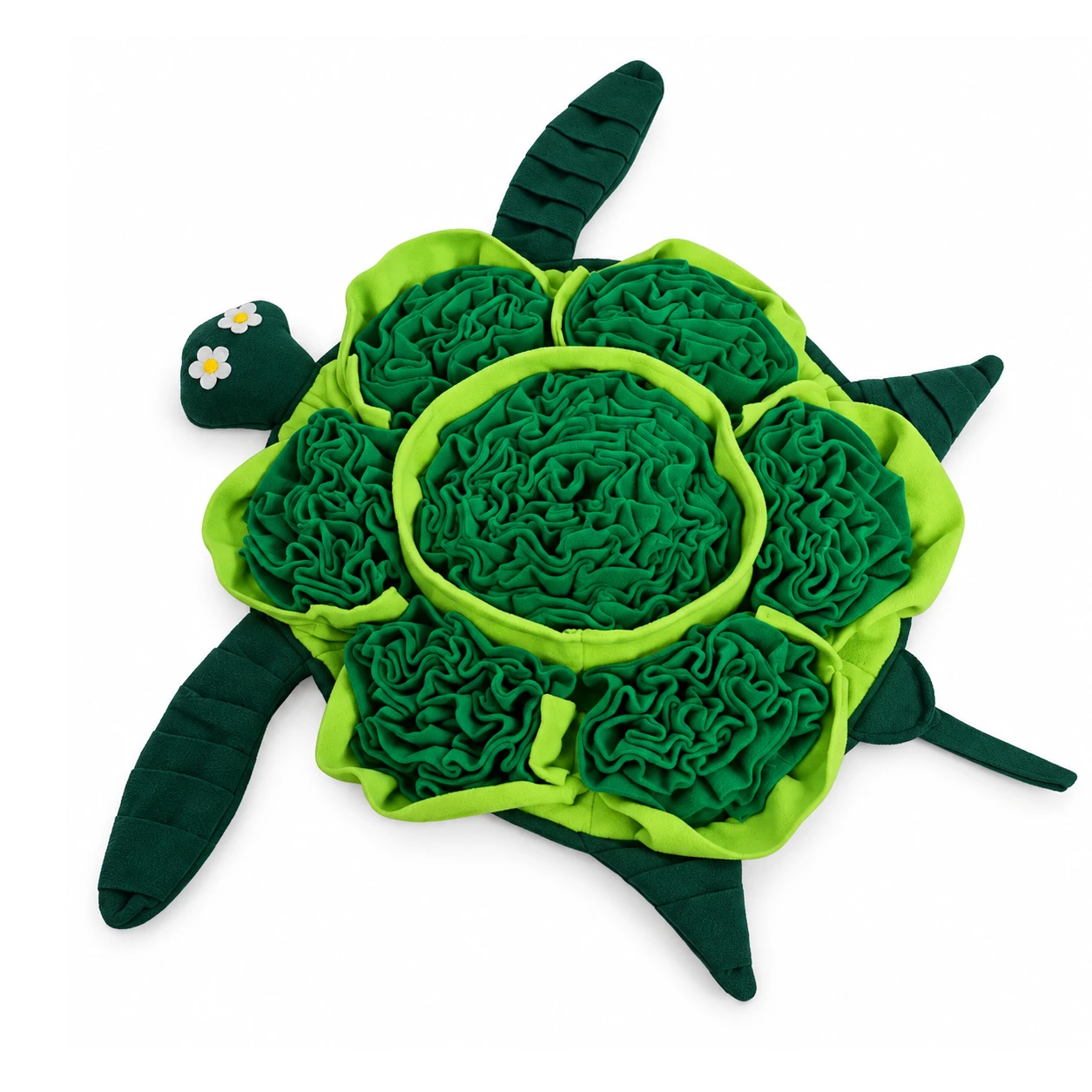
Chilling a textured lick mat elevates a quick five-minute snack into an absorbing twenty-minute enrichment exercise. That cool surface challenges fast eaters, refreshes panting dogs in warm weather, and activates calming hormonal cascades through persistent tongue work.
Balancing flexible silicone filled with liquid broth across crowded freezer shelves often ends in frustrating spills. Handing a sub-zero mat straight to a waiting pet can also risk delicate tongue tissues adhering to dry frost, while frustrated chewers may try gnawing the frozen rim.
Here is the exact step-by-step process to freeze lick mats cleanly, layer ingredients for maximum sensory engagement, and protect your dog with simple temperature tempering rules.
Quick Answer: How to Freeze a Dog Lick Mat
To freeze a lick mat cleanly and safely:
- Stabilize on a solid base: Place the flexible silicone mat flat on a small baking sheet, cutting board, or freezer tray lined with parchment paper.
- Apply wet spreads first: Spread sticky purees (canned pumpkin, plain Greek yogurt, or wet dog food) into the bottom texture grooves using a silicone spatula.
- Add liquid layers or toppers: Pour thin bone broth over the base or press in solid biscuit crumbs, blueberries, or freeze-dried meat morsels.
- Freeze for 2 to 4 hours: Slide the tray into a level freezer spot until the food solidifies.
- Temper for 2 to 3 minutes before serving: Let the frozen mat rest on your kitchen counter for two to three minutes. This melts the dry surface frost and prevents your dog’s tongue from sticking to the cold surface.
Why Freeze a Lick Mat: Calming Enrichment and Calorie Control
Canine enrichment relies on engaging natural instinctual behaviors like foraging, licking, and chewing. While licking wet peanut butter off a room-temperature mat provides mild mental stimulation, freezing that same mat unlocks several distinct advantages:
1. Tripled Enrichment Duration
A standard flat mat spread with two tablespoons of pumpkin takes an adult dog roughly four to six minutes to finish. Freezing those exact same two tablespoons extends the licking duration to fifteen or twenty-five minutes. Because the food is frozen into the micro-cavities of the textured silicone, the dog must work with the warm tip of their tongue to slowly melt each ridge.
2. Caloric Efficiency for Weight Management
Dogs needing strict weight management benefit immensely from frozen feeders. Instead of feeding high-calorie biscuits or thick layers of calorie-dense nut butters, owners can dilute wholesome ingredients with warm water, unsalted bone broth, or pure cucumber puree. When frozen solid, low-calorie liquids provide long-lasting satisfaction without unwanted weight gain.
3. Summer Cooling and Stress Relief
During humid summer afternoons, panting dogs struggle to shed internal body heat. A frozen mat acts as an edible ice pack, cooling oral tissues and lowering overall body temperature. Furthermore, extended licking stimulates endorphin release in the canine brain, helping anxious dogs self-soothe during thunderstorms, fireworks, or home alone training.
The Mess-Free Freezing Setup: Trays, Liners, and Stacking Hacks
The number one complaint from pet parents is that flexible silicone mats bend when lifted, sending liquid broths and runny purees sliding onto freezer shelves. Here are practical kitchen hacks to keep your freezer spotlessly clean:
| Freezing Tool | Recommended Setup | Primary Benefit |
|---|---|---|
| Quarter Baking Sheet | Place 1-2 mats flat on aluminum rimmed sheet | Complete rigidity; stops liquid spills during transfer |
| Parchment Paper Liner | Cut parchment sheets to match mat dimensions | Prevents mat base from sticking to frost on freezer wire shelves |
| Freezer Safe Storage Box | Seal frozen mats inside an airtight plastic container | Stops freezer burn and prevents dog food smells from spreading |
| Silicone Muffin Trays | Pre-freeze broth pucks before dropping onto mats | Zero mess prep; allows rapid assembly in under 30 seconds |
Step-by-Step Stable Transfer
- Never prep directly on the counter: Always place the dry lick mat on your portable baking sheet or firm cutting board before adding any spreads.
- Spread to the inner borders: Leave a quarter-inch clean margin around the outer perimeter of the mat to prevent edge overflow.
- Level freezer placement: Clear a flat, horizontal space on a freezer shelf. Avoid placing flexible mats directly over wire rack gaps without a solid backing tray underneath.
- Airtight storage for meal prep: If you freeze multiple mats on Sunday for the upcoming week, let them freeze solid on the tray for four hours, then slide each mat into a large reusable silicone storage bag. This prevents the moisture from evaporating and eliminates freezer burn.
Tiered Freezing Techniques: Layering Broths, Purees, and Solid Morsels
Single-ingredient frozen mats can become monotonous. Advanced canine enrichment uses tiered freezing, building distinct layers that offer changing scents, flavors, and melting speeds as your dog works down.
| Layer Level | Layer Composition and Target Function |
|---|---|
| Layer 3 | Solid crunchy toppers including blueberries and dried sprinkles |
| Layer 2 | Frozen bone broth glaze or diluted goat milk kefir |
| Layer 1 | Dense puree base including pumpkin, wet food, or Greek yogurt |
| Base | Flexible textured silicone mat with grooves, dots, and crosses |
The Three-Stage Layering Method
- Stage 1: The Sticky Anchor Base: Spread two tablespoons of a dense binder, such as 100% pure pumpkin puree, plain nonfat Greek yogurt, or mashed sweet potato. Use the flat side of a spatula to work the puree into every corner of the textured grooves. Freeze this anchor base for 45 minutes until firm to the touch.
- Stage 2: The Liquid Infusion Glaze: Pour two to three tablespoons of cooled, sodium-free bone broth or diluted goat milk directly over the hardened base. Because the base is already solid, the liquid will not mix into a muddy soup; instead, it creates a crystal-clear frozen top glaze. Return to the freezer for 60 minutes.
- Stage 3: The Sensory Surface Toppers: Right before the final freeze, press small whole blueberries, steamed green beans, crushed salmon treats, or a sprinkle of dried parsley into the surface. Freeze for an additional 60 minutes until completely set.
Temperature Safety and Thawing: Protecting Tongues and Teething Gums
Canine tongues are moist, vascular organs. When warm moisture contacts sub-zero frozen surfaces straight out of a modern home freezer (-18 degrees Celsius or 0 degrees Fahrenheit), the moisture can flash-freeze, causing the delicate tongue tissue to adhere to the frost.
The Mandatory 2-3 Minute Tempering Rule
Never serve a frozen lick mat directly from the freezer to your dog. Always set the frozen feeder on your kitchen countertop at room temperature for two to three minutes before offering it.
During this brief rest:
- The dry white frost on the surface absorbs ambient heat and melts into a thin liquid film.
- The outer layer softens just enough for the dog’s tongue to glide smoothly across the silicone without sticking.
- You can run a small splash of lukewarm tap water over the top for five seconds if you are in a rush.
Teething Puppies vs. Senior Dogs
Adjust freezing hardness based on your dog’s age and dental health:
- Teething Puppies (Under 6 Months): Puppy deciduous teeth are sharp but fragile, and their developing gums are inflamed. Do not feed rock-hard frozen blocks, which can crack puppy teeth if they bite down in frustration. Instead, chill the mat in the refrigerator for two hours or freeze for only 20 to 30 minutes until slushy. Chilled textures numb sore gums without risk of dental fracture.
- Senior Dogs (Over 8-10 Years): Older dogs frequently suffer from worn enamel, gum recession, or mild dental sensitivity. Extreme cold can trigger sharp nerve pain in sensitive teeth. Allow frozen mats for seniors to temper for five to seven minutes, or mix purees with warm bone broth before chilling to maintain a softer, sorbet-like consistency.
Preventing Destructive Chewing: Supervision and Material Awareness
A frozen lick mat is an enrichment feeder, not a chew toy. When the food is frozen rock solid, an impatient dog may decide that waiting for the ice to melt is too slow, resorting to biting, chewing, and ripping the silicone mat into pieces.
This is a very real hazard for young dogs. One golden retriever owner on Reddit shared their alarming experience:
“My 3mo Golden Retriever apparently decided the silicone lick mat was part of the snack. The whole missing section. GONE. Thankfully, she’s okay now. I genuinely didn’t know whether to be mad or impressed. 💀 What’s the weirdest thing your dogs have ever eaten? Please tell me other puppies are this ridiculous so I can feel better about my crazy demon baby. And, how do I keep this from happening again? 😭 Edit: We took her to the vet and she puked it all out, she’s perfectly fine now.”
To prevent your dog from swallowing silicone pieces:
- Always supervise 100% of the session: Stay within eyesight while your dog works on a frozen feeder. If they switch from licking to biting the corners or lifting the mat off the floor, intervene immediately.
- Teach the “Lick, Don’t Bite” boundary: Use a calm verbal redirect such as “Gentle” or “Lick it.” If chewing persists, calmly pick up the mat, wait two minutes, and return it.
- Upgrade to rigid 3D dispensers for strong chewers: If your dog repeatedly attacks flat silicone mats, retire the mat and switch to structured, heavy-duty hollow treat toys that cannot be easily torn.
Freezing 3D Treat Dispensers: Rolling Silicone Pineapples and Dental Chew Bones
Flat mats are not the only enrichment tools that benefit from freezing. 3D puzzle toys and textured chew bones can also be packed with purees and broths, providing a more durable challenge for determined dogs.
| Feeder Model | Packing and Freezing Protocol |
|---|---|
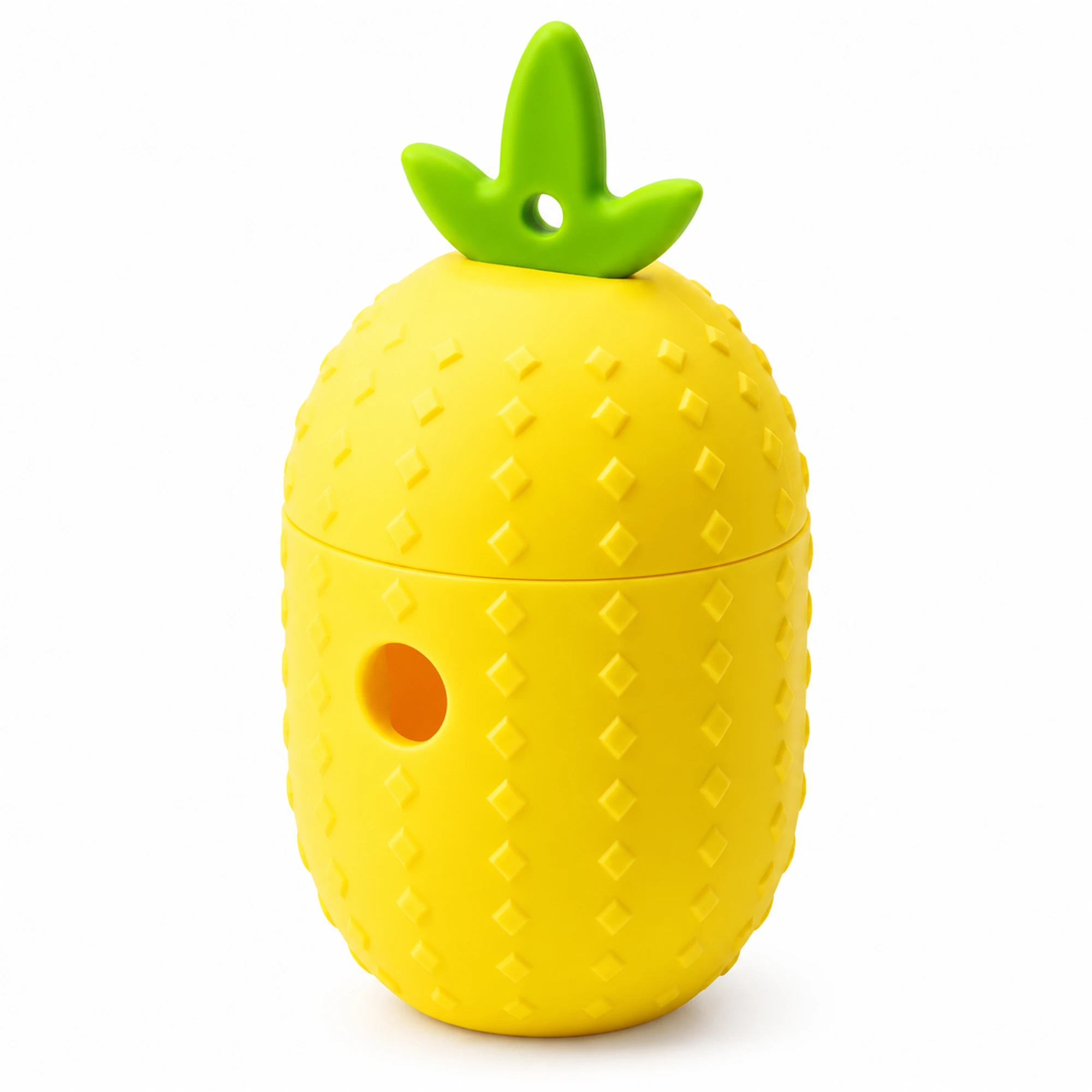
| Pineapple Roll and Treat | Pack dense wet food or puree through middle join, plug side opening with carrot stick or peanut butter dab, and freeze upright in mug or glass to avoid roll-over spills |
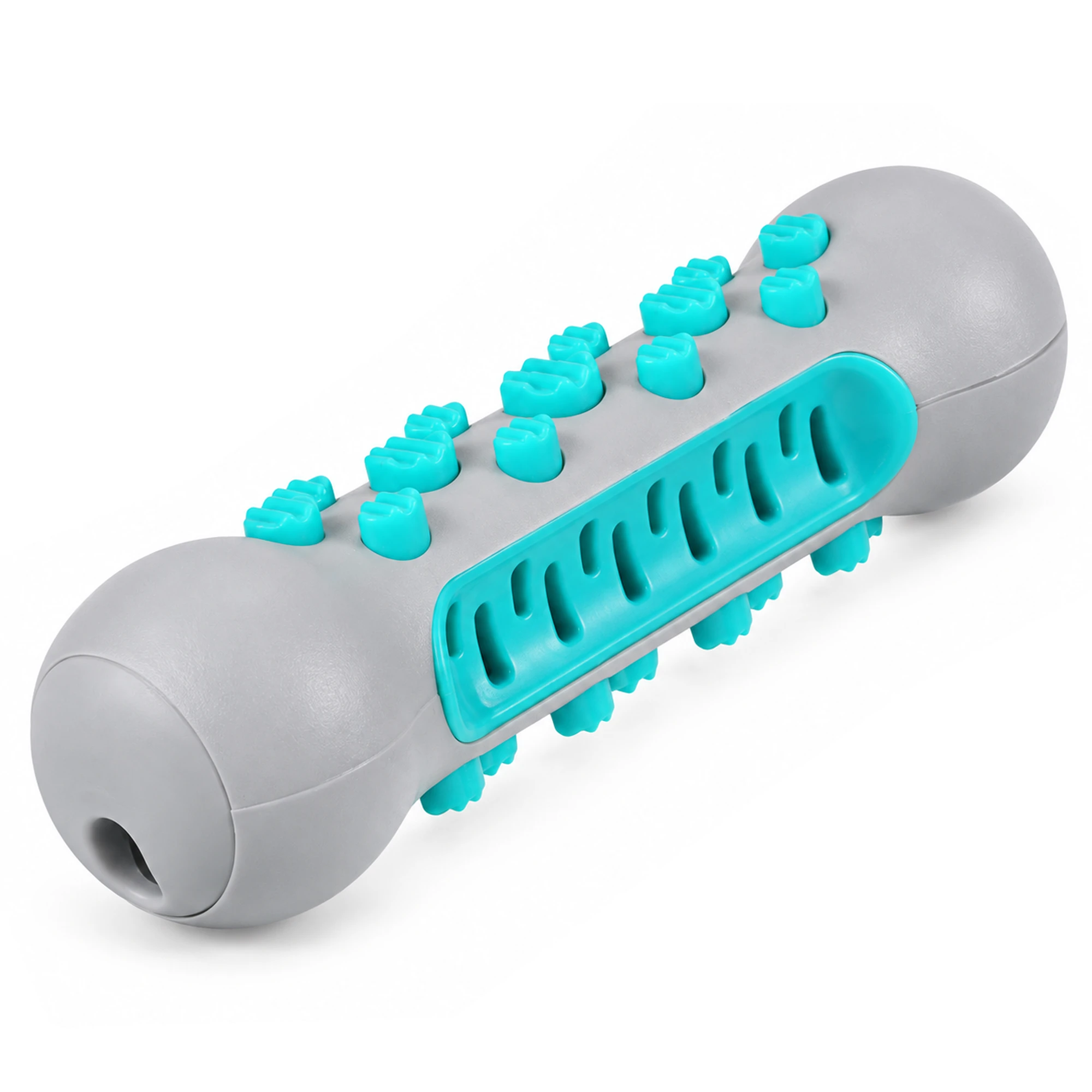
| Blue and Gray Dental Bone | Smear purees into side slots and surface dental nubs, lay flat on baking sheet with parchment paper, and freeze 2 hours for refreshing gum massage while chewing |
Freezing the Yellow Pineapple Roll & Treat Toy
Open the pineapple at its middle join to add treats, close it, then let your dog nudge and roll it to release food through the side opening. The bright yellow silicone body has raised diamond bumps and a green leafy crown. Treats are not included.
How to freeze liquids inside:
- Open the pineapple at its middle join.
- Plug the side dispensing hole with a piece of banana, a baby carrot, or a small dab of natural peanut butter.
- Spoon wet dog food, pumpkin puree, or meat broth inside the hollow cavity, leaving half an inch of headspace for liquid expansion as it freezes.
- Close the middle join securely.
- Stand the pineapple upright inside a coffee mug or drinking glass in your freezer so it does not tip or roll while liquid sets. Freeze for three hours.
Freezing the Blue and Gray Dental Chew Bone Toy
A gray bone-shaped dog toy with turquoise-blue raised nubs, a slotted side panel, rounded ends and an end opening. Includes one assembled toy. Supervise play and remove if damaged. Supplier-reported SKU piece weight: 147 g; supplier piece dimensions: 15 × 4.6 × 4.6 cm. These figures are not independently measured; net/gross weight and packaging inclusion are unspecified.
How to freeze spreads into dental slots:
- Take a butter knife or small spatula and press pureed salmon, Greek yogurt, or cottage cheese deeply into the slotted side panel and around the turquoise-blue raised nubs.
- Fill the hollow interior through the end opening with soaked kibble or mashed sweet potato.
- Lay the assembled bone flat on a parchment-lined baking sheet and freeze for two hours.
- As your dog gnaws on the chilled toy, the textured nubs scrape plaque from teeth while dispensing cool, soothing bursts of flavor.
Best Freezing Recipes for Lick Mats and Puzzle Toys
Here are four balanced, tested combinations designed specifically for optimal freezing structure and nutritional safety:
| Recipe Name | Base Layer (60%) | Middle Glaze (30%) | Top Garnish (10%) | Best For |
|---|---|---|---|---|
| Digestive Soother | 100% Canned Pumpkin Puree | Unsalted Beef Bone Broth | Crushed Chamomile & Dried Mint | Upset stomachs, diarrhea recovery, low calorie |
| Probiotic Berry Blast | Plain Nonfat Greek Yogurt | Pureed Unsweetened Blueberries | Whole Fresh Blueberries | Hot summer afternoons, gut microbiome support |
| Savory Protein Feast | Canned Paté Wet Dog Food | Warm Water Reconstituted Broth | Freeze-Dried Chicken Heart Bits | High-energy working breeds, meal replacement |
| Sweet Potato Gold | Boiled Mashed Sweet Potato | Goat Milk or Bone Broth | Grated Carrots & Hemp Hearts | Lean energy, high fiber, coat radiance |
Important Safety Reminder: Verify all peanut butters, yogurts, and broths are completely free of xylitol (birch sugar), onions, garlic, grapes, raisins, and chocolate.
Frequently Asked Questions
How long does a lick mat take to freeze?
A standard flat silicone lick mat spread with purees takes roughly 2 to 4 hours in a standard home freezer at -18 degrees Celsius (0 degrees Fahrenheit) to freeze solid. Thin liquid layers freeze within 60 to 90 minutes, while dense 3D hollow toys packed with wet food require 4 to 6 hours for the interior core to freeze thoroughly.
Can a frozen lick mat hurt a puppy teeth?
Yes, rock-hard frozen blocks can potentially chip or damage delicate deciduous puppy teeth if the puppy bites down aggressively. For puppies under six months of age, do not serve rock-solid ice blocks. Instead, chill the feeder in the refrigerator for two hours, or freeze for only 20 to 30 minutes to create a soft, slushy texture that cools teething gums safely.
How do you stop a dog from chewing a frozen lick mat?
Always supervise every session from start to finish. If your dog begins chewing or tearing the corners, immediately interrupt with a gentle verbal marker and remove the mat for one minute. If chewing persists, your dog may be frustrated because the food is frozen too hard; let it thaw slightly to allow easy licking, or switch to a structured rolling silicone dispenser or durable dental bone toy.
Can you freeze wet food and bone broth inside 3D chew toys?
Yes, hollow treat dispensers like the Pineapple Roll & Treat Toy and slotted dental bones freeze exceptionally well. To prevent liquid spills, plug the dispensing openings with a piece of fruit or vegetable, stand the toy upright in a mug, and pour in cooled bone broth or wet food before placing in the freezer.
Summary Checklist for Freezing Dog Feeders
- Place your flexible silicone mat onto a flat baking sheet before adding spreads.
- Layer dense purees into the texture grooves first, then add broth glazes and fruit garnishes.
- Leave a quarter-inch clean margin around edges to avoid freezer drips.
- Always temper the frozen mat on the counter for 2 to 3 minutes to eliminate tongue-sticking frost.
- Supervise play continuously to prevent dogs from biting or tearing silicone components.
- For aggressive chewers, transition from flat mats to durable rolling pineapples and dental chew bones.