Unpacking a fresh pet accessory brings obvious joy to human handlers, but the reaction from an insecure companion can take an unexpected turn. Upon viewing a bright mechanical sphere or an unfamiliar puzzle board, a shy canine or frightened feline may cringe, widen their pupils, and dart behind large furniture. In veterinary behavioral circles, this defensive reluctance is cataloged as neophobia, representing an evolutionary wariness toward novel artifacts and unfamiliar sounds. Grasping this self-protective biological response allows caregivers to set aside human haste in favor of measured desensitization routines.
Anxious creatures thrive on calm predictability and spatial autonomy. Thrusting an unfamiliar gizmo directly before a frightened animal causes them to connect the item with danger instead of fun. Gentle habituation relies on gradual proximity, zero-pressure olfactory introduction, and steady reinforcement with tasty treats. Taking a measured, methodical path helps sensitive companions replace initial distrust with genuine curiosity.
Understanding Sensory Overload and Neophobia in Dogs and Cats
Companion animals experience everyday domestic environments through perceptual systems far more acute than human senses. A dog scent processing apparatus detects chemical molecules at fractions of parts per billion. At the same time, cats hear high frequencies reaching sixty-four kilohertz, picking up high-pitched motor vibrations that human ears miss entirely.
Fresh play gear straight from shipping containers carries synthetic odors from plastic factories and cardboard warehouses. When a mechanical gadget starts vibrating or whirring unexpectedly, that sensory burst can easily overload an animal nervous system. For an adopted rescue with past trauma or a naturally timid personality, sudden rolling motions can resemble predator behavior.
Subtle body cues give handlers direct insight into internal stress. A stressed canine frequently licks their lips, yawns repeatedly, stiffens their spine, tucks their tail tightly, and flashes the white corners of their eyes. A worried feline pins their ears flat, twitches the tip of their tail, dilates their pupils, and presses low against the carpet. Spotting these faint warnings allows handlers to give their pet space before mild wariness turns into overt fear.
Phase One: Passive Olfactory Scent Familiarization
The opening stage of introducing toys focuses strictly on scent without movement or noise. Olfactory familiarity establishes comfort for dogs and cats alike. A foreign toy smelling of manufactured plastic feels alarming, whereas an item carrying household odors feels safe.
Always unbox new gear and discard synthetic wrappers inside another room. Rub the item down with an unwashed towel that has rested inside your pet bed or against your personal clothes. This simple wipe-down coats the surface in reassuring, known scents.
Set the stationary item on the floor in a quiet corner of the living room. Position it at least ten feet away from water bowls, feeding trays, and litter boxes. Never nudge your companion toward the object or demand their attention. Allow them to encounter the quiet shape during their everyday routine. Whenever your pet looks toward the item or walks nearby without flinching, toss a piece of cooked meat or a savory biscuit near their feet. This repeated reward builds an immediate mental link: the novel silhouette reliably predicts appetizing food.
Phase Two: Incorporating Low-Impact Enrichment and Soft Textures
Nervous animals accept quiet textiles and low-profile foraging surfaces far more easily than hard motorized gizmos. Cloth items absorb footfalls and eliminate startling plastic thuds against floorboards.
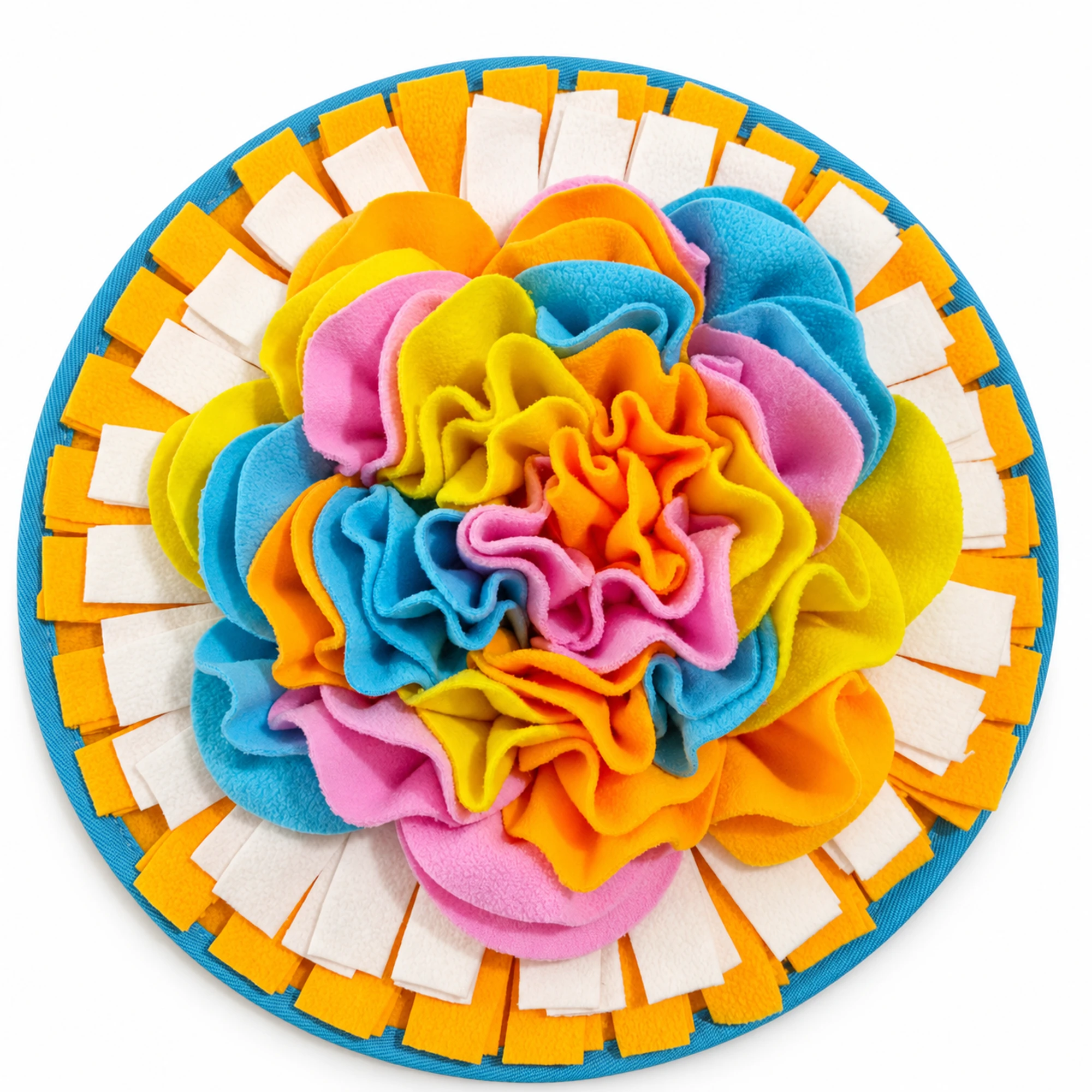
A wonderful starting item for cautious animals is the Round Ruffle Flower Snuffle Mat, priced at 18.80 dollars. Crafted from dense tiers of soft fleece petals set across a thirty-five centimeter frame, this foraging station taps into instinctive exploratory sniffing. In animal neurology, methodical nose work activates the parasympathetic nervous system, slowing heart rates and curbing stress hormones.
When introducing the flower mat to an anxious pet, sprinkle enticing treats loosely over top petals where they remain clearly visible. Allow your companion to collect the rewards without struggling. As their comfort deepens over the coming days, hide food deeper within the fleece folds. Because the unit stays motionless and produces zero strange noises, nervous pets discover that unfamiliar items deliver comfort. This design provides an approachable dog puzzle toy for sensitive dogs that recoil from noisy plastic gadgets.
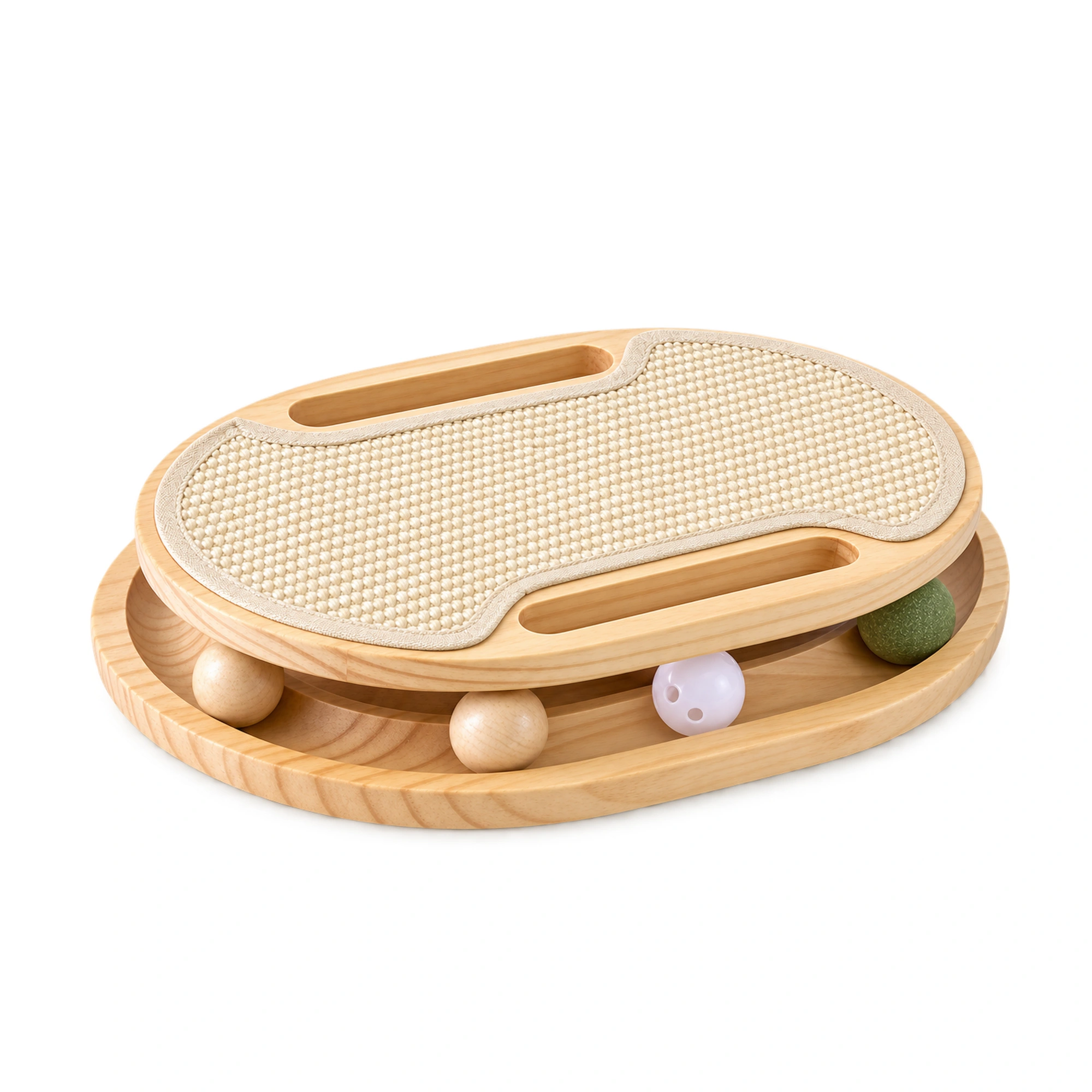
For feline companions, stable wooden tracks offer peaceful self-directed engagement. The Sisal Island Wooden Cat Track Toy with Dual Ball Channels and Scratch Mat, available for 28.69 dollars, provides comforting stability for timid cats. The captured wooden spheres stay within enclosed channels, ensuring rolling parts never escape across the room to startle a cautious observer. A hesitant cat can approach the stationary console, rub their whiskers against the natural sisal pad to deposit familiar facial scents, and softly pat a captive ball with one paw. The heavy timber frame prevents rocking, creating a safe indoor cat toy that gently builds playtime confidence.
Phase Three: Controlled Proximity and Positive Association Training
After your companion walks past the stationary object without signs of tension, you can begin short interactive training drills. Keep training sessions brief, limiting drills to three or four minutes at a time.
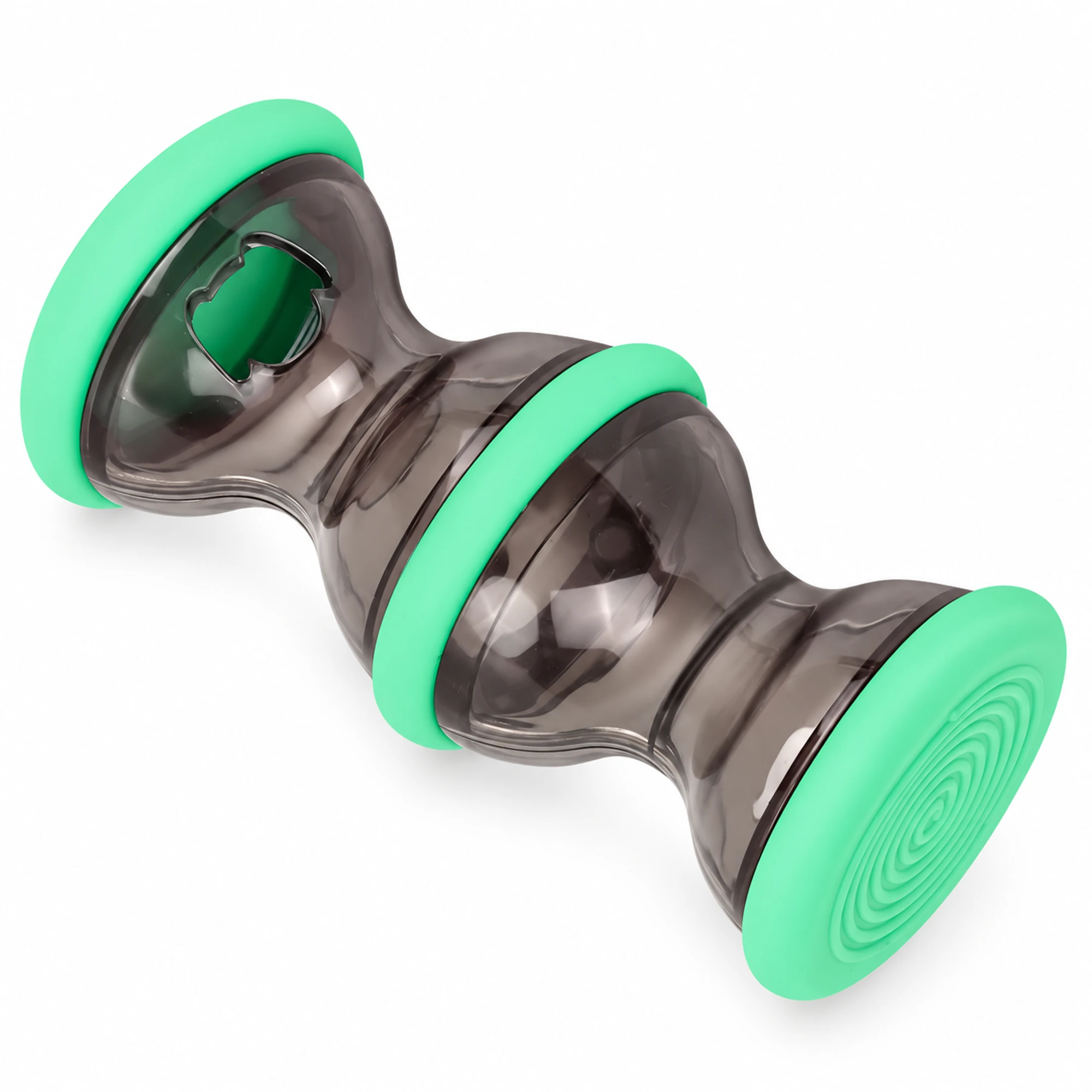
Place a gentle rolling cylinder, such as the Mint Roll and Reward Small Dog Toys with Clear Dispenser priced at 11.30 dollars, on a carpeted area. The smooth cylinder releases kibble through adjustable openings as it turns. Instead of pushing the barrel toward your pet, sit quietly nearby and roll it gently away from the animal. Moving the cylinder away copies retreating prey and lifts spatial tension, encouraging your dog to step forward willingly.
As treats tumble out onto the floor, praise your pet with an even, soothing tone. For delicate toy breeds, small dog interactive toys must glide quietly without making loud clattering sounds against bare floors. Soft carpets and fabric rugs absorb rolling sounds, giving sensitive ears comfortable acoustic protection.
If your companion shows interest, allow them to investigate the dispenser openings. Let them touch the cylinder with a paw or wet nose. If they hesitate, lay a small line of treats leading to the toy, resting the most appetizing morsel directly atop the roller. Allowing the animal to choose their own approach distance avoids fear and builds confidence.
Phase Four: Introducing Motion and Automated Rolling Devices
Motorized playthings represent the most challenging adjustment for anxious pets. Fast spins and erratic motor sounds easily trigger protective escape impulses.
When bringing home battery-powered items, like the Blue Swirl Rechargeable Rolling Ball priced at 9.50 dollars, leave the power off for the first couple of days. The ribbed silicone skin provides an inviting static shape that animals can examine safely. When your pet accepts its presence, hide the ball inside an open box or beneath a low cloth before turning the motor on. Muffling the motor noise through a soft barrier lets your pet listen to the low hum from across the room without feeling threatened.
Practice rolling across short distances while holding your companion favorite treat dispensing toy in your hand. Hand over a savory bite the moment the motor starts humming. Following several calm repetitions, your pet learns that the quiet hum forecasts delicious rewards. You can then let the ball roll slowly across a thick rug, ensuring your dog or cat maintains plenty of open space to watch safely.
For timid felines, operating motorized balls on thick rugs eliminates noisy bumps against baseboards, making them great apartment cat toys for cautious animals.
Common Mistakes to Avoid When Introducing New Toys
Caregivers sometimes make innocent handling errors that accidentally increase stress. Steer clear of these missteps to keep the process positive:
- Never corner or trap your companion: Ensure open exit paths remain accessible so your pet can step away whenever discomfort surfaces.
- Avoid pushing toys toward the pet face: Moving items toward an animal eye level sparks natural defensive avoidance.
- Keep initial sessions brief: End play sessions while your companion remains relaxed and curious instead of waiting until agitation occurs.
- Silence rattling components at first: Remove loose internal bells or tape squeakers shut until your pet welcomes the visual shape.
- Respect unique progress rates: Some pets accept unfamiliar gear within an hour, whereas fearful rescues may require several weeks of calm patience.
- Avoid showing human disappointment: Companion animals pick up on human posture and vocal stress. Keep your voice reassuring and your expectations flexible during every session.
Celebrating Small Victories and Building Lifelong Play Confidence
Every sensitive creature operates with an individual tolerance for novel objects. True progress shows up as quiet curiosity, relaxed posture, and tentative sniffing. When an anxious companion takes one step toward an unfamiliar object, that small choice represents a meaningful behavioral breakthrough.
Honoring your pet natural pace, applying gentle scent introductions, and picking soft, low-noise designs creates a solid foundation for positive enrichment. Patient introductions replace anxiety with trust, transforming timid companions into happy, engaged play partners.