Pet Toys and Kids: Shared Household Rules for Safe Family Play
Establish safe shared household rules for children and family pets around toys, preventing resource guarding, toy mix-ups, and accidental injuries.

GUIDES · DOGS
Practical answers on dog play, enrichment routines, crate time, boredom, and everyday canine behavior.
51 guides
Establish safe shared household rules for children and family pets around toys, preventing resource guarding, toy mix-ups, and accidental injuries.
Master clutter-free pet toy storage with structured weekly rotation baskets, hygienic cleaning routines, and smart bins that keep dogs and cats excited.
Discover the best pet toy gifts for first-time dog and cat owners, featuring durable chews, mental enrichment puzzles, and interactive play gear.
Help anxious dogs and fearful cats overcome toy neophobia with gradual desensitization, low-pressure scent introduction, and rewarding play routines.
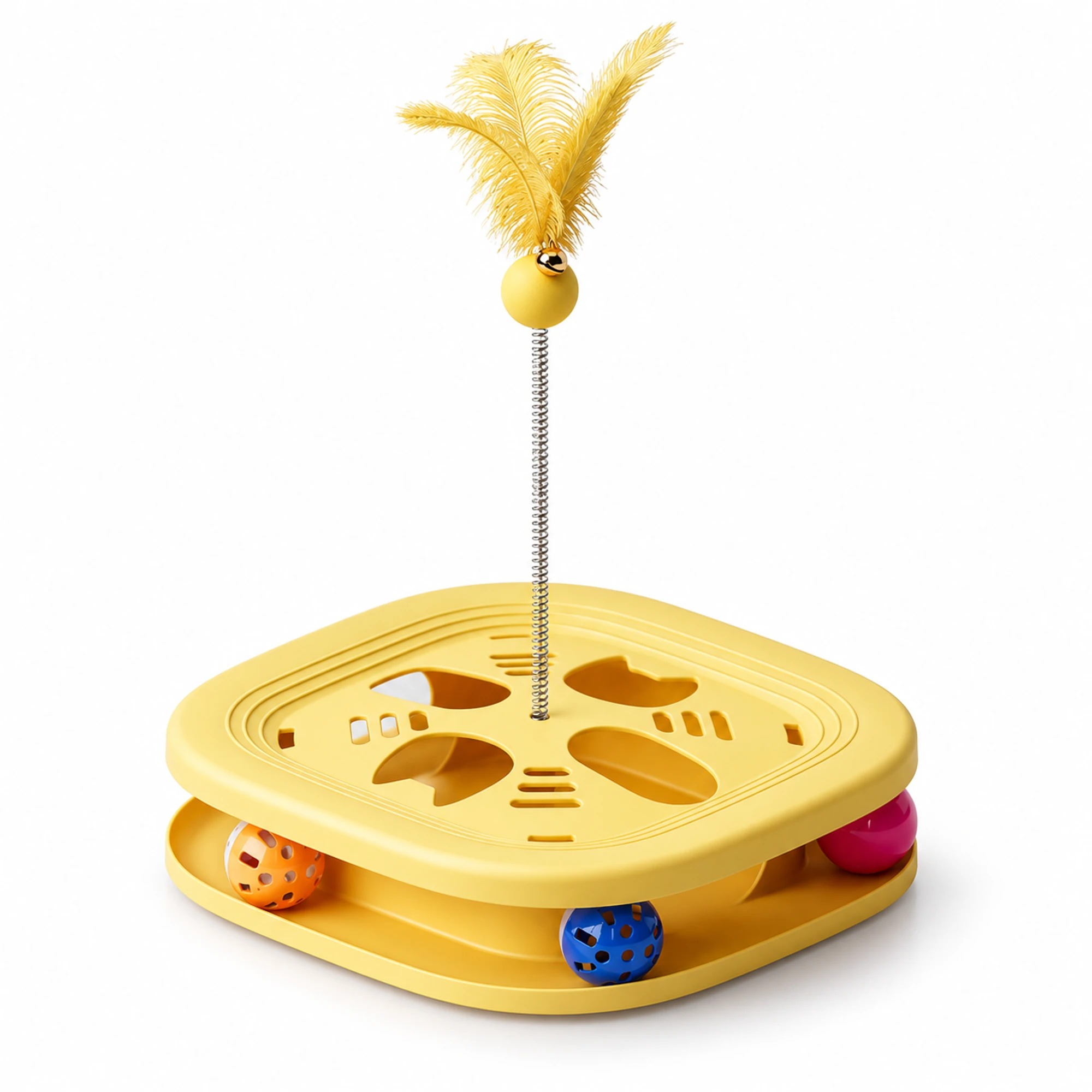
Understand the vital safety differences between avian and canine toys, including metal toxicities, bite mechanics, and why cross-species toy sharing is dangerous.
Build a structured daily pet play schedule with morning sprints, midday puzzle foraging, and soothing evening interactive sessions to curb boredom and reduce anxiety.
Learn how to decode pet toy material claims, evaluate rubber, plastics, textiles, and wood, and identify hidden safety factors beyond marketing copy.
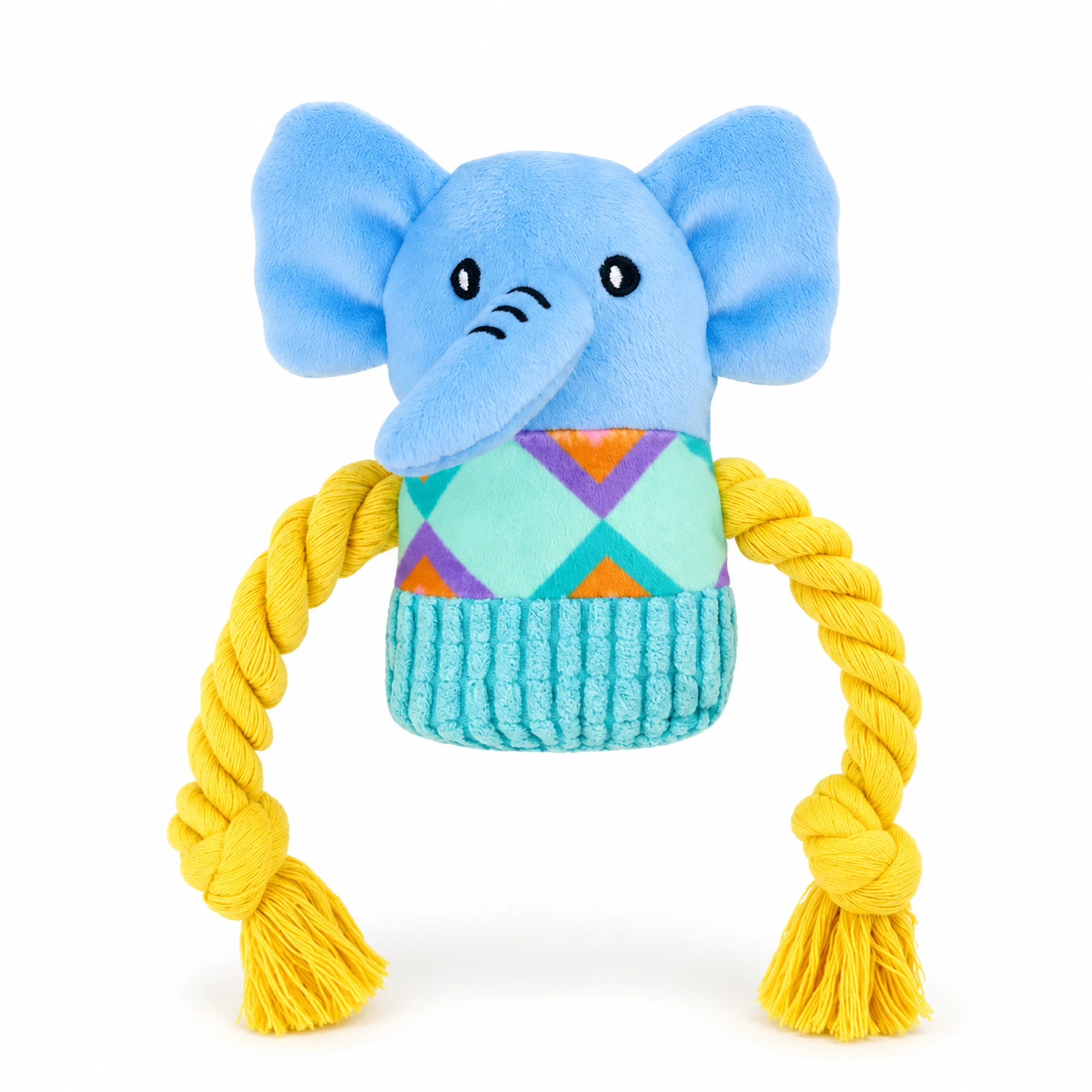
A comprehensive veterinary and behavioral evaluation of plush toys for small pets, detailing stuffing risks, digestive hazards, and safe fabric alternatives.
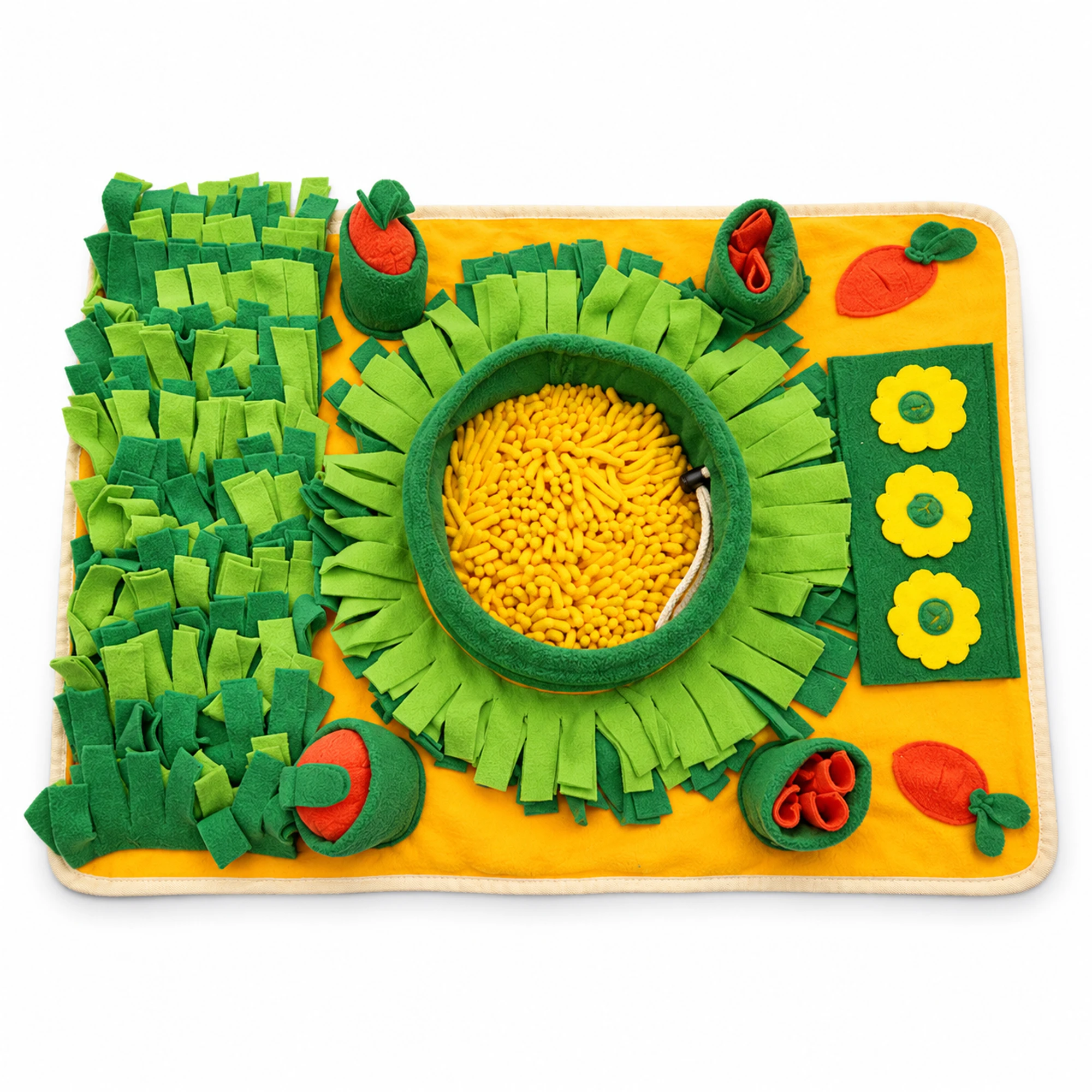
Explore evidence-based enrichment toys for rabbits and guinea pigs, from foraging snuffle mats to safe chew stations that support natural dental and mental health.
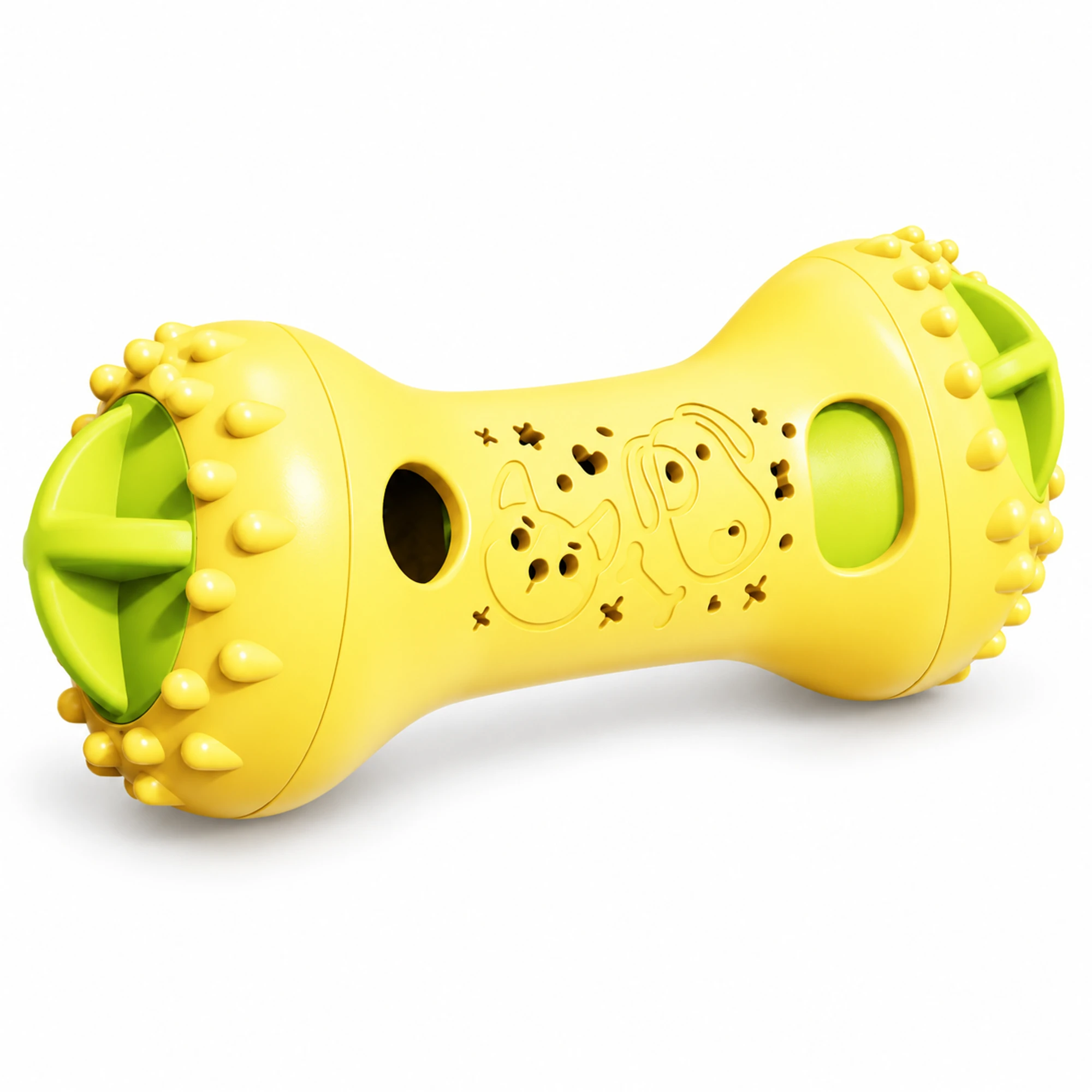
Learn how to stop a dog from swallowing toy pieces. Discover predatory chew instincts, the trade-up protocol, early wear signals, and safe treat dispensers.
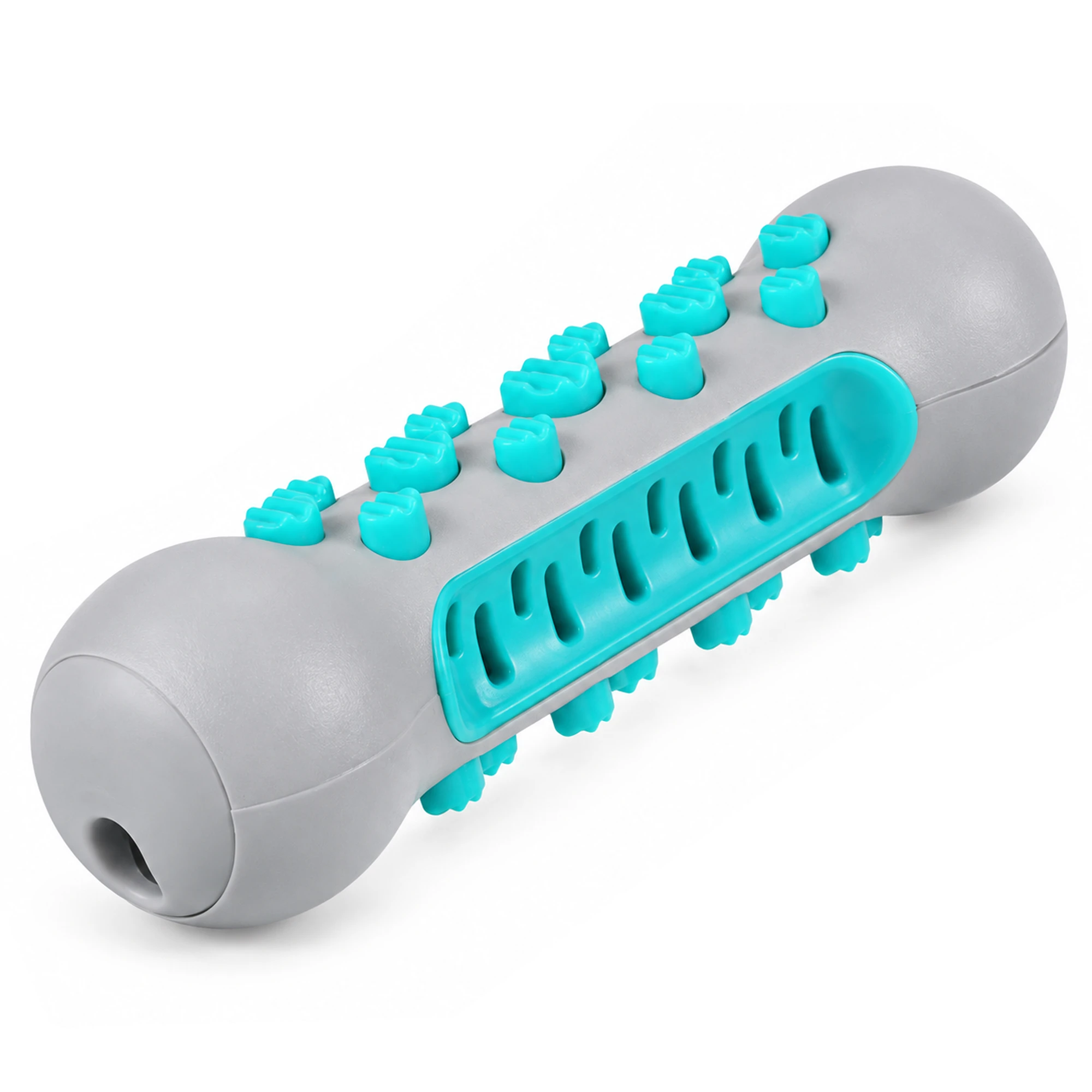
Essential pre-purchase dog toy safety checklist. Discover how to inspect material non-toxicity, evaluate airway sizing, and choose safe mechanical toys.
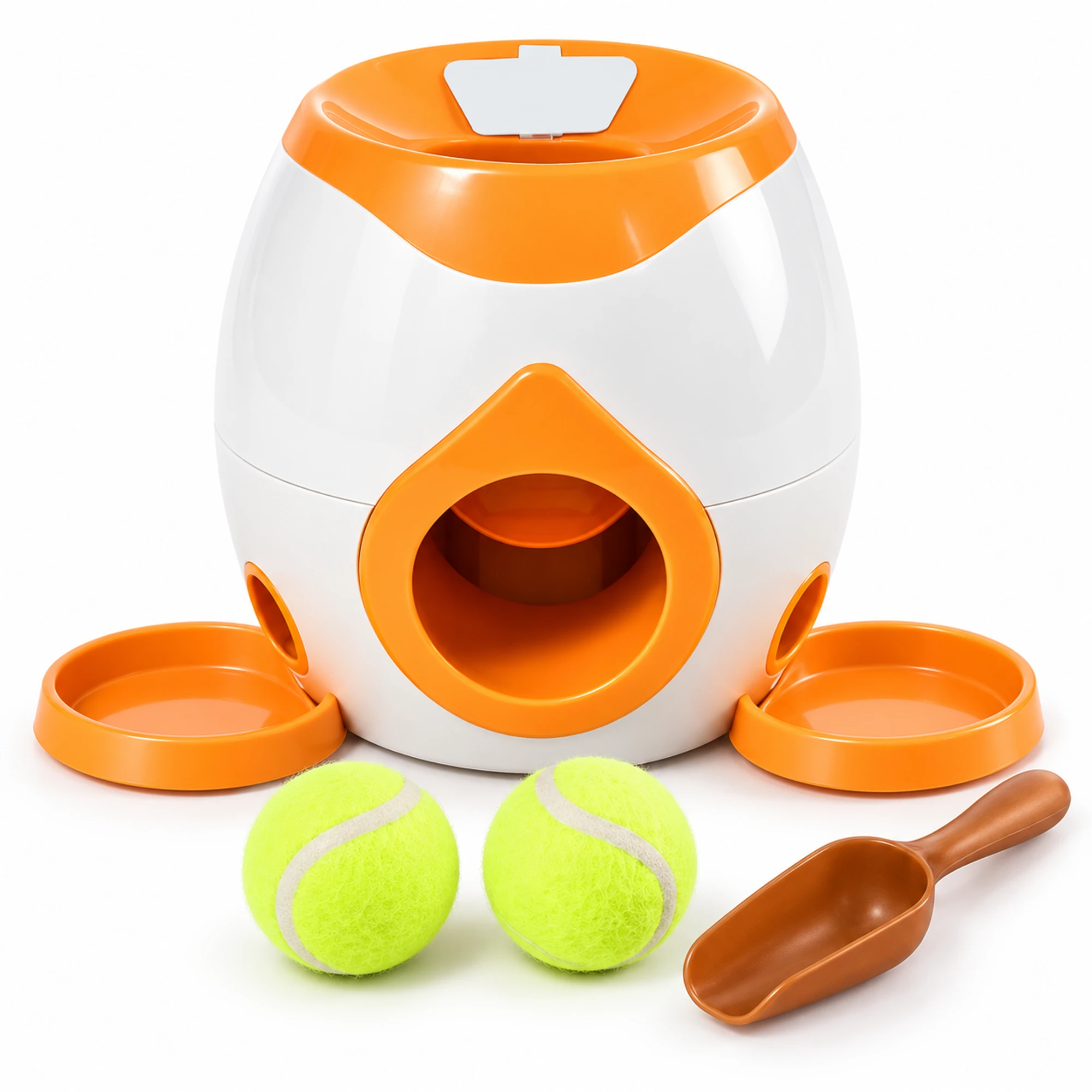
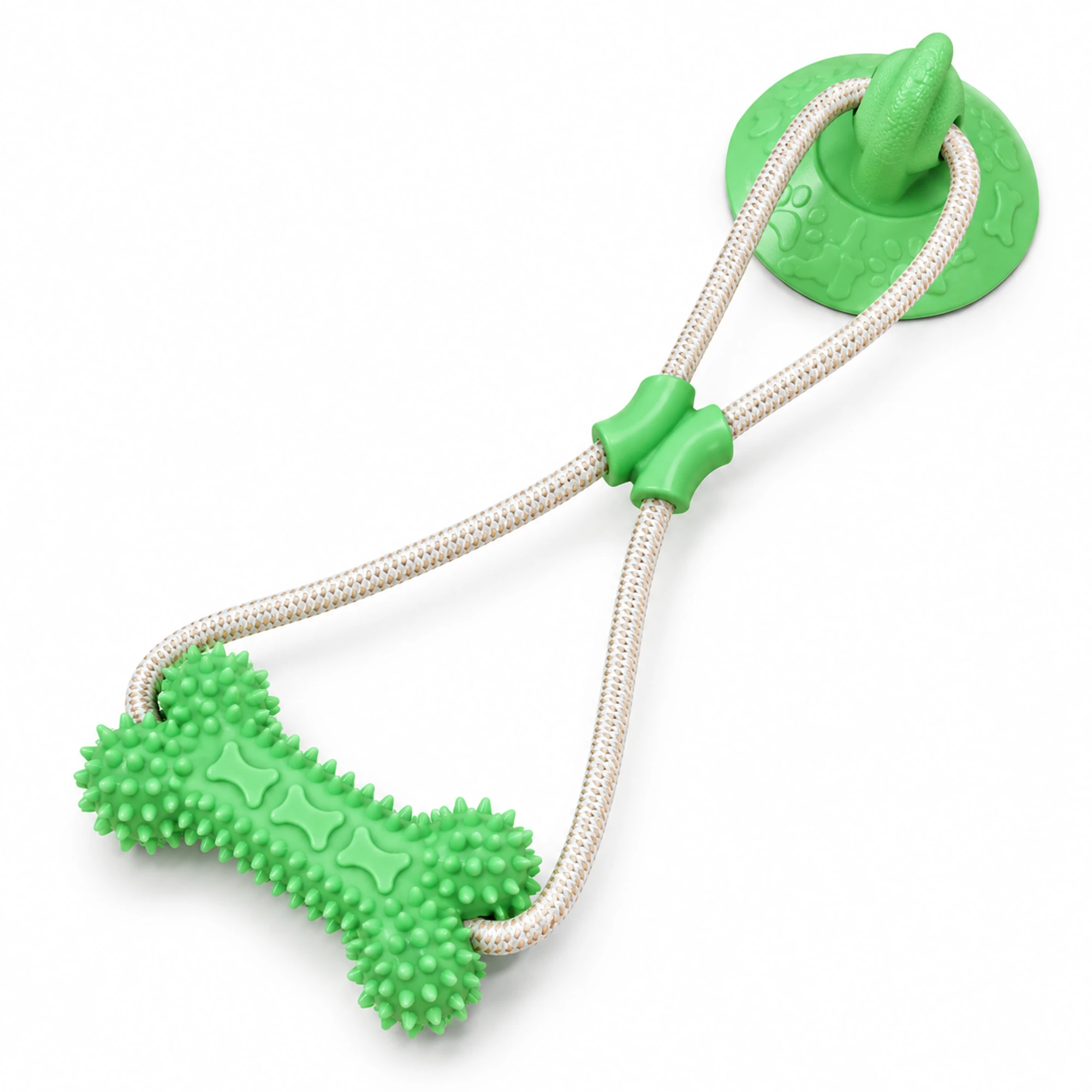
Keep dogs engaged while alone with self play dog toys. Explore manual ball return stations, rechargeable rolling balls, suction tugs, and solo enrichment.
Learn exact wear signs, material structural failure points, and safety rules for when to retire and throw away damaged dog toys.
Discover why dogs love squeaky toys through canine predatory instincts, acoustic dopamine loops, and safe plush squeaker toys and burrow puzzles.
Discover why veterinary dentists warn against tennis balls for dogs, how abrasive felt causes blunting, and explore safer rubber fetch alternatives.
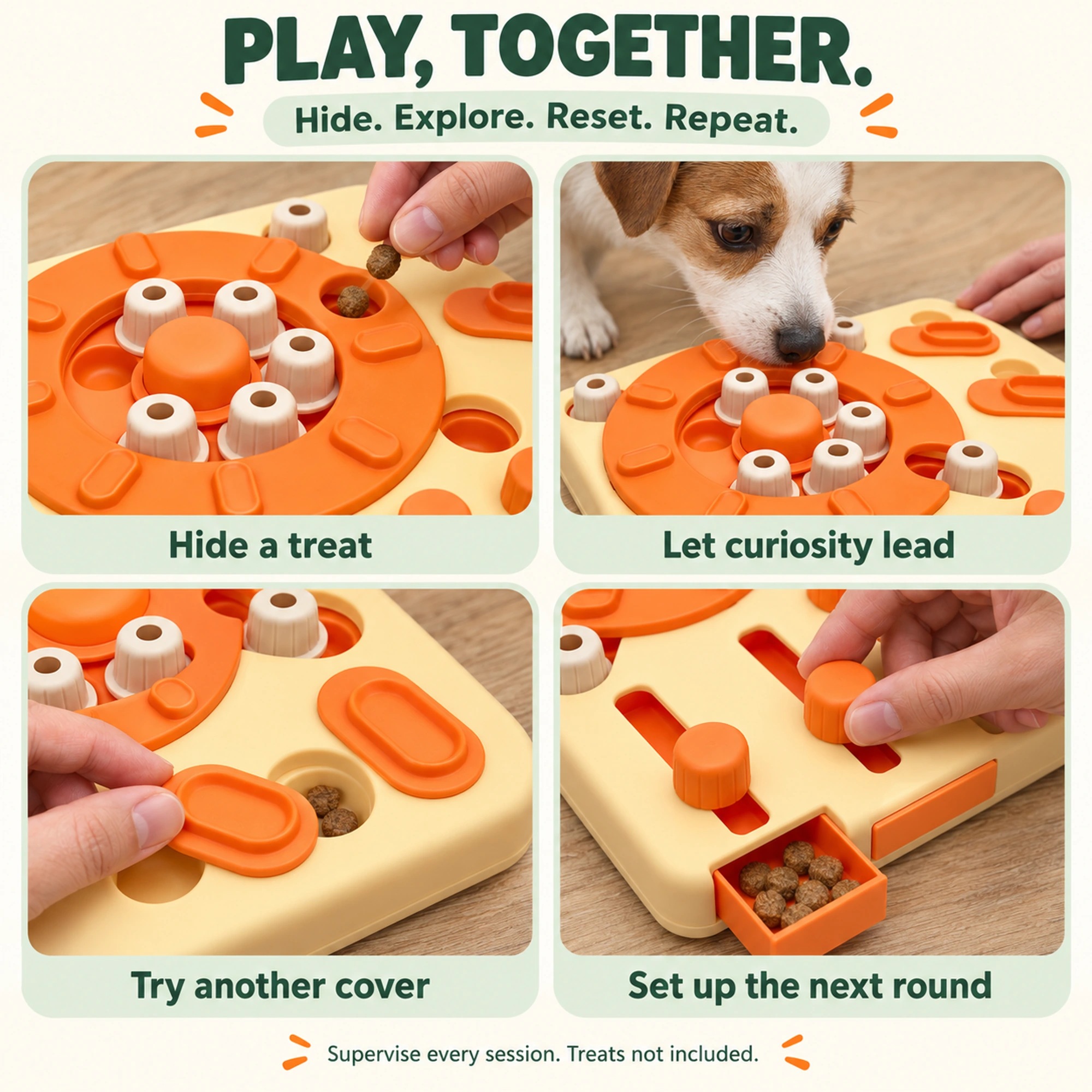
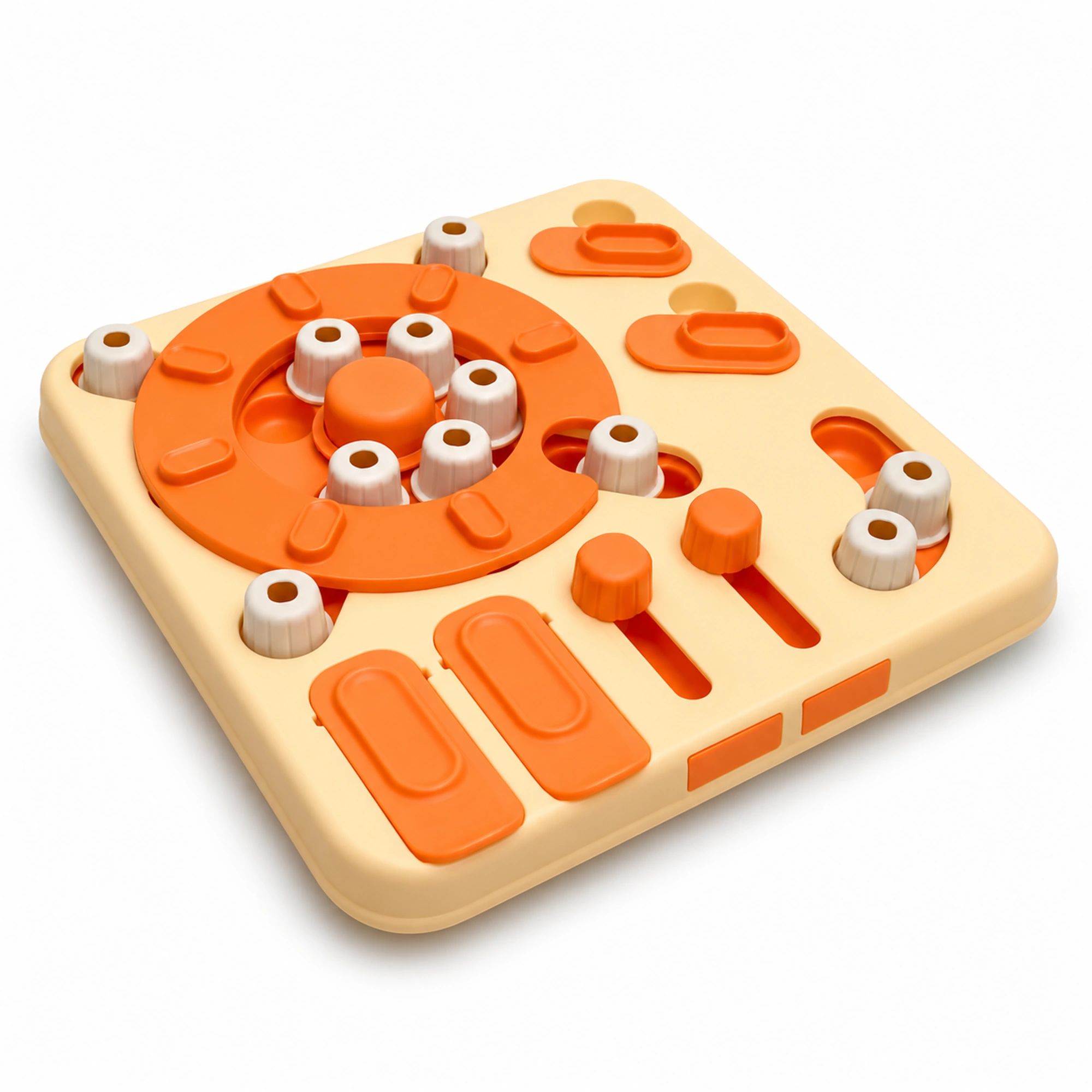
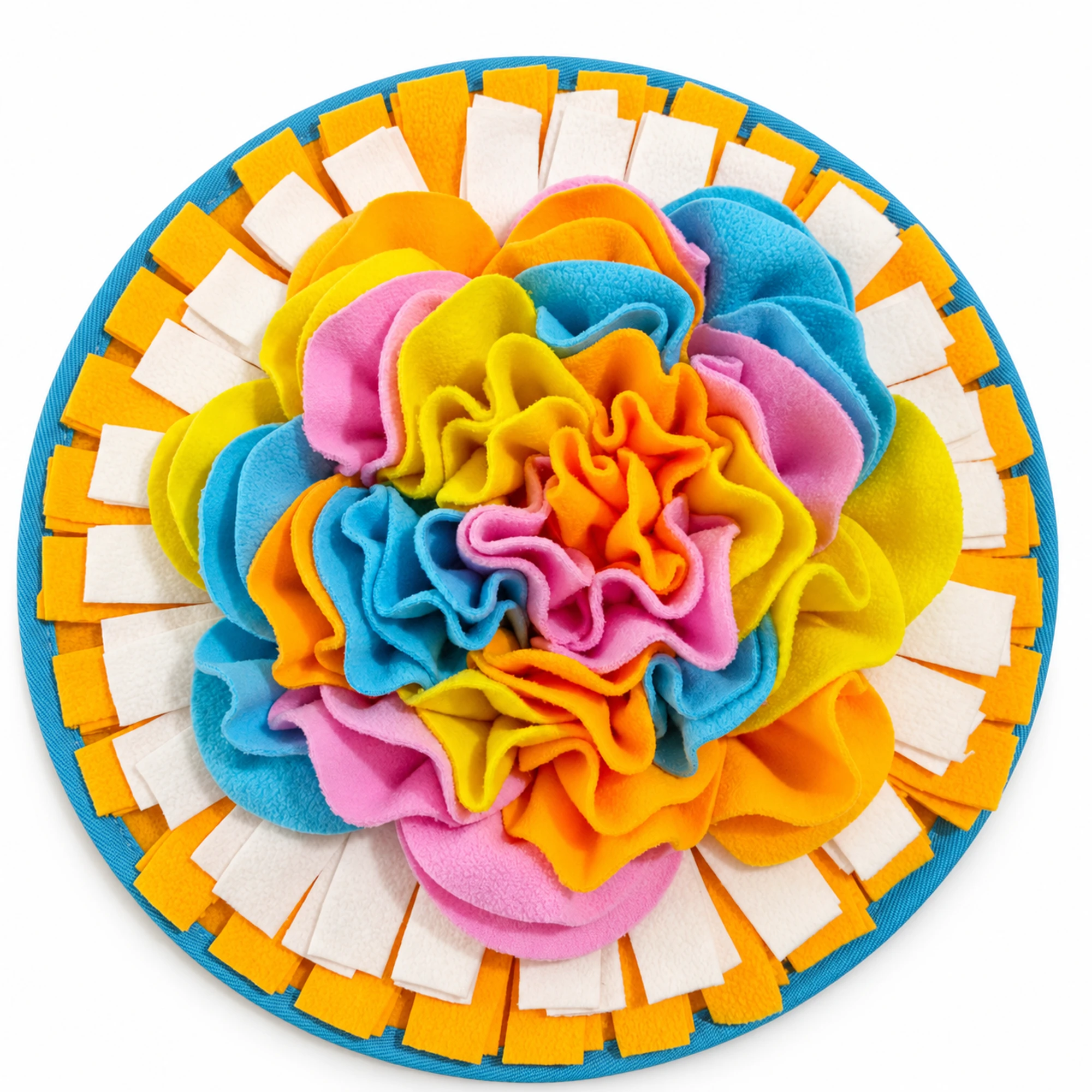
Discover how to match mental stimulation toys to your dog energy level, from soothing snuffle mats to multi-action puzzle boards and rolling treat dispensers.
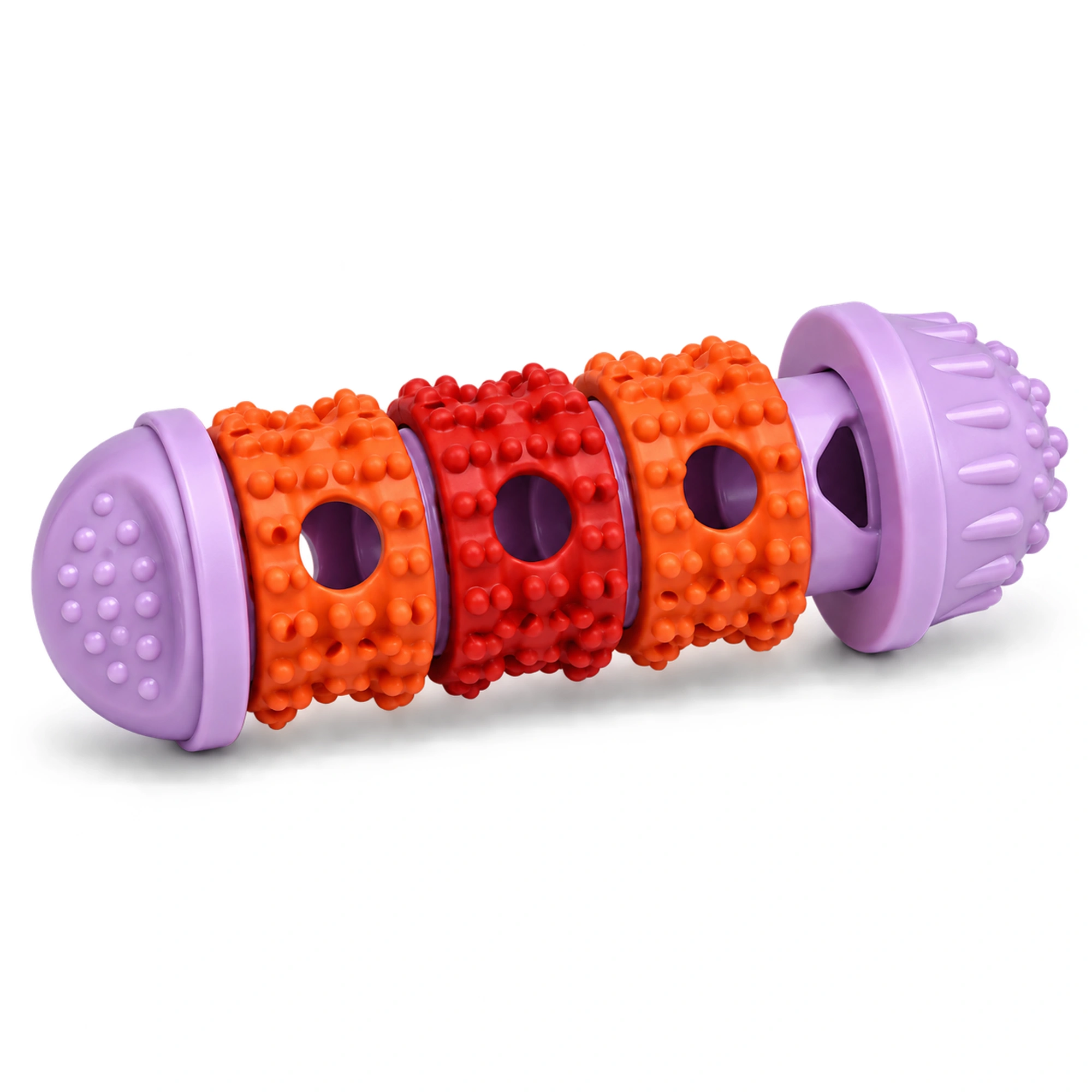
Explore what interactive toys can and cannot do for canine separation anxiety, from pre-departure scent foraging to safe textured chew rings.
Does your dog inhale meals in seconds? Discover why static maze bowls fail against fast eaters, and how mechanical sliders and snuffle bowls slow eating safely.
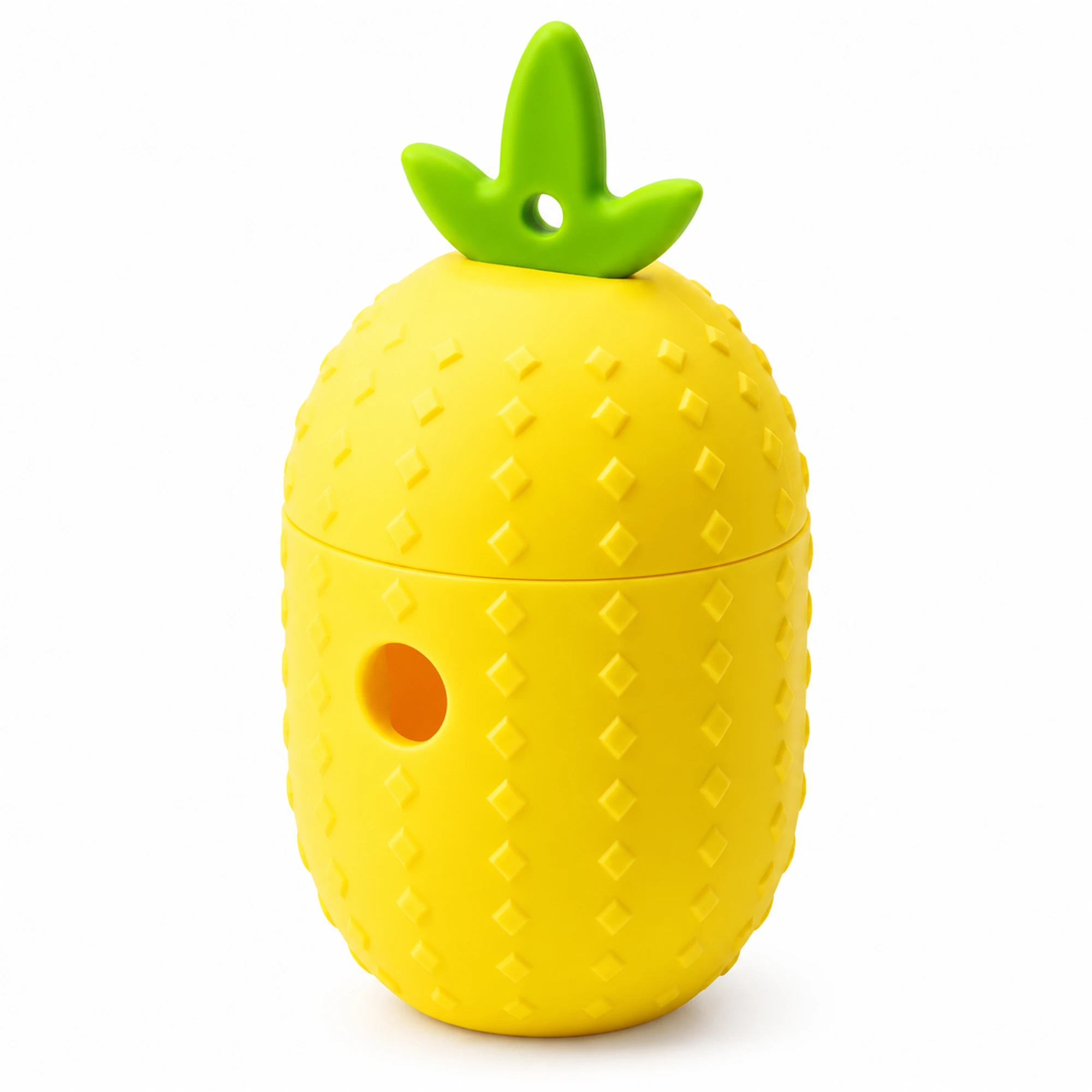
Are rubber dog toys safe? Discover the critical differences between natural and synthetic rubber, key safety hazards, and top non-toxic chew toy recommendations.
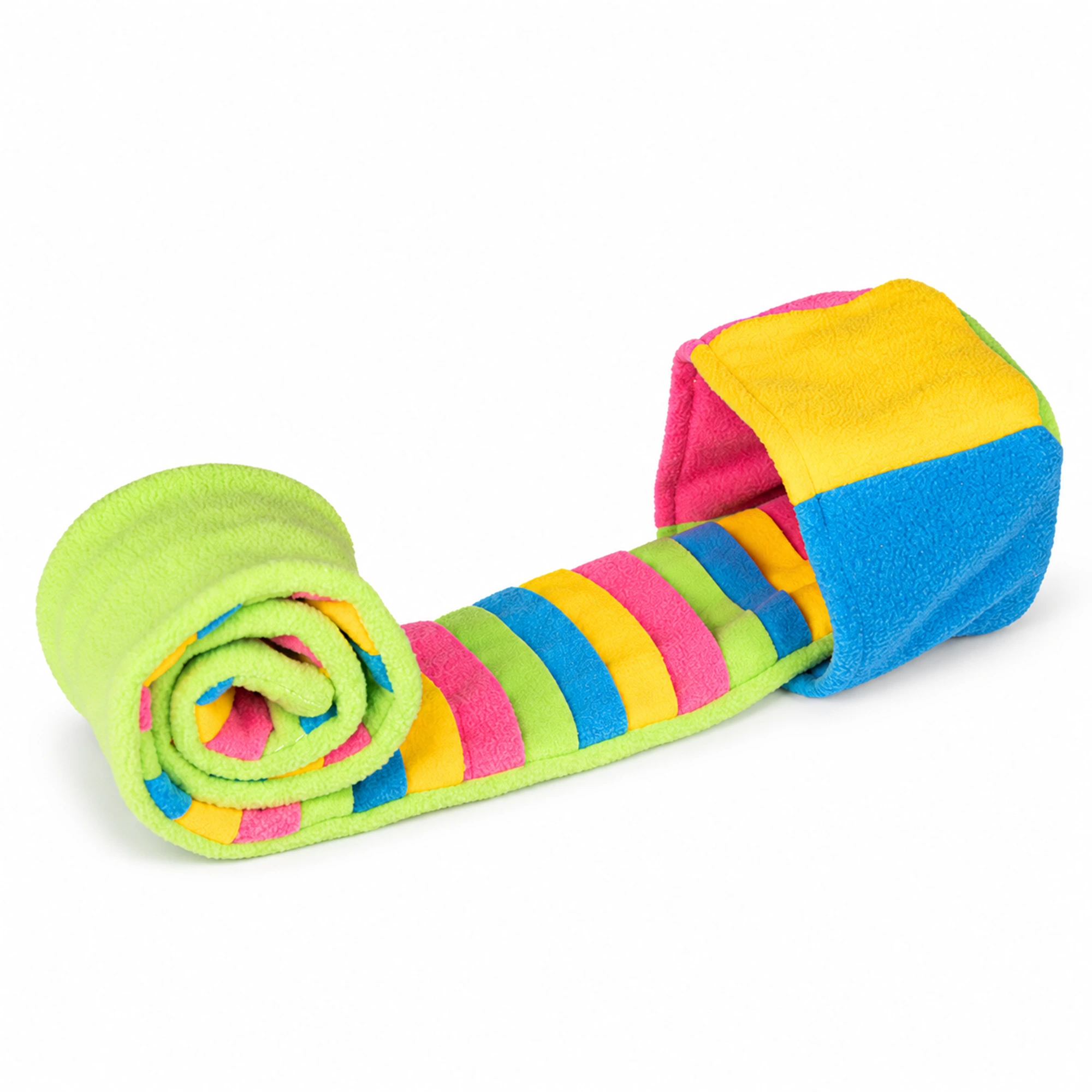
Learn why dogs pull stuffing out of toys, immediate steps if stuffing is swallowed, health risks, and safe stuffing-free enrichment alternatives.
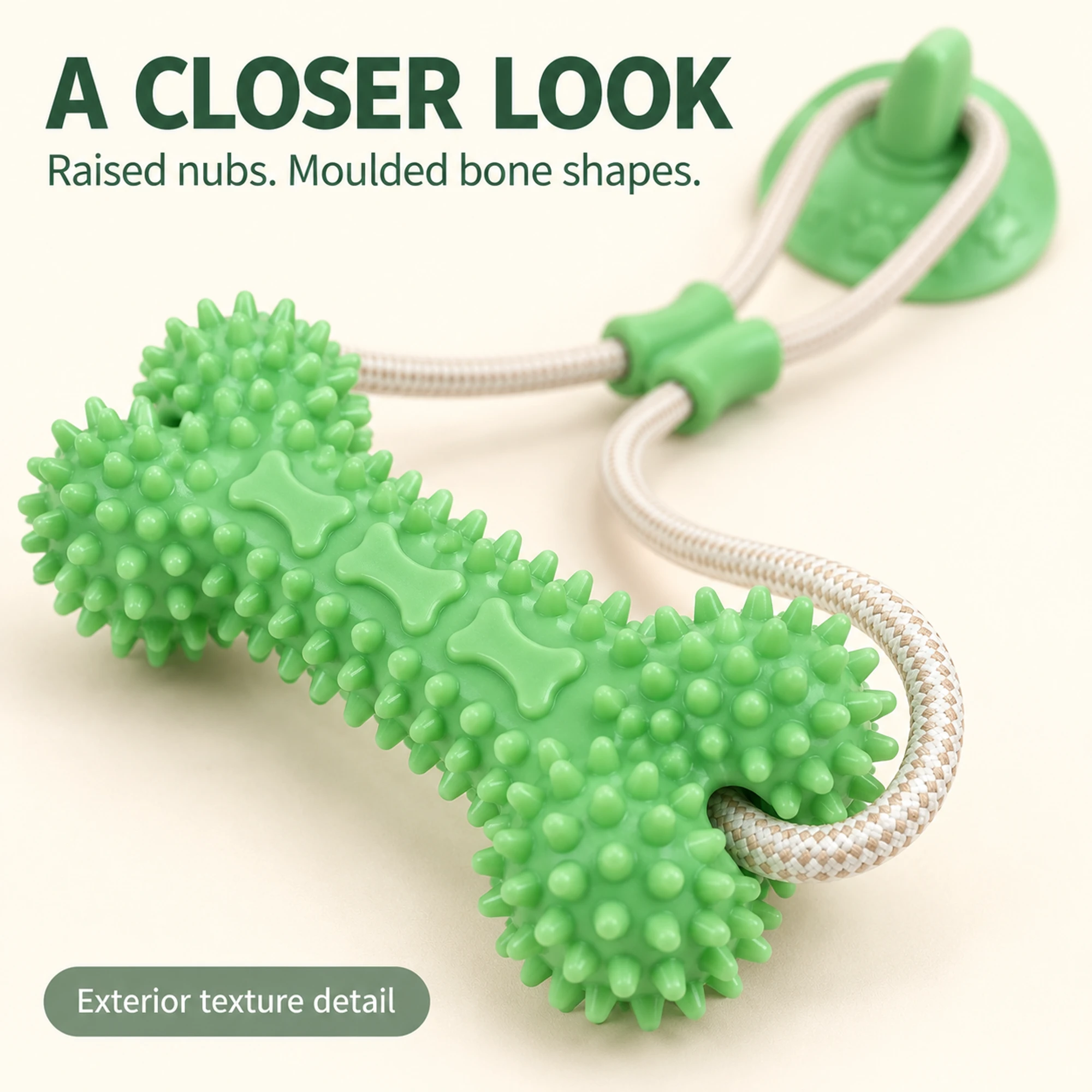
Learn safe, effective sanitation methods for rubber chew bones, cotton rope toys, and suction mounts to remove slobber, bacteria, and mold without harsh residues.
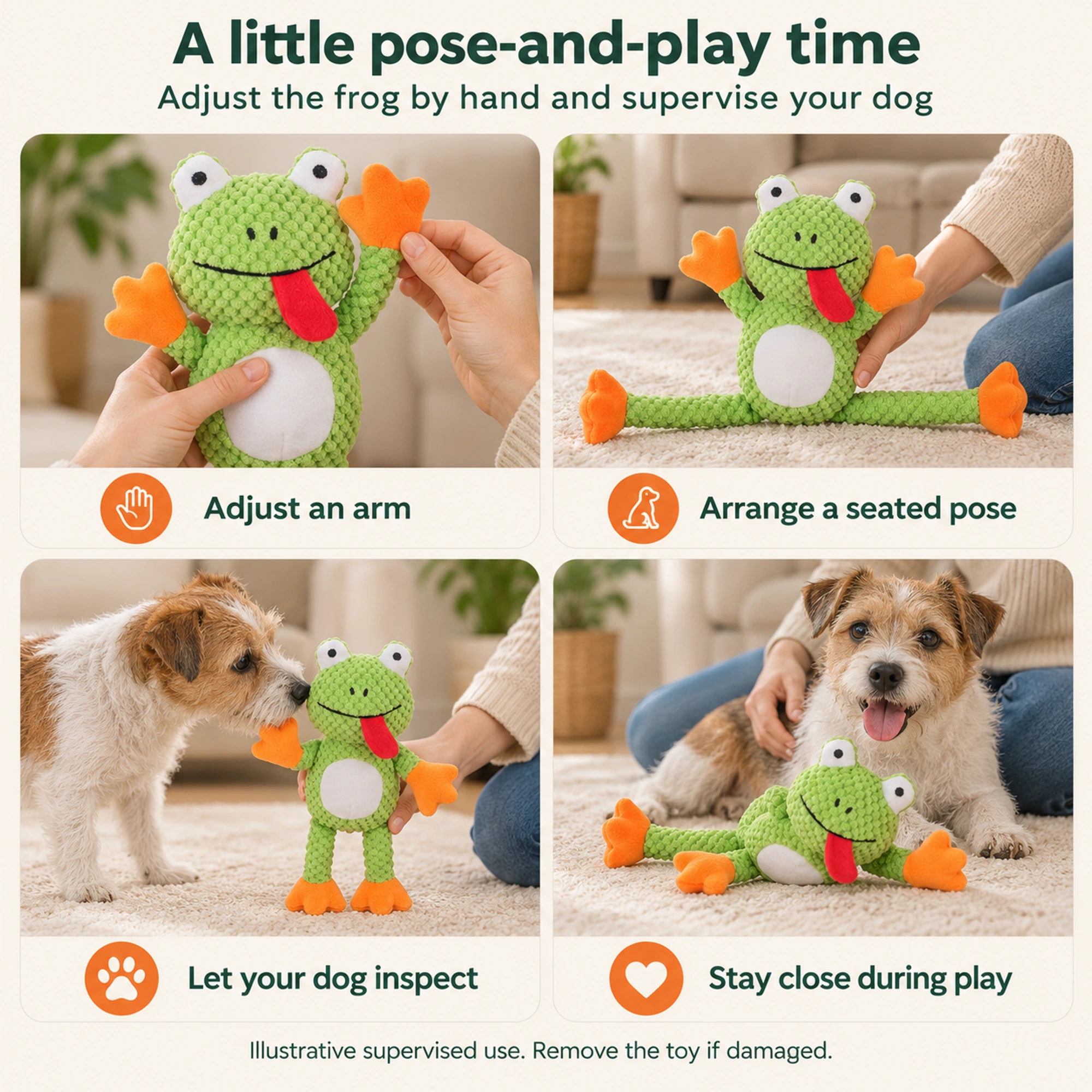
Learn how to rotate dog toys using a 3-bin schedule. Prevent boredom, reset novelty, inspect wear, and keep play engaging without buying new toys.
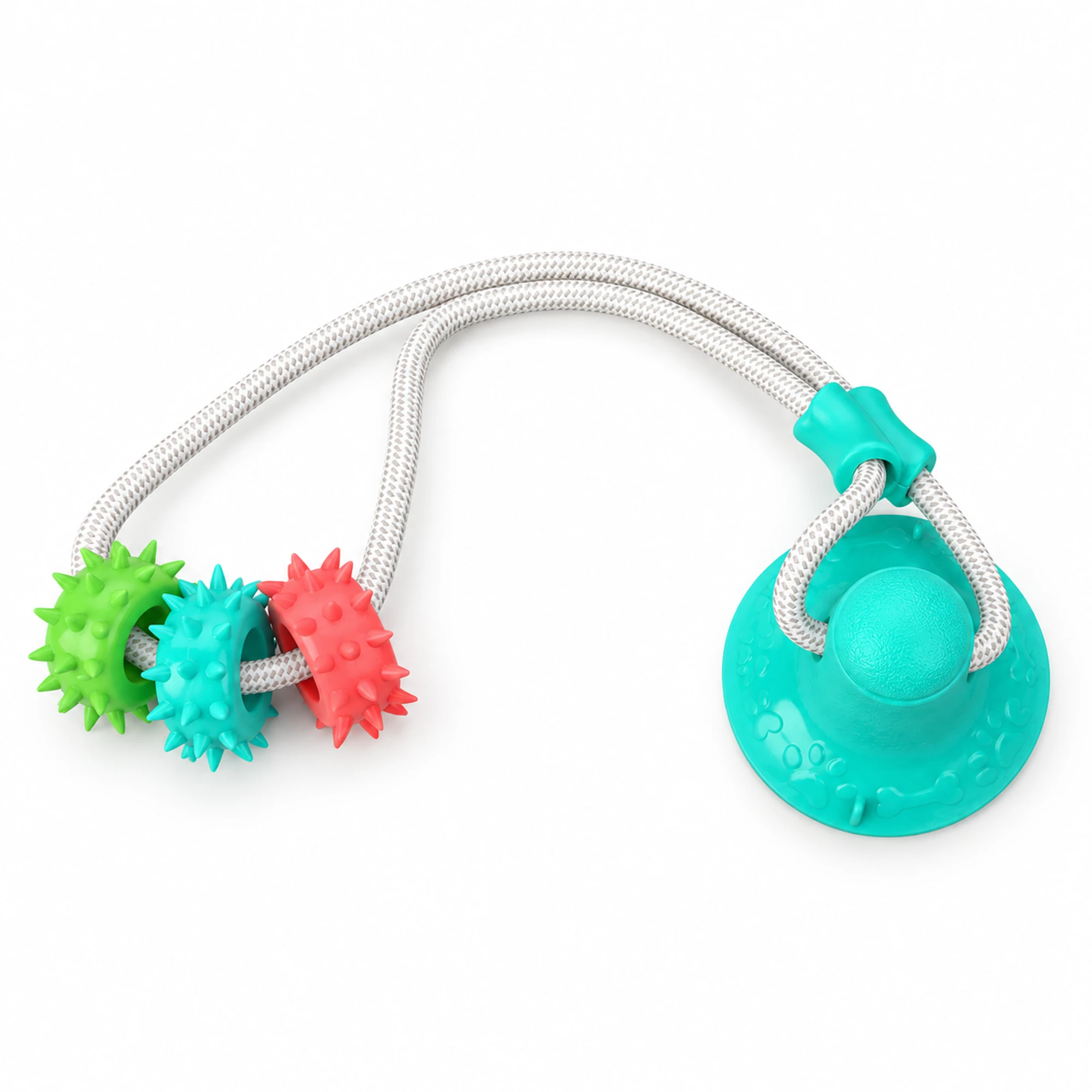
Learn how to stop a dog from destroying toys. Understand predatory chewing drives, establish chew zones, and redirect destructive chewing with durable toys.
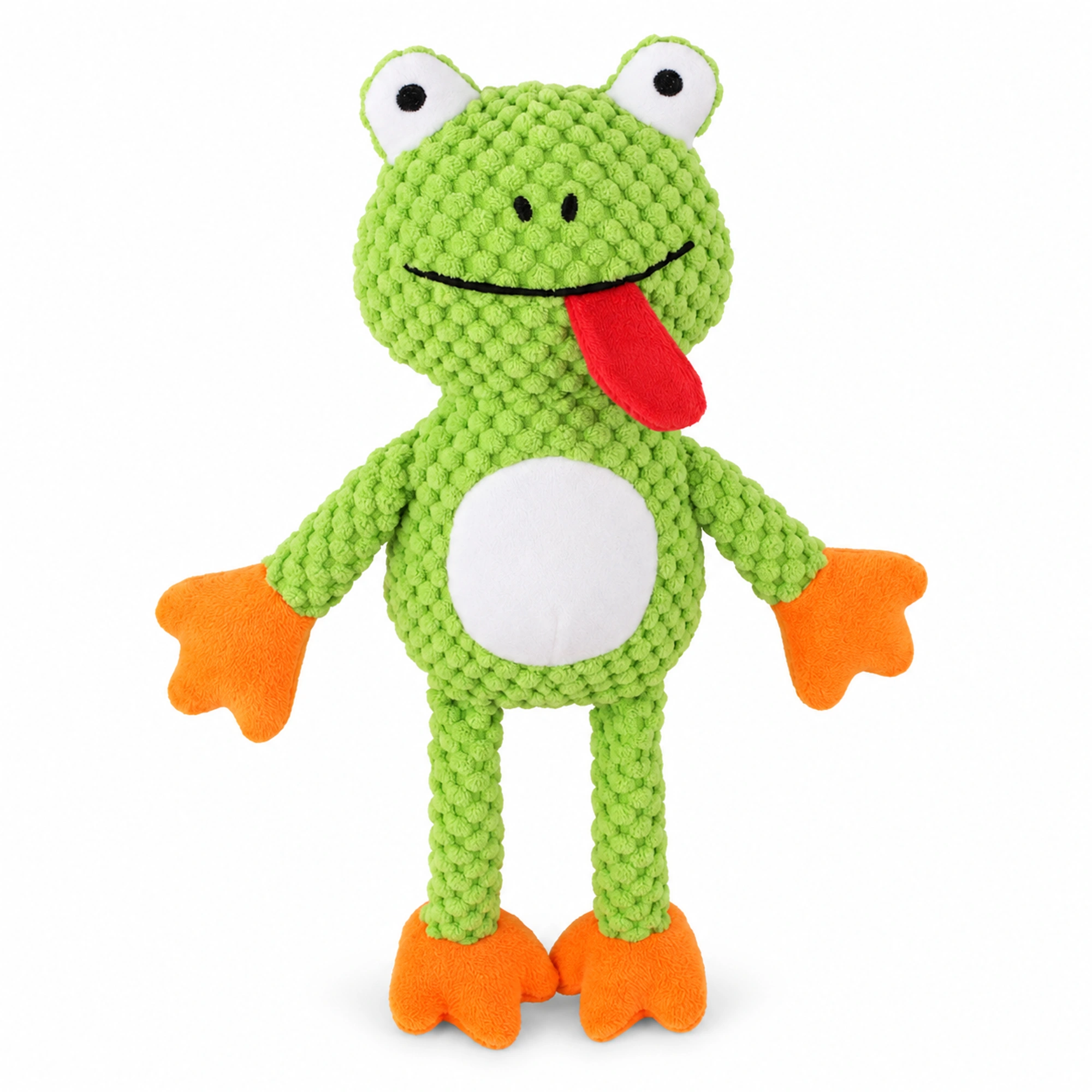
Discover why dogs carry toys around the house. From greeting excitement and oral soothing to natural holding instincts, learn what your dog is communicating.
Understand why your dog cries, whines, or paces while carrying a toy, from predatory excitement and nesting instincts to burying urges and calm enrichment solutions.
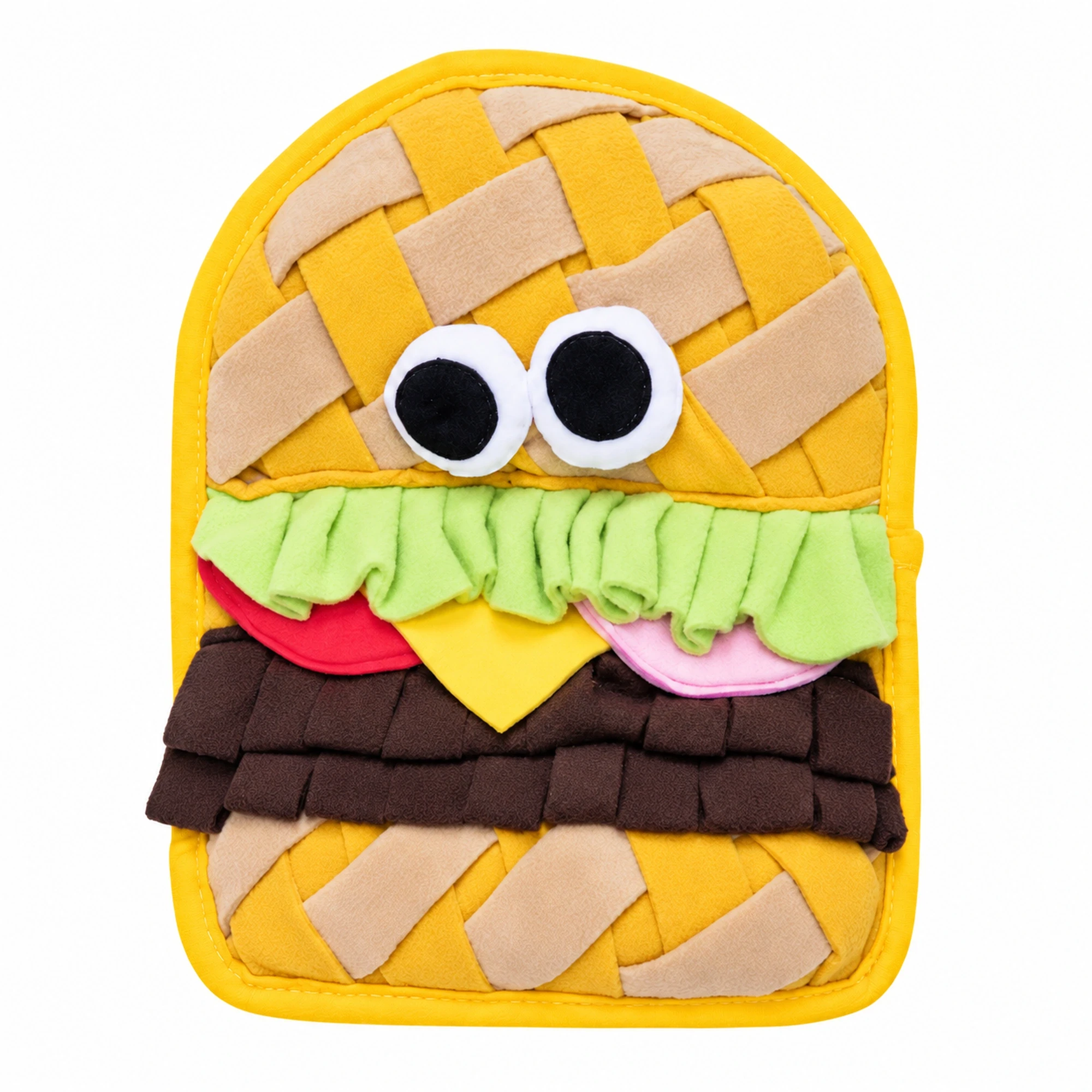
Learn why dogs hide and cache toys under beds and couches, how to tell playful stashing from anxiety or guarding, and how foraging puzzles help.
Understand why dogs shake toys violently with their heads, how predatory ragging instincts work, and how safe suction tug toys provide healthy outlets.
Are plush dog toys safe? Learn how Humane World and the AKC match soft toys to your dog's play style, what parts to inspect, and how two JoyPetPlay toys compare.
Learn how to pick the best dog toys for teething puppies using Humane Society sizing rules, 12-week chew stage guidance, and textured ring or tug options.
Learn how to read product descriptions for aggressive chewer dog toys critically. Decode rubber and TPR materials, spot design flaws, and select safe toys.
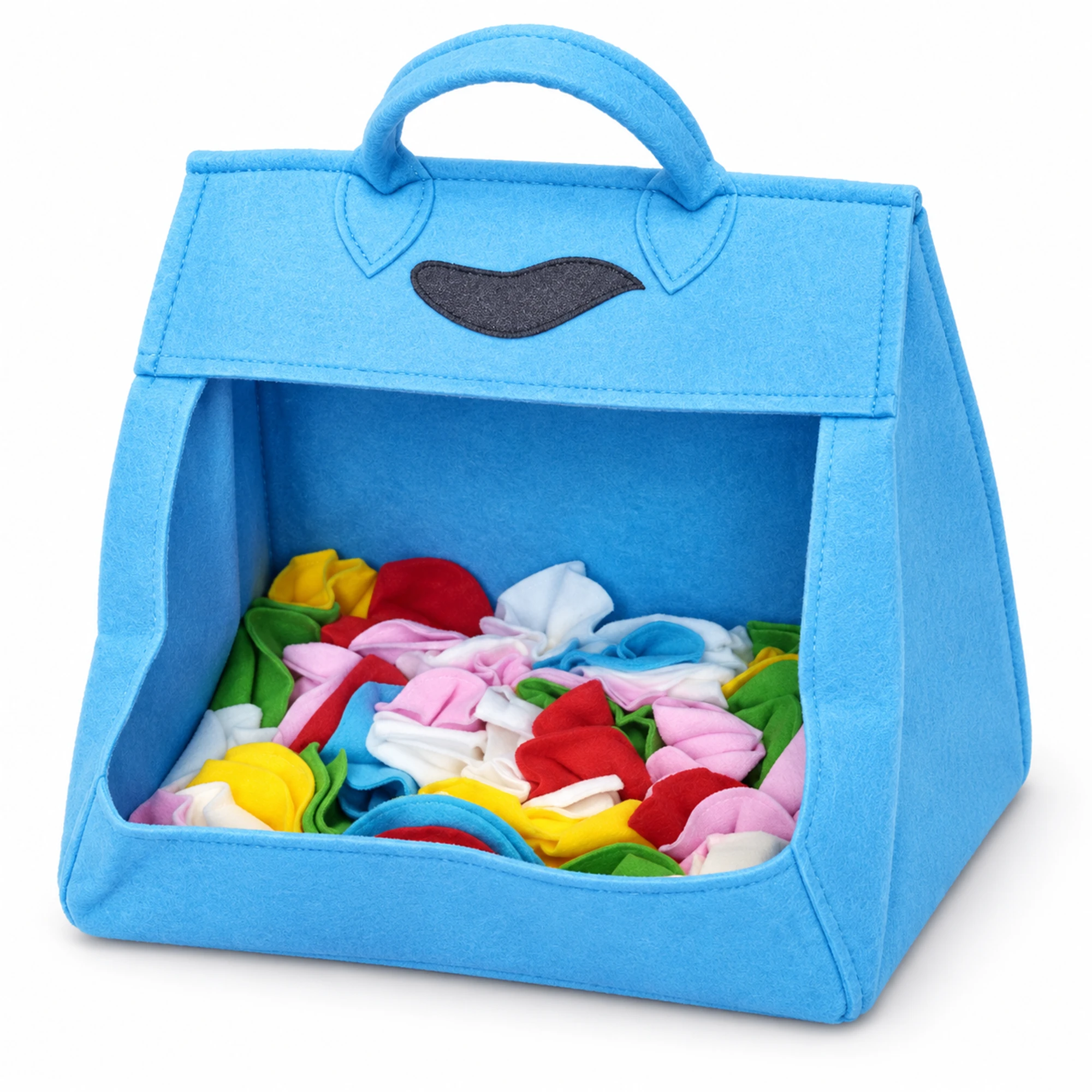
Looking for dog toys for bored dogs left home alone? Learn how to run supervised pre-departure foraging with snuffle mats and wobble puzzles, plus safe weekly rotation.
Wondering how often to replace dog toys? Discover essential safety warning signs, wear patterns across materials, and how toy rotation keeps dogs safe.
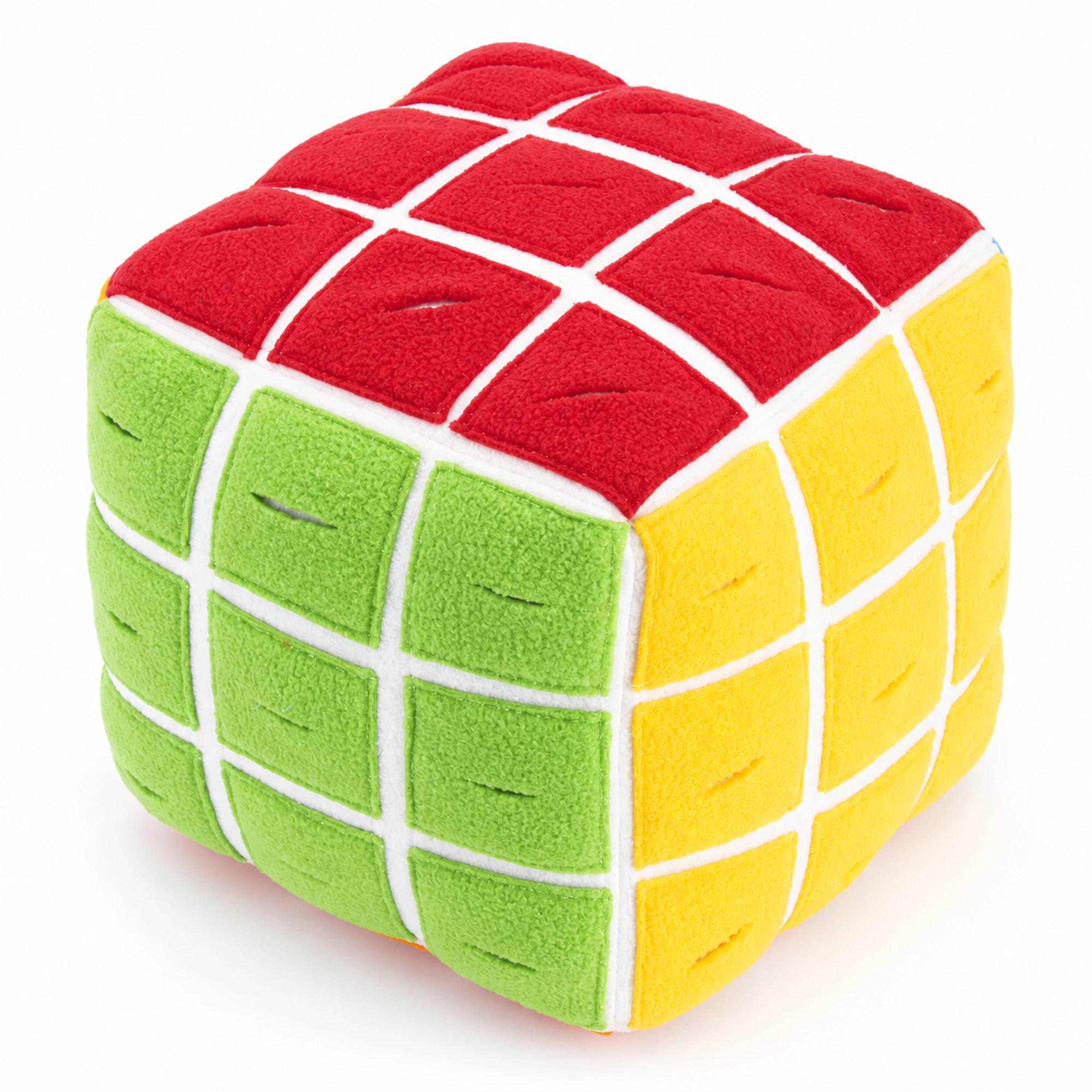
Learn how to choose the right size dog toy for a large dog. Discover jaw width safety criteria, choking prevention rules, and interactive mental enrichment toys.
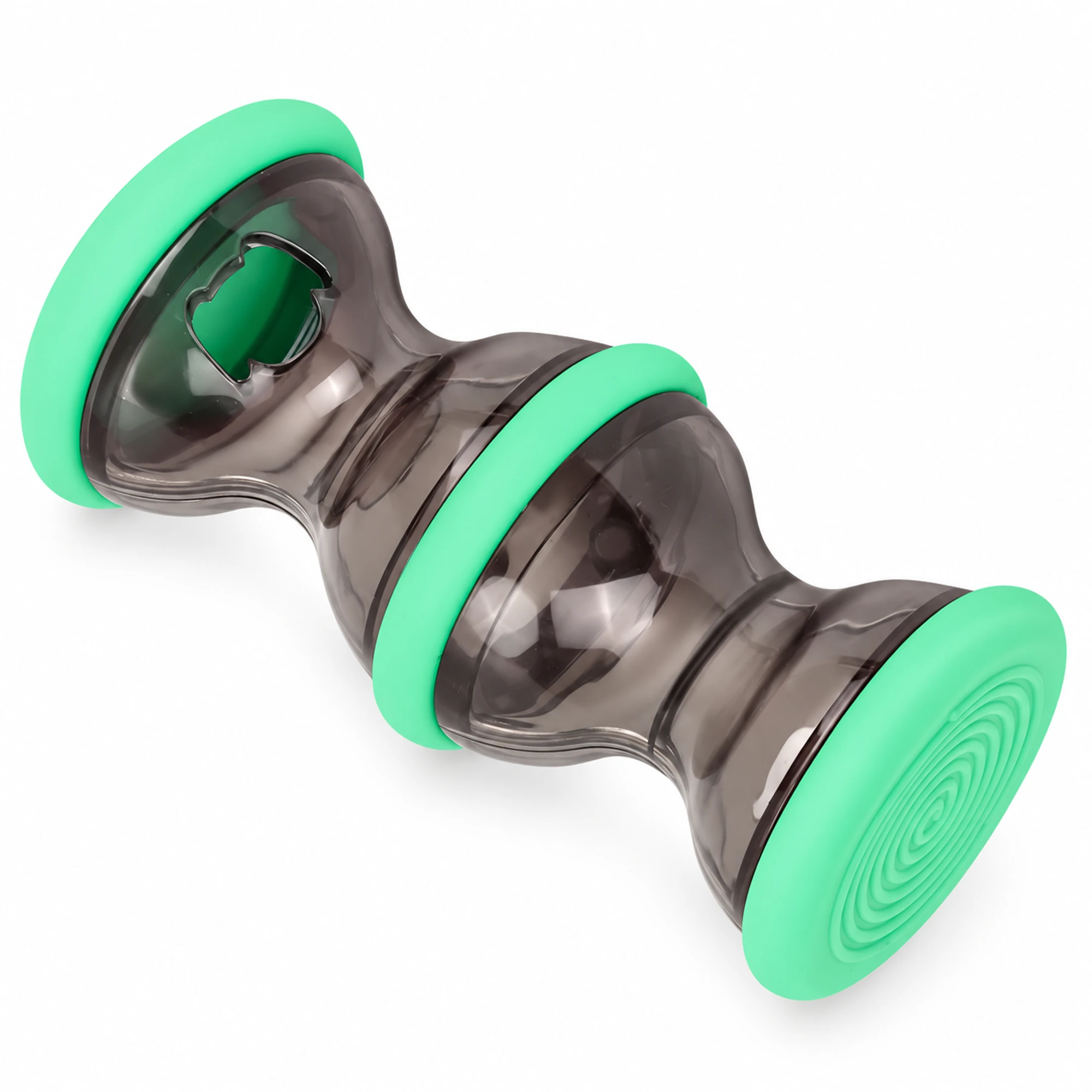
Learn how to choose the right size dog toy for a small dog. Discover veterinary sizing thresholds, avoid choking hazards, and find comfortable interactive toys.
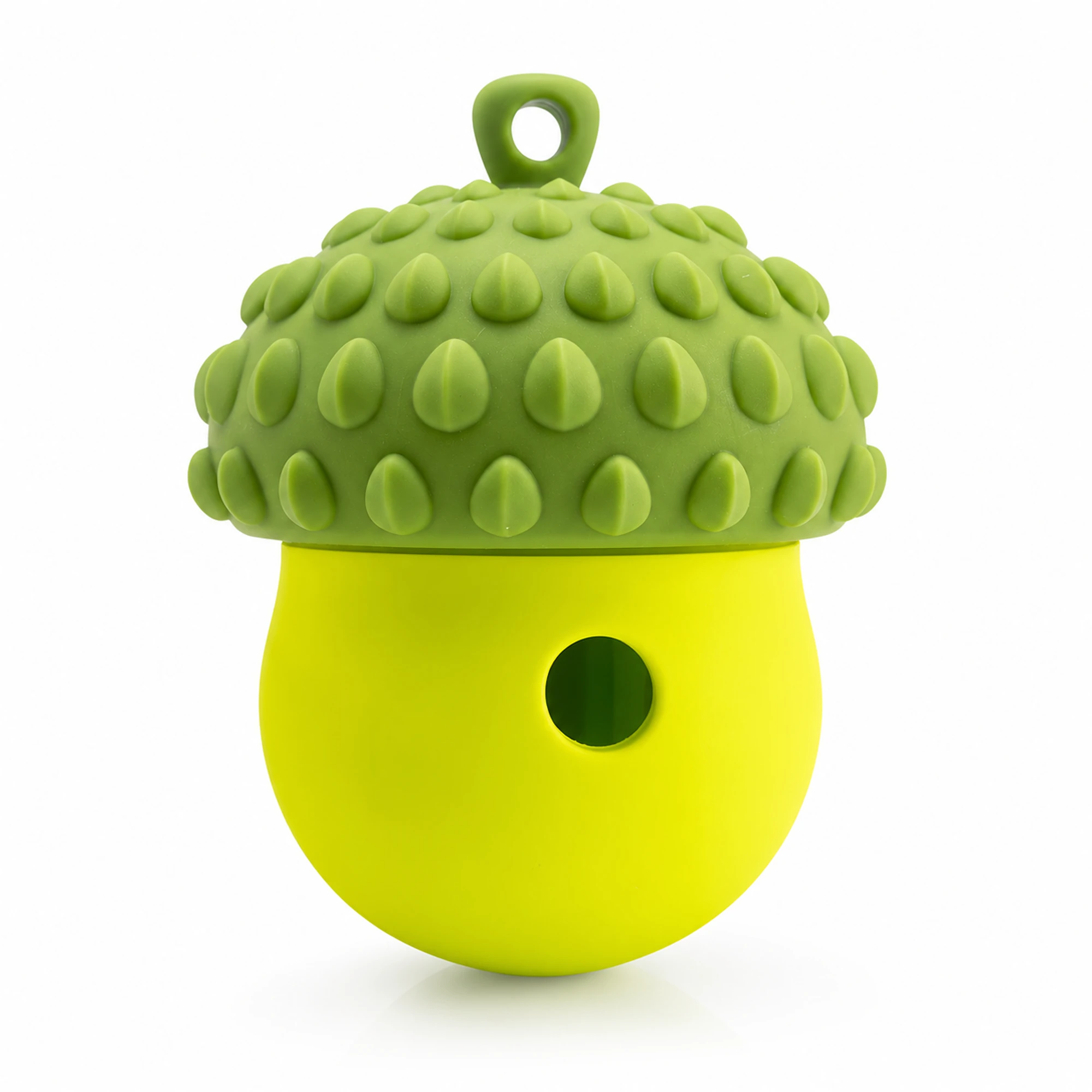
Discover which crate toys are safe to leave with your dog, what hazards to avoid, and how to choose durable rubber treat toys for crate enrichment.
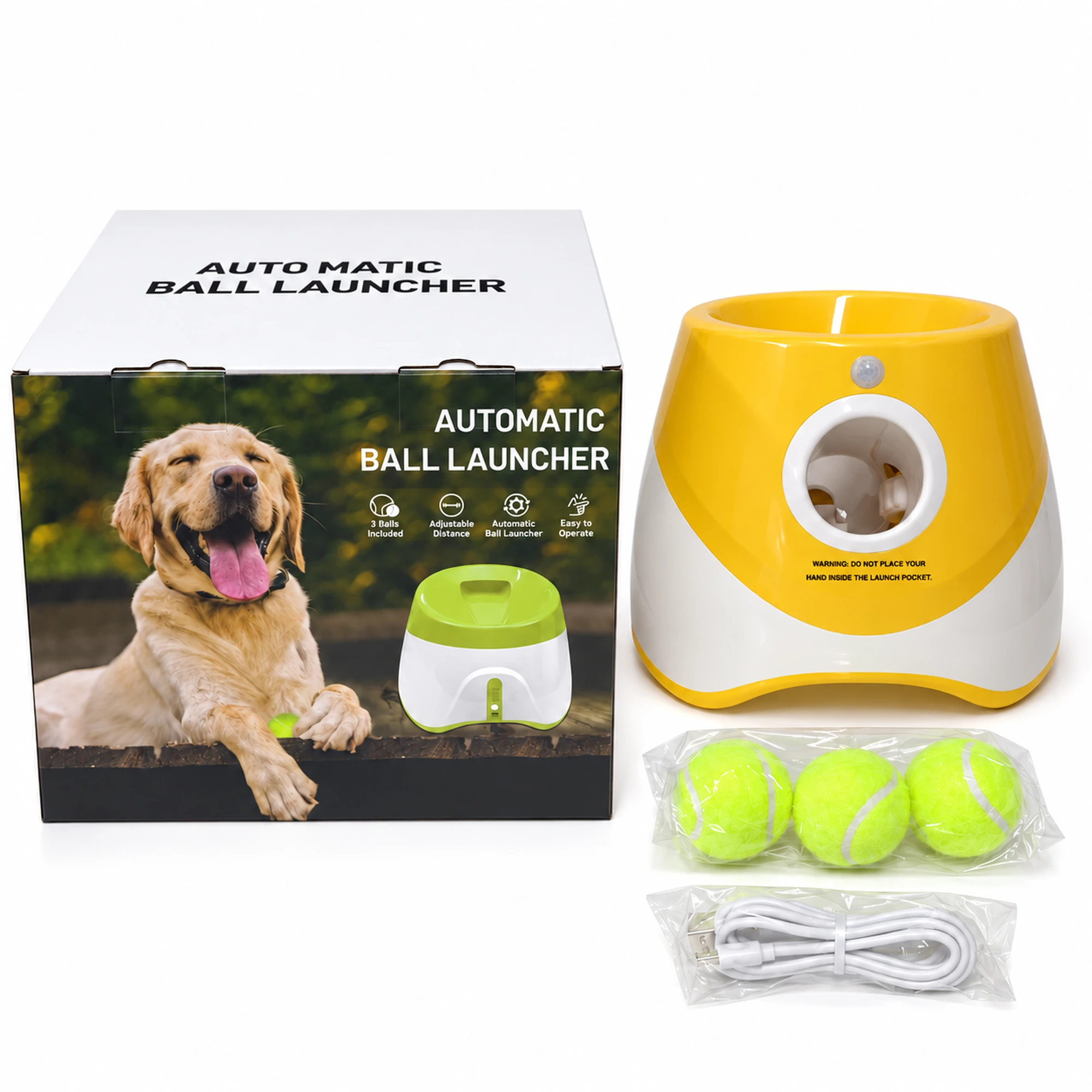
Learn how to choose the right dog ball size to prevent fatal airway choking hazards. Sizing charts, diameter rules, and safe interactive toy alternatives.
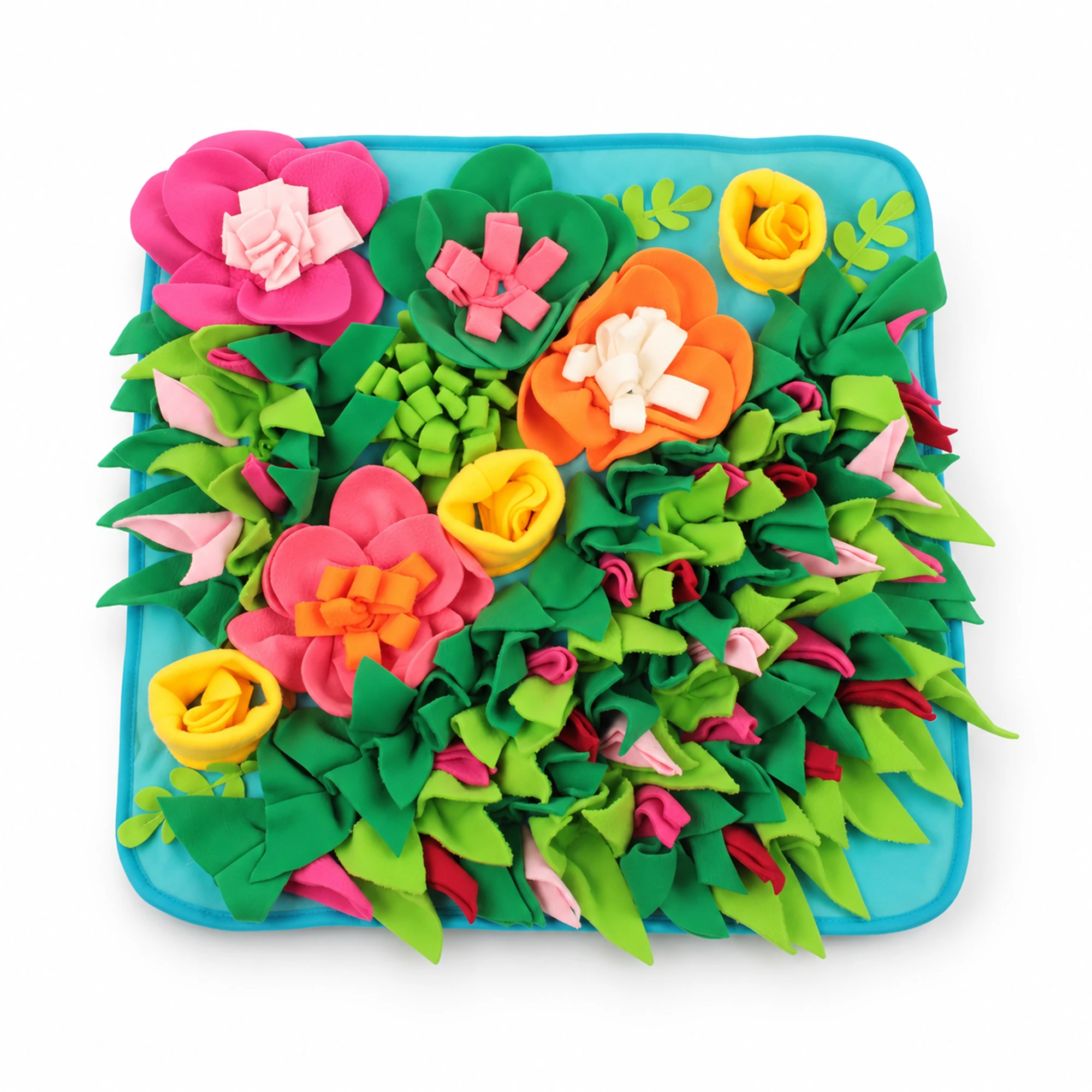
Discover the best quiet dog toys for apartment living. Learn how soft fabric snuffle mats and silent puzzle feeders tire dogs mentally without noise.
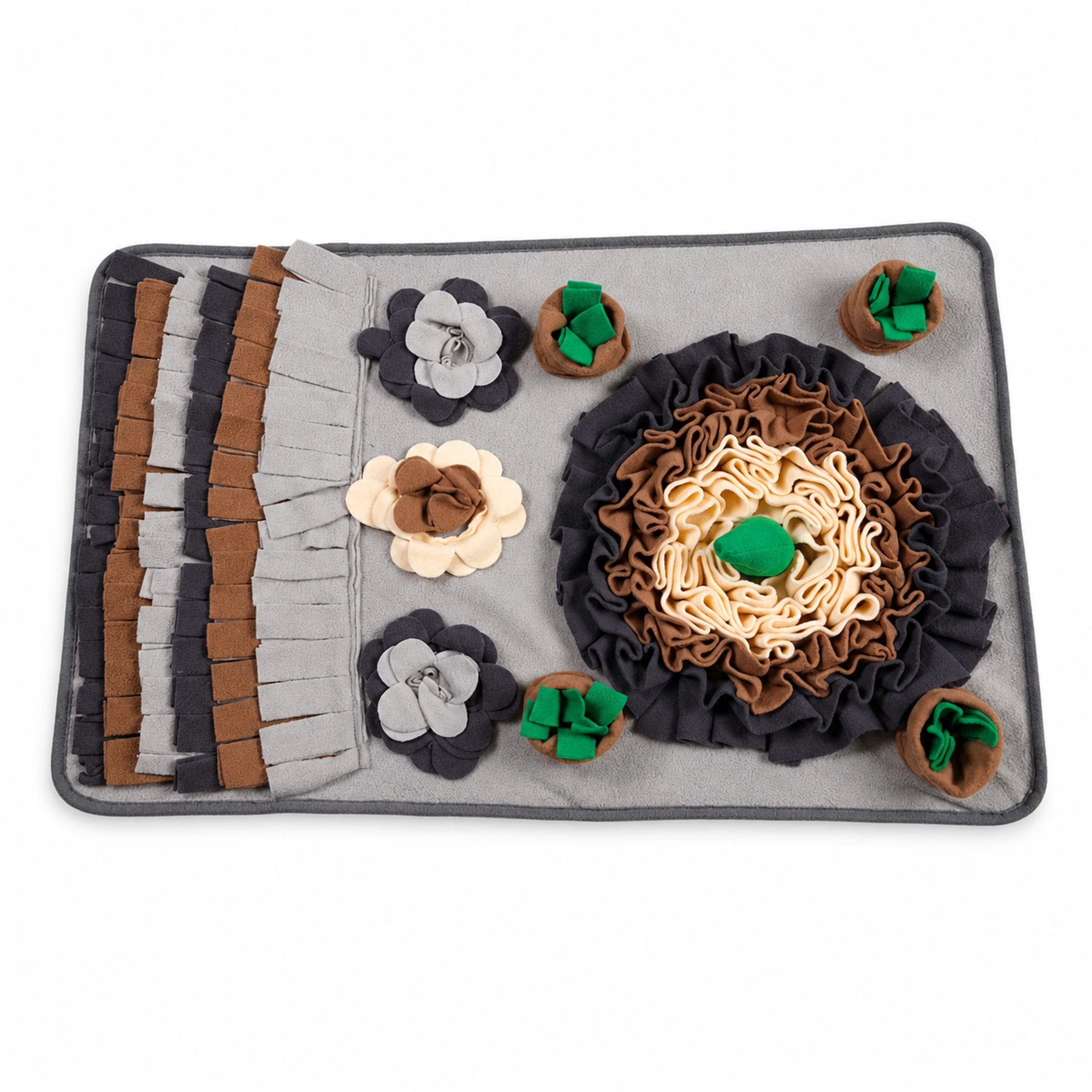
Discover the best dog toys for senior dogs. Learn how soft fabric foraging mats and low-resistance puzzle toys keep older dogs mentally sharp without joint pain.
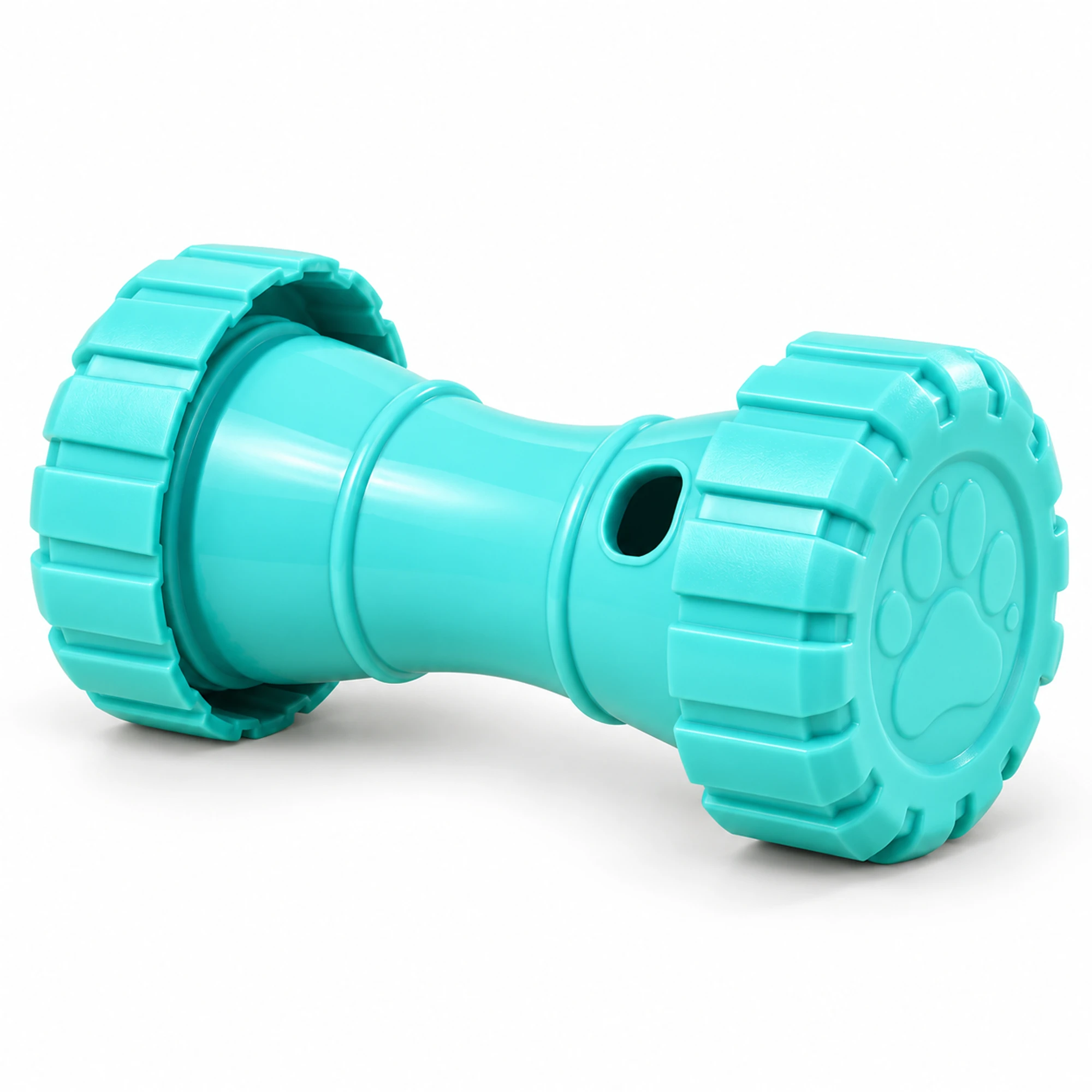
Discover the science of floating dog toys. Material density, hollow rubber air pockets, and why heavy toys sink to the bottom of the pool.
Match pet toys to your dog or cat play style. Learn how tuggers, chewers, chasers, and foragers engage with specific toy designs to prevent destructive boredom.
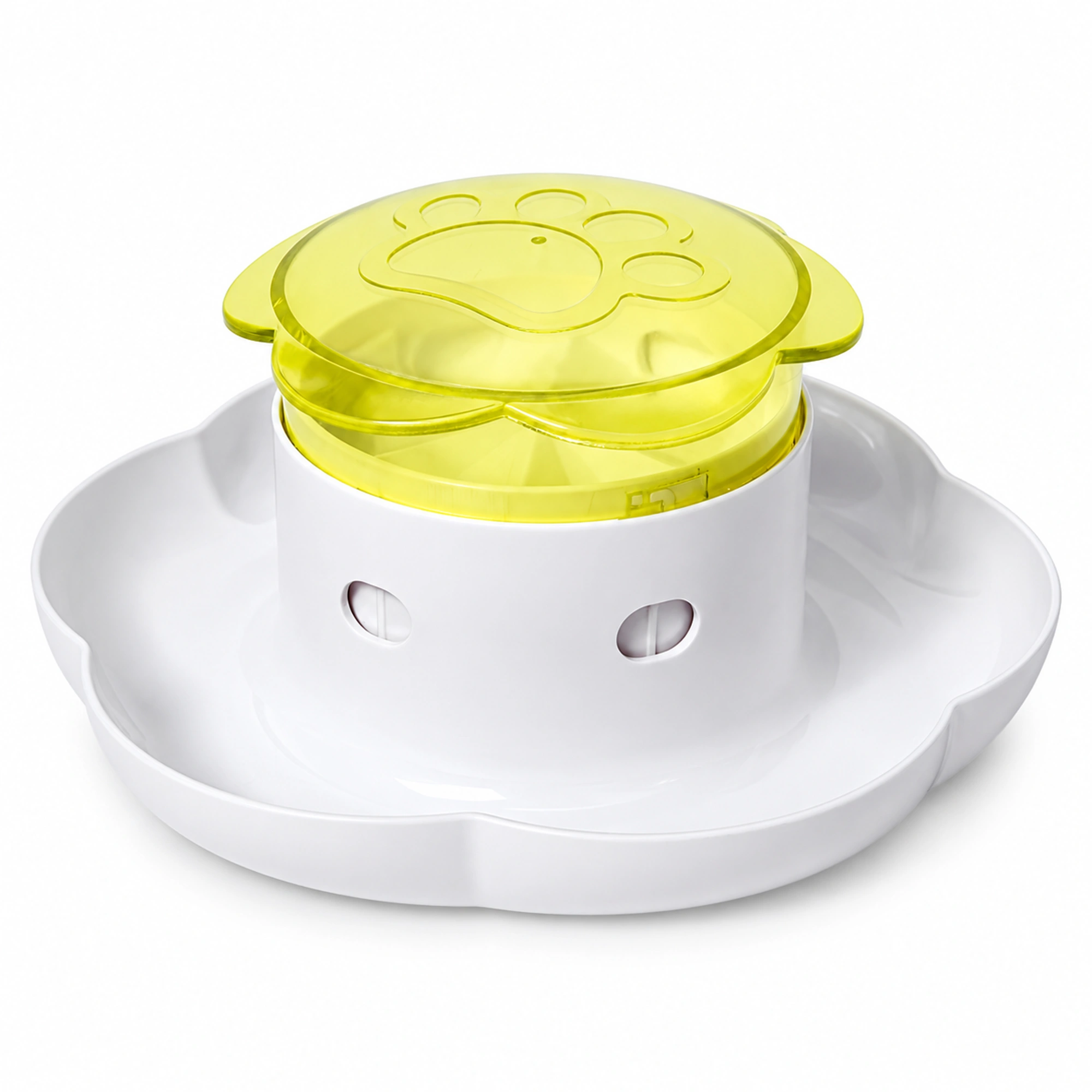
Learn how to read pet toy product descriptions like a professional trainer. Decode materials, sizing charts, chemical labels, and mechanical safety ratings.
Discover how to teach an adult or rescue dog to play with toys using food motivation, scent-loaded chew bones, and low-pressure stationary suction tug games.
A complete pet toy buying guide for first-time owners. Learn how to select safe starter toys, prevent ingestion hazards, and build balanced enrichment routines.
Compare dog toys for puppies vs adult dogs. Understand the developmental timeline from milk teeth to adult jaw strength, safe teething toys, and durable play gear.
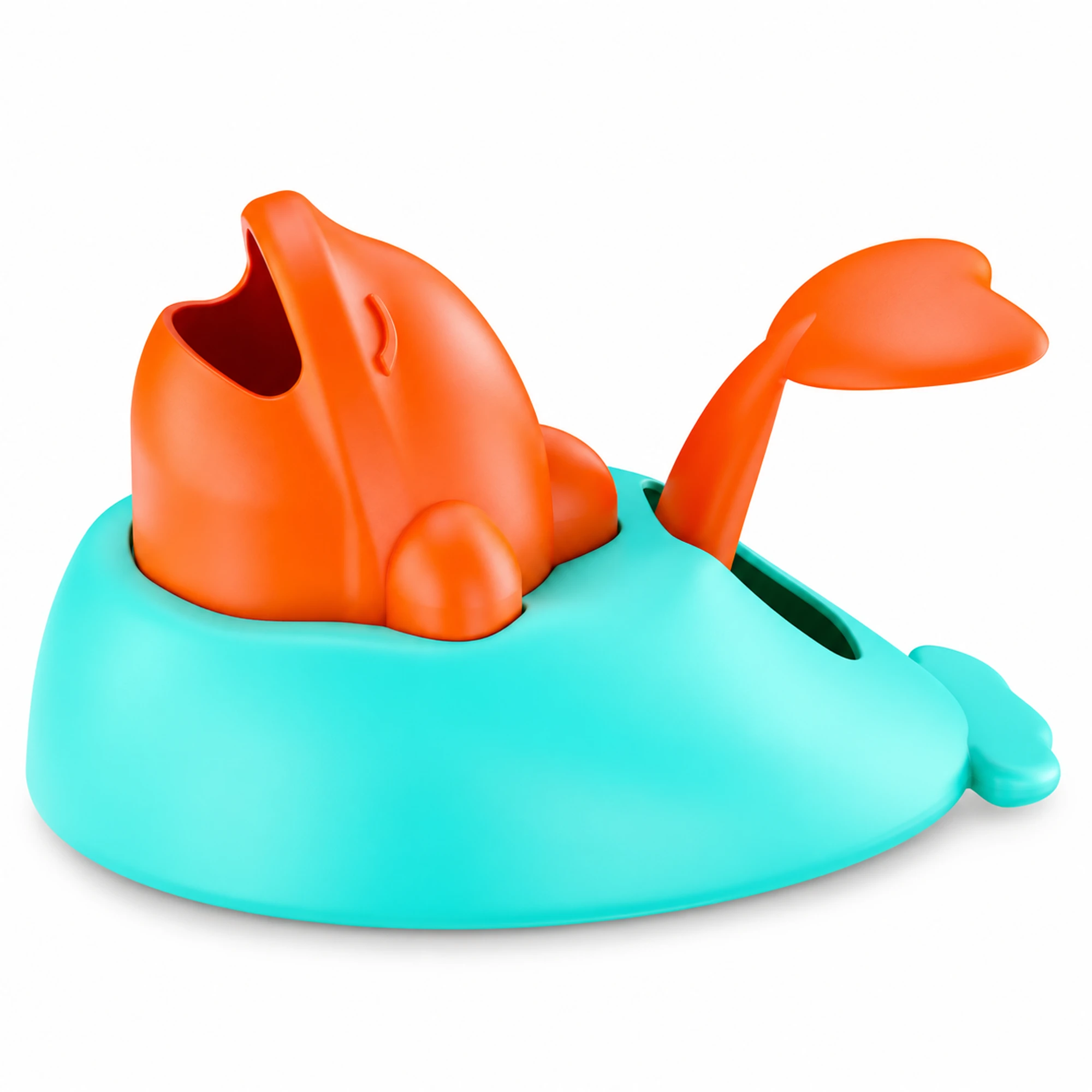
Discover the best water toys for dogs across pools, calm lakes, and ocean surf. Buoyancy checks, visibility tips, and salt water safety protocols.
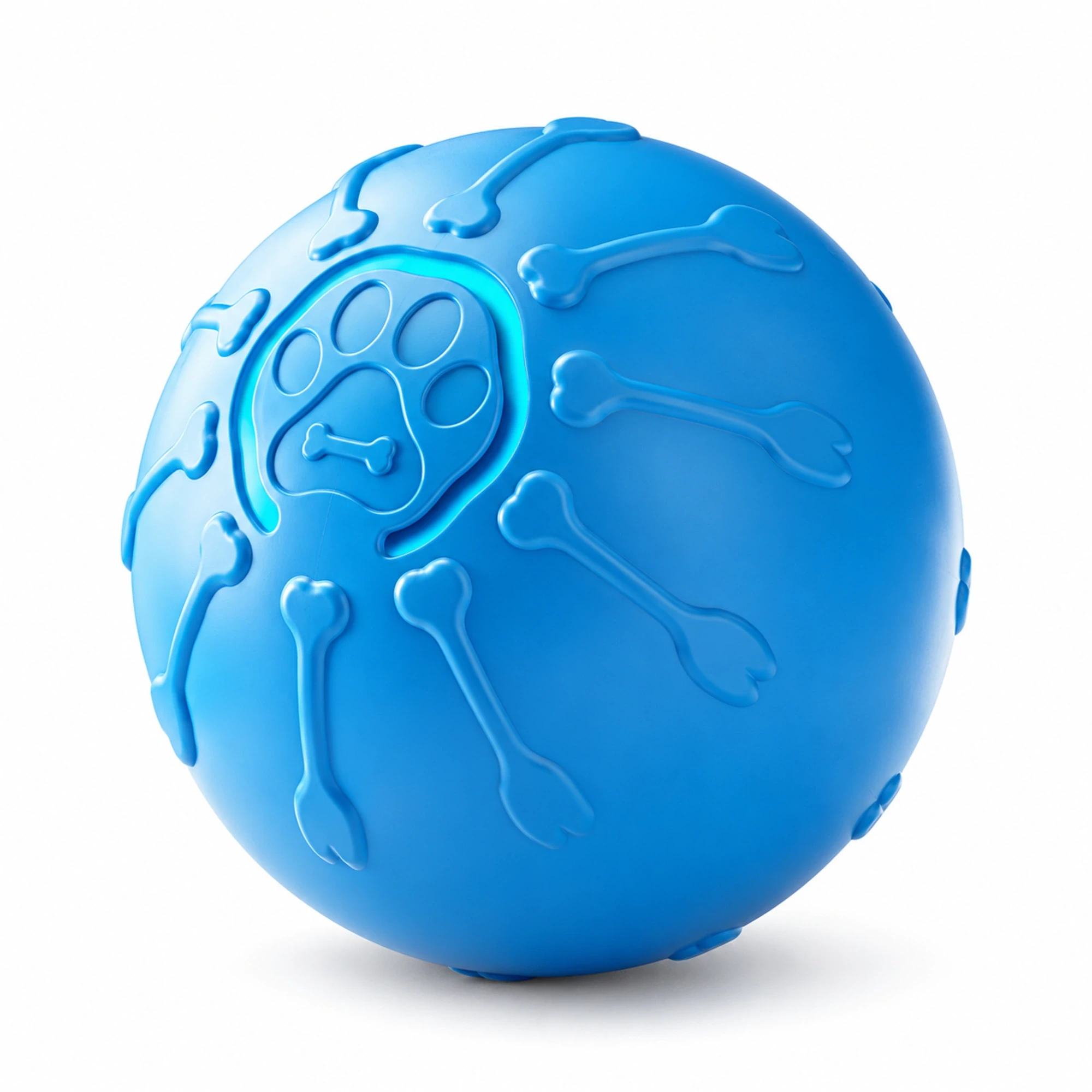
Separate holding, pickup and carrying back when fetch stalls. Choose the next practice step from what your dog does, then build distance gradually.
Teach a voluntary toy exchange before adding a drop cue. Compare food and toy rewards, and know when ordinary practice needs professional help.
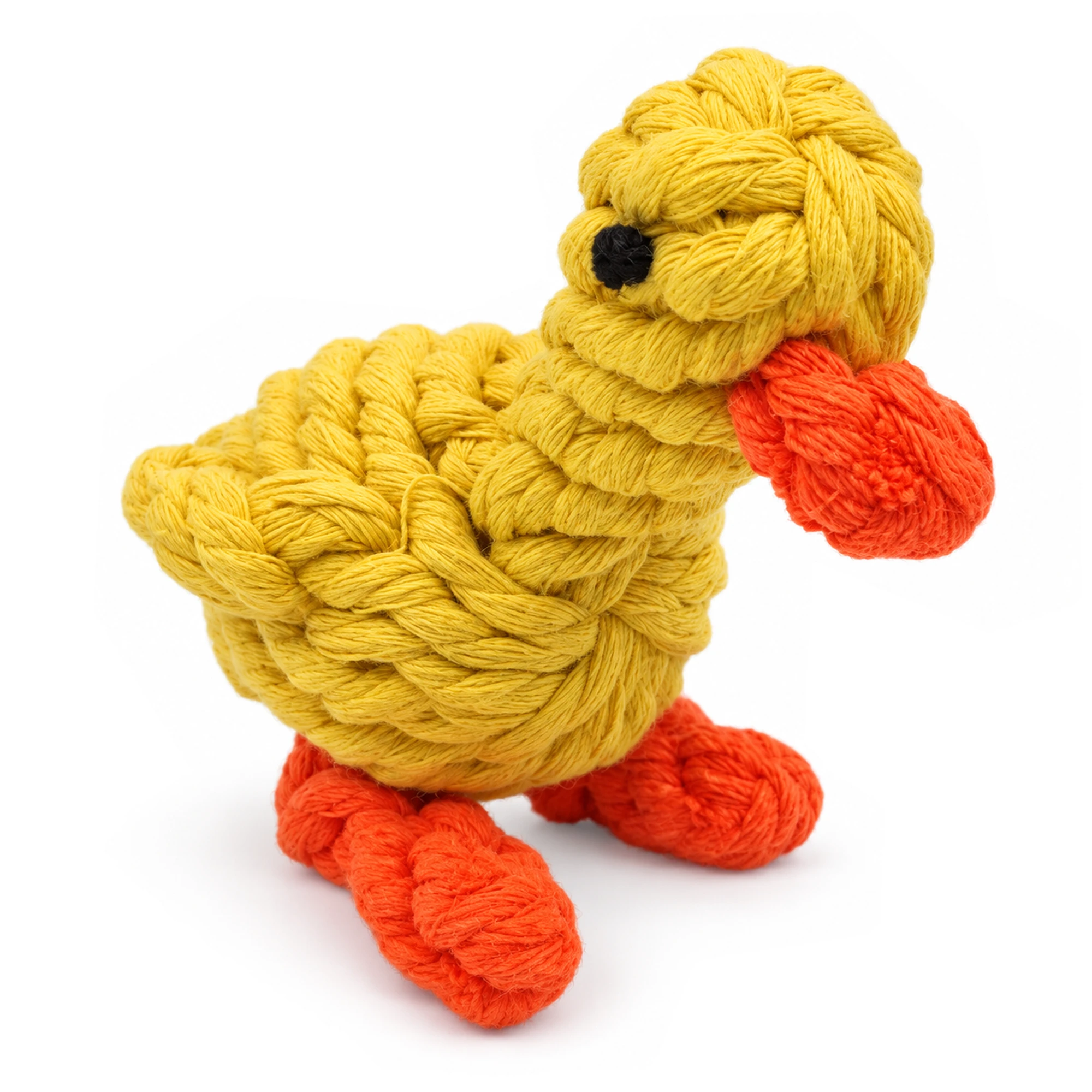
Are rope toys safe for dogs that shred and swallow pieces? Read veterinary guidance on swallowed objects and the limits of product descriptions.
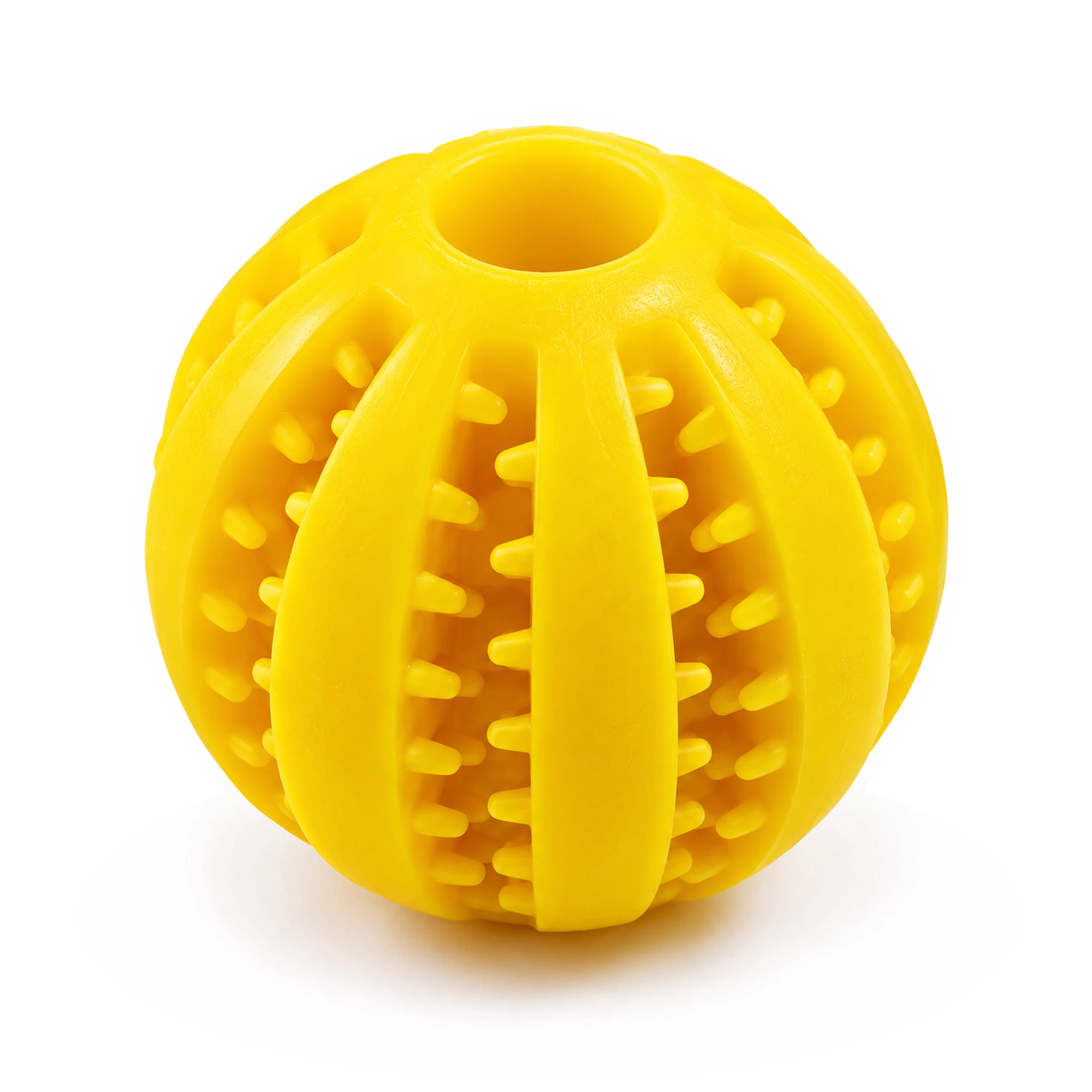
Understand dog toy size labels, supplier dimensions and missing measurements, with three listing examples and questions to resolve before choosing.
Follow a plush toy's washing and drying instructions, with KONG and West Paw examples and care questions for two JoyPetPlay toys.
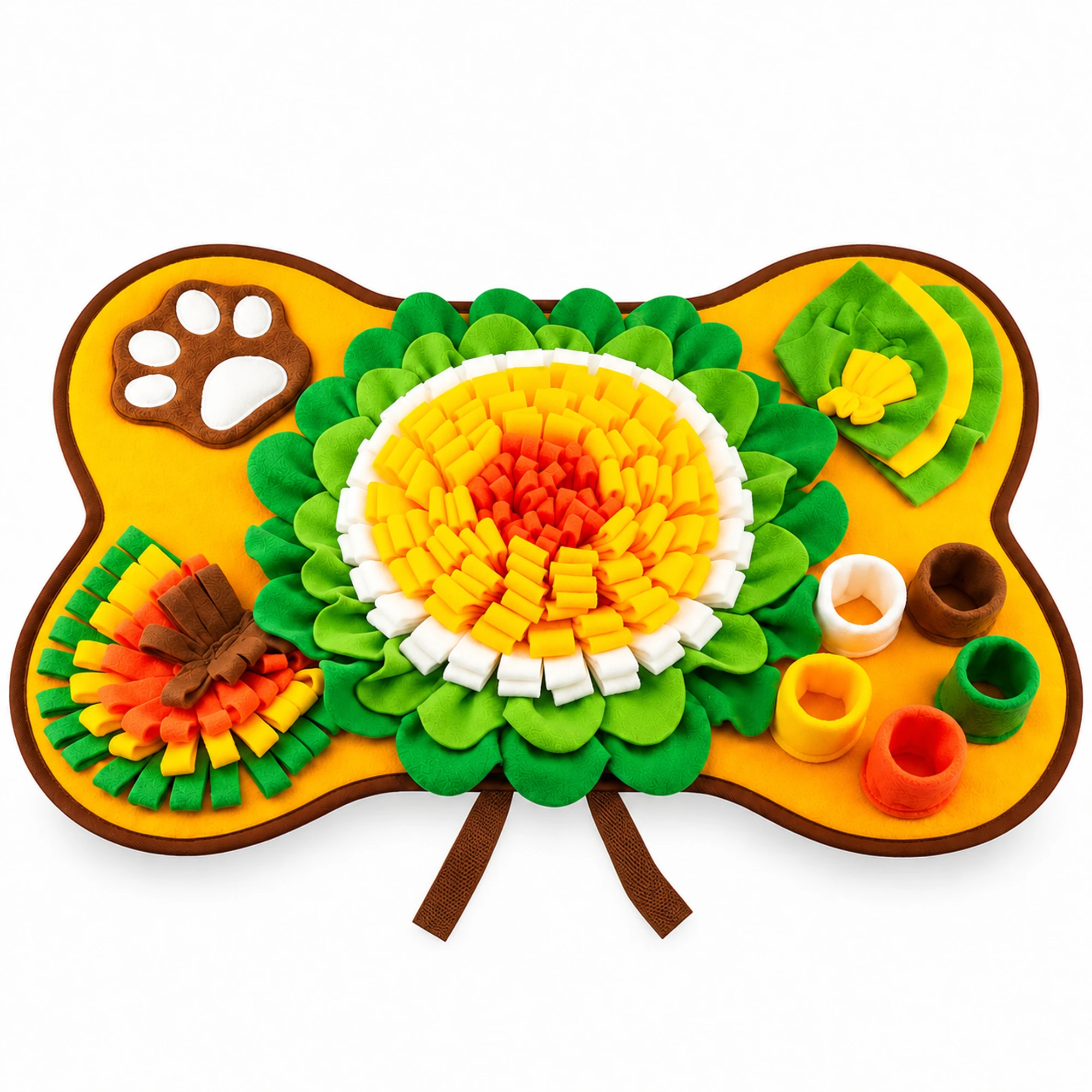
Understand supervision advice for squeaky dog toys and find the stated squeaker locations in two foraging toys before planning play.