The Appeal of Soft Toys in Small Companion Animal Habitats
Walk into any pet supply store and you will spot colorful displays filled with soft stuffed animals, tiny fabric mice, stuffed carrots, and miniature fleece pillows. For people caring for companion rabbits, guinea pigs, chinchillas, rats, or ferrets, these items look undeniably sweet. Pet owners often buy small plushies thinking they will provide gentle cuddle buddies, cozy resting cushions, or comforting companions for solitary pets. Young animals or rescue pets adjusting to new surroundings frequently lean against soft cloth surfaces, which reassures owners that the object brings pure comfort.
Even though buying soft toys comes from genuine affection, exotic animal veterinarians urge caution. The physical reality of small companion pets contrasts sharply with dogs or cats. Small herbivores and rodents explore their territory through biting, digging, and close scent evaluation. An object placed inside a cage or playpen rarely stays an untouched decorative cushion for long. Within hours, curious teeth chew outer hems, pull on stitched seams, and dig into interior layers.
Determining whether plush toys are safe requires looking closely at material science, digestive anatomy, species-specific behavior, and smarter enrichment choices. While owners often look for durability comparable to safe dog toys, dedicated small pet toys demand an entirely different standard of safety. Plush novelties range from dangerous synthetic items packed with polyester fluff to carefully engineered fleece foraging mats built specifically to prevent accidental fiber ingestion. Knowing how to distinguish between these designs keeps delicate pets away from frightening emergency veterinary visits.
Hidden Dangers: Synthetic Stuffing, Loose Threads, and Squeaker Units
To see why standard stuffed toys pose serious hazards to pocket pets, owners need to examine the three main components found inside typical retail plush novelties:
Loose Synthetic Polyfill and Batting
The fluffy batting that gives stuffed toys their bouncy feel consists almost entirely of spun polyester strands, recycled synthetic fibers, or shredded foam. When an inquisitive rabbit or guinea pig breaks through an outside seam, they reach mounds of dense white fluff. Small animals do not treat loose fluff as simple entertainment. They chew it, groom it off their paws, and easily swallow substantial amounts. Synthetic polyester fibers never break down in digestive acids. Inside the stomach and intestines, digestive fluids turn these tangled fibers into dense synthetic masses called trichobezoars. These artificial clumps clog the stomach exit or lodge inside the narrow intestine, causing life-threatening blockages.
Long Woven Threads and Linear Foreign Bodies
Standard plush animals are assembled with nylon monofilament, polyester threads, or woven pile fabrics. When sharp teeth chew along fabric edges, the cloth unravels into long loose cords. Swallowed strings cause some of the most dangerous emergencies in veterinary medicine. When one end of a cord moves through the intestines while the other stays stuck in the stomach, natural digestive contractions pull the delicate bowel wall into tight folds along the taught line. The friction can cut straight through the intestinal tissue, releasing waste into the abdominal cavity and triggering life-threatening bacterial infections.
Plastic Squeakers, Hard Eyes, and Weighted Beads
Many miniature toys sold for small animals or toy dogs contain plastic squeakers, glued plastic eyes, or tiny bottom pellets that help the toy sit upright. If a chewing herbivore punctures a squeaker capsule, sharp plastic fragments can cut tongue tissue, pierce cheek linings, or block the windpipe. Swallowing weighted plastic beads also risks intestinal clogs or heavy metal toxicity if cheap filler pellets contain lead impurities.
The Anatomical Dilemma: Why Small Herbivores Cannot Vomit Foreign Objects
One crucial anatomical difference separates rabbits, guinea pigs, and chinchillas from dogs, cats, and human beings: these small herbivores possess a digestive system that cannot vomit or reverse food flow.
The physical barrier where the esophagus joins the stomach has a powerful muscular valve, an angled entrance, and no neurological vomiting center in the brain. When a dog swallows an indigestible chunk of stuffed fabric, its body usually triggers vomiting to expel the material before it reaches the intestines. For a rabbit or guinea pig, whatever passes past the throat must either travel through the entire digestive tract or create a fatal blockage.
Small herbivores depend on steady cecal fermentation driven by fibrous timothy hay to keep digestive muscles working. Swallowed synthetic fibers do more than cause physical blockages. They upset the delicate balance of beneficial gut bacteria, shut down motility, and cause agonizing cecal gas accumulation. Within half a day of ingesting synthetic fibers, a small herbivore can slip into acute gastrointestinal stasis. Without swift clinical support including fluid therapy, gut motility stimulants, pain management, and risky surgery, intestinal blockages quickly turn fatal.
Evaluating Safer Fabric Alternatives: Anti-Pill Fleece, Heavy Canvas, and Natural Ropes
Guardians do not need to strip all soft textures from their pets enclosures. The smart approach focuses on purpose-built fabric enrichment that eliminates loose polyfill, fraying cords, and hidden plastic parts.
Pure Anti-Pill Polar Fleece
Exotic pet veterinarians and small animal rescue organizations regard anti-pill polar fleece as the safest fabric for small pens. Polar fleece relies on a dense knit structure rather than a traditional woven grid, which means it will not fray into long loose threads when chewed. If a rabbit nibbles on polar fleece, the cloth breaks into tiny fuzzy pills rather than trailing strings, allowing microscopic fibers to pass safely through the gut in tiny amounts. Fleece also provides warm bedding and cozy tunnel surfaces without needing any internal batting.
Flat Foraging Mats and Interactive Pocket Toys
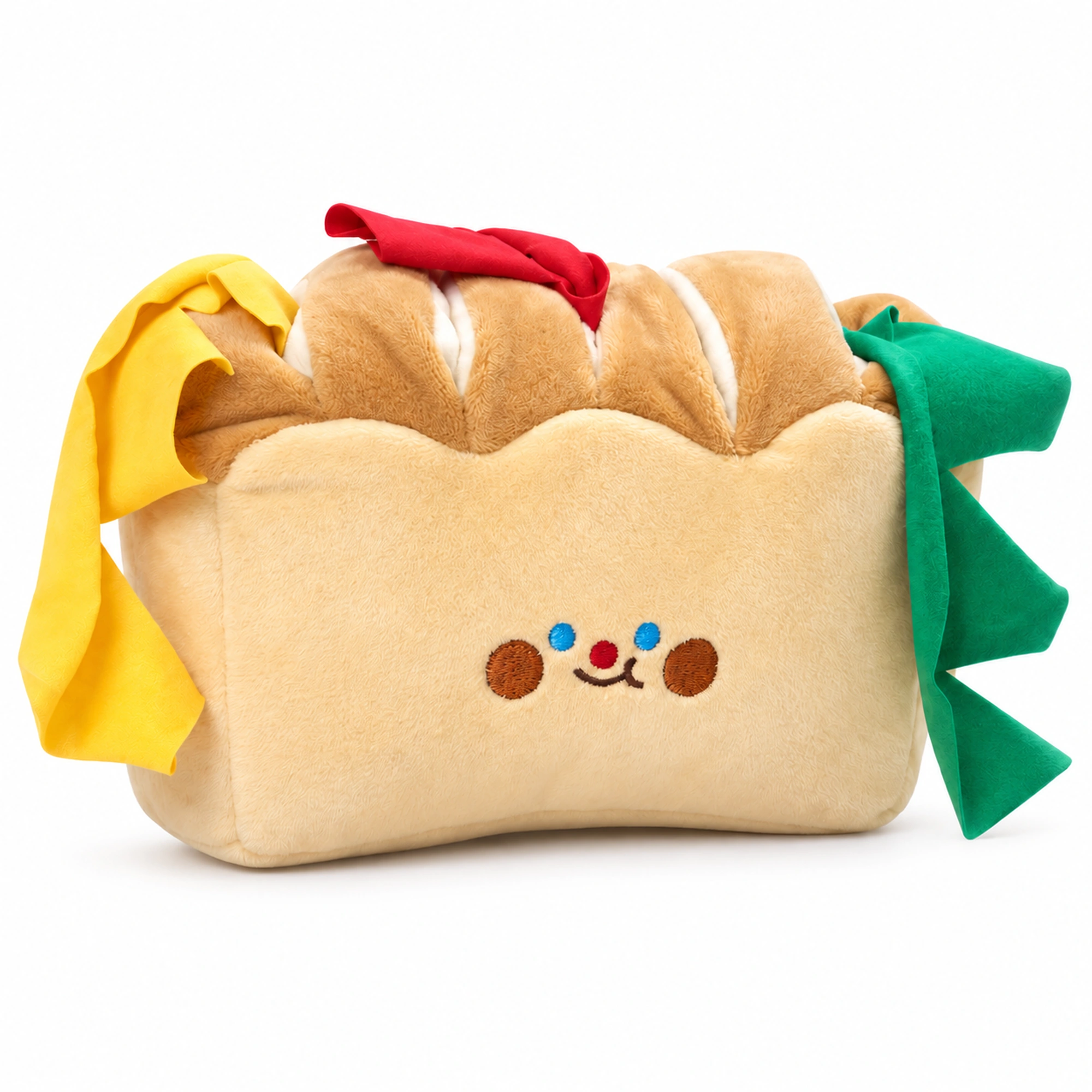
Instead of thick stuffed animals filled with polyfill, experienced pet caretakers choose flat fabric foraging designs. Puzzles such as the Toast Top Pocket Plush Toy offer layered fleece panels, soft ribbon tabs, and shallow treat pockets created for scent work without dangerous inner batting. Hiding dried flower petals or meadow hay pellets among the fabric folds satisfies the natural urge to sniff, dig, and forage without exposing pets to loose fluff.
Structured Heavy-Duty Rope and Natural Fiber Play Gear
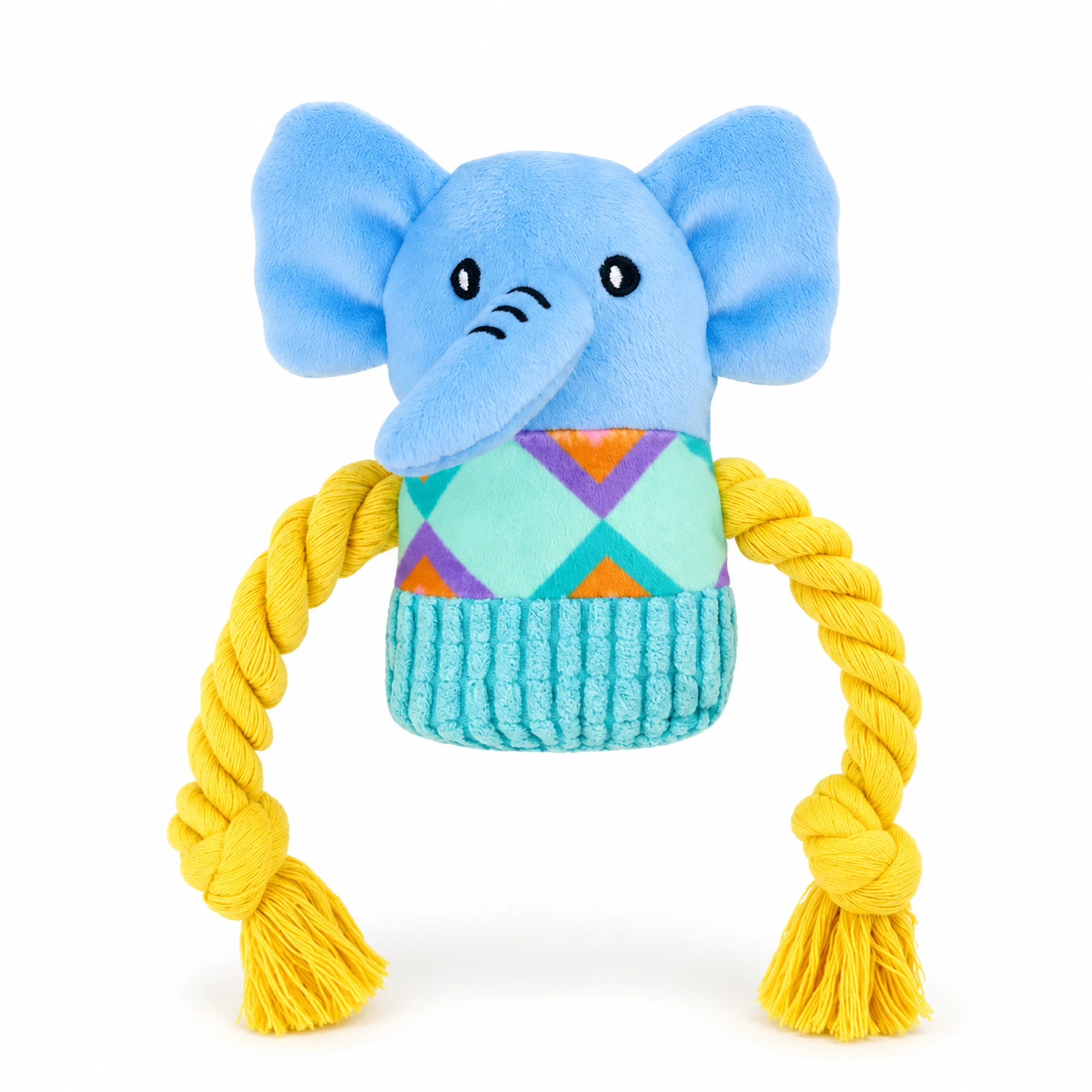
For small pets that enjoy vigorous tugging and chewing, tightly knotted rope toys made from unbleached cotton or natural plant strands offer resilient outlets. The Blue Elephant Rope Shake Toy uses tightly twisted rope arms that give energetic pets a sturdy texture to shake, toss, and chew. Because the rope consists of twisted fiber strands rather than loose synthetic batting, it provides satisfying tactile resistance while keeping pets engaged during floor play sessions.
Controlled Interactive Toys for Supervised Sessions
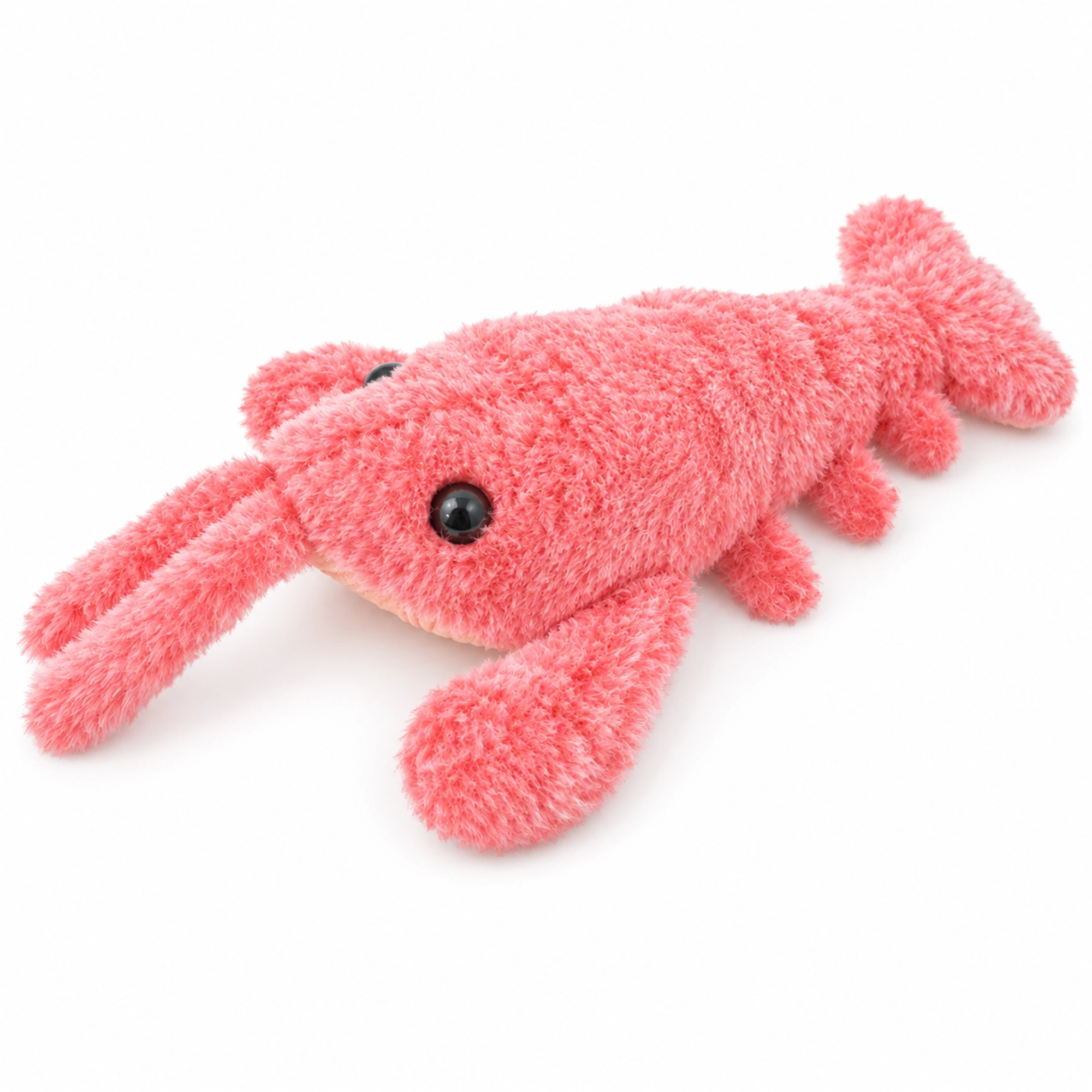
Certain motorized and moving plush toys, such as the Pink Wiggle Lobster Toy, use shifting motion and soft fabric shells to spark playful interest. These battery-powered interactive toys belong strictly in supervised floor sessions outside the main cage. As soon as the play period wraps up, the caretaker collects the toy and returns the pet to its secure enclosure.
Practical Safety Protocols: Seam Audits, Repair Checks, and Daily Enclosure Inspections
Attentive daily habits make all the difference between enjoyable enrichment and an emergency veterinary visit. Follow this practical four-part safety checklist whenever introducing fabric items to small pets:
- Perform the Thumbnail Seam Test: Before placing any fabric toy inside the pen, press your thumbnail firmly along every outer seam and pull gently. If the stitching separates or loops loosen under modest finger pressure, small teeth will tear that seam open quickly. Use only reinforced or double-stitched items.
- Remove All Interior Stuffing: If you want to give your pet a commercial plush novelty as a cuddle companion, open a small seam with scissors. Take out every bit of polyester polyfill, squeakers, plastic pellets, and inner lining membranes. Wash the fabric shell, verify no loose fluff remains, and stitch the opening closed with sturdy thread. Your pet keeps a comforting companion shape without the swallowing hazard.
- Inspect Play Areas Morning and Night: Every morning during feeding and every evening during pen cleanup, check all fabric toys and fleece liners. Feel for chewed corners, loose cords, or frayed borders. The moment you spot fabric damage or exposed filling, remove the toy right away for mending or disposal.
- Track Daily Appetite and Fecal Droppings: Fecal pellets serve as the best indicator of small herbivore health. Healthy rabbits and guinea pigs produce hundreds of round, firm, dry droppings every day. If you notice smaller droppings, uneven shapes, pellets connected like beads on a string, or a total stop in droppings, reach out to an exotic animal veterinarian immediately.
By understanding the delicate digestive biology of small pets, avoiding loose synthetic stuffing, choosing anti-pill fleece and structured rope toys, and staying alert during daily checks, pet owners can provide safe and comforting enrichment that truly supports small animal wellbeing.