How Children and Family Pets Interact During Daily Play
Sharing a home with family pets provides children with memorable lessons in empathy, gentleness, and nonverbal communication. When toddlers and young children connect with an eager dog or inquisitive cat through interactive games, both partners enjoy deep happiness. However, household play sessions can quickly turn chaotic if parents omit clear rules of engagement. Young children often move with erratic suddenness, squeal at high pitches, and grab treasured items without warning. To sensitive domestic animals, wild movements and piercing shrieks can simulate fleeing prey or register as sudden threats.
Play accidents rarely arise from intentional malice; they typically happen because children misread animal body language during exciting moments. A toddler might innocently reach for a favorite rubber bone while a dog rests, oblivious to mounting stress signals. In similar fashion, a bouncy retriever might bound forward toward a child holding a plush doll, unintentionally bowling the little one over onto hard floorboards. Keeping family interactions peaceful requires proactive guidance and structured guidelines surrounding pet toys.
Implementing sensible household rules ensures kids and furry companions enjoy each other without fear. Teaching children how animals show stress helps young handlers develop patience and compassion. By selecting toy designs that create safe physical distance between tiny fingers and eager mouths, parents build enduring trust while preserving domestic harmony.
Core Safety Boundaries: Body Language, Choking Hazards, and Resource Guarding
Before starting shared games, children must learn the most crucial boundary rule: never touch an animal while they are chewing, sleeping, or eating from a dish. Resource guarding represents a deep survival mechanism whereby dogs and cats protect prized possessions. Even an exceptionally mild-mannered canine companion may freeze, growl softly, or reveal the whites of their eyes if someone attempts to wrest a prized bone from their jaws.
Parents must teach young children three foundational warning signs: First, the sudden freeze. If a dog or cat stiffens their neck, clamps their mouth firmly over a toy, or casts a fixed side glare, the animal is signaling a need for immediate distance. Children should step back two paces quietly with hands resting at their sides.
Second, the fair trade habit. Children must never snatch items away from pet mouths. If a pet grabs a prohibited household object like a child shoe or plastic block, the youngster should notify an adult or present an approved pet treat from several feet away.
Third, watch out for choking hazards. In bustling homes with both young kids and large dogs, parents often ask can dogs play with cat toys without incident. Feline accessories commonly feature tiny bells, plastic eyes, and delicate ribbons that present severe choking risks for dogs. In reverse, small children building bricks and doll shoes can cause dangerous intestinal blockages if swallowed by curious puppies.
Choosing Kid-Friendly Interactive Pet Toys That Keep Little Hands Safe
Picking appropriate play equipment prevents accidental tooth scrapes by maintaining generous space between small hands and excited teeth. Hand-to-mouth tug matches frequently cause unintended pinches when dogs shift their jaw grip. Experienced parents choose stationary bases, lever systems, or mechanical stations that remove human hands from direct contact zones.
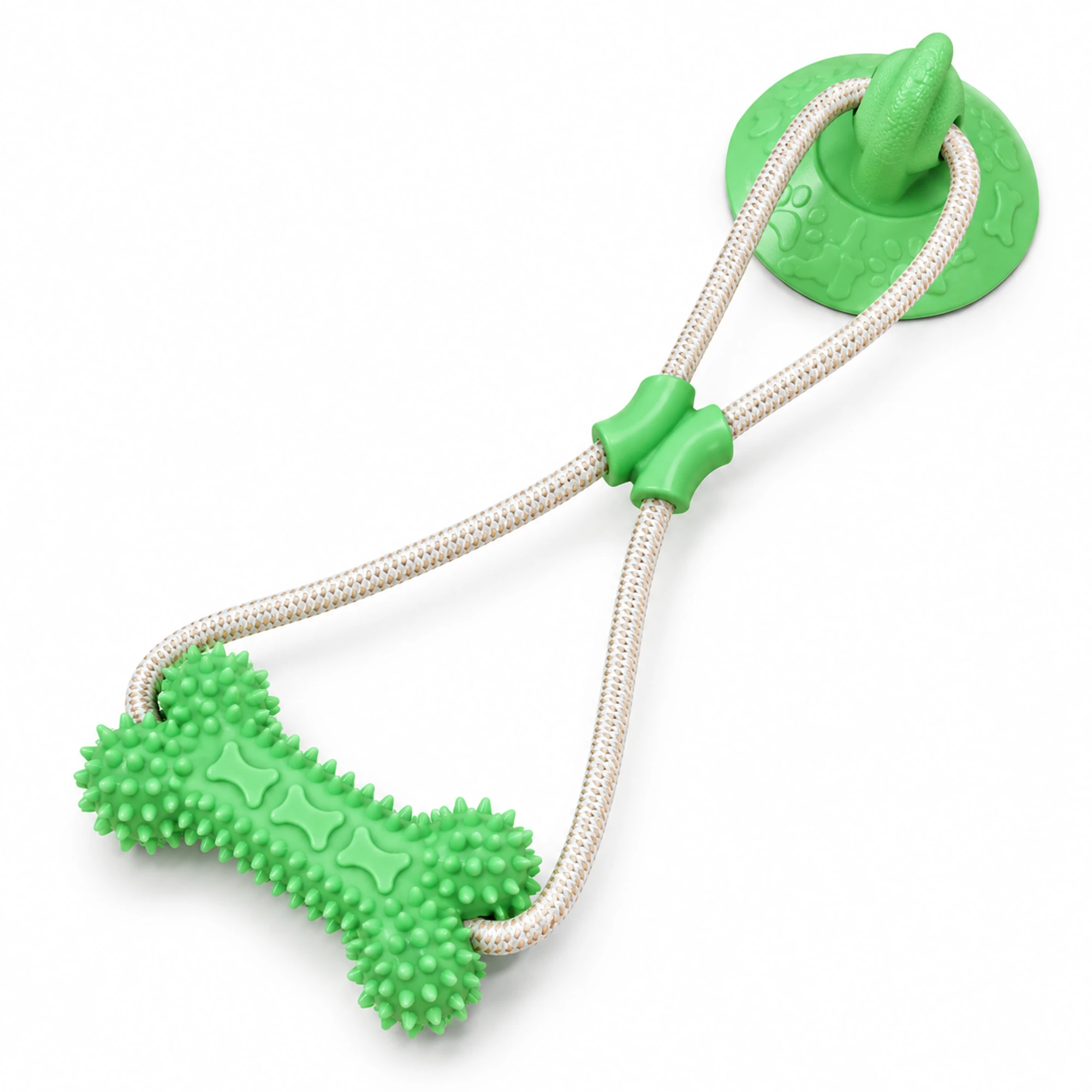
The Green Suction and Rope Bone Tug Game priced at $8.50 provides an ingenious, floor-anchored tugging arrangement. Armed with a heavy-duty green suction cup that anchors securely to smooth floors, this toy lets canines pull with full strength against the ground instead of a child wrists. Kids can slide the rope adjustment collar into place before setting the suction cup, watching their pet enjoy energetic tug sessions without risk of being knocked off balance.
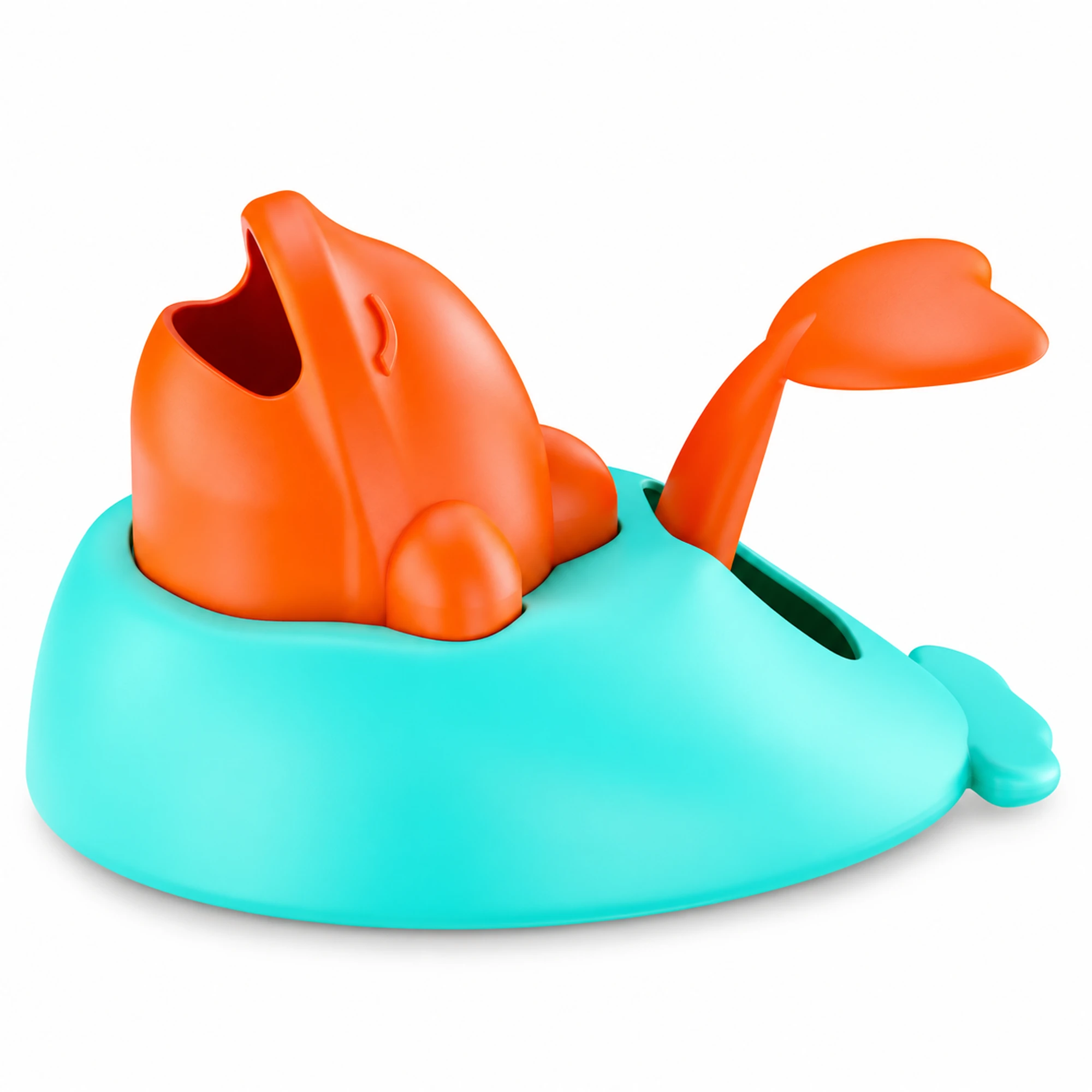
For treat sharing and reward routines, lever-operated devices protect small fingers. The Whale Press and Reward Toy priced at $7.90 presents a friendly turquoise whale shape with an orange lever. Children can drop crunchy kibble into the upper hopper and press the tail paddle down to release snacks across the rug. This physical separation allows young family members to reward pets safely without holding food in open palms where enthusiastic teeth might nip knuckles.
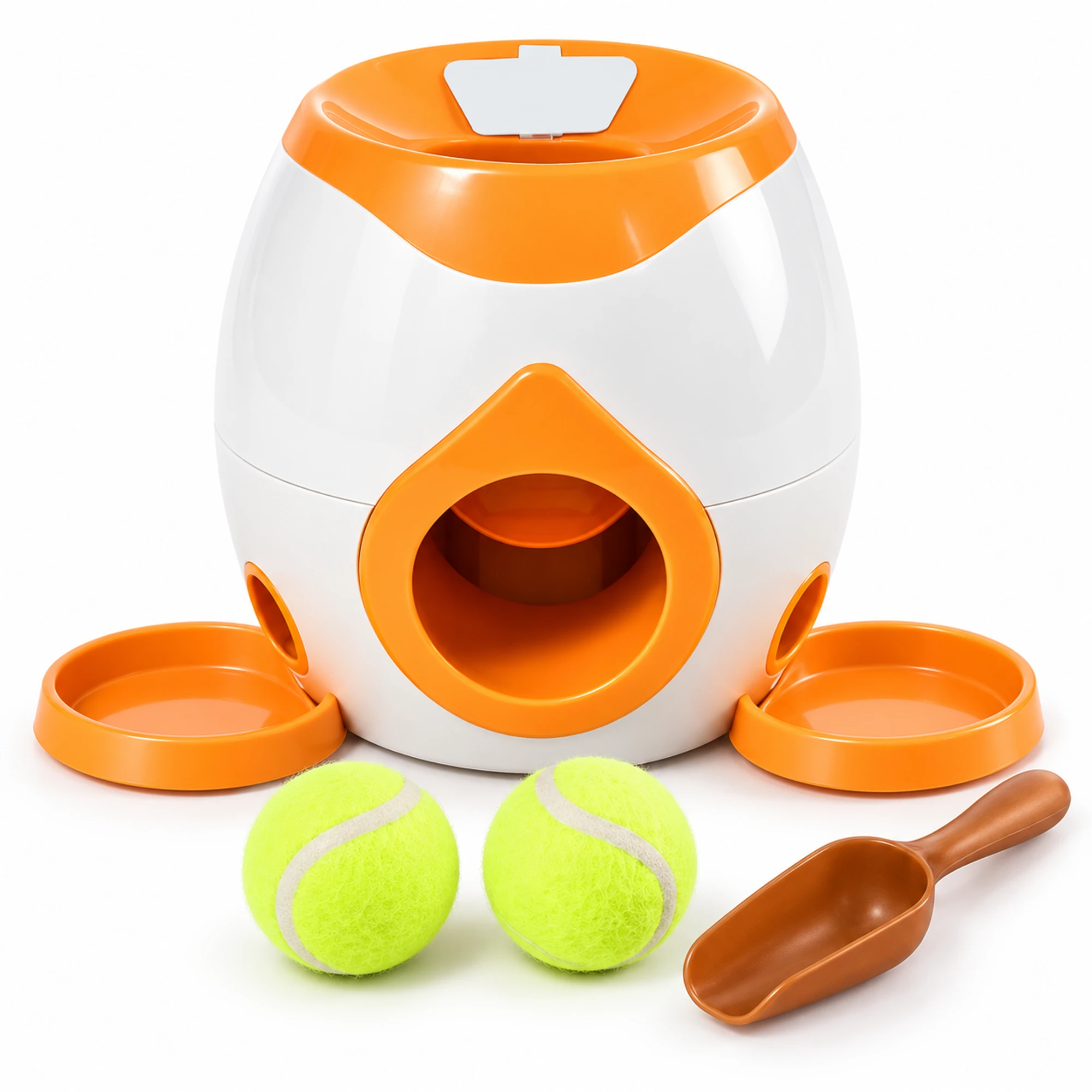
Energetic fetch lovers benefit enormously from cooperative ball stations. The Orange Ball Return and Reward Station priced at $29.99 creates a shared team game for children and dogs. The child places a tennis ball into the upper orange bowl, watching it glide down the ramp while two side trays release tasty kibble pieces. This structured format encourages dogs to drop fetched balls directly into the machine rather than forcing children to pry wet balls from slippery mouths.
In homes with cats, lever-activated surprise toys give children a fun role in feline enrichment. The Yellow Cheese Press and Pop Treat Puzzle priced at $32.00 features a cheerful yellow cheese block fitted with manual side levers. Youngsters press the paddles to make gray mice pop into view, giving indoor cats moving targets to bat safely without human fingers entering the batting zone.
Teaching Children Respectful Play Techniques: Toss, Puzzle, and Reward
Children frequently assume playing with pets requires energetic chasing, rough wrestling, or bear hugs. Yet rough physical wrestling often overstimulates energetic dogs and terrifies sensitive cats. Parents should steer young kids toward calm cooperative play forms: gentle ground rolls, puzzle foraging, and positive reward training.
Instruct children to play fetch by rolling balls low along carpets rather than tossing hard objects toward an animal face. Once the dog returns, the child steps back and says drop, rewarding the release by scattering treats a few feet away. This gentle trade technique prevents resource guarding and ensures dogs happily surrender retrieved toys.
Olfactory puzzles also offer wonderful collaborative fun. Kids can hide kibble inside multi-tier slider boards or behind soft fabric flaps, then give a cheerful find it command. Watching their pet solve puzzles using scent power teaches kids that brain games are just as thrilling as chaotic indoor running. Offering durable dog chew toys during quiet intervals after play provides pets with a soothing chew outlet to unwind.
Separation Protocols: Human Toys Versus Pet Toys
A frequent source of household friction is the confusion between human toys and pet playthings. To an inquisitive puppy, a soft child doll smells like cozy fabric and looks very similar to pet plushies. In the same way, toddlers are naturally intrigued by squeaking pet bones, occasionally putting slobbery items into their mouths.
Preventing mix-ups demands simple spatial boundaries:
- Maintain separate toy hampers in different rooms. Pet gear lives in open baskets in family gathering areas, whereas children toys remain in closed bins inside bedrooms.
- Teach young children the friendly phrase that belongs to the pet. When a child grabs an animal toy, gently guide them to set it back into the pet basket.
- Keep delicate apartment cat toys elevated on high cat trees where small hands cannot pluck feathers from slender wands.
- Establish pet-free creative zones. Use lightweight baby gates to create child areas where tiny plastic blocks, puzzles, and drawing supplies remain safely out of canine reach.
- Provide engaging self play dog toys during homework hours so dogs stay occupied without disrupting concentration.
The Golden Rules of Supervised Household Harmony
True safety between growing children and family pets depends entirely on consistent, attentive adult supervision. Never leave infants, toddlers, or young kids alone in rooms with companion animals, no matter how tolerant or gentle the pet has behaved in the past. An unintended tail pull or accidental fall can startle an animal into an instinctive defensive snap.
Keep these core household habits top of mind:
- Adults must keep watchful eyes on every shared game between kids and companion animals.
- Teach kids never to tease pets by waving toys just out of reach or dangling items near sensitive noses.
- Clean and sanitize all shared floor gear regularly. Learn how to clean cat toys and dog chew supplies using hot water and fragrance-free dish soap twice every month.
- Provide animals with an untouchable sanctuary bed or crate where children are strictly forbidden to enter.
- Praise children warmly whenever they interact with pets using calm voices and gentle hands.
When parents set clear safety rules and choose safe interactive equipment, the bond between kids and companion animals flourishes. Shared playtime grows into an enduring source of joy, mutual respect, and family memories that last a lifetime.