The Multi-Pet Dilemma: Why Sharing Toys Across Species Is Dangerous
Homes that welcome both companion birds and dogs enjoy lively days filled with varied animal antics. Yet sharing a living space across distinct animal families often encourages well-meaning pet owners to cut costs by swapping playthings between rooms. When a dog walks away from a squeaky rubber bone or a parrot overlooks a colorful wooden perch toy, owners frequently wonder whether the idle item can simply amuse the other pet. General marketing often groups both items under the broad banner of companion animal enrichment, making the swap seem harmless.
Veterinary toxicologists and animal behaviorists caution strongly against swapping toys between species. Exotic birds such as parrots, conures, cockatiels, and macaws evolved along an entirely separate evolutionary track from predatory carnivorous mammals like domestic dogs. Their sensory priorities, physical beak mechanics, digestive capacities, and delicate respiratory structures share virtually no common ground. What functions as a durable, safe dog toy can become an immediate chemical poison or fatal respiratory threat inside an avian enclosure. In reverse, a delicate foraging toy built for a parrot can swiftly trigger life-threatening intestinal blockages inside a playful dog stomach.
Achieving lasting pet safety requires acknowledging that dogs and birds interact with objects through completely distinct biological pathways. Evaluating raw materials, structural strength, chemical stabilizers, and mechanical stress reveals why bird toys and dog toys should never mingle in any household.
Opposing Biomechanics: Hookbill Beak Pressure vs Canine Jaw Crushing
To understand why cross-species toy sharing leads to severe accidents, owners must compare the contrasting mechanical pressures applied by dogs and birds during daily play:
Canine Jaw Dynamics and Masticatory Crushing
Canines explore objects through broad jaw clamping, vigorous side-to-side head thrashing, and crushing between broad premolar and molar surfaces. A typical medium dog easily exerts between two hundred and four hundred pounds of pressure per square inch across its back teeth, with larger guardian breeds surpassing seven hundred pounds. Dog toys are built specifically to endure these wide, blunt compressive loads. safe dog toys rely on thick natural vulcanized rubber, solid elastomeric polymers, or tight ballistic fabric weaves created to bend under compression without snapping into swallowable chunks.
Avian Beak Precision and Concentrated Shearing
Psittacine birds like parrots operate with an entirely different set of physical mechanics. A parrot beak does not function like a blunt vise. It acts as an articulate, razor-sharp shearing tool driven by powerful jaw muscles. Even a modest African grey or Amazon parrot can concentrate hundreds of pounds of force directly onto a beak tip measuring only two square millimeters. This sharp focus generates thousands of pounds of localized cutting force per square inch, slicing through surfaces like bolt cutters. When a parrot works on a soft rubber or vinyl dog toy, its sharp upper mandible easily punctures and shears through flexible polymers that a canine mouth merely squashes. The bird chips off sharp plastic slivers, swallows micro-fragments, or inhales rubber shreds into its sensitive airway.
Chemical and Heavy Metal Hazards: Why Birds Face Extreme Toxicities
The most dangerous consequence of giving dog toys to birds involves hidden chemical plasticizers and metallic coatings that cause little trouble for dogs but prove deadly to birds.
Acute Heavy Metal Poisoning from Zinc and Lead
Dogs benefit from substantial body mass, thick protective mucus throughout the gut, and resilient metabolic filtration systems. Many commercial dog toys, tug ropes, and puzzle games include galvanized eyelets, zinc-coated rings, or bottom weighting washers. While an adult dog can carry a zinc-plated ring without showing symptoms, a three-hundred-gram parrot will absorb fatal amounts of zinc within a single day.
Avian physiology reacts with extreme sensitivity to heavy metals. Parrots use their beaks to preen, grasp, and explore every corner of their living space. If a bird gnaws on galvanized cage wire, zinc-coated clips, or soldered bell parts, acidic digestive juices dissolve the zinc and lead, sending toxic elemental ions straight into the bloodstream. Acute heavy metal toxicity in birds causes sudden regurgitation, bright green watery stools, creeping limb paralysis, kidney breakdown, and rapid death. Parrot toys demand certified food-grade stainless steel or untreated nickel-free hardware. Dog toys rarely adhere to these demanding avian safety standards.
Volatile Phthalates, Synthetic Dyes, and Chemical Odors
Birds breathe through a unique one-way respiratory system connected to air sacs that reach into their hollow bones. Because this breathing network is exceptionally efficient at absorbing airborne gases, chemical vapors that go completely unnoticed by humans or dogs can overwhelm a bird in minutes. Soft vinyl dog toys frequently contain volatile phthalates, chemical softeners, and petroleum dyes that release fumes at room temperature. Setting a scented vinyl dog toy inside a bird habitat traps toxic vapors near the bird air sacs, leading to chemical lung irritation and dangerous pulmonary bleeding.
The Reverse Danger: Why Bird Toys Threaten Dog Health and Safety
The hazard runs in both directions. Giving delicate avian toys to energetic dogs creates severe dangers for canine digestive wellbeing:
Brittle Softwoods and Perforating Splinters
Parrot toys rely on softwoods such as untreated balsa, pine, and poplar specifically so that companion birds can chew, shred, and destroy them as natural foraging outlets. When a curious dog bites down on a wooden bird perch or ladder, its jaws splinter the brittle softwood into hundreds of needle-like fragments. These sharp wood splinters easily puncture gums, lodge across the palate, or pierce stomach linings, leading to painful internal infections and emergency surgeries.
Thin Cords, Leather Thongs, and Linear Obstructions
Bird toys frequently dangle from delicate cotton strings, sisal fibers, or thin rawhide strips decorated with tiny wooden beads and plastic spacers. If an energetic dog tears apart a hanging parrot mobile, it swallows the loose strings and beads within seconds. In veterinary hospitals, swallowed cords act as dangerous linear foreign bodies that saw through canine intestines. Small wooden beads become stubborn mechanical blockages in the narrow canine bowel, requiring costly abdominal surgery.
Flimsy Metal Bells and Sharp Fragment Lacerations
Many bird toys feature small jingling bells meant for gentle beak tapping. A chewing dog can crush a thin metal bell flat in one bite. The crumpled metal capsule tears into jagged razor-sharp edges that cut the dog tongue, slice the gums, or lodge in the throat as a dangerous choking hazard.
Practical Play Alternatives and Daily Species-Specific Safety Rules
Keeping bird play areas entirely separate from dog zones provides the only dependable defense against cross-species toy accidents. Pet owners can ensure enriching, healthy play for each animal by following clear veterinary advice:
For canine companions, prioritize sturdy gear designed specifically for mammalian bite mechanics and proper dog toy safety:
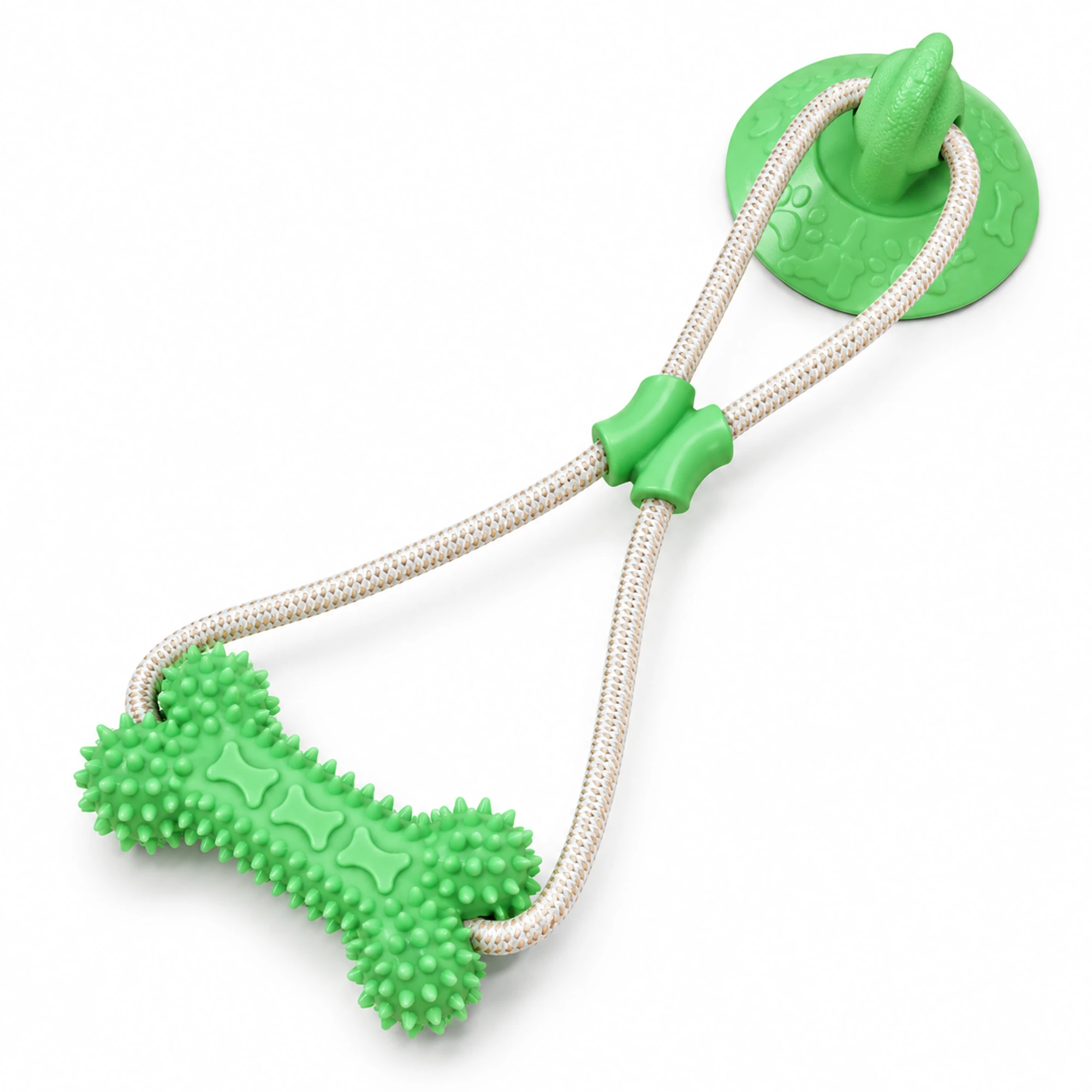
- The Green Suction Rope Bone Tug Game provides heavy braided cotton rope and a tough rubber chew bone that safely handles active canine pulling.
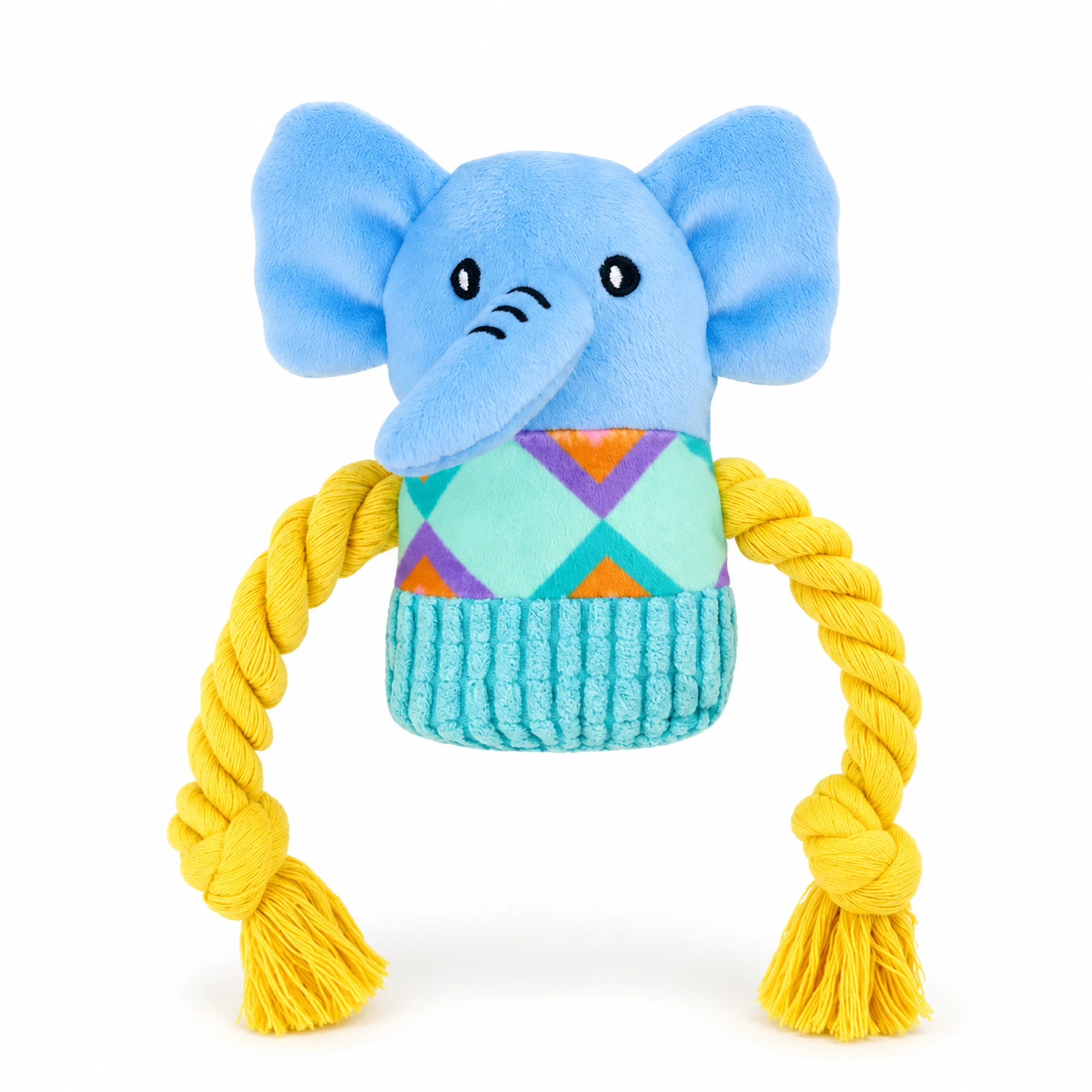
- The Blue Elephant Rope Shake Toy offers tightly knotted limbs that satisfy natural shaking and chasing drives without exposing dogs to small swallowable parts.
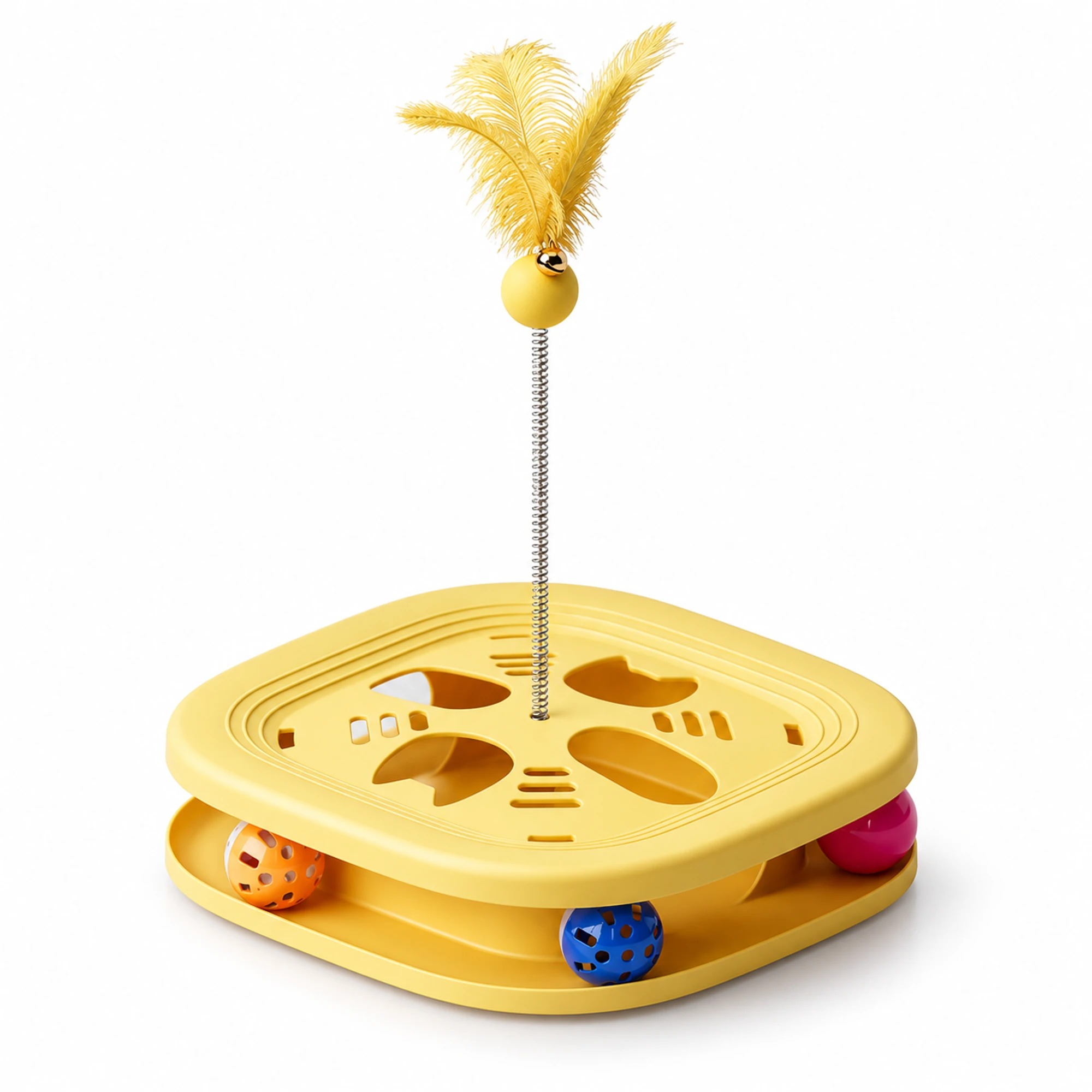
- For interactive play or playful puppy sessions under close supervision, the Yellow Feather Bell Track Play provides captive balls inside sturdy channels that keep rolling pieces securely contained.
Establish strict daily routines to protect all household pets:
- Enforce Dedicated Play Zones: Never leave canine chew bones or rubber toys on living room floors where free-flying birds can land and nibble on toxic vinyl or zinc hardware.
- Inspect Avian Enclosures Daily: Confirm that every hanging bird toy utilizes certified food-grade stainless steel quick-links instead of zinc-plated hardware. Trim frayed rope ends that could snare bird toes or catch a dog attention.
- Never Repurpose Damaged Toys: When a dog toy starts tearing or a bird toy loses its wooden blocks, toss the remnants directly into a secure trash bin. Never hand chewed pieces over to other household pets.
- Choose Purpose-Built Enrichment: Always purchase toys engineered specifically for your animal exact species, jaw mechanics, and respiratory physiology.
Respecting the deep biological distinctions between birds and dogs allows every companion in your home to enjoy active, joyful play without facing avoidable medical risks.