The Physiology and Psychology of Structured Pet Play
Every house cat and family dog carries ancient predatory wiring beneath their domestic demeanor. In wild landscapes, ancestral carnivores spend long hours tracking scents, calculating leap angles, and unleashing explosive physical energy to secure food. Domestic living provides abundant nutrition without requiring physical effort, creating an energy surplus inside modern living rooms. When pets lack constructive daily outlets, accumulated tension bubbles over into incessant vocalization, door frame scratching, and anxious pacing across hardwood floors.
Introducing a predictable daily cat play routine syncs seamlessly with your companion animal internal biological rhythms. Consistency breeds calm confidence. Knowing when exercise, mental challenges, and calm resting intervals will happen allows nervous systems to settle and lowers baseline cortisol levels. New guardians frequently question how often should you play with your cat or what daily schedule suits a lively family dog. Animal behavior experts consistently recommend scheduling several brief, concentrated play intervals throughout the day rather than one exhausting weekend marathon.
Understanding how long to play with cat household members safeguards against joint inflammation and breathing distress. Healthy adult felines thrive when given two or three focused sessions lasting ten to fifteen minutes each. Active dogs benefit from twenty to thirty minutes of combined outdoor scent tracking and indoor puzzle work spaced twice a day. Syncing toy engagement to these natural energy rhythms turns ordinary weekdays into mentally grounding experiences.
Morning Activation: Burning Rested Energy with High Speed Chases
The quiet moments following sunrise trigger an ancient urge to hunt and explore. Cats rise from sleep with sharp senses, ready to pursue movement across open rugs. Dogs greet the morning sun with eager eyes, seeking purposeful activity before breakfast bowls clatter in the kitchen. Launching into five to ten minutes of directed chase play dispels morning restlessness and helps pets settle peacefully once the work day begins.
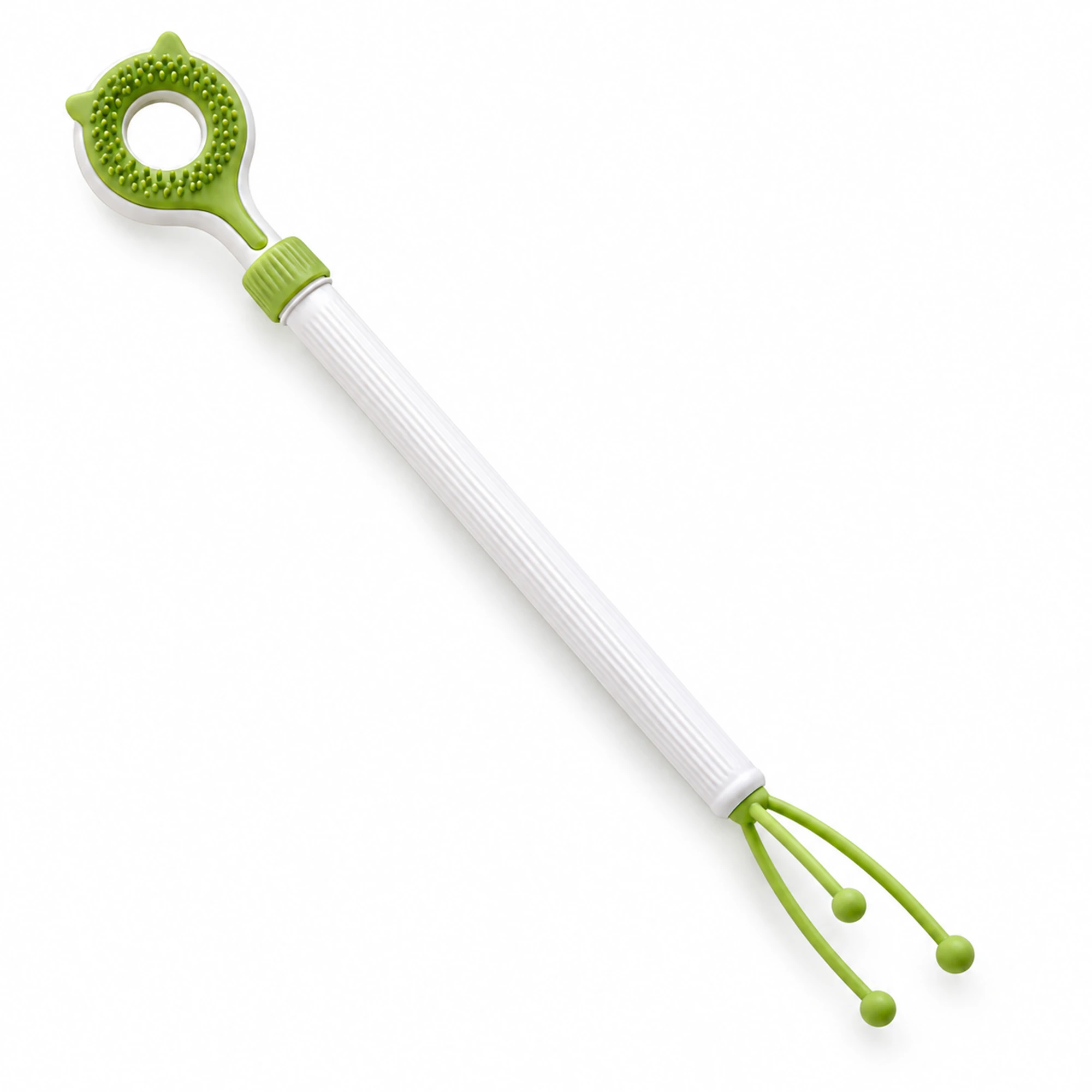
For curious felines, flexible teaser wands closely imitate fluttering finches or scurrying beetles. The Green Telescoping Three-Tip Cat Play Wand priced at $5.50 pairs an adjustable manual rod with three pliant rounded tips and an ergonomic loop handle. Handlers can twist the locking collar to transition from short corner twitches to sweeping strokes across hallways. Fluttering these tips along carpet edges prompts sharp head tilts, dilated pupils, and athletic low-altitude leaps.
For companion dogs, a short hallway fetch sequence warms cold leg muscles while keeping paws safe from outdoor frost or summer asphalt. Direct your throws low along runners to avoid sharp mid-air twists that strain growing joints. Conclude every sprint session by letting your pet secure the target firmly in mouth or under paws. Capturing the prize sends satisfying tactile feedback through the jaw, triggering dopamine releases that cleanly conclude the predatory loop.
Midday Mental Stimulation: Solo Foraging and Mechanical Distractions
After family members head to workplaces or retreat into closed home offices, residential quiet settles over the house. Without intentional stimulation, curious puppies explore baseboards with their teeth while restless cats pace across kitchen counters. The quiet noon hour offers an ideal opportunity to introduce problem-solving games and independent mechanical toys.
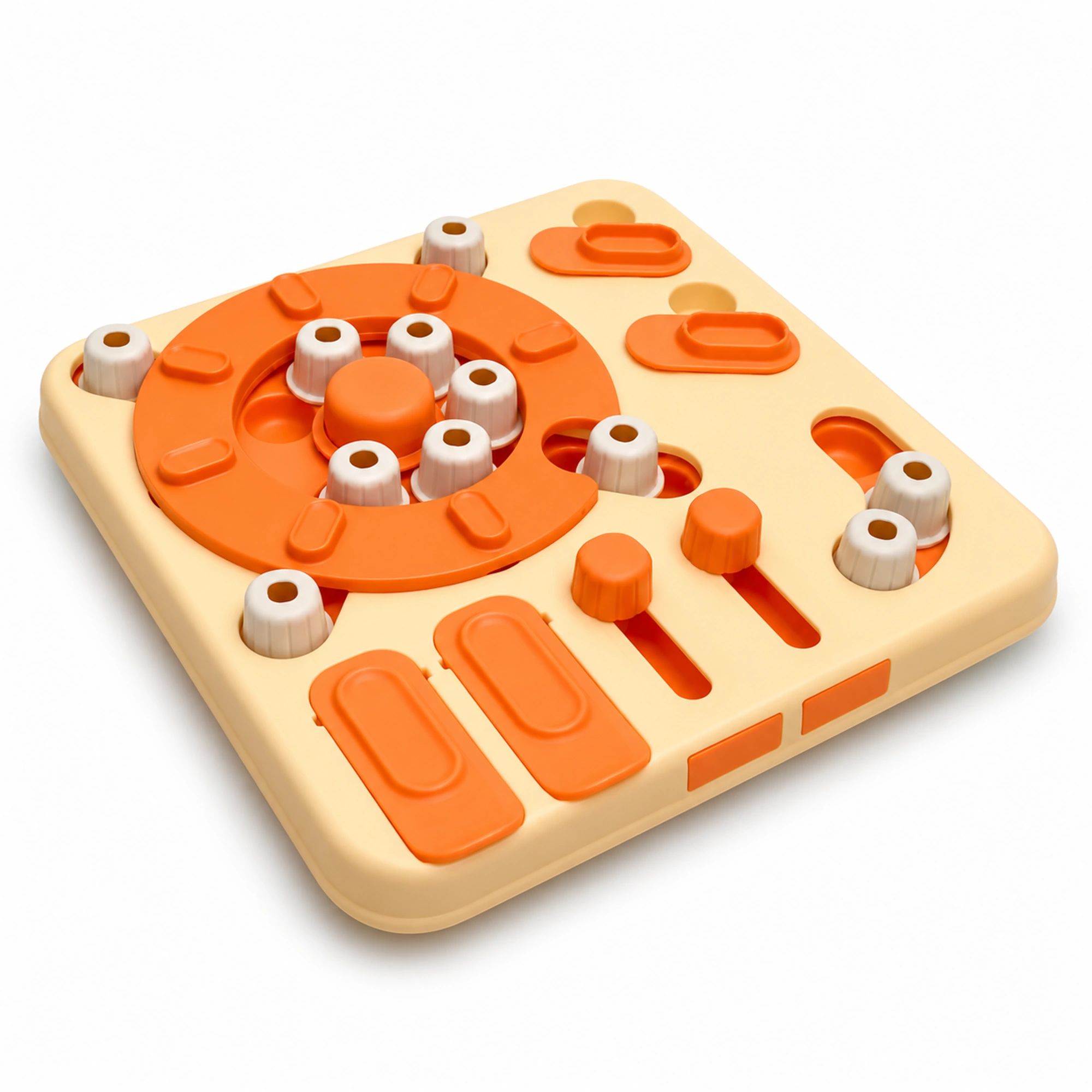
Dogs explore the world through scent, relying on hundreds of millions of nasal olfactory receptors that make sniffing far more exhausting than a quick jog around the block. The Orange Turn, Slide and Lift Treat Puzzle priced at $46.00 delivers an intricate multi-action puzzle experience. Built upon a broad square base, this toy integrates a revolving center disc, sliding drawer latches, hinged lift flaps, and pivoting oval barriers. Hiding small dry kibble portions inside these compartments encourages canines to sniff, twist, and slide elements methodically to earn every tasty bite during supervised noon play.
Cats lounging in quiet living areas thrive when offered self-starting apartment cat toys that react to wandering paws. The Blue Swirl Rechargeable Rolling Ball priced at $9.50 maneuvers across solid flooring on its own. Its curved swirl casing rolls in irregular arcs, ricocheting gently off baseboards while casting a subtle horseshoe glow. An internal battery charges through a convenient Type-C port, providing an enticing target that keeps indoor cats stalking while you attend remote meetings.
Positioning independent scratch centers alongside moving balls builds a diverse floor playground. The Sisal Island Dual-Track Play Board priced at $28.69 combines a solid wood oval foundation with two continuous ball channels and a center sisal scratch insert. Wandering felines can bat wooden spheres along the perimeter or dig front claws into fibrous sisal threads, depositing territory scents without harming fabric armchairs.
Evening Interactive Engagement: Stalking, Wand Teasing, and Predatory Closure
When twilight falls, pets experience an evolutionary spike in activity known to biologists as crepuscular drive. This biological clock often triggers sudden evening sprints across beds and sofas. Instead of viewing these antics as misbehavior, direct that vitality into shared interactive games that lead smoothly into dinnertime and deep night sleep.
Set aside fifteen dedicated minutes for close interactive play just before filling evening food bowls. For cats, alternate between sudden quick ascents and quiet creeping pauses behind sofa skirts. Pull toy ribbons slowly under woven blankets, generating soft rustles that coax your feline into a low belly crawl. For family dogs, run a quick two-ball retrieve game or a gentle tug match with quiet release commands.
Ending evening games requires a clear sense of predatory fulfillment. Wild hunters do not sprint endlessly across open plains; they hunt, capture, feed, groom, and sleep. Recreate this natural rhythm by offering the evening meal or a meaty dental chew right after the final catch. Digesting nutrient-rich food after vigorous movement activates the parasympathetic system, soothing household pets into peaceful slumber.
Adapting Routines Across Pet Ages, Energy Profiles, and Living Quarters
Play schedules must bend to accommodate unique life stages, orthopedic needs, and apartment layouts. A boisterous adolescent terrier needs vastly different games than a ten-year-old senior labrador. In similar fashion, a bouncy kitten requires high-frequency batting games, whereas an elderly cat enjoys watching slow ground movements from a warm bed.
For aging companions coping with stiff joints, swap jumping exercises for gentle treat trails, slowly rolling spheres, and soft sniff mats. Keep movement sessions brief and conduct them on thick rugs where foot pads will not slip. For young high-drive dogs, combine sprint play with durable self play dog toys and multi-step cognitive puzzles that demand calm patience.
City apartment dwellers face unique sound and space boundaries. Apartment handlers must minimize loud thuds that travel through floorboards to downstairs neighbors. Compact vertical climbing trees, wall-mounted string teasers, and plush foraging mats supply rich enrichment within tight floor plans. Stashing toys away and rotating three favorites weekly keeps gear feeling fresh and captivating without crowding living rooms.
Essential Play Safety Protocols and Routine Maintenance
Safe habits keep daily enrichment rewarding while preventing costly emergency clinic visits. Never leave dangling teaser lines or elastic cords within reach of unsupervised pets. Young cats easily ingest cords and ribbon pieces, causing severe gastrointestinal obstructions that demand surgical correction.
Adopt these sensible habits to maintain safe daily play:
- Lock all loose wands, strings, and feather lures inside a secure closet after supervised games conclude.
- Inspect plastic puzzle sliders weekly for rough teeth marks, discarding any pieces that show cracks.
- Wash silicone balls, food dispensers, and puzzle trays with hot water and fragrance-free pet dish soap.
- Keep fresh water dishes clean and full near play areas so pets hydrate freely after chases.
- Watch for heavy panting, glassy eyes, or sudden limping, stopping games promptly if exhaustion shows.
Carving out regular morning sprints, midday brain challenges, and calming evening wind-downs creates a deeply contented companion animal. Structured daily play builds lasting affection, transforming your household into an oasis of vitality, peace, and mutual trust.