Many pet owners assume that playing fetch is an activity reserved exclusively for dogs. Domestic cats actually possess natural predatory motor patterns that translate directly into retrieving toys. When a feline chases a launched object, scoops it into their mouth, and trots across the living room, they are expressing ancestral hunting behaviors. Teaching your cat to bring the toy all the way back to your hands requires understanding what motivates them, picking the right lightweight object, and establishing a rewarding trade rather than expecting canine obedience.
With patience, brief five minute training blocks, and consistent positive markers, cats of any age can learn to retrieve. The secret lies in breaking the game into manageable micro behaviors so your pet feels rewarded at every step of the journey.
Can Cats Truly Learn to Fetch?
Pet owners often wonder: can cats play fetch with genuine enthusiasm? Scientific research and everyday household experiences confirm that cats frequently initiate and enjoy games of fetch. Unlike canines that often retrieve to please their handlers, cats participate because the game fulfills their predatory sequence: search, stalk, chase, pounce, capture, and carry.
When an indoor cat spots a lightweight toy flying through the air, their predatory drive activates instantly. The desire to carry the “prey” to a secure resting spot is equally instinctive. The only missing link in an untrained cat is the return phase. In nature, a predator consumes or hides captured prey rather than handing it over. Teaching a cat to return the toy simply means demonstrating that surrendering the object brings an even better reward, such as a favorite treat or an immediate relaunch.
Selecting the Best Fetch Toys for Cats
Cats have small jaws, delicate teeth, and highly sensitive whiskers. Choosing the right object is critical for early training success. If a toy feels too heavy, rigid, or bulky, a cat will abandon it after pouncing rather than carrying it back.
Look for items that match these three physical requirements:
- Featherweight construction: Soft foam balls, felt mice, crinkle balls, and plastic springs weigh only a few grams, allowing cats to grip them effortlessly without jaw fatigue.
- Mouthable texture: Toys made with soft fleece or lightweight fabric give feline teeth something gentle to sink into.
- Engaging motion profile: Items that bounce erratically or flutter mimic the irregular flight paths of small insects and mice.
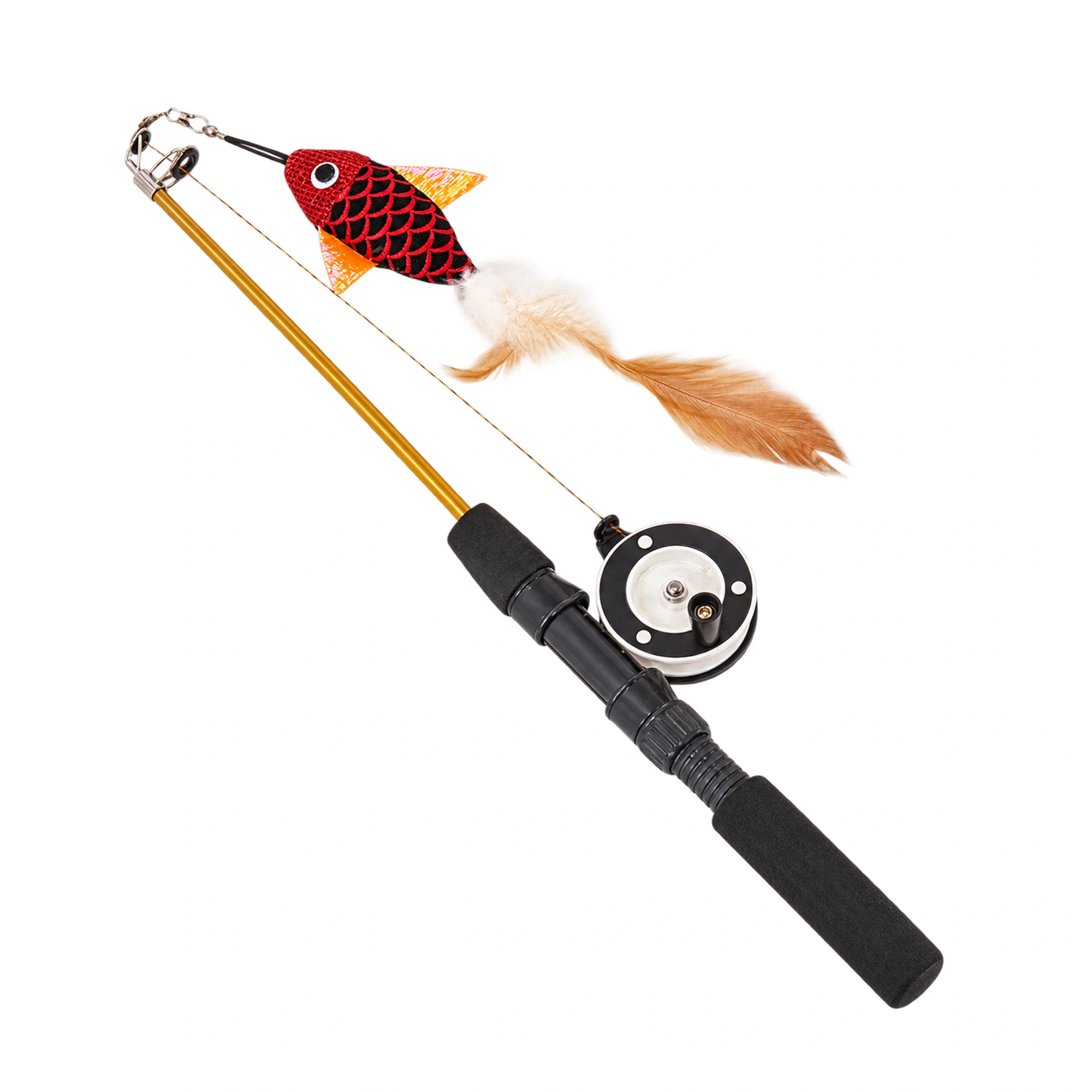
For interactive warm ups before independent fetch tosses, introducing focused lures helps build enthusiasm. The Mini Fishing Reel Feather-Fish Wand features a telescoping gold-toned rod and miniature reel that guide a red feather-fish lure during shared play, keeping hands clear of pounces while building eager chase momentum across open floors.
The 4 Step Fetch Training Method
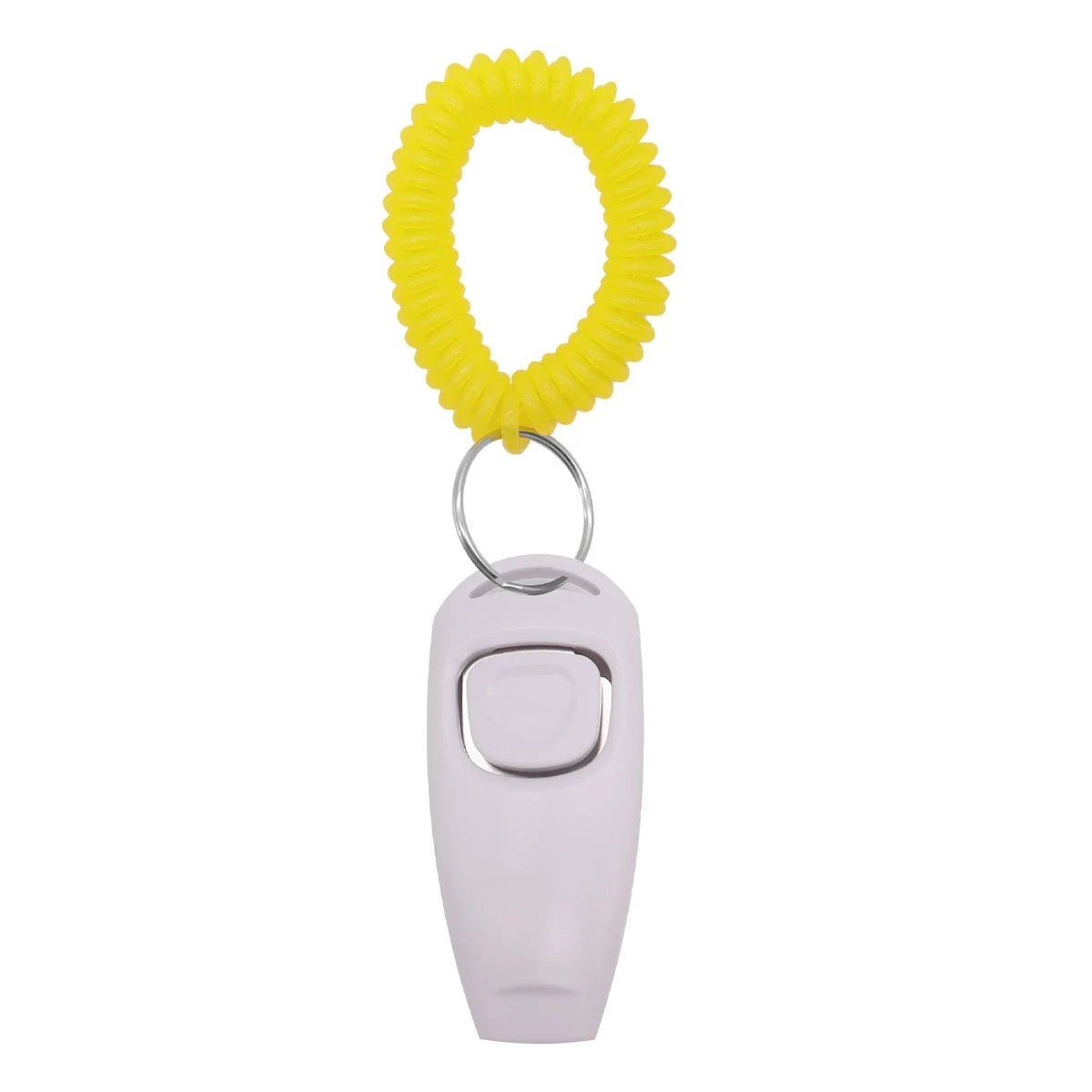
Following clear cat fetch training steps turns an instinctive chase into a reliable game, especially when using reverse chaining or progressive reinforcement. Keep a bowl of high-value pea-sized treats and an optional clicker within reach before beginning each stage.
Step 1: Mark Interest and the Mouth Grip
Begin by placing your chosen fetch toy on the carpet directly in front of your cat. When your cat sniffs, bats, or inspects the toy, immediately click or say a crisp verbal marker like “yes” and deliver a treat.
Once your cat reliably investigates the toy, hold out for mouthing behavior. The instant your cat wraps their teeth around the fabric or picks it up off the floor, mark the behavior enthusiastically and provide an immediate reward. Repeat this exercise over several short sessions until your cat understands that putting the toy in their mouth triggers a treat.
Step 2: Introduce the Short Toss
Sit on the floor roughly two to three feet away from your cat. Toss the toy gently into their direct line of sight. When your cat sprints forward and picks the object up, mark the pickup immediately.
At this stage, do not worry if your cat drops the toy where it landed. Reward them for the grab. Gradually increase your distance to five feet once your cat consistently pounces and mouths the item upon landing.
Step 3: Encourage the Return Carry
This step bridges the gap between pouncing and retrieving. After tossing the toy, wait for your cat to grip it in their mouth. As soon as the toy is secured, call your cat’s name in a cheerful, upbeat tone while showing a high-value treat in your open palm.
Because cats naturally walk toward food rewards, your cat will likely turn and step in your direction while still holding the toy. If they take even two steps toward you with the toy in their mouth, mark and reward. If they drop the toy halfway, walk over, pick it up neutrally without scolding, and try again from a shorter distance. With repetition, your cat learns that carrying the toy closer to you yields the prize.
Step 4: The Trade and Release
The final piece of the puzzle is convincing your cat to drop the toy at your feet. Never wrestle or pry a toy from a cat’s mouth, as this turns play into an adversarial tug of war.
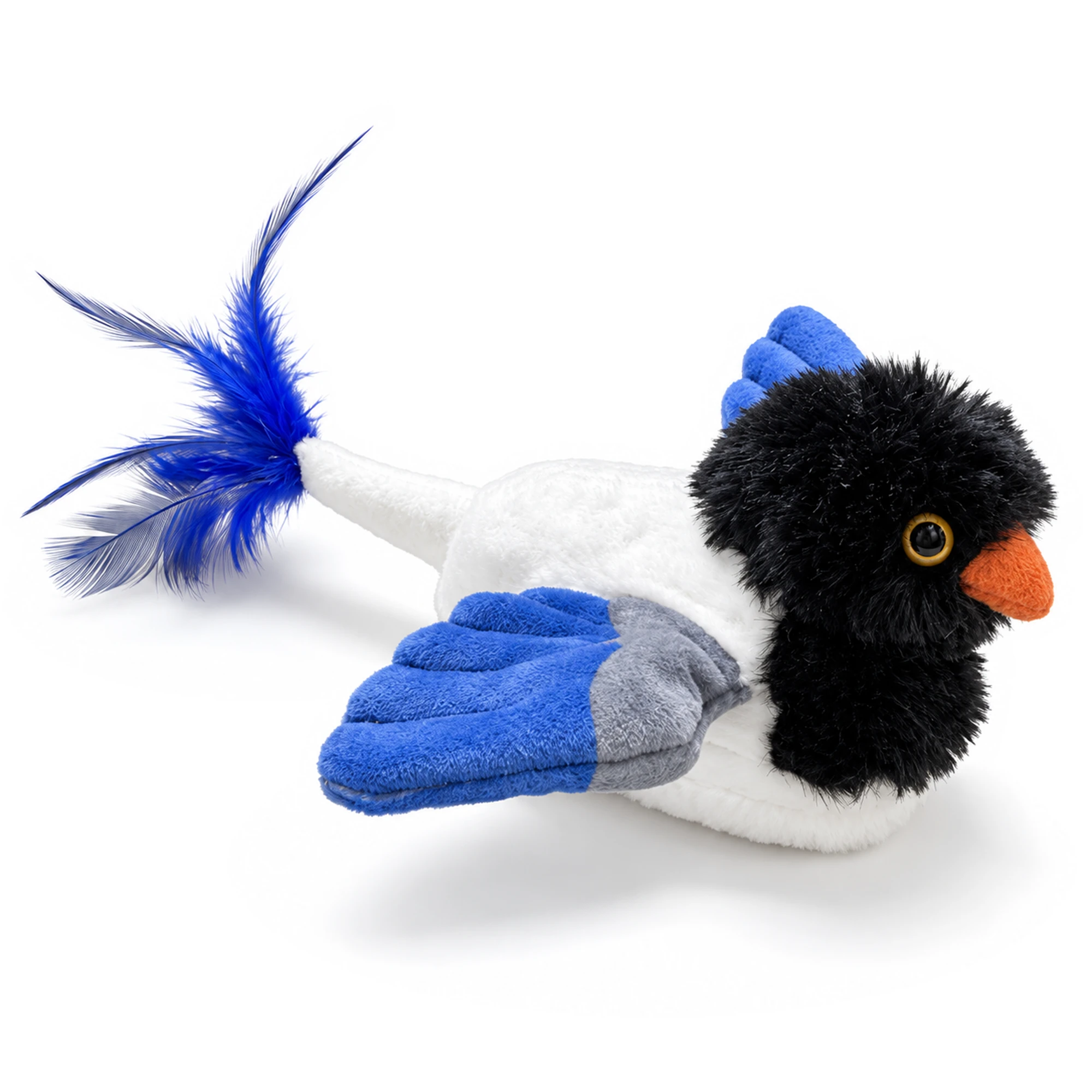
Instead, execute a seamless swap. When your cat arrives with the toy, hold a treat directly in front of their nose. To eat the treat, the cat must open their mouth, causing the toy to drop onto the floor. As the toy falls, pair the action with a cue word like “drop” or “give,” mark the behavior, and release the food reward. Alternatively, pet owners report redirecting overstimulated play biting by introducing a kicker toy. The Blue Magpie Cat Feather Toy and Kicker Cat Toy features soft fleece fabric that covers the plump body of the blue magpie toy, providing an ideal wrestling and grappling target if your cat becomes overly excited during toy exchanges.
Solving Common Fetch Roadblocks
Fetch training rarely follows a straight line. If your cat encounters difficulties, use these practical troubleshooting adjustments:
| Common Roadblock | Underlying Cause | Effective Solution |
|---|---|---|
| Cat runs to toy but walks away | Toy is too heavy or unappealing | Switch to an ultra-light plastic spring or crinkle ball |
| Cat drops toy several feet away | Cat anticipates treat too early | Wait until cat is within arm reach before showing treat |
| Cat hoards toy under furniture | Territorial prey caching instinct | Practice in an open hallway with under-couch gaps blocked |
| Cat loses focus after two throws | Mental fatigue or low food motivation | Shorten session to three minutes and train right before meals |
Structuring Daily 5 Minute Fetch Play Routines
Feline attention spans are naturally calibrated for short, explosive hunting sequences rather than prolonged athletic endurance. Structuring your training routine around natural feline biorhythms ensures steady, frustration-free progress.
Conduct two to three sessions daily, lasting no longer than three to five minutes each. Always stop while your cat is still engaged and enthusiastic. Ending a session on a successful retrieve leaves your cat eager for the next opportunity. Over several weeks, this low-pressure positive routine deepens your mutual bond while providing essential indoor physical exercise.