Walk into any home with a cat and you will find playthings pushed under sideboards, resting near scratching posts, or abandoned beside water bowls. Cats handle toys with their teeth, claws, and saliva. As felines pounce on plush mice and wrestle teaser wands across the rug, these items pick up a steady accumulation of dried spit, pet dander, floor dirt, and loose hair. Leaving these items uncleaned for months allows bacteria and fungi to build up, creating potential risks for oral irritations or stomach distress.
Keeping your pet playthings fresh requires a reliable hygiene plan. Setting up a straightforward cat toy storage and cleaning routine keeps both indoor pets and household family members healthy. Success comes down to knowing how different materials handle water, avoiding toxic cleaning chemicals, and rotating items regularly to maintain genuine novelty.
The Hidden Hygiene Risks of Neglected Cat Toys
Many guardians wonder whether cleaning cat gear is necessary if their pets never set foot outdoors. Indoor cats harbor plenty of oral bacteria that transfer directly to fabric whenever they bite an item. In warm rooms, saliva-soaked plush seams become welcoming homes for everyday microbes.
Household dust and carpet dander collect within soft fleece folds and woven scratching boards. When cats rub their faces against dirty fabrics, trapped dust particles irritate their airways and eyes, prompting sneezing or pawing at their ears. Worse yet, felines often bat fabric items across kitchen tiles, near trash bins, or over litter mats. When those same toys end up back in a cat mouth, harmful organisms can spread into the digestive tract.
Damaged toys also create physical dangers. Dried feline drool stiffens fibers, leading to torn seams, loose bells, and exposed plastic parts. Without a regular inspection and cleaning routine, small unraveling strings can escape notice until an unsupervised cat swallows a loose thread.
Material-Specific Cleaning Protocols: Fabric, Wood, and Electronics
Pet guardians often worry about how to clean cat toys without ruining delicate components. Modern toys use a wide range of materials, meaning one single approach cannot work across an entire collection. Tailoring cleaning methods to specific materials cleans gear effectively while preserving durability.
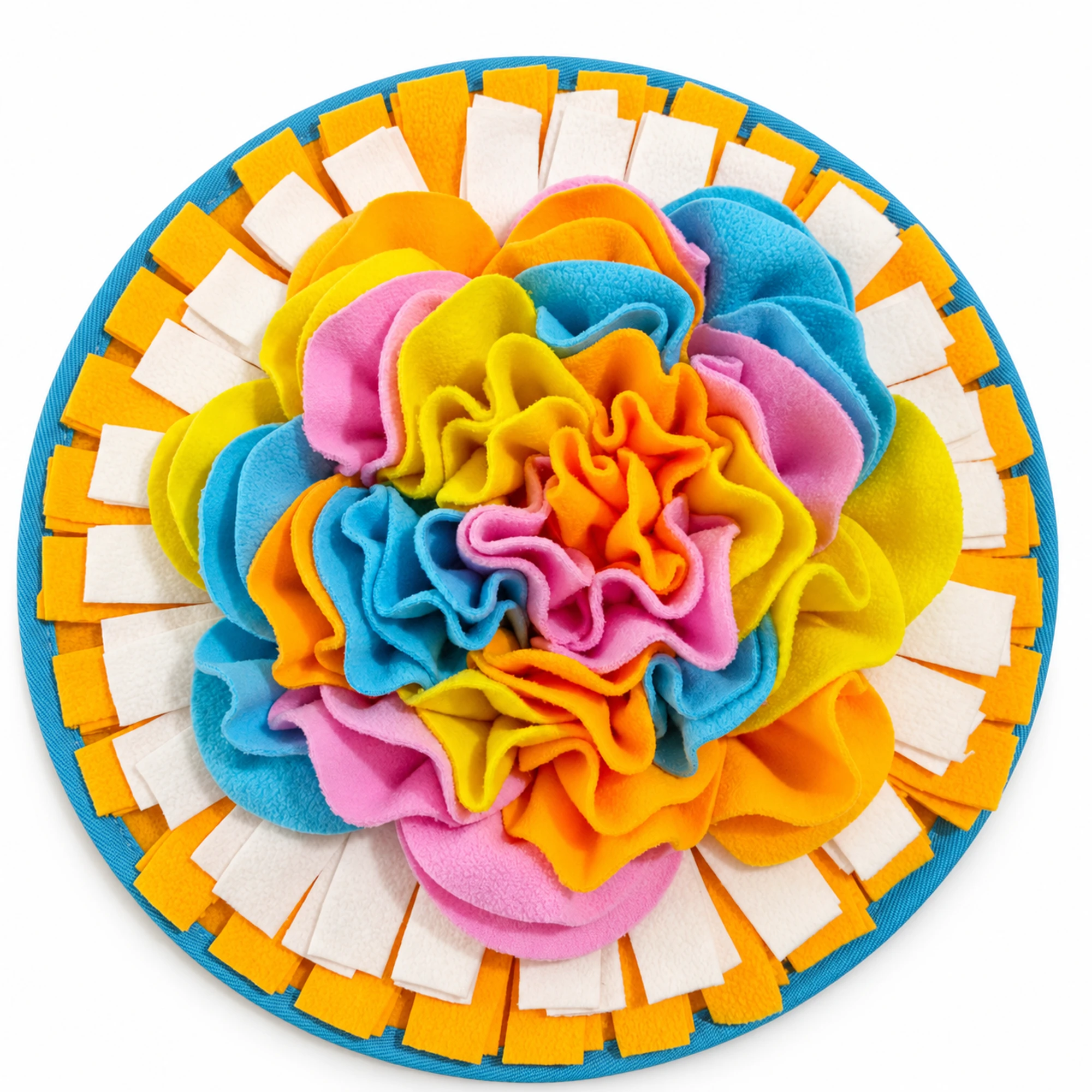
A frequent question from owners is: can you wash cat toys crafted from fleece and cotton in a regular home washing machine? You certainly can, provided you choose mild detergents and gentle cycle speeds. Soft foraging items like the Round Ruffle Flower Snuffle Mat, available for 18.80 dollars, stand up well to repeated machine washes. Designed with a thirty-five centimeter round base covered in tiered fleece petals, this mat collects crumb particles and drool in its fabric layers. When laundering, place the mat in a mesh washing pouch so the ruffled cloth cannot wrap around machine drums. Run a cold cycle with unscented, pet-safe liquid soap. Skip standard fabric conditioners, which leave residue that can upset sensitive feline noses. Once the cycle finishes, shake the mat flat and let it dry naturally on a laundry rack.
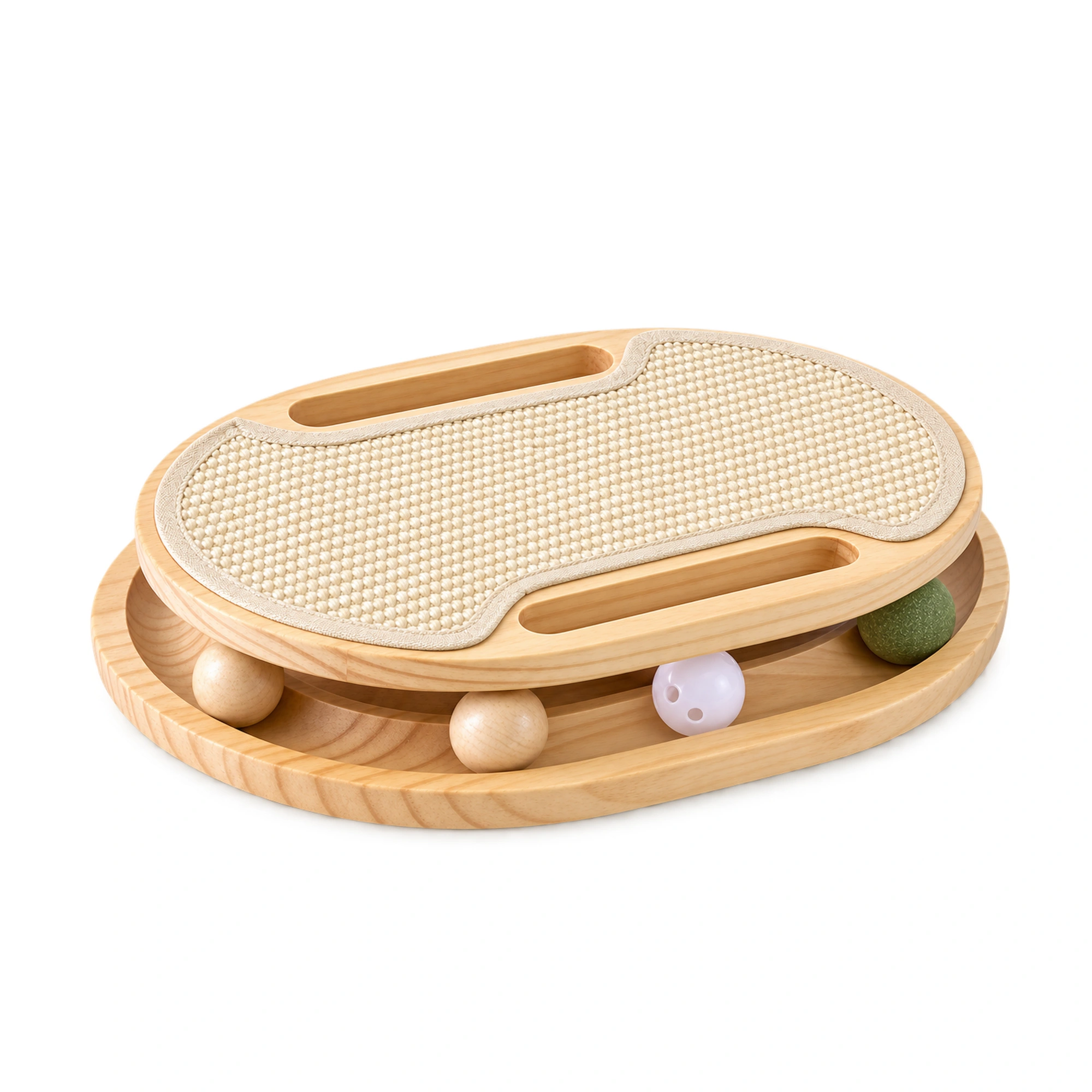
Wooden accessories and sisal scratching surfaces demand a gentle, low-moisture touch. Submerging natural wood makes panels warp and split, while soaking sisal mats weakens the glue securing the fibers. The Sisal Island Dual-Track Play Board, retailing at 28.69 dollars, combines an oval timber frame with dual ball channels and a woven sisal center. Clean this piece by vacuuming dust, hair, and grit from the rolling grooves using a narrow nozzle. Wipe the smooth wooden sides with a microfiber towel barely moistened in equal parts warm water and distilled white vinegar. Avoid soaking the wood, and let every surface dry fully before playtime resumes.
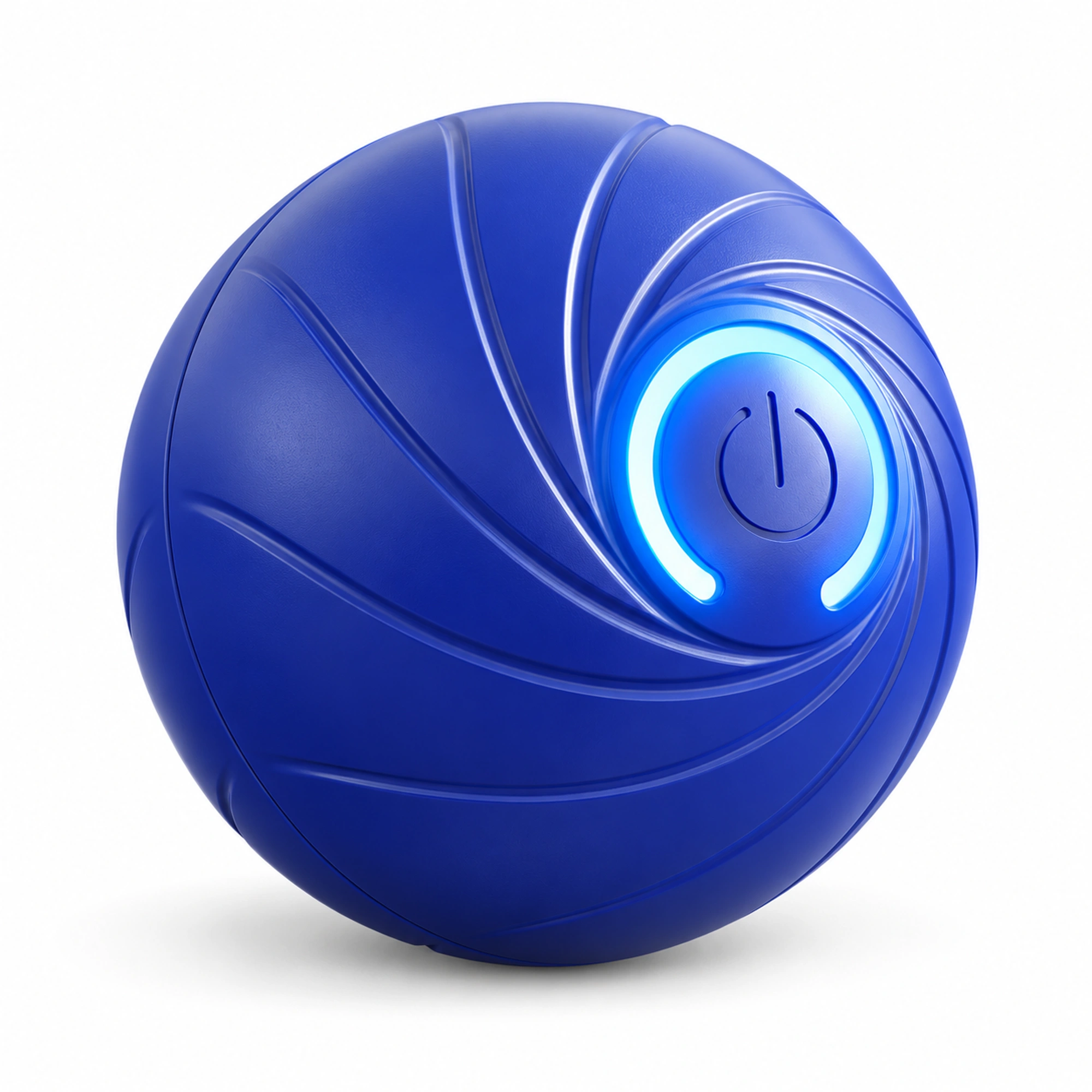
Motorized items and battery units require strict moisture precautions to protect interior wiring. The Blue Swirl Rechargeable Rolling Ball, priced at 9.50 dollars, includes a detachable blue outer shell and a central Type-C charging port. To sanitize this toy, unscrew the outer silicone casing and wash that shell in warm soapy water. Never submerge the inner mechanical core in water. Instead, wipe the hard plastic motor housing with a rag lightly dampened with seventy-percent rubbing alcohol, keeping moisture away from switches and charge ports. Give the alcohol fifteen minutes to evaporate before putting the shell back on.
Safe Disinfecting Agents Versus Toxic Household Cleaners
Discovering how to sanitize cat toys safely means picking sanitizers that kill germs without leaving harmful residue behind. Felines groom their coats continuously, meaning any chemical picked up from a toy ends up swallowed within minutes.
Common household bleach, quaternary ammonia, synthetic phenols, and pine-based liquids are dangerous for cats. Even after thorough rinsing, subtle chemical scents can trigger respiratory problems or mouth sores. Essential oils like tea tree, eucalyptus, and orange oil are especially hazardous because feline livers lack the enzymes needed to process them safely.
Safe, practical alternatives include:
- Diluted Distilled White Vinegar: Combining one part vinegar with three parts warm water cuts through sticky saliva layers while offering gentle antibacterial power. The faint sour smell disappears completely as the surface dries.
- Fragrance-Free Castile Soap: Plain vegetable soap lifts dirt, grease, and grime while washing away cleanly without lingering chemicals.
- Food-Grade Hydrogen Peroxide: A three-percent peroxide solution works wonderfully for wiping hard plastics. It breaks down into water and oxygen, leaving no toxic trace.
- Steam Cleaning: A handheld steamer uses pure hot vapor to sanitize sturdy fabric mats and scratching posts, destroying flea eggs and bacteria without a single chemical drop.
Make sure every toy dries thoroughly before handing it back to your cat, as lingering dampness attracts fresh dust and fungal growth.
Preserving Catnip Potency and Toy Longevity in Storage
Extra care is required when learning how to clean catnip toys. Catnip derives its punch from nepetalactone, a natural aromatic oil housed in plant leaves. When owners ask how to wash cat toys stuffed with catnip, submerging them in warm water dissolves the oils and turns the dry herb into soggy, unusable mush.
When refreshing catnip-filled plush toys, skip the water bath entirely. Spot-clean outer grime with a lightly damp rag, then place the item in bright window sunlight for natural UV disinfection. Once completely dry, store the plush in an airtight glass jar or plastic tub with a spoonful of fresh dried catnip herb. Over two days, the porous fabric absorbs fresh nepetalactone vapor, restoring intense aromatic appeal without adding liquid.
Storing the wider collection in dedicated bins helps gear last longer. Keep feather wands flat inside shallow storage tubs so rods stay straight. Place plush toys in breathable canvas baskets on upper shelving away from unsupervised paws. Putting toys away between games stops boredom and keeps each play session engaging.
Building a Sustainable Weekly Rotation and Inspection Schedule
A solid cleaning plan pairs best with a regular toy rotation routine. Piling dozens of toys in the center of the floor leads to habituation, where pets ignore items they see every day.
Organize a three-group rotation schedule. Split your toys into three balanced batches with a mix of teasers, puzzle boards, ball tracks, and kicking plush. Keep one batch in the living room for four to five days while storing the other two in a closet. Whenever you switch batches, take five minutes for maintenance:
- Physical Check: Examine seams, plastic parts, and loose strings. Trim loose threads and throw away damaged items that could cause choking.
- Surface Wipe: Wipe wooden bases, plastic balls, and rolling grooves with a damp vinegar cloth.
- Wash Soft Mats: Place fabric mats into the laundry every couple of weeks, or sooner if food bits are stuck inside.
- Refresh and Power Up: Place resting plush items into catnip jars, and recharge electronic rolling balls with Type-C cables.
Following this simple routine keeps toys sanitary, protects your cat health, and keeps indoor play exciting every single week.