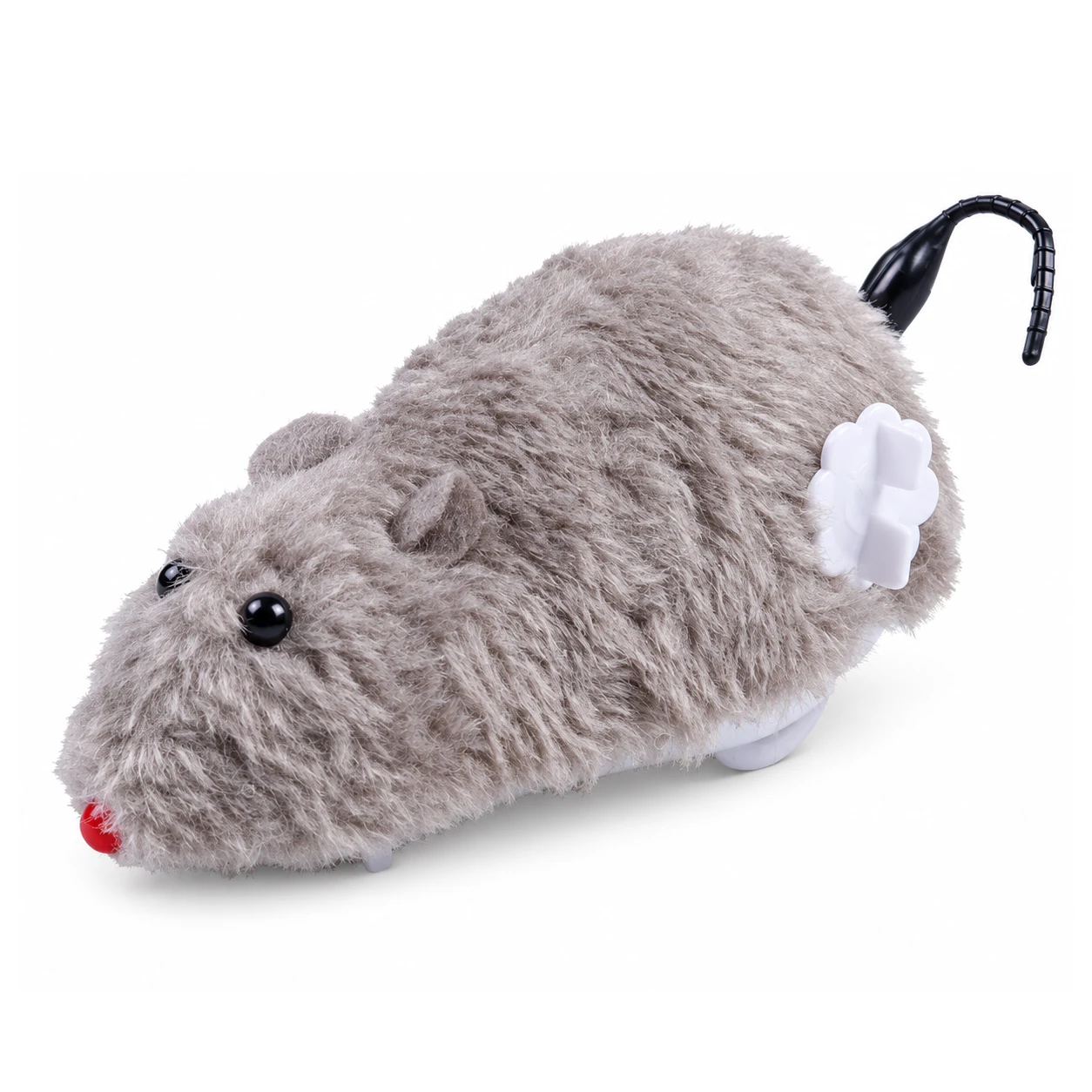
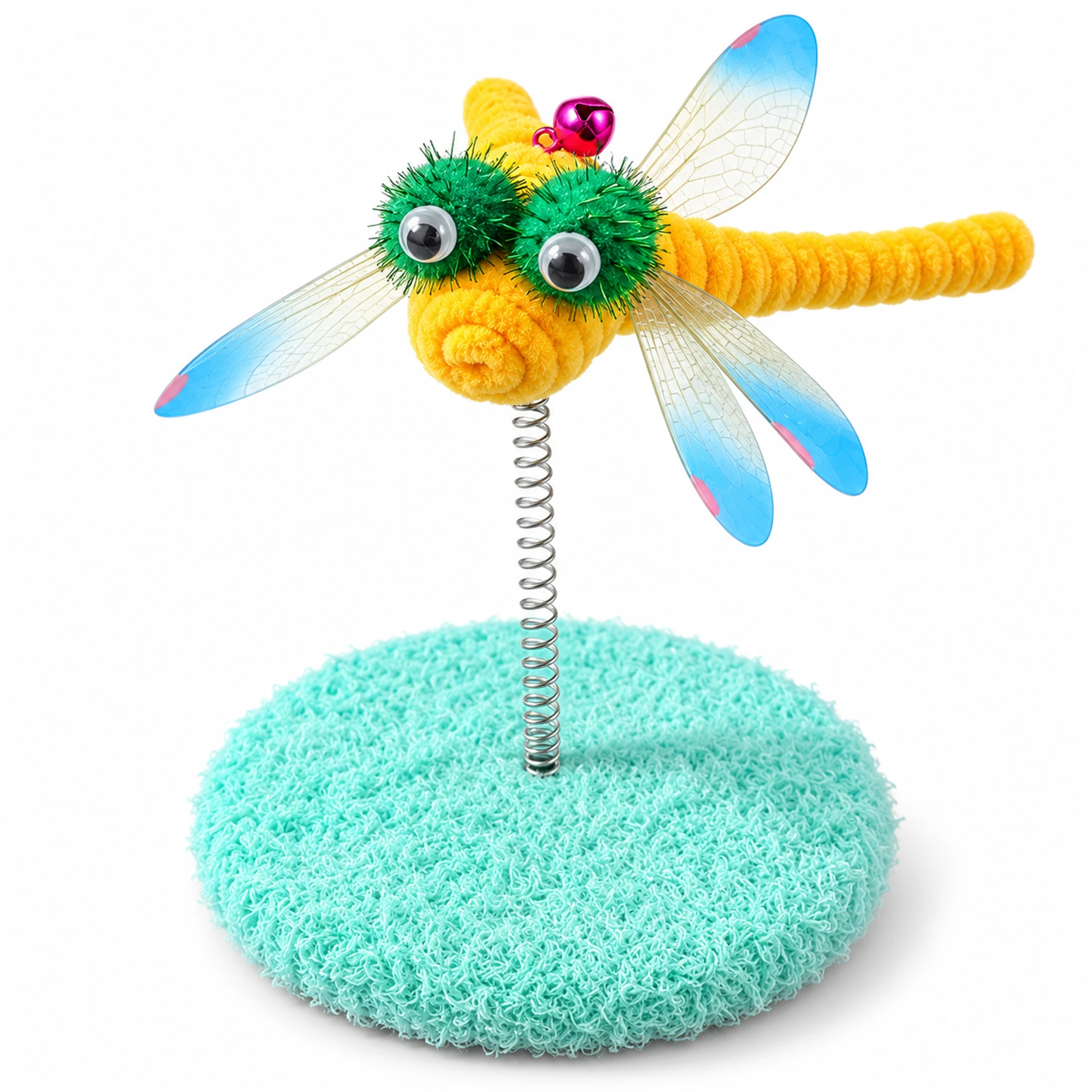
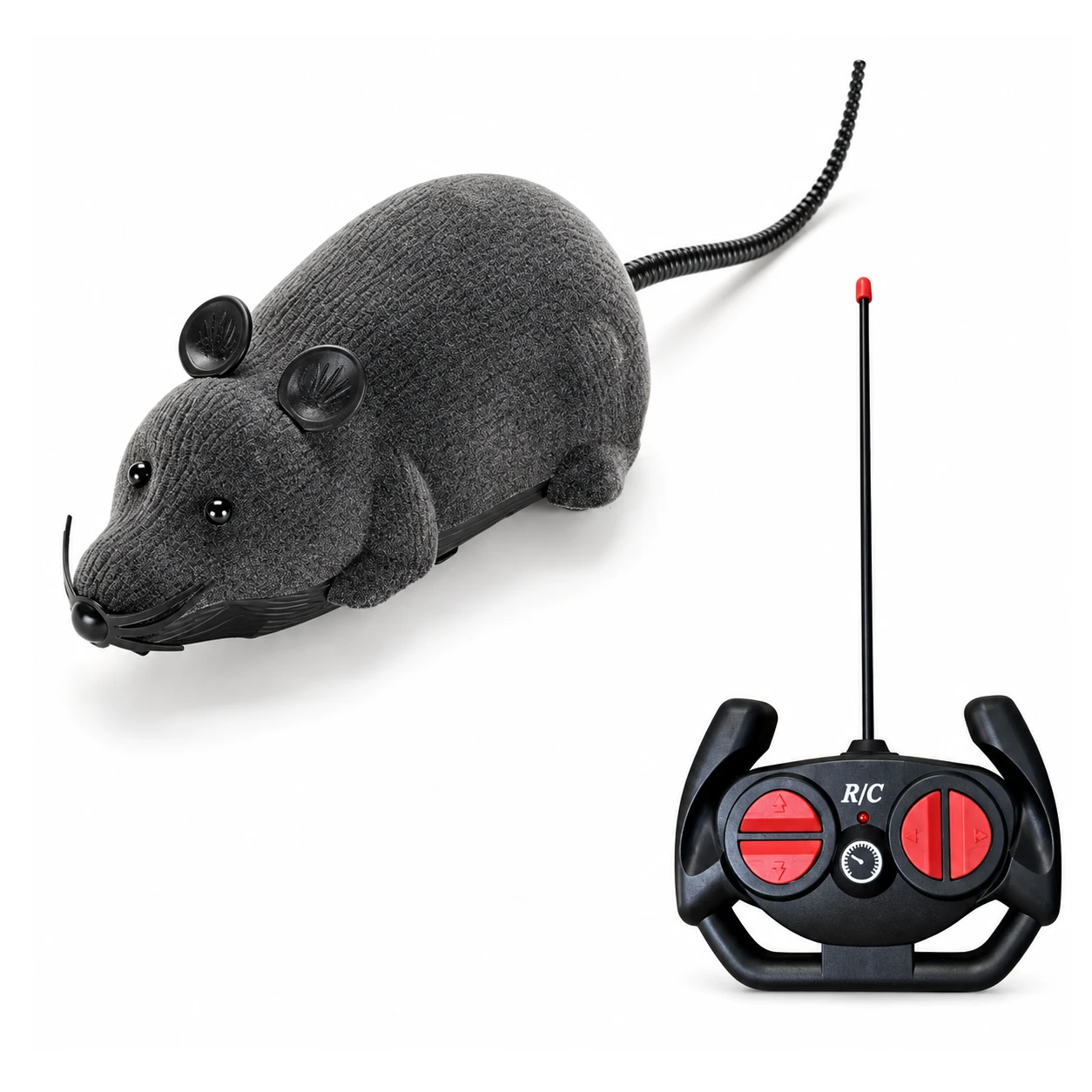
Countless cat owners buy plush mice, jingling balls, and feather wands, only to watch their cat give them a brief sniff and stroll away. Finding your living room carpet littered with untouched pet gadgets is a familiar frustration for indoor cat guardians. When a cat ignores every toy, owners naturally wonder whether their companion feels blue, stubborn, or simply unmotivated.
Understanding feline predatory biology provides the real answer. Domestic cats retain the exact neural circuits of wild hunters. Motionless objects scattered on a carpet do not register as living prey. To a feline hunter, an unmoving plush toy looks no different from ordinary floor clutter or living room furniture. Re-engaging your cat requires understanding the complete predatory loop, eliminating toy fatigue through structured rotation, and introducing unpredictable movement patterns.
Why Do Cats Ignore Toys: Normal Habituation vs Underlying Health Issues
Before modifying your home play routine, rule out physical causes for sudden disinterest. If you have a cat not interested in toys all of a sudden, medical factors must take priority over behavioral quirks. A healthy cat possesses an innate drive to stalk and pounce.
Dental discomfort, arthritis in the hips or spine, kidney issues, or low-grade infections quickly sap a cat energy reserves. Because felines are solitary survivors in natural habitats, they instinctively conceal weakness or discomfort. Rather than vocalizing pain, unwell felines seek secluded hiding spots, nap extended hours, and refuse strenuous bounding across rooms. Whenever an active pet abruptly abandons play, shows fading appetite, stops jumping to elevated window perches, or pulls back when petted along the lower back, consult your veterinarian promptly.
Veterinary clinical guidance states that cats frequently ignore toys left lying around without movement, requiring interactive engagement and varied stimulation matched to their individual preferences. When clinical health is sound, persistent toy disinterest almost always points to environmental habituation rather than a lack of playfulness.
The Feline Predatory Drive: Stare, Stalk, Pounce, and Capture
In natural ecosystems, feline predation progresses through a defined neurological cascade: stare, stalk, pounce, capture, and bite. Indoor life removes the necessity of securing live sustenance, yet this deep evolutionary wiring operates continuously within domestic felines.
Static play objects short-circuit this behavioral rhythm right at the initial step. Feline retinal anatomy is tailored to detect subtle horizontal scampers and vertical flutter, specifically abrupt accelerations and decelerations. When a stuffed fabric mouse rests motionless on an area rug, feline optical receptors register no predatory stimulus. Without dynamic motion, stalking circuits remain idle.
Furthermore, cats quickly recognize that an item devoid of self-propulsion offers no authentic pursuit challenge. Flicking a plastic jingle ball down a hallway sparks only fleeting curiosity. The moment the sphere comes to rest against baseboard trim, predatory focus evaporates. True feline hunters crave evasive quarry that scrambles away into shelter.
Environmental Boredom and The Pitfall of Toy Fatigue
Leaving entire baskets of pet toys scattered permanently across floors remains the most widespread driver of feline indifference. A cat owner shared that despite having a bucket of brand-new toys, their cat kicks a soft toy once for thirty seconds and then completely ignores it, illustrating common toy disinterest and habituation.
When playthings stay permanently visible on flooring, visual novelty disappears entirely. Olfactory signals carry equally immense weight in feline hunting decisions. Over weeks of exposure, synthetic furs and fabrics lose their crisp manufacturing scents and soak up dust, cleaning aerosols, and routine indoor odors. To an indoor carnivore, an object that smells identical to surrounding floorboards ceases to represent an intriguing foreign presence.
To prevent habituation, store ninety percent of your toy collection inside a closed cupboard. Bring out only two or three items for targeted play sessions, then put them away once the session concludes. Rotating toys every few days restores curiosity and mimics the unpredictable appearance of live targets. For households where cats spend extended hours alone, pair toy rotation with strategic daily enrichment.
Re-Engaging Your Cat with Dynamic Pop-Up and Vertical Toys
When plain mice and rolling balls fail, motorized and erratic interactive toys revive the hunt. Unpredictable motion forces cats to pay close visual attention, rekindling their instinct to calculate interception angles. Introducing specialized interactive cat toys for bored cats helps revive the hunt by simulating live prey evasion.
Two distinct physical designs address different feline hunting preferences:
First, consider burrowing ground targets for cats that love to watch baseboards and crevices. The Yellow Five-Port Pop and Feather Toy features five top ports for pom play and two feather ends beneath the body, with mode selection via a front button and USB-C charging. The randomized pop-up action mimics small rodents ducking in and out of underground burrows. Because the cat cannot predict which port the lure will emerge from, their attention stays locked on the housing, reigniting the stare and stalk phases.
Second, consider airborne flight lures for cats that prefer tracking moths and birds. The Pink Hanging Rise and Fall Cat Teaser hangs overhead and allows its lure to rise and fall while cats bat and chase. Suspending play from doorframes or overhead fixtures introduces vertical leaping. The automated rise and fall cycle simulates fluttering wings, encouraging high-energy swatting and agility practice without tiring the owner arm.
The Neurological Dopamine Loop: Why Catching Matters
During active predatory play, a cat brain releases dopamine as anticipation builds through the stalking phase. Dopamine keeps the hunter locked on target, elevating heart rate and sharpening sensory reflexes.
If play ends abruptly without a physical capture, dopamine levels crash without the soothing endorphin release that accompanies a successful catch. Over time, cats subjected to uncatchable targets develop chronic play frustration. They learn that expending physical energy produces no neurochemical payoff, prompting them to ignore wands and laser spots entirely. Always allow your cat to sink claws and teeth into the physical lure before concluding any exercise.
Social Territory Conflicts and Play Suppression in Multi-Cat Homes
In households with multiple felines, subtle social dynamics often suppress play behavior in more sensitive companions. Subordinate cats rarely engage with toys in open living areas if a more assertive housemate is watching from an elevated perch or blocking hallway doorways.
Direct eye contact from an assertive cat signals territorial ownership over the play zone. A timid cat interprets moving toys as high-risk invitations to confrontation, leading them to freeze or walk away. When managing multiple cats, conduct solo play sessions behind closed doors in quiet rooms. This private environment gives hesitant hunters the emotional safety needed to express natural predatory drives without fear of ambush.
Distinct Predatory Styles and Tailored Toy Solutions
Every feline displays distinct predatory preferences based on natural instincts and early developmental experiences.
| Feline Hunter Profile | Preferred Movement Style | Ideal Toy Mechanism | Common Reason for Disinterest |
|---|---|---|---|
| Ground Rodent Stalker | Low crawling along baseboards | Pop-up hole puzzles and floor tracks | Toys held too high in mid-air |
| Aerial Bird Chaser | High fluttering and vertical drops | Hanging motorized lines and wand feathers | Stationary toys resting flat on rugs |
| Crevice and Burrow Forager | Pawing into hidden gaps | Five-port pop boxes and snuffle mats | Oversized items that cannot be dug out |
| Tactile Crunch Hunter | Heavy biting and kicking | Thick kicker pillows with textured canvas | Lightweight plastic balls with zero grip |
Step-by-Step Play Schedule to Revive Hunting Motivation
Learning how to get cat interested in toys requires structure and patience. Follow this daily protocol to awaken dormant predatory instincts:
- Schedule play before meal times. Cats hunt best when driven by natural appetite. Conduct a ten-minute interactive play session right before breakfast or dinner.
- Animate the toy away from the cat. Never push a toy directly into your cat face, which triggers defensive withdrawal rather than hunting drive. Always move wands and motorized teasers across or away from their line of sight, imitating prey fleeing toward cover.
- Vary movement tempo. Alternate between slow, creeping crawls and sudden fast darts. Pause the toy behind a sofa cushion or cardboard box to let your cat settle into a low stalk.
- Allow a clean capture. Ending a play session without physical capture creates predatory frustration. Always let your cat catch the lure firmly with their paws and mouth during the final repetitions.
- Reward with food. Immediately follow the final catch with a high-protein treat or their main meal. This completes the natural hunting loop: stalk, pounce, capture, and consume.
Frequently Asked Questions
Why does my cat sniff a toy and then walk away?
Cats sniff toys to assess scent and vitality. If the toy is motionless and smells like household furniture, the cat registers it as uninteresting debris. Interactive toys that move unexpectedly re-engage their visual reflexes and overcome olfactory boredom.
Can leaving toys out all day make my cat bored of them?
Yes. Leaving toys scattered across the floor causes rapid sensory habituation. To maintain hunting excitement, put toys away after active play sessions and rotate different designs every three to four days.
How do interactive toys help cats that ignore traditional mice or balls?
Traditional static toys require the cat to supply all kinetic energy. Motorized toys introduce erratic pop-up motion and vertical movement, mimicking live prey evasion and automatically triggering the feline predatory loop.
How do I re-engage an older indoor cat that refuses to run?
Older cats often suffer from mild joint stiffness that makes running uncomfortable. Focus on low-impact horizontal play, such as slow-moving ground wands, scent foraging puzzles, or batting toys placed at floor level where jumping is unnecessary.