Everyday cat toys accumulate an extraordinary amount of grime during routine play sessions across the home. A mixture of dried feline saliva, scattered litter dust, loose hair, and floor dirt quickly coats plush kickers and plastic ball tracks. Many pet parents hesitate to wash these favorite items because they dread harsh detergent smells, ruined internal batting, or chemical exposure. Knowing how to clean cat toys safely keeps your cat protected from oral bacteria and environmental parasites without exposing sensitive feline organs to toxic household cleansers.
A healthy cat mouth carries complex natural microflora, but dried saliva on fabric or plastic creates a fertile biofilm where common environmental bacteria multiply. Because felines spend hours grooming their coats and paws each day, chemical residues clinging to play items quickly pass into the digestive system. Felines lack crucial glucuronidation liver pathways needed to filter standard household phenols, turning routine surface sprays into medical emergencies. Effective cleaning demands pairing gentle, non-toxic sanitizing techniques directly with each specific toy material.
Why Cleaning Cat Toys Matters for Feline Health
Maintaining sanitized pet supplies does more than keep floors tidy; it provides an active shield against recurring feline health issues:
- Preventing Biofilm Formation: Repeated chewing and batting coats toys in an invisible salivary film. Over a few weeks, that layer traps bacteria and dust mites, provoking chin acne, inflamed gums, and unpleasant breath.
- Breaking Parasite Re-Infection Cycles: Cats frequently swat toys across bathroom thresholds or litter box areas, collecting microscopic protozoan cysts or parasite eggs. Periodic washing eliminates these contaminants before your pet licks them off paws.
- Preserving Scent Receptivity: Cats explore their world primarily through smell. When a toy becomes smothered in stale cooking grease and floor residue, the animal stops detecting positive scent cues, causing them to abandon the toy entirely.
Washing Hard Plastic Cat Toys and Track Towers
Smooth molded plastics are the simplest items to wash and sanitize safely at home. Concentric track towers, roller balls, and treat maze dishes hold up well to water because their non-porous surfaces offer no fabric pockets where dampness hides.
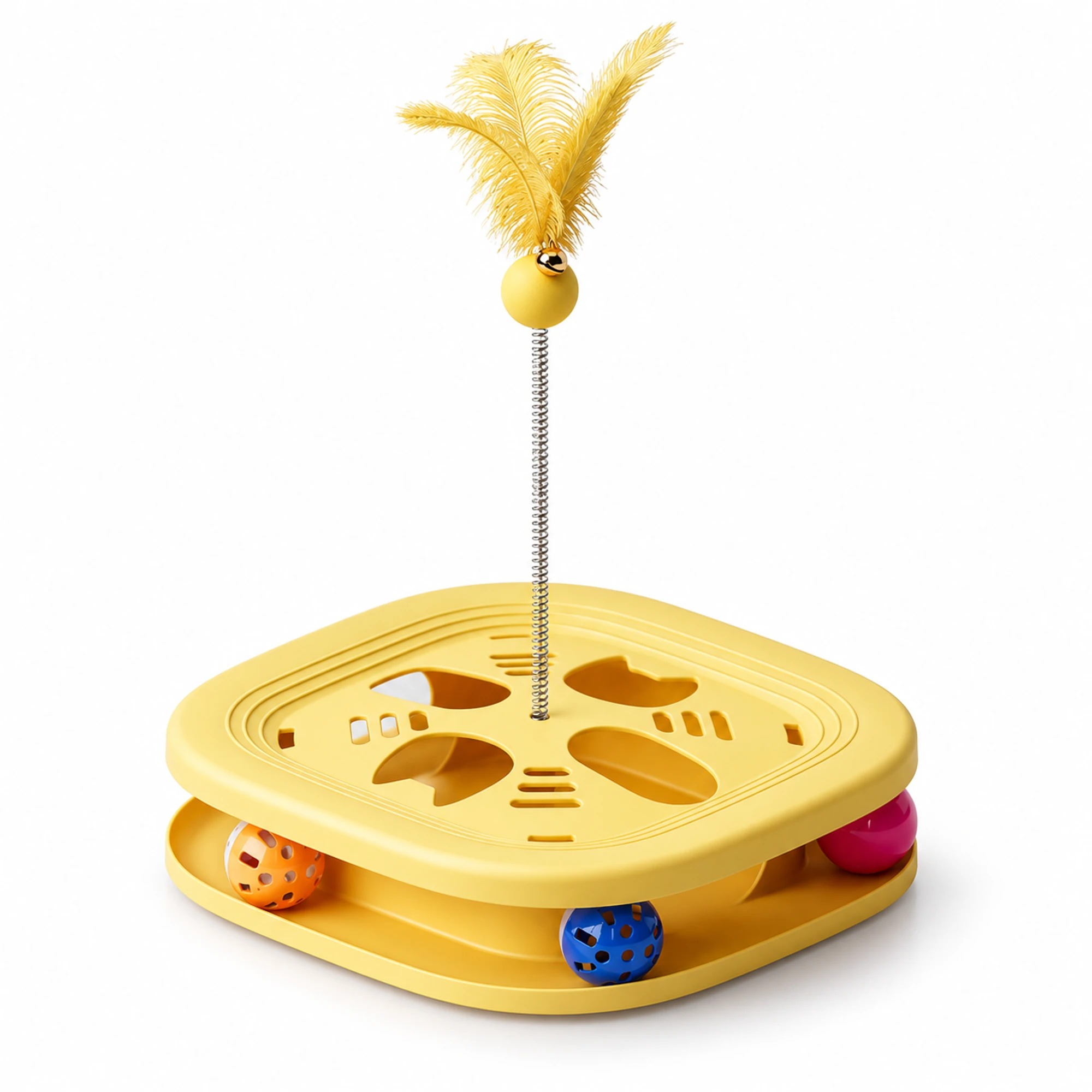
Smooth plastic levels of the green tree-shaped cat track toy can be wiped down with a damp cloth and mild pet-safe detergent. Keep hard plastic play stations sanitary by following this reliable sequence:
- Disassemble Moving Parts: Unclip circular track sections, slide out captive plastic spheres, and remove decorative spring attachments.
- Mix a Gentle Cleaning Basin: Fill a sink with warm water and mix in three or four drops of fragrance-free, dye-free liquid dish soap. Steer clear of harsh antibacterial formulas packed with synthetic fragrances or triclosan.
- Clean All Channels: Take a clean pet sponge or soft microfiber rag and wipe out inner ball runways, outer edges, and lower grooves where dust settles.
- Rinse Thoroughly: Hold every piece under running lukewarm water for at least sixty seconds until all slick soap film washes away. Any leftover soap aroma will discourage cats from batting the toy.
- Air Dry Completely: Spread the pieces out on a dry cotton towel in a breezy room until every drop evaporates before clipping the frame back together. Trapped moisture inside plastic joints invites hidden mold.
Maintaining Grooming Stations and Fur Collector Arches
Self-grooming arches and bristled massage tunnels provide wonderful daily enrichment, but their flexible plastic teeth gather shed undercoat, dander, and dry skin flakes in short order.
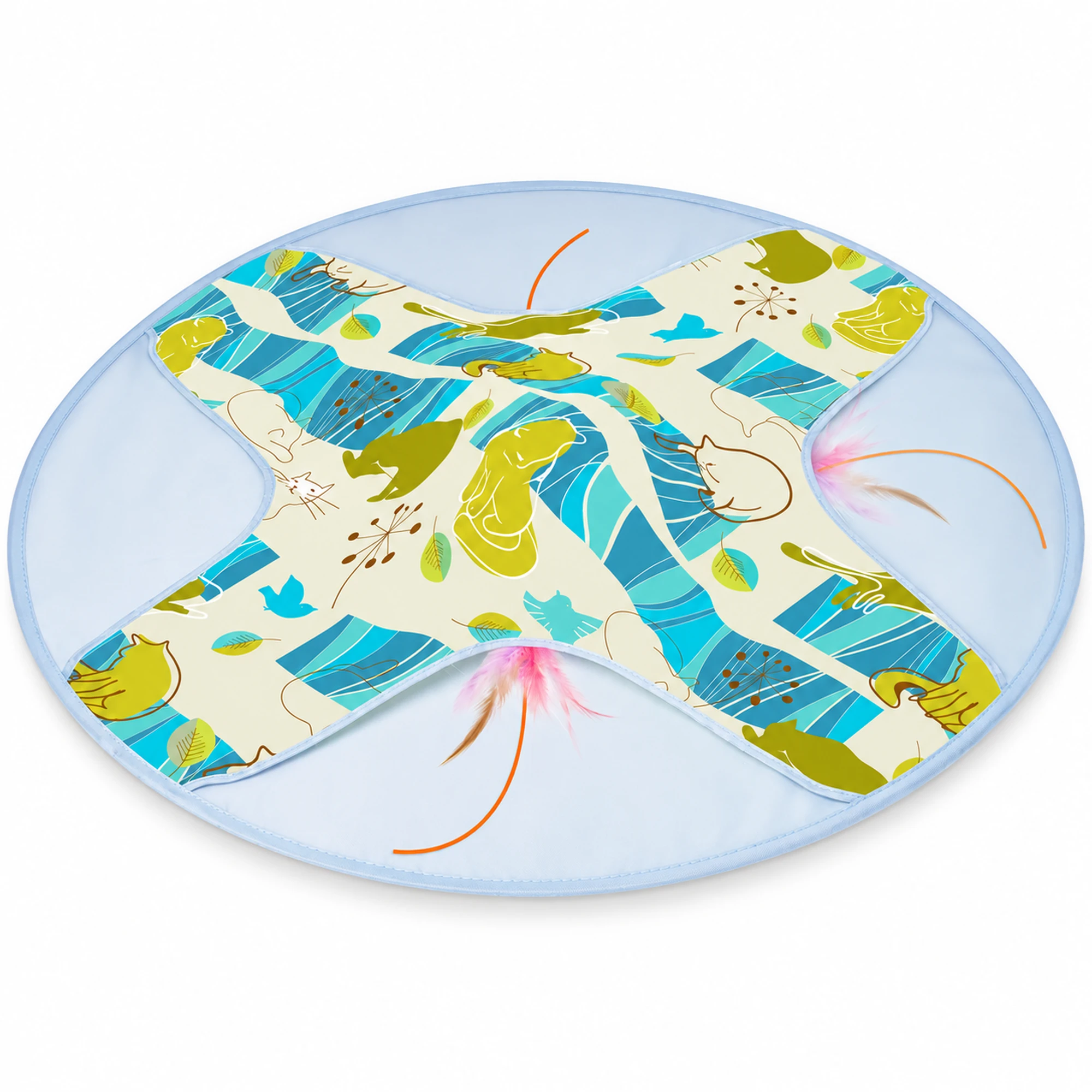
Cat grooming stations with bristle arches allow hand-clearing of collected fur while the carpeted oval base should be spot cleaned. Refresh your grooming stations using these three straightforward steps:
- Lift Trapped Hair: Glide a metal grooming comb or textured rubber glove through the plastic tines to loosen accumulated hair mats. Pulling the comb upward from the roots clears compacted fur in seconds.
- Scrub the Bristles: Dip a small nail brush into warm water blended with a few drops of mild liquid castile soap. Brush the plastic arch thoroughly to lift away dried sebum and dust, keeping water away from the bottom mounting screws.
- Spot Clean the Base: Never immerse carpeted or fabric-wrapped bottom plates in standing water, as the engineered wood underneath swells and softens easily. Instead, vacuum the carpet with a slim nozzle attachment and dab surface spots with a cloth dipped in weak white vinegar. Let the base dry completely near an open window.
Caring for Wooden Scratchers and Sisal Pads
Solid pine frames, woven sisal scratch pads, and natural timber ball tracks require an entirely dry maintenance approach. Natural wood fibers pull in liquids quickly, causing glue separation, warping, and sour internal mildew that cats find deeply repulsive.
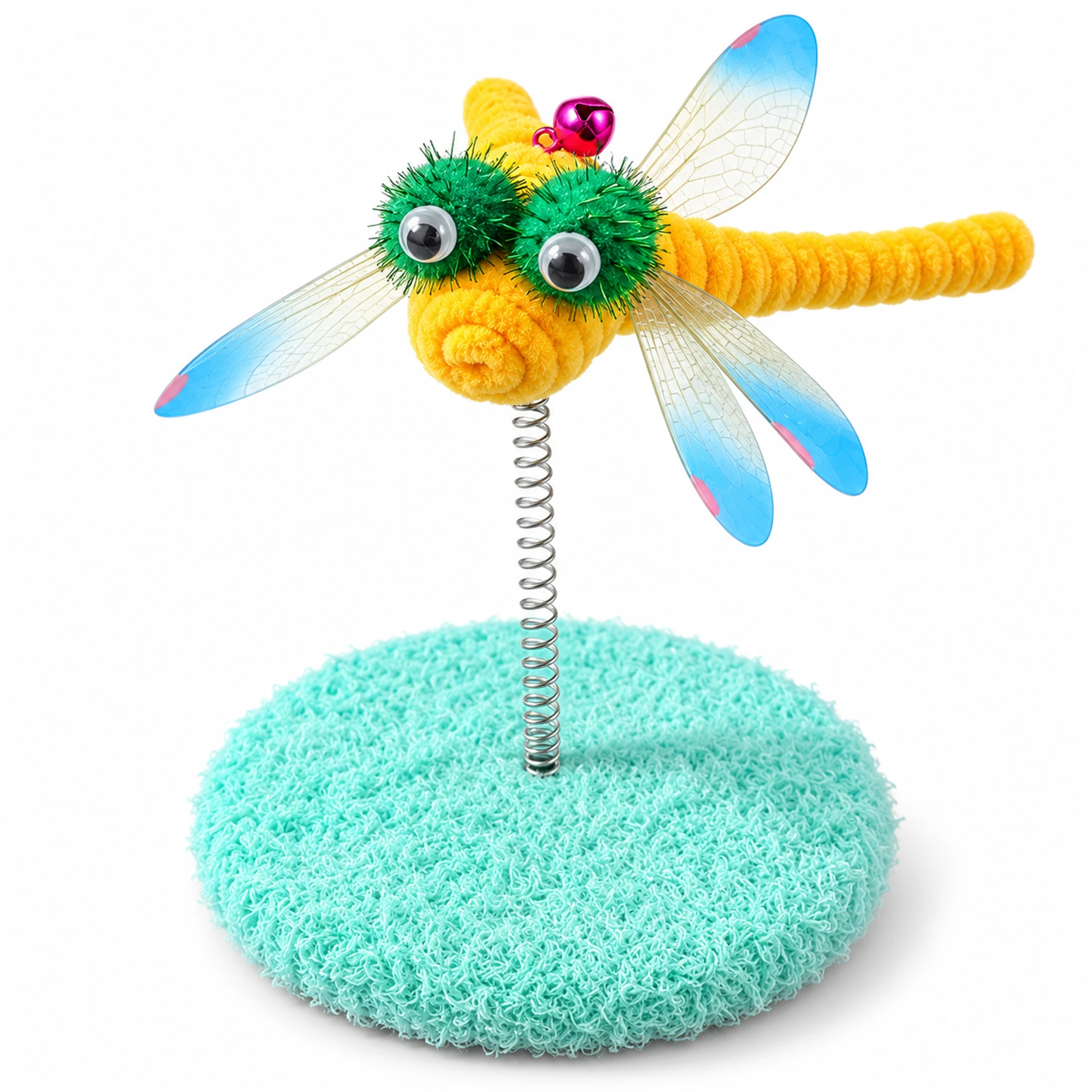
Dry brushing and vacuuming are recommended for wooden scratch and track toys to protect the solid wood frame and woven fibers from moisture damage. Follow these material-safe routines:
- Stiff Bristle Brushing: Stroke a firm nylon scrub brush firmly over sisal pads and carved timber grooves to sweep out trapped hair and loose rope strands.
- Deep Suction Vacuuming: Run a strong vacuum nozzle over the wooden frame, lifting out fine dust particles from corner joints and rope grooves.
- Natural Odor Deodorizing: If a sisal scratcher smells slightly stale, dust a light layer of plain baking soda across the fibers. Allow the mineral powder to absorb moisture for thirty minutes before vacuuming it out thoroughly.
- Minimal Spot Dabbing: When sticky food soils the wood, wipe the area with a microfiber cloth squeezed until almost dry. Buff the spot immediately with a dry cloth so no water soaks into the grain.
| Material Group | Recommended Cleaning Method | Safe Cleanser | Prohibited Practice |
|---|---|---|---|
| Hard Molded Plastic | Submersion and warm hand scrub | Unscented dish soap | Boiling water or high-heat dishwasher |
| Grooming Arches | Mechanical de-furring and bristle scrub | Diluted castile soap | Soaking wooden or fiberboard base |
| Solid Wood and Sisal | Dry brushing and narrow vacuum nozzle | Baking soda powder | Submerging in water or steam cleaning |
| Plush Fabric Kickers | Gentle hand wash in warm basin | Hypoallergenic laundry soap | Machine drying on high heat setting |
Washing Plush Kickers and Catnip Toys
Plush kickers and small fleece mice absorb generous amounts of saliva and face rubs. These soft textiles need gentle washing that cleans out saliva without clumping internal fiberfill or ruining aromatic herbs.
To wash plush cat toys without catnip:
- Submerge the toys in a basin of lukewarm water blended with a teaspoon of unscented, hypoallergenic laundry soap.
- Press the plush body gently to circulate soapy water through the batting, loosening dried saliva spots.
- Rinse under running tap water until every trace of suds disappears.
- Squeeze the toy firmly between dry bath towels to draw out excess dampness, then let it dry on a ventilated rack.
To clean toys containing catnip: Water destroys dried catnip by washing away fragrant nepetalactone oils and leaving the herb as a soggy, spoiled paste. Never soak an herb-filled plush toy in a sink. Instead, wipe the surface fabric with a damp washcloth to remove superficial dirt, let the exterior dry fully, and store the toy inside an airtight tin with fresh catnip leaves for two days to revitalize its aroma.
Toxic Cleaners to Never Use Around Cats
A cat system cannot process numerous synthetic chemicals commonly found in ordinary household cleaning cabinets. Protect your pets by keeping these hazardous ingredients far away from toys:
- Chlorine Bleach: Sodium hypochlorite burns feline mouth tissues, vocal cords, and paws. Even dry bleach residue creates caustic vapors when moistened by warm feline saliva during play.
- Essential Oils: Tea tree, eucalyptus, lemon, pine, and peppermint extracts are intensely poisonous to felines. Exposure through licking or paws can trigger severe tremors, hypothermia, and acute liver distress.
- Phenolic Disinfectants: Traditional amber disinfectant liquids contain synthetic phenols that build up inside feline internal organs, leading to toxic failure.
- Quaternary Ammonium Compounds: Common in commercial disinfectant wipes, these agents cause deep oral blisters, sudden fever, and heavy drooling if licked off wet toys.
Rely strictly on plain warm water, gentle fragrance-free dish soap, mild white vinegar, and pure baking soda. Thorough rinsing and complete air drying ensure reliable cleanliness without putting feline lives at risk.
Frequently Asked Questions About Cleaning Cat Toys
How often should you wash cat toys?
Wash smooth plastic track towers and self-grooming arches every two to three weeks. Soft plush kickers that receive heavy daily chewing benefit from a gentle wash every two weeks. If an animal in your house deals with digestive upset or fleas, wash all washable play items immediately to prevent reinfection.
Can you put cat toys in the washing machine?
Fabric kickers and small plush mice without internal electronic chirpers, batteries, or glued beads can go into the washer. Place them inside a zippered mesh laundry bag and choose a gentle cycle with cold water and mild fragrance-free detergent. Allow them to air dry on a rack, as high tumble dryer heat softens internal glues.
What disinfectant is safe for cats?
The most dependable cleaning solution for feline items is an equal mixture of warm water and distilled white vinegar, or veterinary-approved hydrogen peroxide sprays made specifically for pet environments. Always rinse cleaned items thoroughly with fresh water before returning them to your cat.