Laser pointers are not inherently dangerous when handled safely, but chasing an uncatchable beam of light interrupts the natural feline predatory sequence. Cats need physical contact with prey to resolve the intense physiological arousal that builds during a pursuit. Without a tangible object to grab and bite, many cats experience persistent frustration, pacing, and redirected stress.
Finishing laser play the right way requires transitioning the beam onto a physical toy that your cat can sink their claws into, followed by a protein-rich meal or treat. This simple habit completes the instinctive predatory loop, letting your cat settle into peaceful rest rather than restless searching.
Why Uncatchable Laser Dots Cause Predatory Frustration
Watching a cat dash across the living room rug after a tiny red circle looks like pure joy. Their pupils dilate, their hips wiggle, and their speed rivals an Olympic sprinter. Yet beneath that athletic excitement, a neurochemical engine is firing on all cylinders. Dopamine surges through the feline brain, driving relentless pursuit.
When real prey scurries across the floor, that chase ends in one of two ways. The mouse escapes into a hole, or the cat traps it beneath sharp claws. Both outcomes provide clear sensory closure. The hunt is over.
A laser pointer never provides closure. Instead of a clear finish, the red point simply blinks out of existence, moves up a wall where paws cannot follow, or slips beneath a solid couch. Your cat stands frozen with twitching whiskers, searching the carpet for an invisible target. That surging dopamine rush has nowhere to go, leaving the nervous system charged with unused predatory energy. Unresolved chases frequently lead to laser pointer cat frustration when the hunt ends without physical prey. Over time, repeated sessions without closure turn active fun into chronic agitation.
The Feline Hunting Loop: Stalk, Chase, Pounce, and Catch
Feline predatory behavior follows a rigid motor pattern that evolved over millions of years of solitary hunting. Understanding the natural predatory sequence cats inherit helps explain why tactile closure matters so much. Biologists identify four essential phases in every hunt:
- Stalk: The cat crouches low to the floor, assesses distance, pins their ears, and measures trajectory.
- Chase: A sudden burst of acceleration pushes the cat forward as they track movement with sharp binocular vision.
- Pounce: Front paws strike forward to pin the target against the ground.
- Catch and Kill: Claws flex inward, teeth deliver a neck bite, and the prey stops moving.
Laser pointers simulate the stalk and chase phases brilliantly. However, they completely eliminate the pounce and catch phases. Claws pass straight through the photons. Paws feel only cool hardwood or synthetic carpet fibers.
Without tactile resistance, the brain does not receive the sensory feedback that shuts down the hunting drive. A cat needs to feel weight, texture, and resistance against their paw pads to signal that the objective has been achieved.
Signs Your Cat Is Becoming Frustrated by the Red Dot
Not every cat reacts to laser play in the exact same manner. Some casual players walk away when bored, while high-drive cats become visibly distressed. Recognizing the warning signs helps you intervene before bad habits take root:
- Obsessive searching: The cat continues staring at the floor, wall, or your hand long after the pointer has been switched off.
- Tail lashing and skin twitching: The tail whips stiffly from side to side, and the skin along the spine ripples with muscular tension.
- Fixation on reflections: The cat begins stalking random reflections from watch faces, phones, or sunbeams hitting glassware.
- Redirected aggression: The cat suddenly swats at a companion pet, bites ankles, or attacks sofa cushions immediately after the laser disappears.
- Vocal agitation: Low growling, sharp chirping, or distressed meowing while pacing the perimeter of the room.
If your cat exhibits any of these behaviors, you do not necessarily have to throw the laser away. You simply need to change how the game ends.
How to Finish Laser Pointer Play the Right Way
Learning how to finish laser pointer play the right way requires patience and deliberate choreography. Rather than flicking the switch off mid-sprint, guide your cat through a three-step landing sequence.
Begin by slowing the laser down during the final two minutes. Instead of darting erratic five-foot circles across the room, mimic the slow, tiring movements of injured prey. Move the dot in short, creeping hops that stay low to the floor.
Next, lead the light toward a pre-positioned tactile toy. As your cat coils for the final leap, center the beam directly on the surface of the toy. When the cat strikes, turn the laser off the instant their front paws make physical contact. The cat now perceives that their claws successfully captured the elusive prey.
Finally, allow several minutes of tactile wrestling before introducing food. This three-stage wind-down resolves nervous tension and returns the heart rate to baseline.
Landing the Beam on Tangible Plush Prey
Plush toys make outstanding landing targets because their fabric gives claws something satisfying to grip. A motionless plush toy can sometimes feel anticlimactic after a fast pursuit, so motion-activated items provide an ideal sensory bridge.
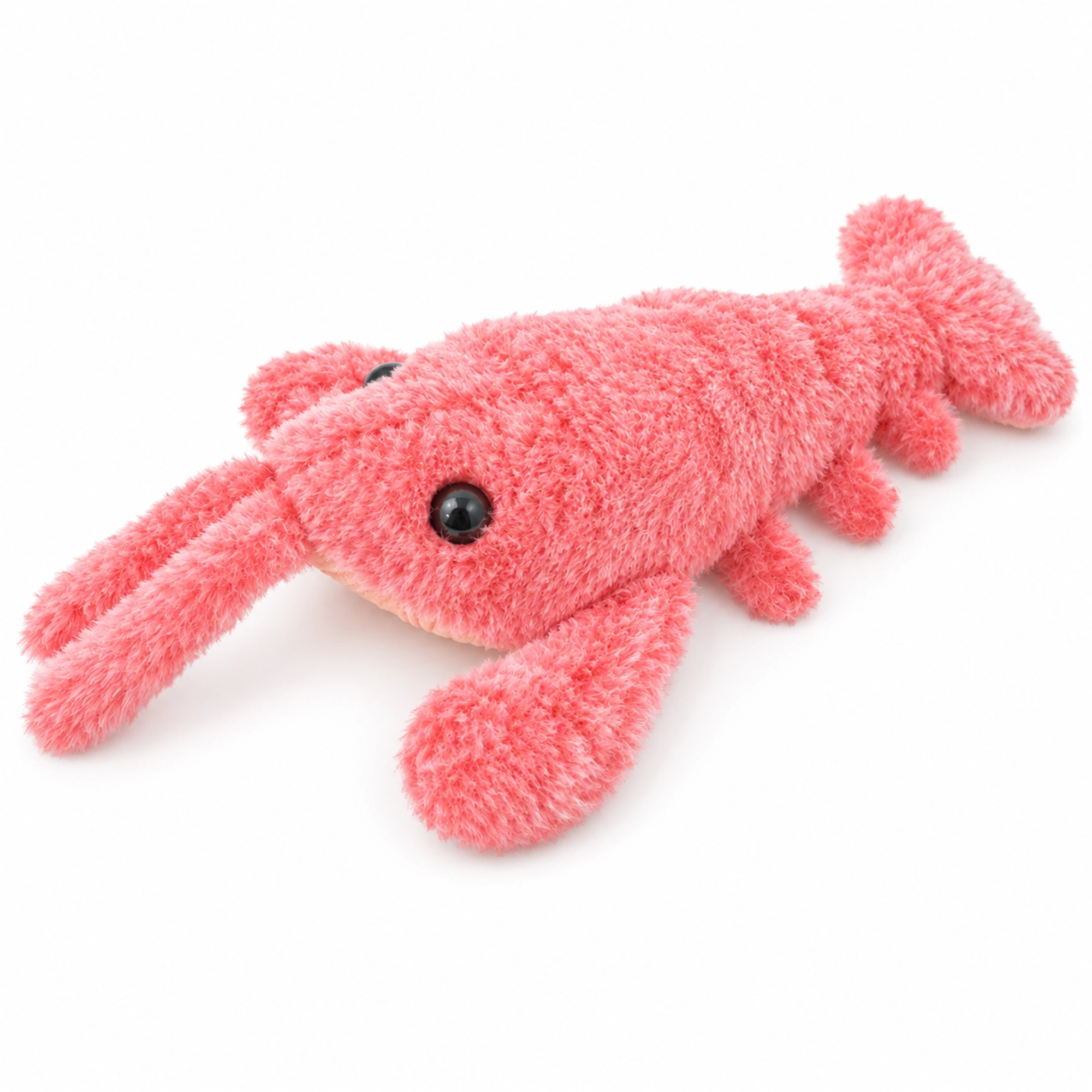
One effective option is the Pink Wiggle and Chase Lobster. Tap this pink plush lobster to start a playful tail wiggle, with access to its USB rechargeable module through the peach corduroy belly.
When you steer the red beam directly onto the lobster, your cat pounces on both the light and the plush fabric. The impact of the paws activates the moving tail mechanism, making the toy react like real prey struggling beneath their grasp. The cat experiences authentic physical resistance, audible movement, and soft texture, satisfying the grab-and-bite drive instantly.
Switching to Mechanical Wands for the Final Pounce
Some cats possess intense aerial hunting drives that crave airborne targets rather than ground-based plushies. For these athletic hunters, transitioning from a laser dot to a dynamic feather or pom wand works wonders.
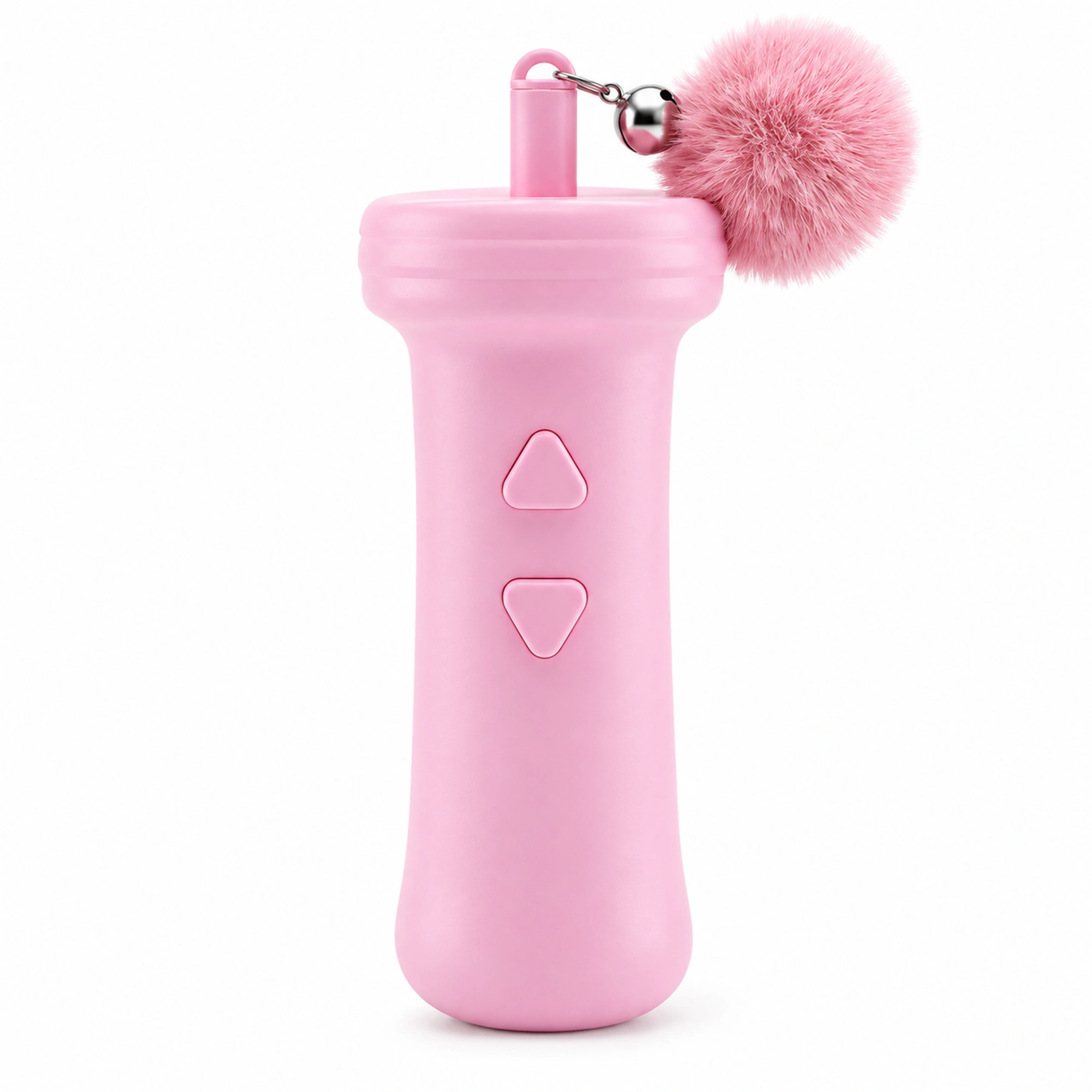
The Pink Launch and Reel Cat Teaser offers a practical mechanical solution for this handover. The handheld pink teaser triggers a launch and brings the lure back with retract control.
As the laser session winds down, pull the red dot toward your feet and switch it off while simultaneously launching the teaser pom across the carpet. Your cat shifts their visual focus from the vanishing beam to the physical flying pom lure. When they pounce, the tension on the line and the soft pom body give them an authentic physical capture that laser beams can never provide.
Rewarding the Catch: Post-Play Food and Calm
In the wild, a successful predatory sequence ends with eating. Capturing prey is always followed by consuming nutrients, which triggers metabolic changes that promote relaxation.
Once your cat has thoroughly pounced, kicked, and chewed on their tactile toy for a couple of minutes, offer a small meal or a few high-protein treats. Licking and chewing release calming serotonin in the feline brain.
After eating, most cats immediately begin grooming their face and paws before curling up for a long nap. This natural cycle of hunt, catch, eat, groom, and sleep transforms what could have been a frantic, frustrating laser session into a deeply satisfying enrichment ritual.
Essential Laser Safety Rules for Indoor Cats
Following practical boundaries keeps cat laser toys safe for daily enrichment while protecting vision and joints. Keep these safety principles in mind during every session:
- Never shine the beam near eyes: Even low-power pet lasers can cause retinal damage if aimed directly into feline or human eyes. Keep the dot focused strictly on horizontal floors and low baseboards.
- Avoid high vertical wall climbs: Directing the dot six feet up a wall invites cats to leap onto hard flooring, risking sprained wrists, bruised paw pads, and hip strain.
- Cap sessions at ten minutes: Cats are sprint hunters, not endurance runners. Short, five to ten-minute play intervals protect cardiovascular health and prevent overheating.
- Supervise all follow-up toys: Always inspect plush and mechanical toys for loose stitching or detached components before leaving them with your pet.
Frequently Asked Questions
Can laser pointers make cats aggressive or obsessive?
Yes, unmanaged laser play can provoke obsessive tracking and redirected aggression in high-drive cats. When cats sprint repeatedly after a target they can never catch, unreleased predatory energy accumulates. Finishing play by landing the beam on a real toy and providing a treat resolves this frustration.
How long should a cat laser play session last?
Laser sessions should last between five and ten minutes. Because cats exert maximal physical effort during laser pursuits, longer sessions cause physical exhaustion and mental overstimulation. Keep chases brief, gradual, and always conclude with a tactile reward.
What is the best toy to transition to after a laser pointer?
The best transition toys are soft plush items with moving parts or interactive wand lures. Toys like the Pink Wiggle and Chase Lobster provide immediate motion feedback when pounced on, while mechanical wands allow cats to snatch physical pom lures out of the air.