Aging felines experience predictable shifts in physical stamina, joint comfort, and sensory sharpness, yet their hunting instinct persists. When an older cat stops batting at feathers or walks away from dangling wands, pet guardians frequently assume the animal has lost interest in play. Mature cats still require mental enrichment and gentle movement to maintain joint lubrication, prevent boredom, and preserve cognitive function. High-speed chases and vertical jumps across the living room place excessive strain on stiff joints, but low-impact alternatives allow older cats to hunt comfortably from a seated or resting posture.
Choosing appropriate toys for older cats starts with understanding their physical boundaries. By replacing concussive leaping games with ergonomic ground-level play, you can prevent joint irritation and keep your aging companion active.
Why Senior Cats Stop Playing: Mobility, Arthritis, and Sensory Shifts
A decline in playtime is common as cats reach ten to twelve years of age. Understanding the root causes behind this transition helps you adapt the home environment effectively.
Joint Stiffness and Feline Osteoarthritis
Feline osteoarthritis affects a large proportion of senior cats, creating chronic soreness in the hips, knees, and lower spine. Jumping down from tall scratching posts or skidding across hardwood floors after a runaway ball causes immediate joint pain. An older cat that associates movement with discomfort will hesitate before approaching toys.
Sensory Dulling and Energy Conservation
Older cats experience gradual reductions in visual acuity, hearing, and scent detection. Fast-moving toys that dart out of sight can cause confusion rather than excitement. Older cats also budget their daily energy carefully, favoring brief moments of deliberate pawing over long physical workouts.
When Disinterest Signals Pain
Veterinary guidance highlights that persistent lack of play interest in older cats may indicate underlying pain, illness, or stress, recommending a veterinary examination alongside adapted low-impact enrichment. If your cat suddenly stops moving, shows uncharacteristic aggression, or retreats into hiding when toys appear, consult your veterinarian to evaluate joint health and rule out systemic medical issues before introducing new toys.
The Importance of Gentle Mental Stimulation for Aging Felines
Stepping back from intense jumping does not mean an older cat should spend entire days sleeping without stimulation. Lack of enrichment creates distinct behavioral and cognitive risks for aging pets.
Preventing Feline Boredom and Cognitive Dysfunction
Senior cat owners report that aging felines often suffer from under-stimulation, and captive multi-tier ball toys provide accessible, rewarding play without exhausting chases. Without mental problems to solve, older indoor cats risk developing apathy, pacing habits, or feline cognitive dysfunction syndrome. Gentle play releases dopamine and keeps neural pathways active.
Low-Impact Movement Supports Joint Health
Prolonged immobility accelerates muscle loss and worsens joint stiffness. Controlled batting allows older cats to flex their paws, stretch shoulder tendons, and improve circulation without placing heavy body weight on painful limbs.
For an in-depth breakdown of how feline predatory drive changes with age, see our practical guide on why does my cat ignore toys to troubleshoot play signals.
Low-Profile Floor Track Toys: Safe Independent Play Without Jumping
The most suitable toy for an arthritic cat keeps all motion near the ground. Low-profile track boards eliminate the frustration of rolling balls under heavy furniture where older cats cannot retrieve them.
Ergonomic Ground-Level Design
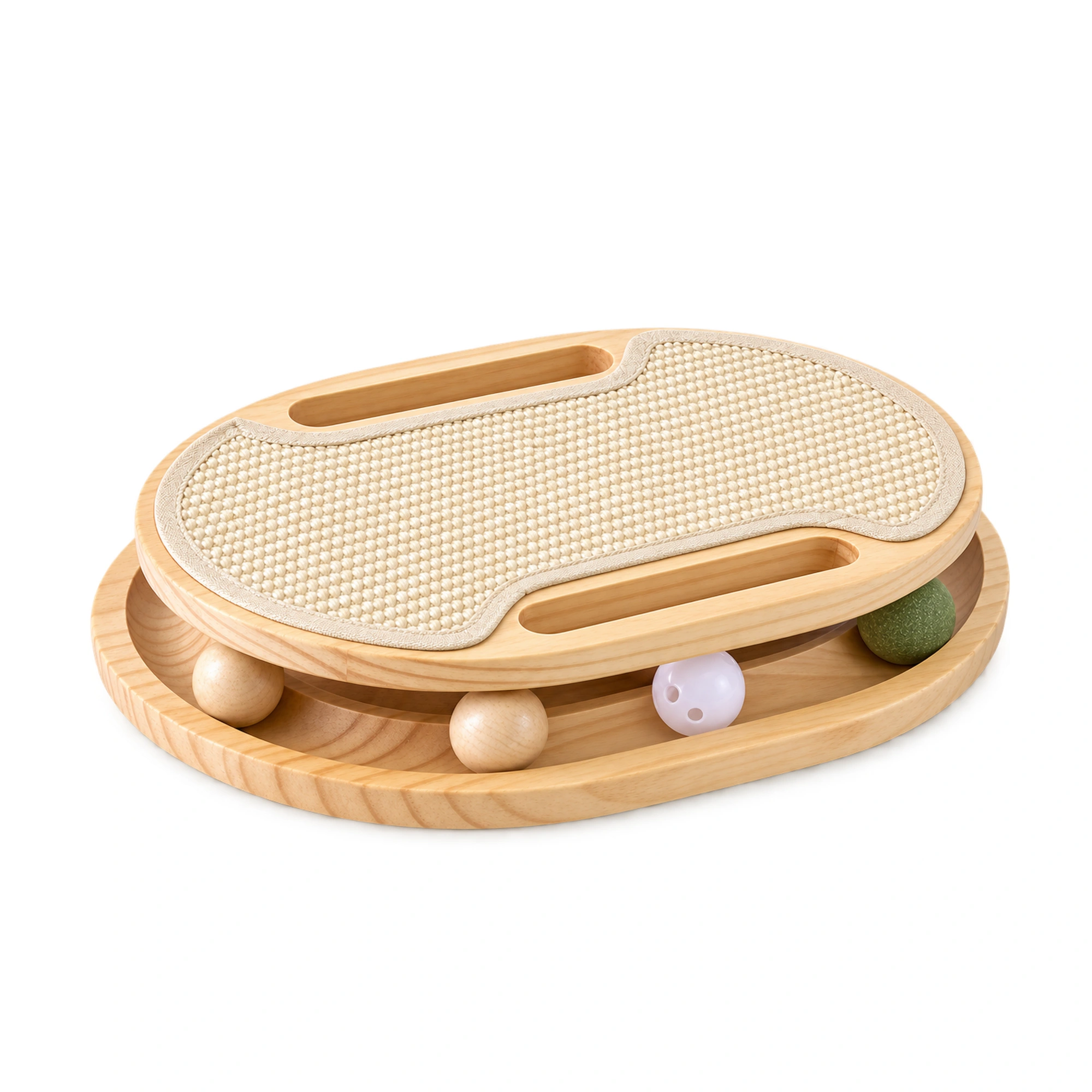
The Sisal Island Dual-Track Play Board features a low-profile oval wooden base with two ball tracks, top access slots, and a woven sisal scratching mat. Because the entire unit rests flat on the floor, your cat can bat at the captive balls while lying down or resting in a loaf position.
| Feature | Design Specification | Senior Cat Benefit |
|---|---|---|
| Base Profile | Low-profile solid oval wooden base | Allows comfortable batting while sitting or lying down |
| Tracking System | Dual concentric tracks with top slots | Keeps balls captive so cats never have to chase them under furniture |
| Center Inset | Natural woven sisal scratching mat | Permits gentle horizontal claw conditioning without vertical spine strain |
| Motion Dynamic | Smooth wooden captive rolling balls | Predictable kinetic movement that accommodates slower visual tracking |
Horizontal Scratching Comfort
Vertical scratchers require senior cats to support their body weight on weak hind legs while extending their spine. The woven sisal insert on the Sisal Island board offers horizontal resistance, permitting satisfying scratching without spinal compression.
Captive Multi-Tier Track Towers: Accessible Hunting from a Rested Posture
When older cats desire multi-sensory stimulation, tiered track towers provide varied heights without requiring vertical jumps.
Multi-Sensory Engagement Without Exertion
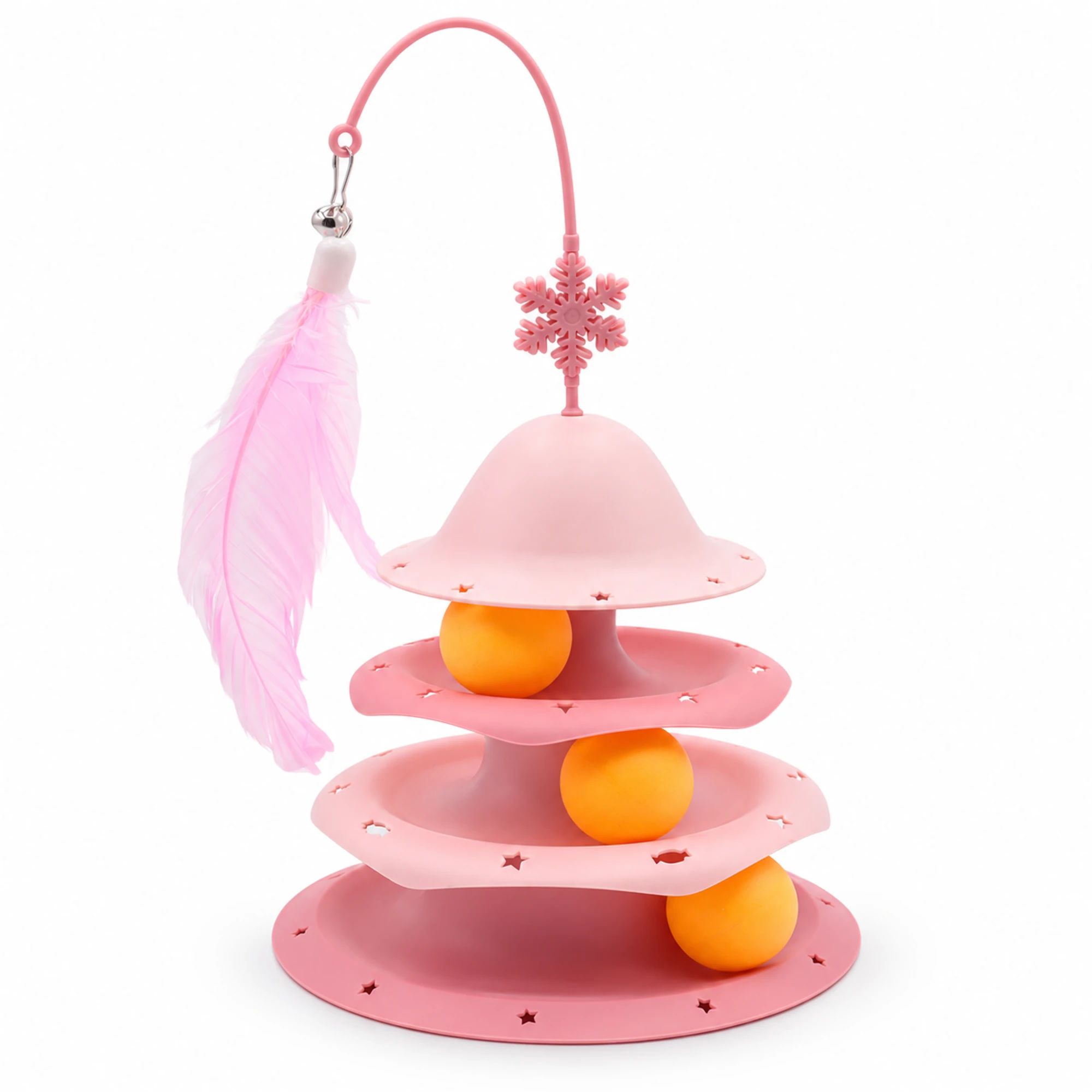
The Snowflake Triple-Track & Feather Toy features three open tiers each carrying an orange ball, a pink snowflake spinner, and a dangling feather and bell attachment. High-contrast orange balls roll along open tracks, making them easy for aging eyes to follow in normal room light.
The subtle bell chime and feather provide auditory and tactile feedback that rekindles predatory interest without demanding rapid sprinting. Cats can sit beside the tower and swat balls across all three levels with modest paw extension.
When evaluating interactive cat toys for older cats, prioritize predictable ground-level motion over erratic bouncing. Compare different interactive toy designs in our comprehensive review of the best interactive cat toys for indoor cats.
Breed-Specific Play Adjustments for Mature Cats
Different cat breeds develop distinct physical traits and orthopedic vulnerabilities as they age, requiring thoughtful toy adaptations.
Large and Heavy-Boned Breeds
Breeds such as Maine Coons, Ragdolls, Siberians, and Norwegian Forest Cats carry substantial adult body weight, often ranging between 15 and 25 pounds. In their mature years, this mass places elevated mechanical strain on their hips, stifles, and spine. When selecting toys for large senior cats, prioritize units with substantial base ballast. Lightweight plastic tracks easily slide or flip when struck by a heavy paw, causing frustration. The solid wooden construction of the Sisal Island board provides dependable stability, staying grounded on the floor without sliding during enthusiastic swatting.
Brachycephalic and Short-Muzzled Breeds
Persians, Exotic Shorthairs, and British Shorthairs possess shortened facial bones that alter visual focus and whisker orientation. Deep or narrow toy openings force these cats to compress their sensitive facial whiskers against rigid plastic rims, leading to sensory irritation. Wide, open top slots on wooden track boards allow brachycephalic seniors to bat freely at rolling balls without whisker contact, making exploratory play relaxing and rewarding.
Vocal and Highly Cognitive Breeds
Siamese, Orientals, Abyssinians, and Bengals are celebrated for high intelligence and persistent curiosity. Even when osteoarthritis limits their leaping ability, their minds remain restless. When under-stimulated, older cats of these breeds frequently pace and vocalize. Multi-sensory items such as the Snowflake Triple-Track tower fulfill this cognitive need by combining tactile feather swats, visual ball momentum, and gentle auditory chime feedback, keeping inquisitive minds sharp without demanding strenuous physical exertion.
Play Duration and Pacing Recommendations by Age Stage
Managing playtime according to your cat’s specific chronological stage prevents physical overexertion while sustaining interest.
Mature Adults (Ages 7 to 10)
Cats in their early mature years frequently seem as agile as younger adults, yet subtle cellular changes in articular cartilage are already occurring. At this stage, schedule two structured 8-minute interactive sessions daily. Introduce low-profile track toys alongside controlled floor-level wand movements, stopping before the cat shows heavy panting or resting lethargy.
Established Seniors (Ages 11 to 14)
At this life stage, radiographic signs of feline arthritis are present in the majority of cats. Divide daily play into three brief 4-minute sessions. Always position toys directly in the cat’s resting area on a carpeted surface so they do not need to walk across slippery tiles to reach the toy. Let the cat dictate the tempo, allowing pauses between swats.
Geriatric Companions (Ages 15 and Beyond)
Geriatric felines often spend up to 18 hours asleep and possess reduced sensory sharpness. For these beloved elders, practice micro-sessions of 2 to 3 minutes once or twice daily. Sit beside your cat on the floor and gently tap a wooden ball so the click alerts their ears and eyes. Accept even subtle nose nudges or slow single-paw taps as complete, successful hunting bouts.
Critical Safety Checklist for Older Cat Toys
Older cats have unique physical vulnerabilities that require vigilant toy maintenance and careful play environment setup:
- Non-Slip Ground Surfaces: Always position floor toys on textured rugs, yoga mats, or pet orthopedic cushions. Hardwood, laminate, and tile offer little traction, causing stiff paws to slip awkwardly and aggravating sore joints.
- Generous Slot Clearances: Senior cat claws frequently become thick, brittle, and slow to retract. Ensure all track openings have smooth, rounded edges and measure at least 2.5 centimeters across so claws never get caught during a swat.
- Absence of Ingestible Cords: Avoid dangling strings, elastic bands, or small plastic bells that can detach under gentle chewing. Senior felines with cognitive decline or periodontal tenderness may chew foreign materials, creating gastrointestinal blockage hazards.
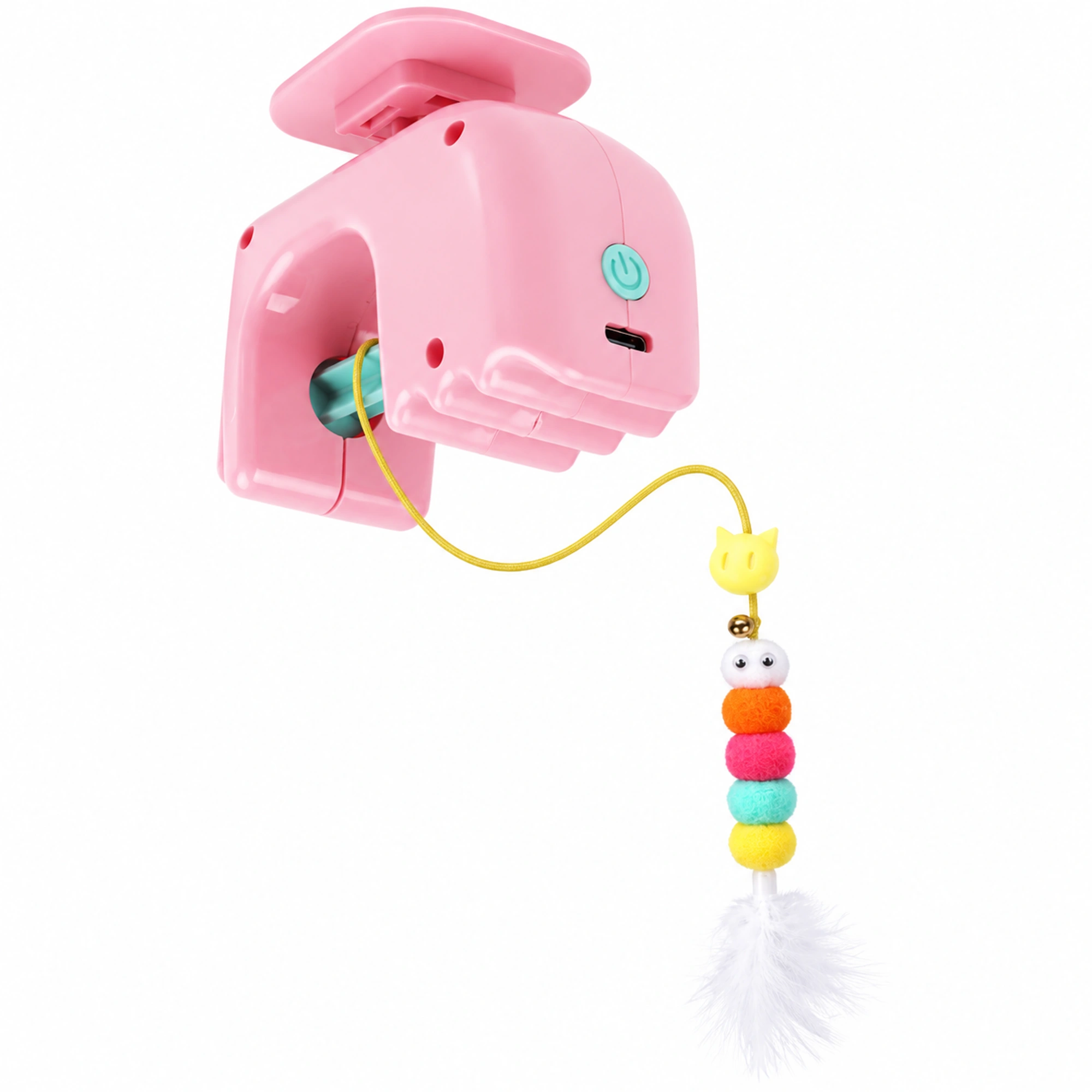
- Predictable Kinetic Motion: Avoid battery-powered motorized toys that dart erratically or emit loud mechanical motor hums. Aging cats startled by unexpected mechanical lunges can twist their back or experience anxiety instead of play enjoyment.
How to Adapt Daily Play Sessions for Older Indoor Cats
Introducing new toys to an aging feline requires patience and a structured routine. Follow these practical steps to build an engaging, pain-free daily habit:
- Establish Ground-Level Play Zones: Place track toys on non-slip rugs or yoga mats. Slick hardwood and polished tile cause slipping, which increases joint tension in older pets.
- Warm Up with Gentle Scent Markers: Rub a pinch of catnip or silvervine onto the wooden rims or sisal mat to attract curiosity before play starts.
- Keep Sessions Brief and Frequent: Limit interactive sessions to three to five minutes twice daily. Short intervals prevent muscle exhaustion while providing steady mental stimulation.
- Encourage Resting Swats: Avoid urging your cat to stand up or chase. Let them bat at captive balls from whatever resting posture feels most comfortable.
- Conclude with a Digestible Reward: Finish each session with gentle affection and an easily chewed treat to give your senior hunter a satisfying sense of predatory completion.
Frequently Asked Questions About Senior Cat Toys
Do senior cats still need toys and playtime?
Yes. While senior cats sleep longer, mental stimulation and gentle physical movement preserve joint lubrication, muscle tone, and cognitive vitality. Low-impact play prevents chronic boredom and cognitive dysfunction.
What types of toys are safest for arthritic cats?
Low-profile floor track toys and captive multi-tier ball towers are safest. Because balls cannot roll under furniture, senior cats do not need to crouch into painful angles or leap across rooms. Sisal scratching mats also allow gentle stretching without vertical strain.
How do I know if my older cat is in pain during play?
Signs of discomfort include hesitation before stepping, vocalizing during movement, reluctance to extend paws, sudden irritability, or abandoning play after a single bat. If a cat shows persistent disinterest or signs of pain, schedule a veterinary examination rather than pushing them to play.