title: “Are Dog Puzzle Toys Worth It? Cost, Durability, and Real-World Value Guide” meta_title: “Are Dog Puzzle Toys Worth It? Cost, Durability, and Value Guide” description: “Are dog puzzle toys worth $15 to $30? Compare canine enrichment costs, DIY alternatives, slow feeder benefits, and high-ROI breeds before buying.” meta_description: “Are dog puzzle toys worth $15 to $30? Compare canine enrichment costs, DIY alternatives, slow feeder benefits, and high-ROI breeds before buying.” slug: “are-dog-puzzle-toys-worth-it” primary_keyword: “are dog puzzle toys worth it” pubDate: 2026-10-27 updatedDate: 2026-10-27 hero: “/img/1688/products/1007397910332-orange/01-hero.webp” heroAlt: “Orange Turn Slide & Lift Treat Puzzle and Yellow Pineapple Roll & Treat Toy” products:
- “orange-turn-slide-lift-treat-puzzle”
- “yellow-pineapple-roll-treat” writing_run_id: “584767a5-73ce-4aef-9f5a-24c13891d36f” export_id: “cfce65df-e45c-4f37-8199-d2f313c8cf4f” review_run_id: “dfb7b9be-248c-487d-a303-741b87f8f33d” independent_review_verdict: “可交稿” human_review_status: “not_reviewed” publication_approved: false
Are Dog Puzzle Toys Worth It? Cost, Durability, and Real-World Value Guide
Step into any modern pet specialty store or scroll through social pet feeds, and you encounter arrays of intricate canine brain games. Bright sliding tiles, rotating discs, weighted levers, and rolling food spheres promise to soothe home-alone boredom while redirecting nervous chew habits.
With retail prices spanning fifteen to forty-five dollars, pet guardians understandably question whether these contraptions deliver tangible behavioral returns or simply become chewed plastic collecting dust in a bin.
The short answer: dog puzzle toys are worth every penny for specific canine profiles and daily management challenges, but they can be a frustrating waste of cash for others. Determining whether they are worth the money comes down to evaluating durability, your dog’s temperament, and how you integrate mental enrichment into everyday feeding routines.
The Financial Math: Puzzles vs. Everyday Enrichment Options
To decide if a commercial puzzle makes financial sense, compare its upfront cost and lifespan against common alternatives:
| Enrichment Method | Typical Cost | Setup Time | Lifespan / Durability | Best For |
|---|---|---|---|---|
| Commercial Board Puzzle | $15 to $35 | 1 minute | Multi-year under supervision | High-energy breeds, bad weather mental workouts |
| Rolling Treat Dispenser | $12 to $22 | 30 seconds | Highly resilient to falls and kicks | Active foragers, dogs who prefer paw movement |
| Maze Slow Feeder Bowl | $8 to $16 | Instant | Multi-year durable plastic or ceramic | Fast eaters prone to bloat and regurgitation |
| Cardboard Box & Towel DIY | Free ($0) | 3 to 5 minutes | Single-use shredding | Occasional rainy day distraction, shredder dogs |
Free DIY games, such as rolling kibble inside an old bath towel or hiding treats inside egg cartons, deliver fantastic scent stimulation without costing a dime. However, cleanup can be tedious when paper strips litter the living room floor, and determined dogs can ingest cardboard fragments. A commercial feeder provides reusable, wash-and-go convenience for busy households.
When Dog Puzzle Toys Deliver High Return on Investment
For thousands of canine households, puzzle feeders pay for themselves within the first two weeks. Here are the four scenarios where the investment delivers maximum value:
1. Working Breeds and High-Drive Dogs
Breeds like Australian Shepherds, Border Collies, Belgian Malinois, and hunting terriers require intense mental focus. Physical exercise alone rarely tires them out; running five miles often just builds greater cardiovascular stamina. Twenty minutes of concentrated olfactory and mechanical problem-solving burns mental energy efficiently, helping working dogs settle into calm naps during the workday.
2. Bad Weather and Winter Cabin Fever
During heat waves, thunderstorms, blizzards, or smoky wildfire season, outdoor walks are drastically shortened or cancelled. Puzzles provide vital indoor stimulation that prevents boredom-induced pacing, nuisance barking, and window reactivity when dogs cannot burn energy outside.
3. Post-Surgery Recovery and Crate Rest
Dogs recovering from orthopedic surgeries, spays, neuters, or heartworm treatments face strict physical restriction for weeks. Keeping an energetic dog calm while stitches heal is one of the hardest challenges pet parents face. Low-impact cognitive puzzles keep canine minds occupied without risking sudden jumps or tendon strain.
4. Fast Gulpers and Bloat Prevention
Dogs that inhale a full bowl of dry kibble in thirty seconds run elevated risks of aerophagia, gas discomfort, regurgitation, and life-threatening gastric dilatation-volvulus (bloat). Using a puzzle board or rolling dispenser turns dinner into a structured twenty-minute search, promoting healthy digestive pacing.
When Puzzles Are a Bad Investment (Negative ROI)
Not every dog thrives on interactive puzzles. Spending $25 on a plastic game can be a total dud under three distinct conditions:
1. The Brute Force Destructor
If your dog does not inspect moving parts with a curious nose but immediately clamps their molars onto plastic drawer knobs to rip them off, commercial sliding boards pose safety hazards. Fragile plastic latches can break, creating sharp edges and choking risks. For these dogs, flexible natural rubber toys or dense silicone dispensers offer much better durability.
2. High Frustration and Timid Avoidance
Some rescue dogs or sensitive personalities shut down when faced with complex multi-step barriers. If sliding a tile takes too much effort, they walk away or whine with acute anxiety. Puzzles should build confidence, not create learned helplessness. Starting too hard makes the toy feel like a locked punishment rather than a rewarding game.
3. Dogs Left Unsupervised
Puzzle boards are active training tools, not self-babysitting chew toys. Owners who fill a puzzle, leave for an eight-hour office shift, and return to discover chewed plastic sliders have misunderstood the toy’s intended design.
Consumer Realities from the Dog Community
Discussions across pet owner forums reflect the real balance between price and engagement. As one owner shared in an online dog discussion thread:
“There are so many different options at different difficulty levels, it’s hard to know where to begin! And because a lot of them aren’t exactly cheap, it’d be great to either get some recommendations or hear which ones were duds.”
Another owner noted a common pattern that pet parents often encounter:
“My dog gets super excited about puzzle toys for the first few days, then completely ignores them. I’m not sure if he’s getting bored or just figuring them out too fast. Do you rotate yours, or have any that actually hold attention longer? Curious what’s worked for others.”
This novelty fade is why toy mechanics and structured rotation matter so much when calculating long-term value.
Comparing Enrichment Mechanics: Rigid Boards vs. Rolling Dispensers
To ensure you buy the right design for your pet’s foraging habits, compare these two proven approaches from the JoyPetPlay collection:
Composite Multi-Step Board Puzzles
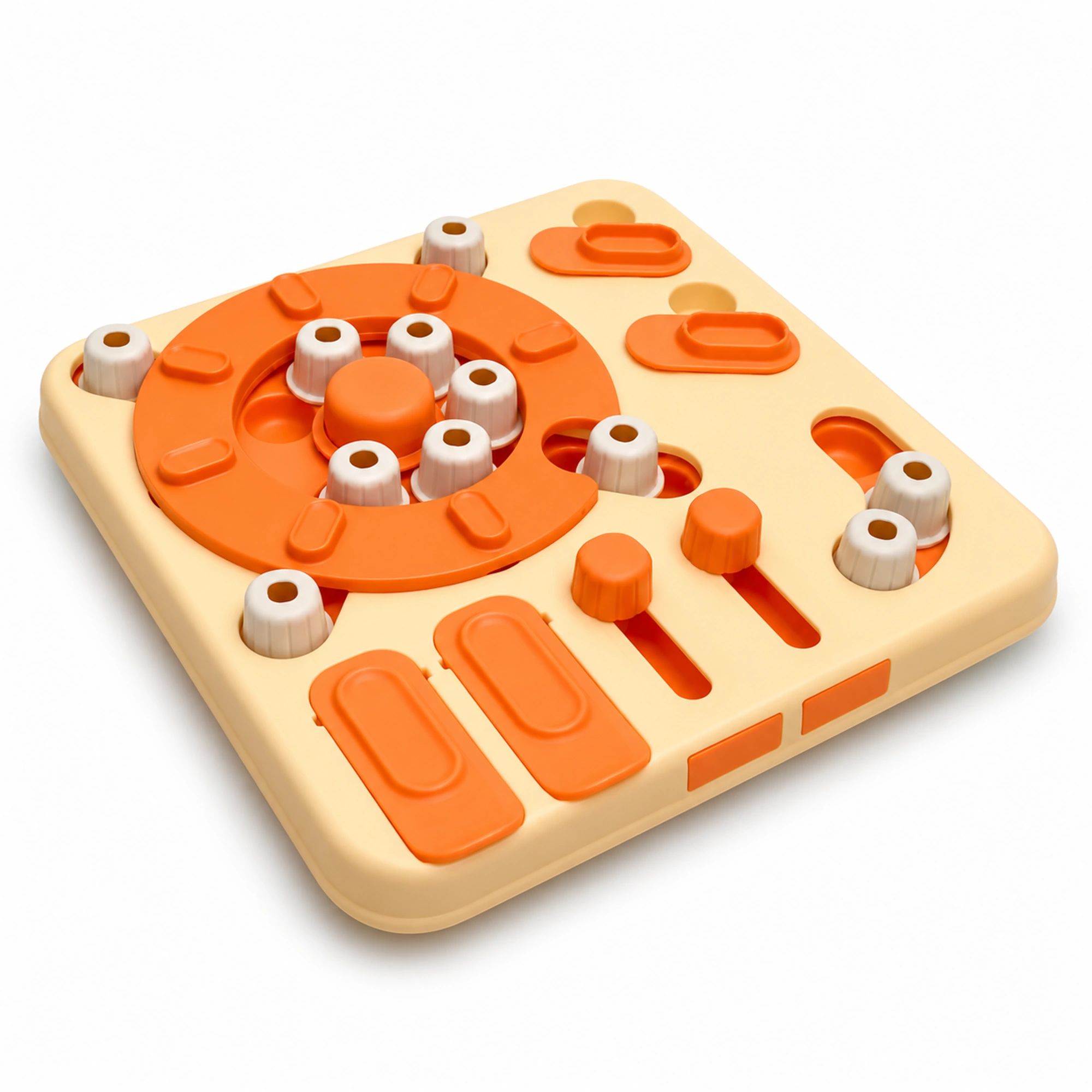
The Orange Turn, Slide & Lift Treat Puzzle features structured mental sequencing across multiple access points. According to the official product catalog:
Explore a rotating ring, sliding drawer handles, hinged lift-up covers and swivelling oval covers on one square treat puzzle. Hide a few small dry treats and let your dog try the next move during supervised play.
This layout works best for cerebral dogs who enjoy methodical nudging with their nose or gentle paw pats. Because it contains moving compartments, always supervise sessions and store the board out of reach once every pocket is emptied.
Impact-Resistant Rolling Dispensers
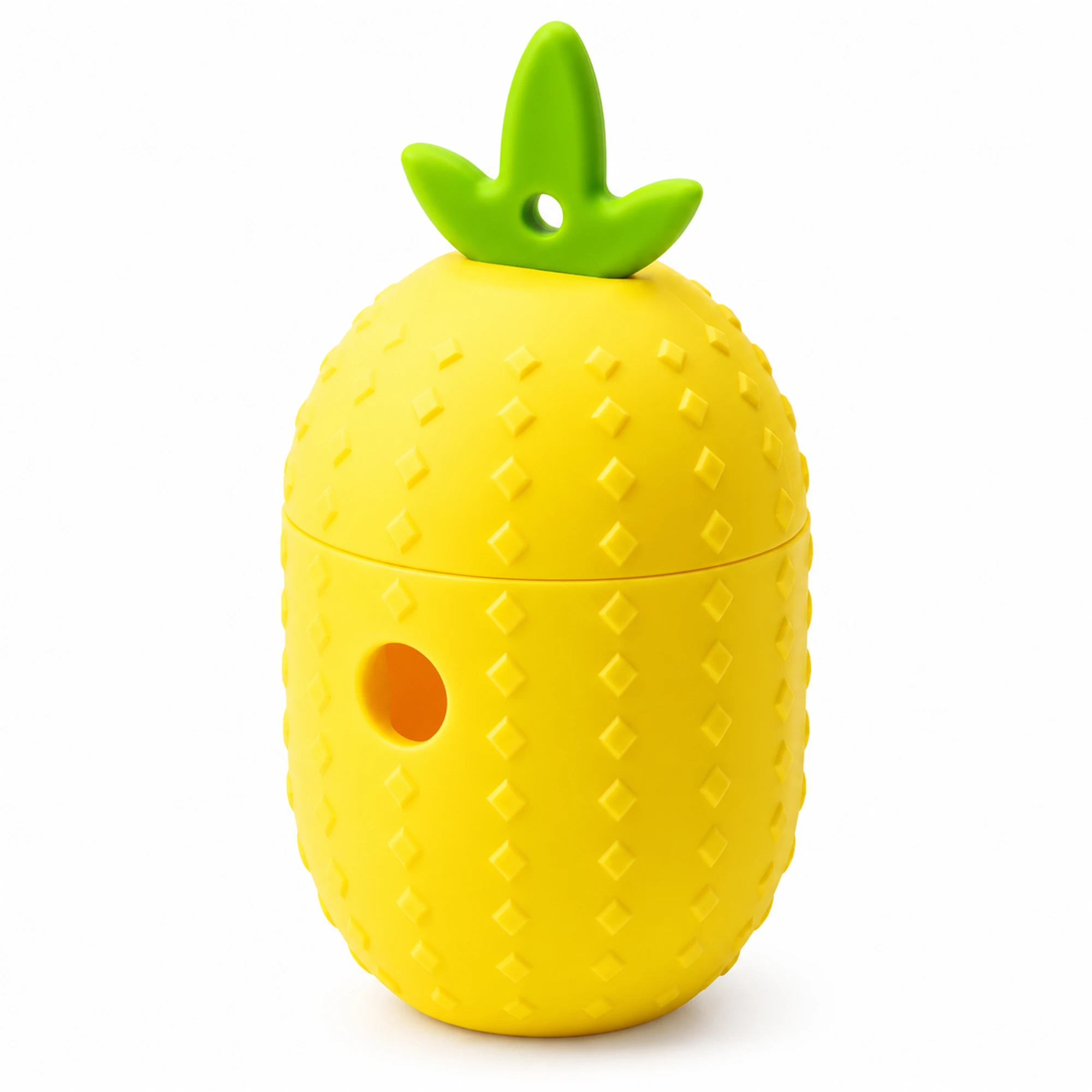
For dogs that prefer physical movement, kicking, or chasing, a rolling design provides active fun without fragile mechanical parts. The Yellow Pineapple Roll & Treat Toy provides durable foraging. As specified in the merchant catalog:
Open the pineapple at its middle join to add treats, close it, then let your dog nudge and roll it to release food through the side opening. The bright yellow silicone body has raised diamond bumps and a green leafy crown. Treats are not included.
Because silicone bounces quietly on hardwood floors and withstands accidental stomps, rolling dispensers offer exceptional durability for active younger dogs and exuberant puppies.
The Mealtime Maximizer: How to Double Your Toy’s Value
The single biggest mistake pet owners make is treating puzzle toys as occasional bonus dispensers filled with expensive, high-calorie commercial treats. Doing this inflates your monthly pet budget and risks unhealthy weight gain.
Instead, implement the Mealtime Maximizer Rule: feed your dog’s regular daily kibble allotment exclusively through puzzles, slow feeders, and training games.
Consider the math:
- An average adult dog eats two meals per day, translating to 730 meals annually.
- If standard bowl feeding consumes 45 seconds per meal, your dog spends only 15 minutes eating per week.
- Shifting those 730 meals into interactive feeders transforms mealtime into 20 to 30 minutes of daily mental engagement (over 180 hours of brain exercise every year).
- Because you use kibble you already purchased, the cost per enrichment session drops to literally pennies.
By replacing the traditional stainless steel food bowl with structured interactive toys, you eliminate supplemental treat expenses while delivering consistent daily mental workouts.
How to Choose the Right Difficulty Level
To prevent your purchase from becoming an abandoned dud, follow this progression ladder:
Level 1: Flat Mazes and Clear Dispensers
Single-action puzzles where moving a single slider or nudging a rolling ball immediately drops food. Perfect for puppies, seniors, and puzzle novices learning cause-and-effect.
Level 2: Sequential Composite Puzzles
Toys requiring sequential actions, such as rotating a center ring before an outer sliding drawer can pull out. The Orange Turn, Slide & Lift Treat Puzzle fits this category, challenging intermediate foragers to think ahead.
Level 3: Multi-Layer Locks and Removable Pegs
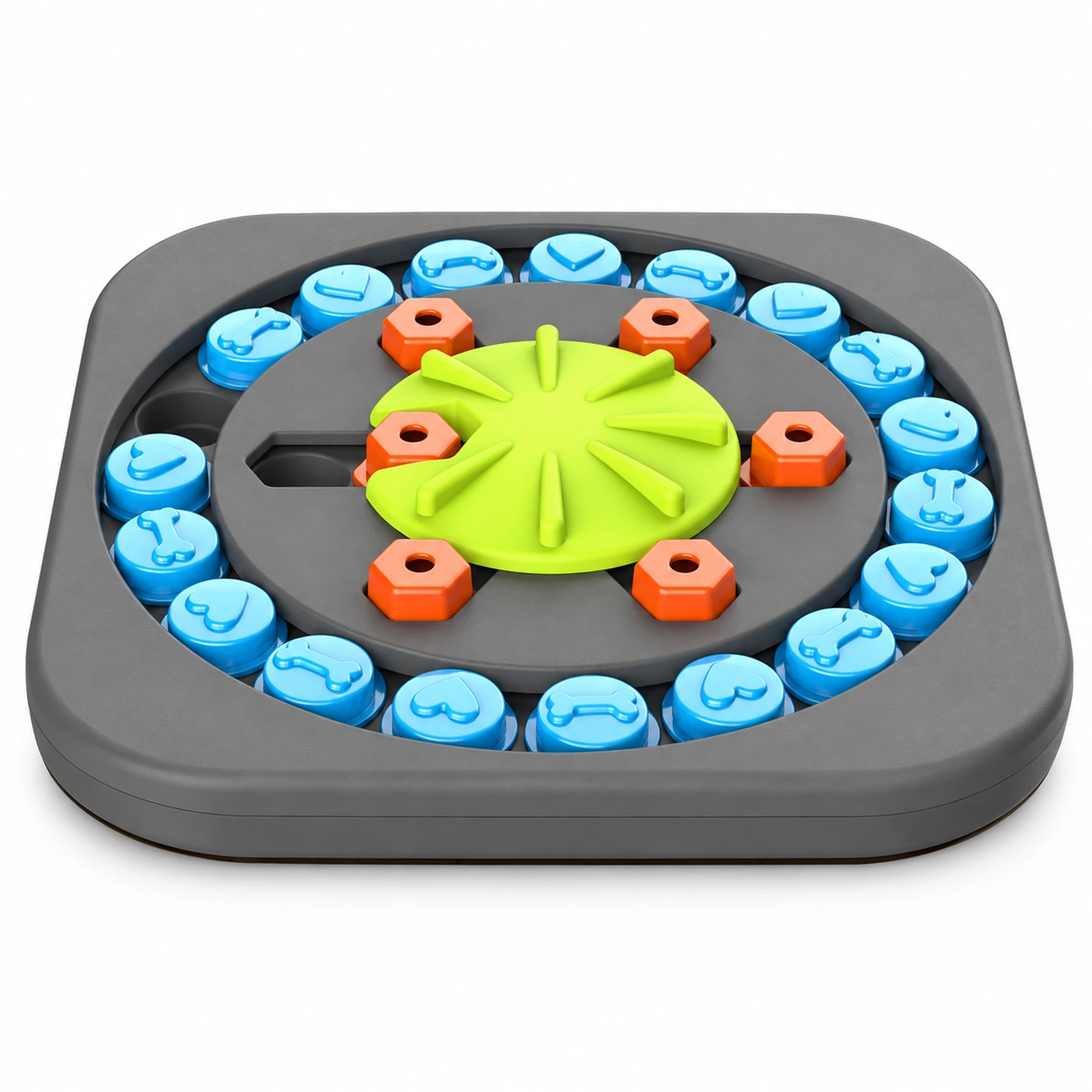
Advanced brainteasers where a dog must lift a locking bone peg before sliding drawers or opening swivel lids. Reserved for experienced canine problem-solvers who breeze through basic boards in under two minutes.
Safety Checklist: Maximizing Durability and Canine Welfare
To ensure your investment lasts for years without veterinary emergencies, follow these basic handling guidelines:
- Supervise Every Session: Never walk away while your dog works on a board with plastic sliders. Remove the toy immediately once the treats are gone.
- Inspect for Wear: Check plastic hinges and silicone seams for chew marks or loose fragments. Discard any component that shows structural cracking.
- Practice Toy Rotation: Keep only one or two puzzles in circulation at a time. Store the rest in a closed cupboard for two weeks. When re-introduced, familiar toys feel exciting and new again.
- Match Kibble Size to Openings: Ensure dry food pieces slide smoothly through dispenser holes to prevent canine frustration.
- Clean Regularly: Wash plastic and silicone puzzles weekly in warm soapy water to eliminate saliva buildup and dried food residues.
Frequently Asked Questions
Do dogs get bored of puzzle toys once they solve them?
Dogs can lose interest if a solved puzzle stays on the floor 24/7. When a toy remains accessible all day, it loses high-value novelty. Rotating three to four different feeders on a weekly schedule keeps the challenge fresh and engaging.
Can a puzzle toy replace daily outdoor walks?
No. Cognitive games tire canine brains and satisfy natural foraging instincts, but they cannot replace the cardiovascular benefits, muscle development, social interactions, and fresh outdoor exploration provided by daily walks.
Are plastic puzzle toys safe for aggressive chewers?
Rigid plastic board puzzles are not designed for direct gnawing. If your dog chews rather than slides, choose heavy-duty food-grade rubber or silicone toys like the Yellow Pineapple Roll & Treat Toy, and supervise play closely.
What should I put inside a puzzle toy besides treats?
Your dog’s daily measured kibble is the healthiest, most cost-effective option. You can also mix in tiny carrot bits, dehydrated liver crumbs, or freeze-dried green beans for low-calorie scent variety.
How long should a dog play with a puzzle toy each day?
A typical session lasts 15 to 25 minutes. If your dog solves it faster, increase the difficulty level or freeze wet ingredients inside compatible channels. If your dog shows signs of frustration, help them open the first compartment to maintain positive momentum.