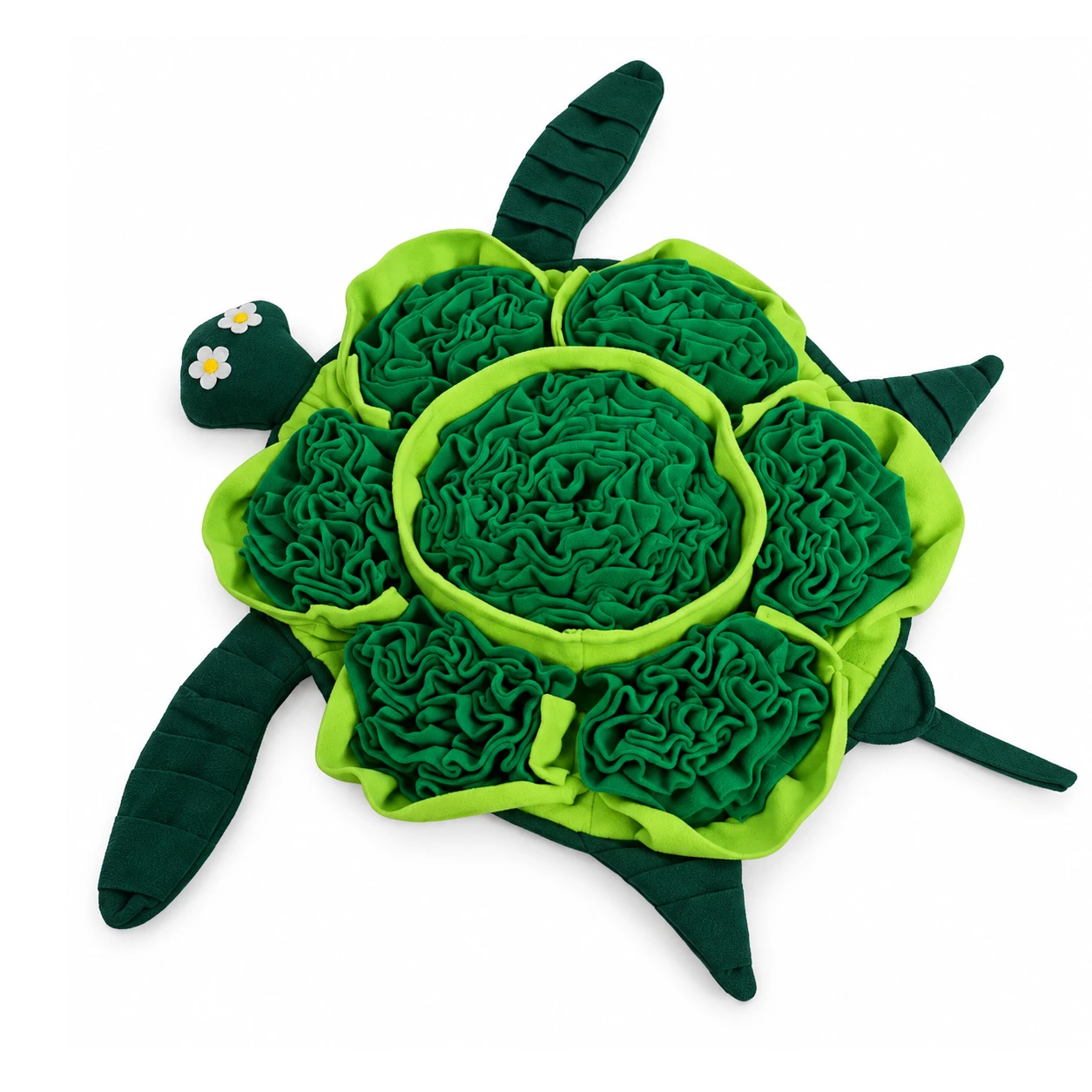
Lick mats and textured enrichment feeders keep dogs mentally stimulated, reduce mealtime gulping, and offer soothing oral focus during stormy weather or grooming. Yet anyone who spreads moist treats over complex silicone mazes recognizes the aftermath: thick paste lodged into tight corners, sticky peanut butter clinging to tiny nubs, and grease films that survive basic rinsing.
A dog parent on Reddit puppy101 shared that blended purees lodge deep inside lick mat channels after freezing banana, pumpkin, or peanut butter, creating frustrating cleanups when washing by hand. Leaving these organic residues trapped inside tight crevices creates ideal breeding conditions for bacteria, yeast, and sour odors.
Cleaning a lick mat does not require aggressive scraping or harsh industrial solvents. By understanding your feeder’s underlying material properties and applying targeted soaking techniques, you can keep every groove pristine and odor-free without degrading flexible silicone or rubber surfaces.
Why Lick Mats and Textured Feeders Are Hard to Clean
Conventional feeding dishes present broad, polished surfaces that shed food scraps easily under running tap water. Enrichment feeders use the opposite architecture by design. Their dense grids, concentric circles, honeycomb pockets, and raised bumps force dogs to use the tips of their tongues to tease out food over twenty to thirty minutes.
When owners spread calorie-dense purees like peanut butter, pumpkin puree, mashed sardines, or canned pate across these patterns and freeze them, the moisture evaporates while the oils bond directly to silicone and rubber polymers. Once pet saliva mixes with drying starches and fats, the mixture sets into a cement-like consistency at the base of each pocket.
Using improper cleaning tools makes the problem worse over time. Stiff wire pads or abrasive scouring sponges scratch the micro-surface of soft feeders. These microscopic gouges trap microscopic food particles and give bacteria a sheltered anchor point, causing recurring cloudiness and persistent foul odors even after a wash cycle.
Material Check: Silicone vs Flexible Rubber (TPR)
Before washing any enrichment toy, verify its construction material. Different polymers demand distinct heat boundaries and cleaning chemicals.
| Feeder Material | Heat Tolerance | Dishwasher Safe? | Best Cleaning Approach | Scrubbing Precautions |
|---|---|---|---|---|
| Food-Grade Silicone | High (Up to 400°F / 204°C) | Top rack safe (skip high heat dry) | Warm soapy soak, boiling water dip | Soft-bristled brush or silicone sponge |
| Thermoplastic Rubber (TPR) | Moderate (Up to 140°F / 60°C) | Hand wash recommended (may warp) | Lukewarm soapy water soak | Soft nylon bristle brush only |
| Rigid Composite Plastic | Low to Moderate | Top rack safe if labeled | Warm water rinse and soak | Non-scratch dish cloth |
Food-grade silicone offers exceptional thermal resilience. It withstands boiling water sanitization and hot top-rack dishwashing cycles without melting or leaching volatile compounds. However, silicone is naturally porous to fat molecules, meaning unwashed peanut butter oils can leave a slippery film.
Thermoplastic elastomer and flexible rubber (TPR) feel similar to silicone but lack its thermal stability. Exposing classic TPR mats to bottom-rack dishwasher heating elements or extreme sterilization cycles softens the polymer bonds, causing the mat to curl at the corners and lose its suction capability.
Step-by-Step Hand Washing: Soak, Scrub, and Rinse
Hand washing remains the safest and most reliable method to clean all textured dog feeders without risking heat distortion or soapy residue transfer. Follow this four-stage routine after each enrichment session.
1. The Immediate Warm Water Rinse
Avoid leaving finished lick mats to dry on the counter. Once your dog walks away satisfied, take the feeder directly to the sink. Flush warm running water across the mat surface for thirty seconds to loosen water-soluble starches and wash away saliva before it solidifies.
2. The 15-Minute Degreasing Soak
Fill a basin or sink with warm water and mix in a few drops of grease-cutting liquid dish soap. Submerge the feeder completely for ten to fifteen minutes. The warm soapy bath penetrates underneath dried food margins, softening hardened peanut butter oils and rehydrating dried pumpkin so they release from the silicone base.
For especially oily residues, misting a concentrated dish spray across the damp mat before submerging loosens greasy films rapidly.
3. The Gentle Crevice Scrub
Take a soft-to-medium nylon bristle brush or a dedicated kitchen toothbrush. Move the bristles in small circular patterns across the grids rather than scrubbing in single back-and-forth strokes. The circular rotation allows flexible bristles to slip behind undercut nubs and reach the floor of narrow diamond grooves where flat sponges cannot reach.
Work systematically from top to bottom. Flip the mat over and rinse the back suction cups as well, ensuring food splatters have not dried around the perimeter rims.
4. Thorough Warm Rinsing and Air Drying
Rinse the mat under running warm water until all soap bubbles vanish completely. Residual dish soap tastes bitter to dogs and can cause mild stomach upset if ingested during the next enrichment session.
Shake off excess droplets and set the mat vertically in a wire dish drying rack or face up on a clean towel. Ensure ample air circulation on both sides so moisture does not pool under suction cups.
Dishwasher Guidelines for Textured Feeders
If your lick mat is certified food-grade silicone or labeled as top-rack dishwasher safe, mechanical washing offers convenient sanitization. Follow these safety rules to avoid warping and chemical contamination:
- Rinse large chunks first: Dislodge gross food particles under running water before loading. Dishwasher spray arms cannot always dislodge thick, dried peanut butter from miniature crevices.
- Secure to the top rack: Place the feeder flat or securely angled on the top rack, facing down toward the lower spray jets. Never place flexible rubber or silicone items on the lower rack directly above the heating element.
- Turn off heated dry cycles: High-intensity heated drying elements generate uneven radiant heat that causes thin silicone edges to ripple and flexible TPR mats to distort permanently. Let the dishwasher air-dry or remove items when the cycle concludes.
- Use unscented detergent: Silicone readily absorbs artificial fragrance compounds from commercial scented pods and citrus rinse aids. Always wash pet accessories using fragrance-free, dye-free detergents to prevent your dog from tasting perfume on their next frozen treat.
Cleaning 3D Textured Toys: Rolling Pineapples and Slotted Chew Bones
Enrichment feeding is not restricted to flat mats. Many pet households use three-dimensional rolling treat dispensers and grooved chew toys that require specialized cleaning techniques.
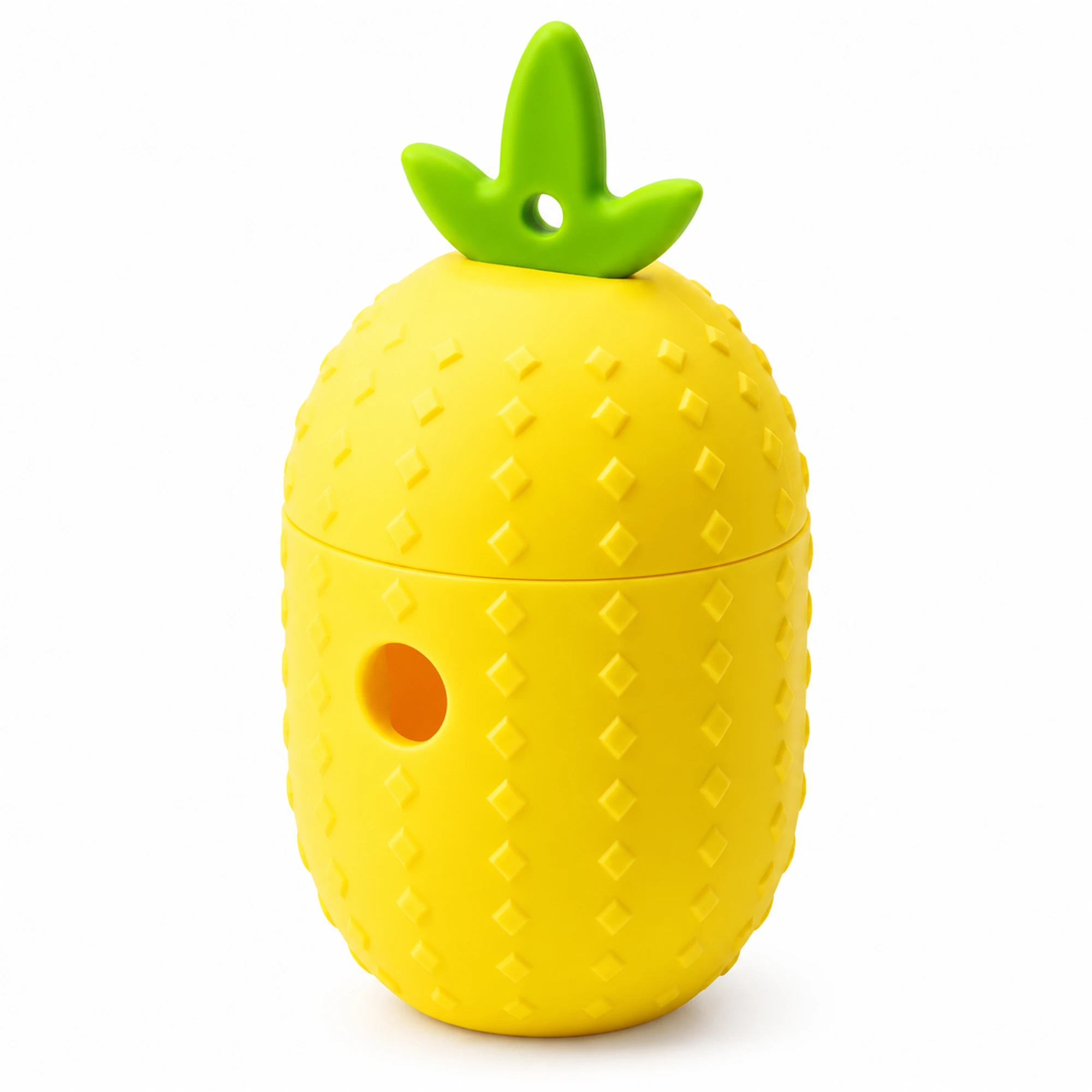
Consider hollow rolling silicone puzzles designed for movement. Open the pineapple at its middle join to add treats, close it, then let your dog nudge and roll it to release food through the side opening. The bright yellow silicone body has raised diamond bumps and a green leafy crown. Treats are not included. When wet purees or soft treats are added to the interior chamber, separate the two halves along the middle join before washing. Soak both hollow sections in warm soapy water, use a small bottle brush inside the side release port, and scrub between the external diamond bumps before reassembly.
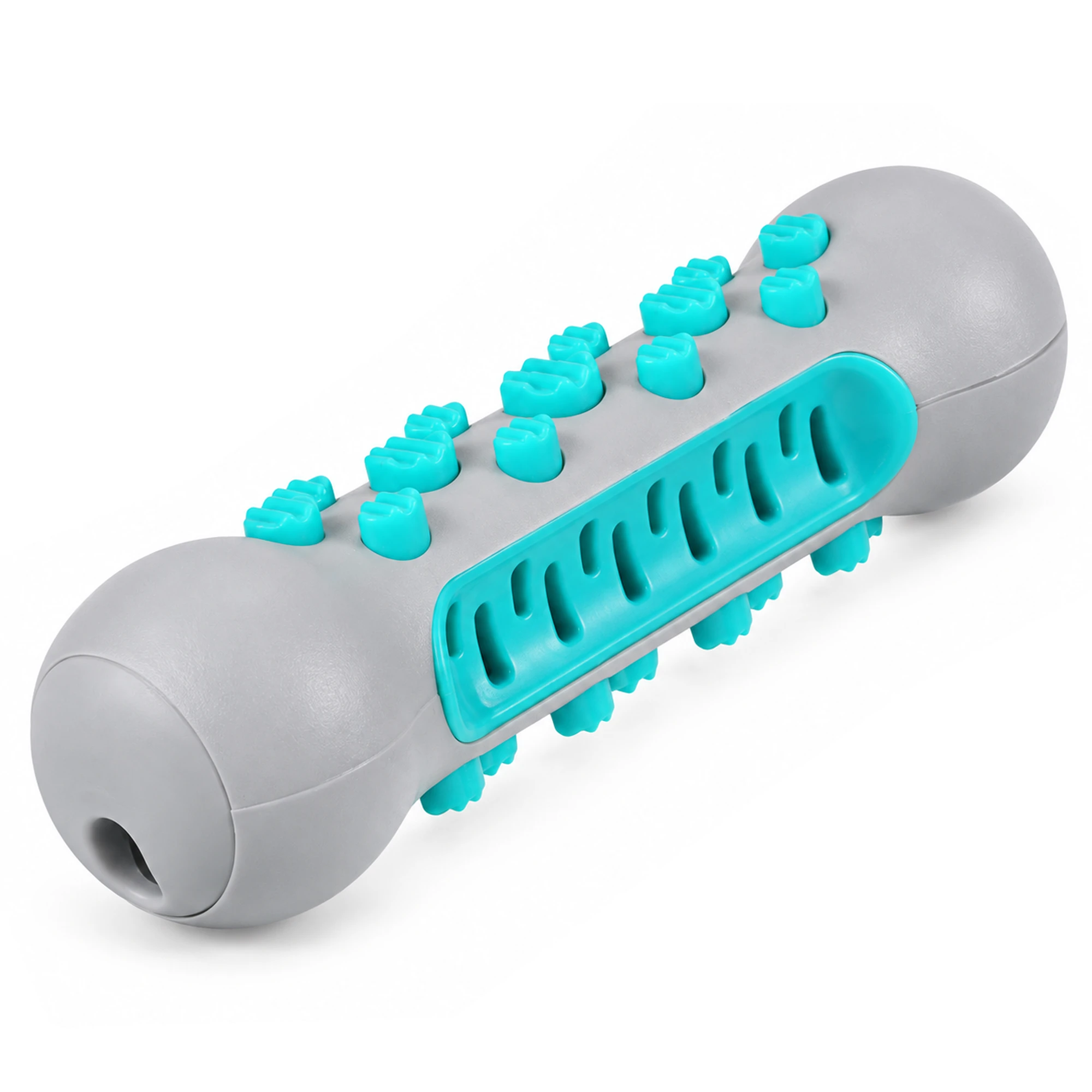
Similarly, stationary dental chew bones present unique hygiene requirements. A gray bone-shaped dog toy with turquoise-blue raised nubs, a slotted side panel, rounded ends and an end opening. Includes one assembled toy. Supervise play and remove if damaged. Supplier-reported SKU piece weight: 147 g; supplier piece dimensions: 15 × 4.6 × 4.6 cm. These figures are not independently measured; net/gross weight and packaging inclusion are unspecified. When using the slotted side panel or end opening for food spreads, insert a slim nylon brush through the end opening to clear out trapped paste, inspect the raised nubs for grease retention, and allow the interior hollow to dry thoroughly before storing.
Removing Odors and Sanitizing Safely
Over months of frequent use, silicone feeders can develop a stale, sour scent or a white cloudy sheen caused by mineral deposits and embedded animal fats. Refresh your feeders using these safe household techniques:
The White Vinegar Soak
To eliminate sour odors and dissolve stubborn hard-water mineral crusts, soak the clean mat in a solution of one part distilled white vinegar and two parts warm water for twenty minutes. Vinegar naturally breaks down organic odors and cuts through alkaline mineral scales without degrading silicone polymers. Rinse thoroughly with clear water after soaking.
The Baking Soda Paste
For localized grease spots or discolored patches caused by berries and turmeric-rich broths, mix equal parts baking soda and warm water into a thick paste. Smear the paste directly into the stained grooves, allow it to sit for ten minutes, and gently scrub with a soft brush before rinsing clean.
Boiling Water Dip for Pure Silicone
If your feeder is made of 100 percent food-grade silicone without plastic backings or suction additives, submerge the clean mat in a pot of boiling water for two to three minutes. Boiling neutralizes lingering surface bacteria and releases trapped scent molecules without chemical exposure. Use tongs to lift the mat and let it cool completely on a clean drying rack.
Frequently Asked Questions
How do you get dried peanut butter out of a lick mat?
Submerge the mat in warm water blended with grease-cutting dish soap for ten to fifteen minutes so the dried oils soften. Next, take a soft-to-medium nylon bristle brush or dedicated cleaning toothbrush and move in circular motions around the raised nubs. Spraying dish foam directly on stubborn sections loosens clinging residues even faster.
Are all dog lick mats dishwasher safe?
No. Pure food-grade silicone mats and rigid composite models are generally top-rack dishwasher safe, but classic flexible TPR and natural rubber mats can soften and warp under high heat. Always check the manufacturer packaging and disable high-heat heated drying cycles.
Can you use vinegar or dish soap to sanitize silicone feeders?
Yes. Mild liquid dish soap effectively removes animal fats and food residues during daily washing. A diluted white vinegar soak (one part vinegar to two parts warm water) neutralizes stale odors and dissolves hard water mineral films safely without leaving toxic chemical residues.
How do you clean three-dimensional rolling treat dispensers and bone chew toys?
Disassemble modular rolling dispensers along their main joins and soak each half in warm soapy water. Use narrow bottle brushes or angled straw brushes to scrub interior chambers, side food release ports, and narrow side treat slots, ensuring the toys dry completely before being refilled.